

Download Polymail – Free Smart Email Client for Business, Windows, macOS, Android & iOS
Overview
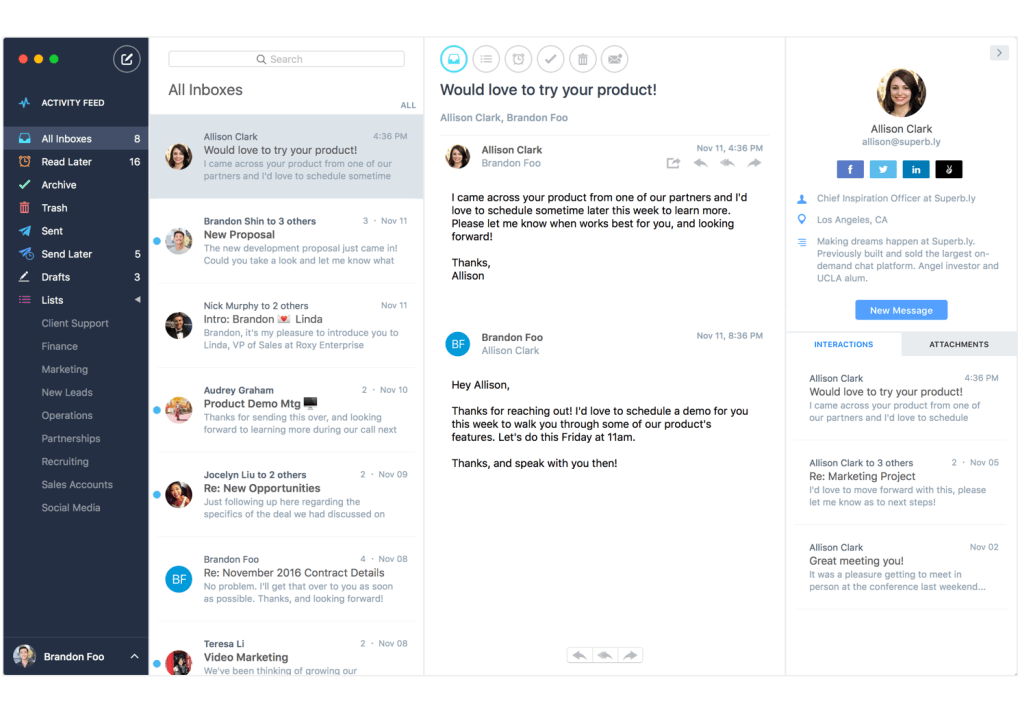
Polymail is a free, smart email client built with business users in mind. It offers a clean, minimalist interface that works equally well on desktop and mobile devices, allowing employees to stay connected whether they are at the office, on a coffee break, or traveling abroad. Unlike many enterprise‑grade email solutions that charge hundreds of dollars per seat, Polymail provides essential business features at no cost, making it an attractive option for startups, small‑to‑mid‑size companies, and even larger organizations looking to reduce licensing expenses.
The application supports both legacy protocols such as POP3 and IMAP, as well as modern push‑email technologies, ensuring that users receive messages instantly on any device. While the core experience is intentionally simple, Polymail hides a handful of powerful tools—read receipts, email scheduling, contact enrichment, and analytics—that can improve productivity without cluttering the UI. The client’s design language differs slightly between desktop and mobile versions, which may introduce a brief learning curve for new users; however, the transition is smooth enough that most teams adapt within a day or two.
Polymail’s biggest selling point is its zero‑price tag. In a market where many business‑focused email platforms require annual subscriptions, Polymail stands out as a cost‑effective alternative that still delivers reliability, security, and cross‑platform consistency. Whether you’re a solo entrepreneur needing a reliable inbox, a remote team that requires real‑time updates, or an IT manager scouting for a budget‑friendly solution, Polymail offers a compelling mix of simplicity, flexibility, and professional‑grade features.
Key Features
- Unified Inbox: Combine multiple email accounts (Gmail, Outlook, custom IMAP/POP3) into a single, searchable view.
- Push Email & Real‑Time Sync: Instant delivery of new messages on desktop and mobile without manual refresh.
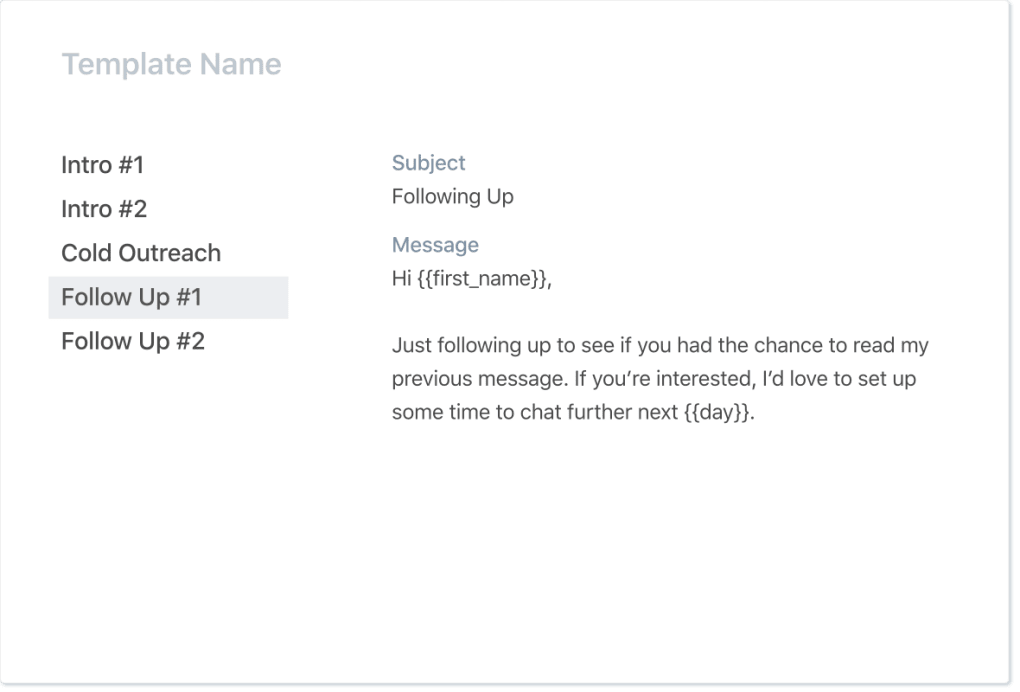
- Email Scheduling: Compose now, send later. Perfect for aligning communications across time zones.
- Read Receipts & Tracking: Know when recipients open your email, helping sales and support teams follow up effectively.
- Contact Enrichment: Automatic pull of LinkedIn, Twitter, and company data to give context to every conversation.
- Advanced Search & Filters: Use natural‑language queries, tags, and smart folders to locate messages instantly.
- Team Collaboration: Share drafts, assign emails to teammates, and add internal notes without leaving the client.
- Security & Encryption: TLS/SSL support for all connections, plus optional two‑factor authentication.
- Cross‑Platform Support: Native apps for Windows, macOS, Android, and iOS ensure a seamless experience.
- Free Forever Model: No hidden fees, no subscription tiers—Polymail remains completely free for all users.
Each feature is designed to address common pain points in business email workflows. For instance, the scheduling tool eliminates the need for third‑party extensions, while read receipts provide actionable insights that can shorten sales cycles. The contact enrichment feature reduces the time spent researching prospects, letting users focus on crafting personalized messages. Moreover, Polymail’s native collaboration tools replace clunky email forwarding practices with a clean, in‑app assignment system that keeps accountability transparent.
Because Polymail is free, the feature set is intentionally curated to avoid feature bloat. The development team focuses on polishing core functionalities rather than adding gimmicks. This approach results in a lightweight client that launches quickly, consumes minimal system resources, and stays out of the way while still delivering the professional capabilities that businesses demand.
Installation & Usage Instructions
Desktop (Windows & macOS)
1. Download the installer: Visit the official Polymail website and click the “Download for Windows” or “Download for macOS” button. The file is signed and verified, ensuring a secure download.
2. Run the installer: On Windows, double‑click the .exe file and follow the on‑screen prompts. On macOS, open the .dmg, drag the Polymail icon into the Applications folder, and launch the app.
3. Create or import an account: Upon first launch, you’ll be prompted to sign in with an existing email address or add a new account using POP3/IMAP credentials. Polymail automatically detects server settings for popular providers.
4. Configure preferences: Access Settings → General to enable push notifications, choose a default signature, and set up two‑factor authentication for added security.
5. Start using Polymail: The unified inbox appears on the left pane. Drag and drop emails into custom folders, schedule messages using the clock icon, or click the “Track” button to enable read receipts.
Mobile (Android & iOS)
1. Install from the store: Open Google Play Store or Apple App Store, search for “Polymail,” and tap “Install.” The app is lightweight (≈30 MB) and updates automatically.
2. Sign in or add account: The first‑time wizard mirrors the desktop flow—enter your email address, password, and server details if required.
3. Enable push notifications: Grant permission for alerts so you receive real‑time updates even when the app runs in the background.
4. Explore the UI: The mobile layout places the compose button at the bottom right, while the sidebar offers quick access to folders, tags, and team collaboration tools.
5. Sync across devices: All changes—read status, drafts, scheduled sends—are synced instantly via Polymail’s cloud layer, ensuring a consistent experience whether you’re on a laptop or a smartphone.
Overall, the installation process is straightforward, with clear guidance at each step. Because Polymail is free, there are no license keys or activation codes to manage, simplifying deployment for IT departments that need to roll out the client to multiple users.
Compatibility, Pros & Cons
Operating System Compatibility
Polymail runs natively on Windows 10 and later, macOS 10.13 (High Sierra) and newer, Android 6.0+, and iOS 12+. The client also supports web‑based access through any modern browser (Chrome, Firefox, Edge, Safari), allowing users on Linux or unsupported platforms to still benefit from Polymail’s core features via the web portal.
Pros
- Completely free with no hidden subscription fees.
- Cross‑platform consistency across desktop, mobile, and web.
- Real‑time push email ensures instant message delivery.
- Built‑in business tools (scheduling, read receipts, contact enrichment).
- Lightweight installer that runs quickly and uses minimal resources.
- Secure TLS/SSL connections and optional two‑factor authentication.
- Team collaboration features reduce reliance on email forwarding.
Cons
- Interface layout differs between desktop and mobile, causing a short learning curve.
- Advanced analytics (e.g., detailed open‑rate reports) are limited compared to premium competitors.
- No native integration with some enterprise CRM platforms out‑of‑the‑box.
- While free, occasional feature requests may be delayed due to limited development resources.
Overall Verdict: Polymail delivers a robust, business‑ready email experience without the price tag. Its minor UI inconsistencies are outweighed by the powerful features and seamless cross‑device sync, making it a top recommendation for cost‑conscious teams.
Frequently Asked Questions
Is Polymail really free for commercial use?
Yes. Polymail offers a completely free tier that includes all core business features such as push email, scheduling, read receipts, and team collaboration. There are no hidden fees or premium upgrades required for commercial use.
Can I migrate existing emails from Outlook or Gmail?
Polymail supports both IMAP and POP3 protocols, allowing you to connect existing Outlook, Gmail, or other email accounts directly. All messages will sync automatically, preserving folder structures and labels where possible.
How secure is Polymail for sensitive business communications?
Security is a priority. Polymail uses TLS/SSL encryption for all data in transit, supports two‑factor authentication, and stores minimal metadata on its servers. For organizations with stricter compliance needs, the client can be configured to use on‑premise IMAP/POP3 servers.
Does Polymail integrate with popular CRM tools?
Out‑of‑the‑box integration is limited to basic contact enrichment. However, Polymail provides a robust API that allows developers to connect the client with CRM platforms such as Salesforce, HubSpot, or Zoho through custom scripts or third‑party middleware.
What happens to my data if I stop using Polymail?
Since Polymail does not store email content on its own servers (it only syncs via your existing email provider), deleting the application will not affect your messages. All data remains on your mail server, and you can safely switch to another client at any time.
Conclusion & Call to Action
Polymail proves that a high‑quality, business‑focused email client does not have to come with a hefty price tag. Its free‑forever model, cross‑platform availability, and suite of smart features such as email scheduling, read receipts, and contact enrichment make it an excellent fit for startups, remote teams, and even larger enterprises looking to cut costs without sacrificing functionality. While the UI differences between desktop and mobile may require a brief adjustment period, the overall learning curve remains gentle, especially when compared to feature‑heavy competitors that charge per user.
If you’re seeking a reliable, secure, and budget‑friendly solution to streamline your inbox, Polymail is ready for immediate download. Install it today on your preferred devices, connect your existing accounts, and experience a more organized, collaborative, and efficient email workflow.
Ready to boost your team’s productivity? Download Polymail now and start enjoying a smarter, free email experience across Windows, macOS, Android, and iOS.