
Download ProjectLibre – Free Open‑Source Project Management Tool for Windows, Mac, and Linux
Overview
ProjectLibre is a free, GPL‑licensed business application that brings professional‑grade project‑management capabilities to anyone who needs to plan, track, and deliver complex initiatives without paying for expensive proprietary software. Developed and maintained by the vibrant ProjectLibre community, the program mirrors many features found in Microsoft Project while keeping the footprint light and the user interface intuitive. Since its addition to our catalog in 2014, ProjectLibre has accumulated more than 17,000 downloads, with a steady stream of new users each week, especially in the United States, United Kingdom, and the Philippines. The latest stable release, version 1.5.9, was updated on May 28 2014 and runs on macOS, Windows, and Linux platforms. Because it is distributed only in English, the learning curve is reduced for a global audience. Whether you are a seasoned project manager, a small‑business owner, or a student learning the fundamentals of Gantt charts, ProjectLibre offers a secure, free alternative that can be installed in minutes and starts delivering value immediately.
Key Features of ProjectLibre
- Gantt Chart Engine: Create, edit, and visualize timelines with drag‑and‑drop bars, critical‑path highlighting, and baseline comparisons.
- Resource Management: Allocate people, equipment, and materials, track costs, and monitor overallocation with color‑coded alerts.
- Task Dependencies: Define Finish‑to‑Start, Start‑to‑Start, Finish‑to‑Finish, and lag time relationships to reflect real‑world constraints.
- Cost Tracking: Set budgets, assign rates, and generate cost‑performance reports that help keep projects within financial limits.
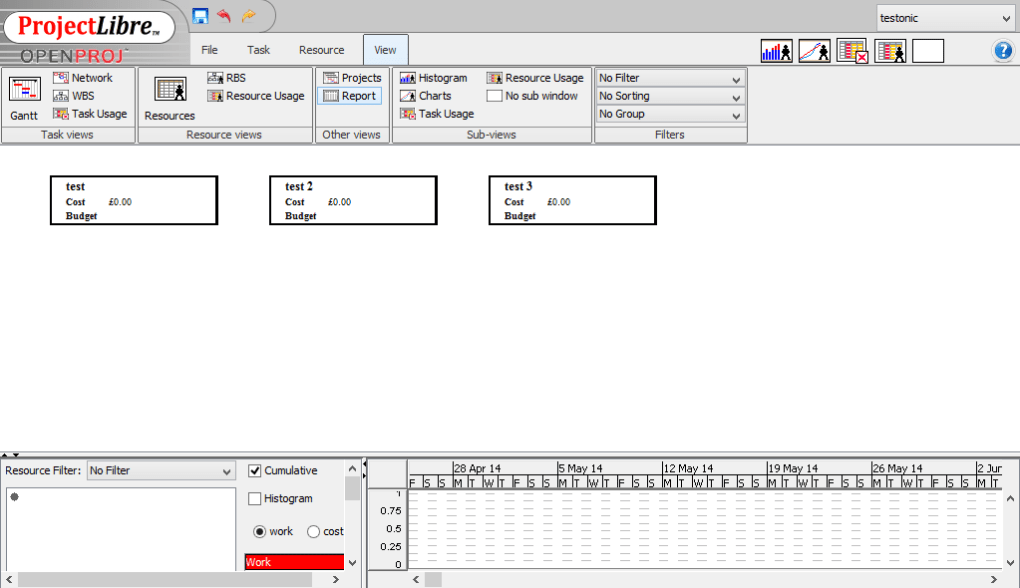
- Reporting Suite: Export project data to PDF, PNG, or CSV formats; generate pre‑built reports such as Earned Value, Resource Histogram, and Milestone Summary.
- Multi‑Platform Support: Runs on macOS (10.8+), Windows 7/8/10, and major Linux distributions, ensuring cross‑team collaboration.
- Open‑Source Flexibility: Access the source code on GitHub, customize the UI, or contribute new modules to the community.
- Import/Export Compatibility: Open Microsoft Project (.mpp) files and save projects in .xml or .pdf, easing migration from legacy tools.
The feature set is designed to balance power and simplicity. Beginners can start with a basic task list and gradually explore advanced functionalities like resource leveling and critical‑path analysis. Because the application is lightweight, it consumes far less storage than many commercial competitors, making it an ideal choice for laptops or low‑spec workstations.
Installation & Usage Instructions
Step‑by‑Step Installation
Downloading and installing ProjectLibre is straightforward. Follow these steps to get the software up and running on your preferred operating system:
- Visit the official ProjectLibre download page and select the installer matching your OS (Windows *.exe*, macOS *.dmg*, or Linux *.tar.gz*).
- For Windows, run the .exe file and accept the license agreement. The wizard will guide you through selecting the installation folder (default is
C:\Program Files\ProjectLibre). - On macOS, double‑click the .dmg file, drag the ProjectLibre icon into the Applications folder, and confirm any security prompts.
- Linux users can extract the tarball, navigate to the
bindirectory, and execute./projectlibre. Alternatively, add the repository to your package manager for automatic updates. - After installation, launch the application. The first launch will present a welcome screen where you can create a new project or open an existing .xml/.mpp file.
Getting Started with Your First Project
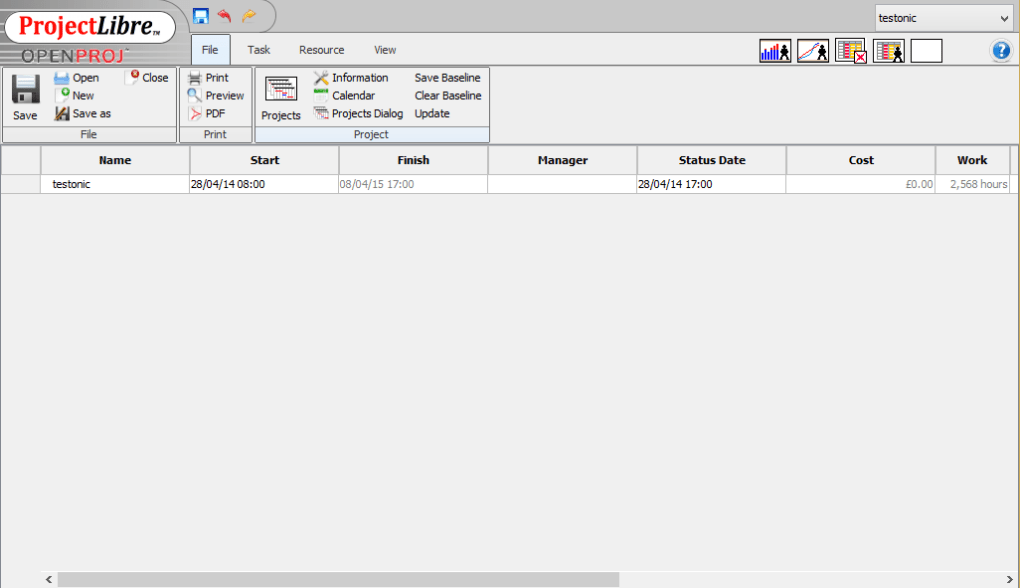
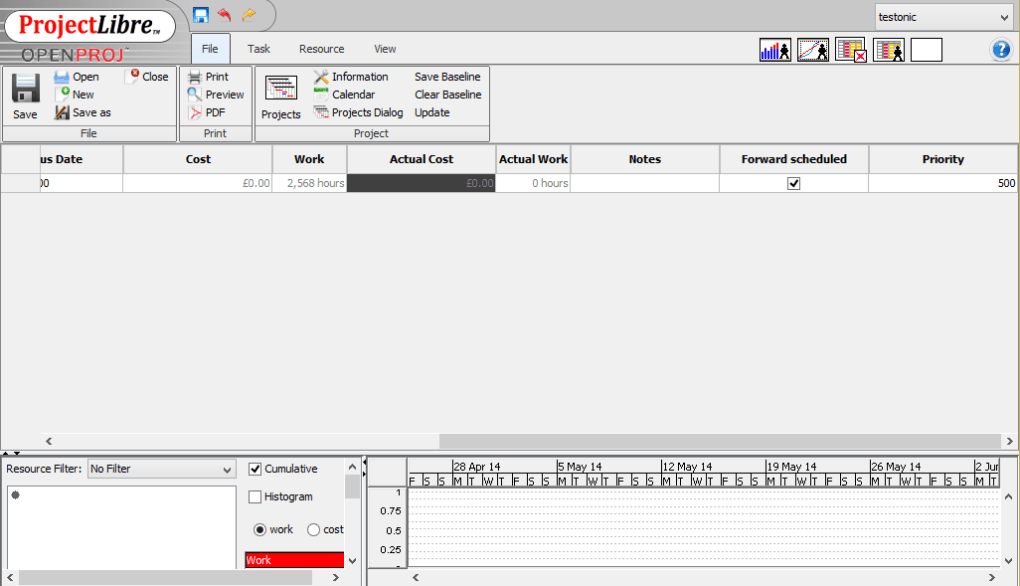
Once the program opens, you’ll see the familiar ribbon layout. Begin by clicking File → New and entering basic project information (name, start date, calendar). Add tasks in the grid view, assign durations, and link them using the dependency arrows. Use the Resource Sheet to input team members, their hourly rates, and availability. As you build the schedule, the Gantt chart updates in real time, displaying critical path bars in red and any over‑allocated resources in orange.
ProjectLibre also offers a “Help” menu with tutorials and a community forum link, which are valuable resources for troubleshooting or learning advanced techniques. Because the software is open source, you can also explore plugins that extend functionality, such as Agile board views or custom report generators.
Compatibility, Pros & Cons, FAQ, and Final Verdict
Operating System Compatibility
ProjectLibre runs on macOS 10.8 and later, Windows 7/8/10 (both 32‑bit and 64‑bit), and popular Linux distributions such as Ubuntu, Fedora, and Debian. The Java‑based architecture ensures consistent behavior across platforms, and the program automatically checks for the required Java Runtime Environment during the first launch.
Pros
- Completely free and open‑source – no hidden licensing fees.
- Lightweight installation footprint compared to many commercial alternatives.
- Robust Gantt‑chart and resource‑management capabilities.
- Cross‑platform support enables seamless collaboration across Windows, macOS, and Linux.
- Import/export compatibility with Microsoft Project files reduces migration barriers.
Cons
- Interface feels dated compared to modern SaaS tools.
- Lack of native cloud sync; users must rely on external file‑sharing services.
- Advanced reporting options are limited without third‑party extensions.
- Only English language support – no localization for non‑English speakers.
Frequently Asked Questions
Is ProjectLibre truly free or are there hidden costs?
ProjectLibre is released under the GPL‑3.0 license, meaning it is completely free to download, install, and use. There are no subscription fees, and all updates are provided at no cost.
Can I open Microsoft Project files (.mpp) in ProjectLibre?
Yes. ProjectLibre can import .mpp files, allowing you to continue work on projects originally created with Microsoft Project. Some complex formatting may be simplified, but core task data and dependencies are preserved.
Does ProjectLibre support cloud storage or collaboration?
The desktop version does not include built‑in cloud sync. However, you can store your .xml project files in Dropbox, Google Drive, or OneDrive and share them with team members. Collaborative editing requires each user to open and save the file manually.
What are the system requirements for running ProjectLibre?
A minimum of 2 GB RAM, 500 MB of free disk space, and Java Runtime Environment 8 or higher. The software runs smoothly on most modern laptops and desktops.
Is there a mobile version of ProjectLibre?
Currently, ProjectLibre is a desktop‑only application. The community is exploring a web‑based or mobile companion, but no official Android or iOS apps exist yet.
Conclusion – Should You Download ProjectLibre?
ProjectLibre stands out as a genuinely free, cross‑platform project‑management solution that packs enough power to satisfy professional planners while remaining accessible to beginners. Its lightweight nature, solid Gantt‑chart engine, and compatibility with Microsoft Project make it a compelling choice for organizations looking to cut software costs without sacrificing essential functionality. Although the UI may feel a bit dated and native cloud collaboration is missing, these drawbacks are outweighed by the zero‑cost licensing and the ability to run on virtually any desktop environment.
If you need a reliable tool to schedule tasks, manage resources, and generate basic reports without committing to a subscription, download ProjectLibre today and experience a full‑featured project manager that respects both your budget and your operating system preferences.