Rel is a decision agent aligned to your business, grounded in your semantic model, and powered by the advanced reasoners of the RelationalAI decision intelligence platform.



18 cells at risk; 6 already >80% load. Rebalance to sectors A/B and cap video to 720p in ZIPs 76112–76120. Predicted drop in call‑failures: −67%.
Set floor at $14.20; revenue +8.3%, under‑delivery risk 1.1%. If $15.00, revenue +10.6% but breach risk 6.4% in weeks 47–48.
12 lots at risk; median shortfall 7%. Two levers: lower reserve by 3–5% (+$610k sell‑through) or boost bidder liquidity in TX/AB via targeted email to 4,200 lookalikes (+$480k).









It begins by analyzing all the tables and documents you’ve gathered inside Snowflake.
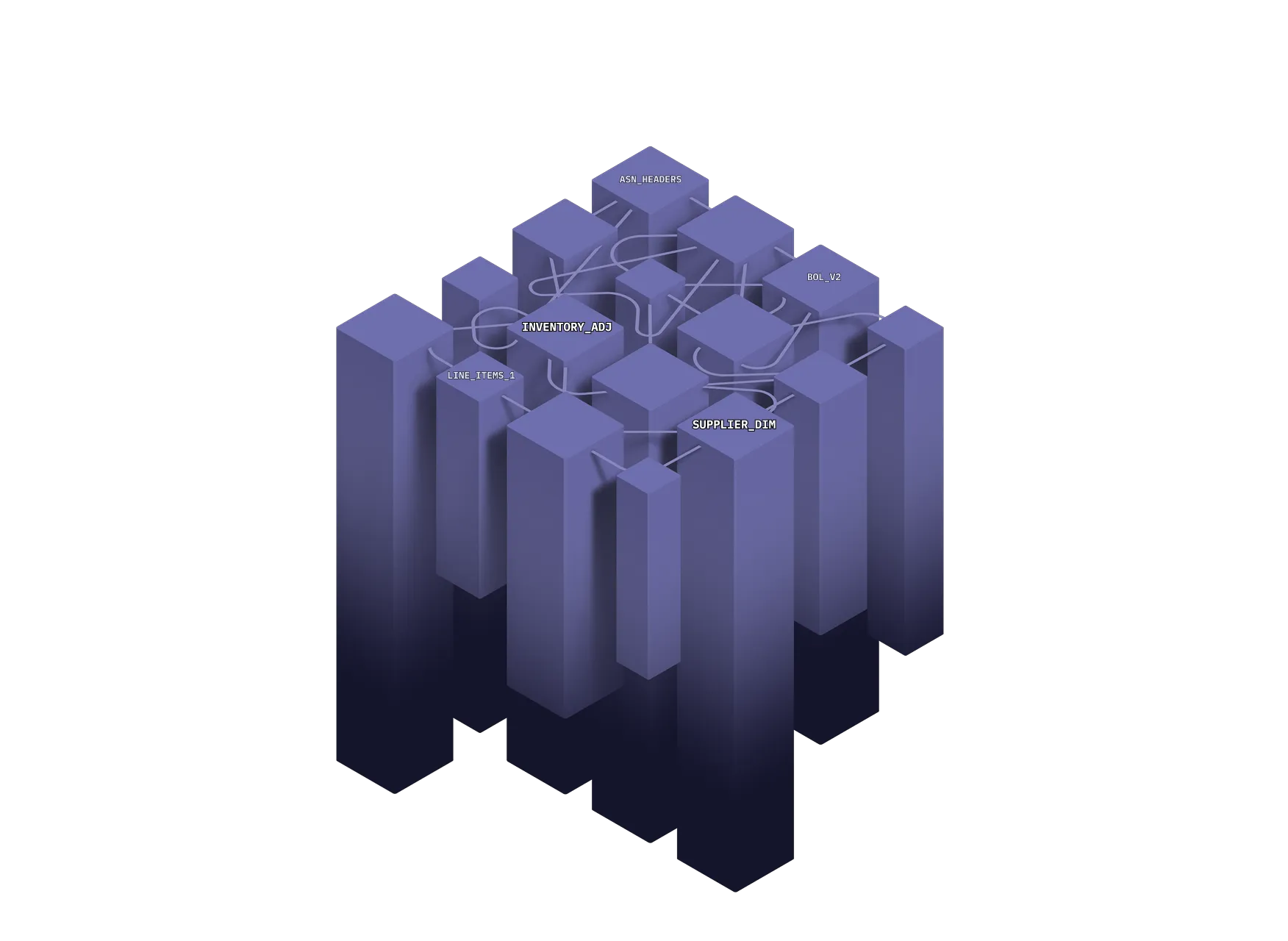


Tracks inventory levels, movements, and status across facilities, enabling accurate stock management, allocation, and valuation for both raw materials and finished products.
1.98K records • Last updated 2 minutes ago

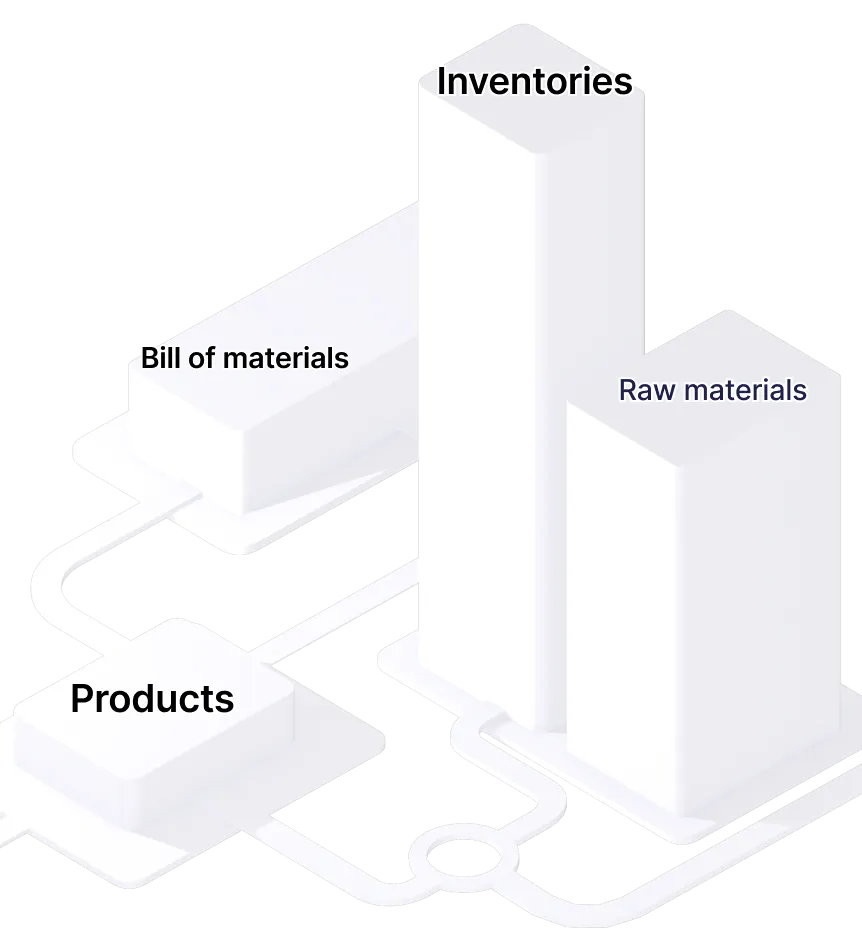
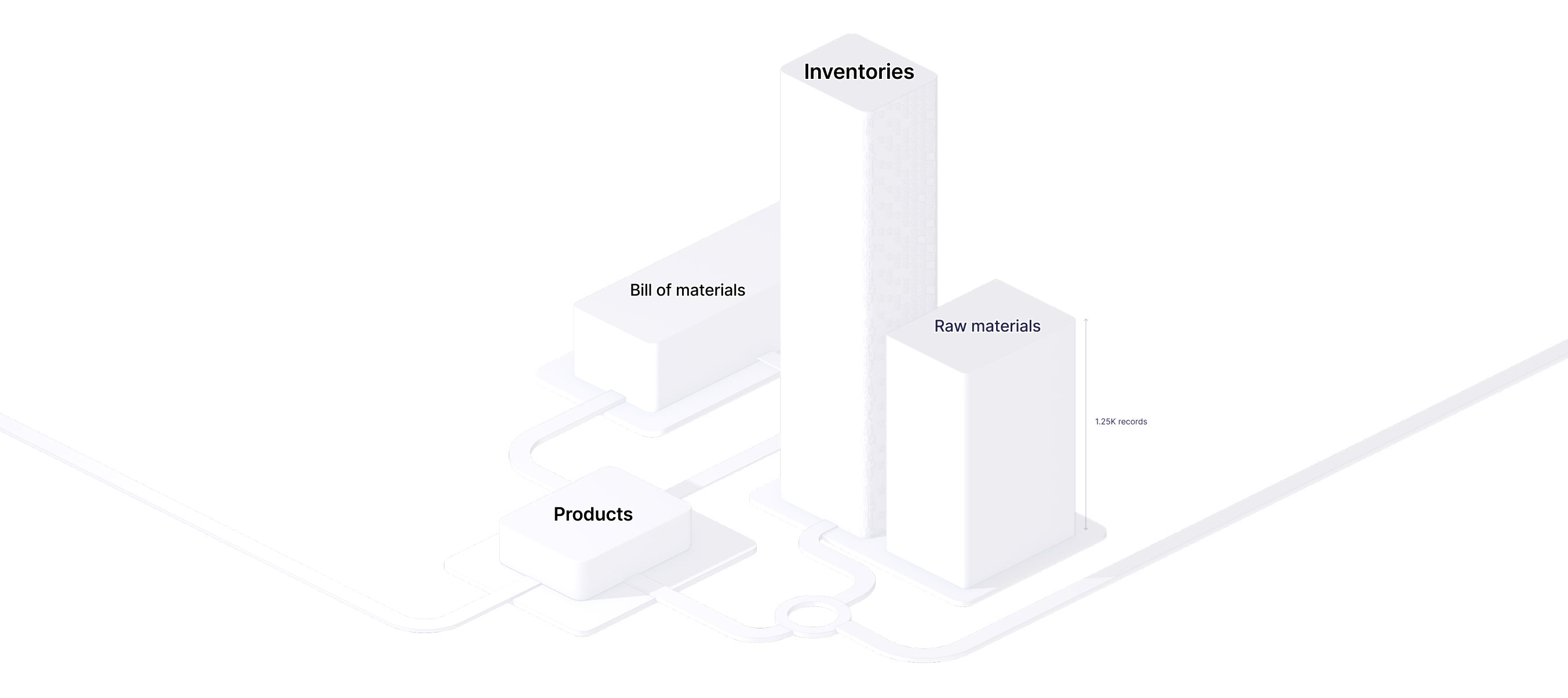

Core manufacturing data structure that defines the components and quantities needed to build a finished product, enabling accurate inventory planning and cost calculations.
1.98K records • Last updated 2 minutes ago
Tracks inventory levels, movements, and status across facilities, enabling accurate stock management, allocation, and valuation for both raw materials and finished products.
1.98K records • Last updated 2 minutes ago
Core manufacturing data structure that defines the components and quantities needed to build a finished product, enabling accurate inventory planning and cost calculations.
833 records • Last updated 3 minutes ago

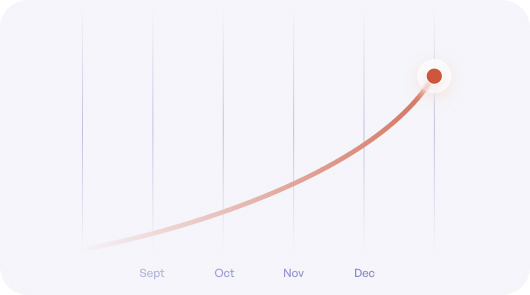


A one-week delay from Shanghai-Acme affects 12 holiday SKUs totaling $3.2M in projected revenue.
With current inventory levels, you'll experience stockouts on 5 SKUs between Dec 18-24th, resulting in approximately $840K in lost sales.


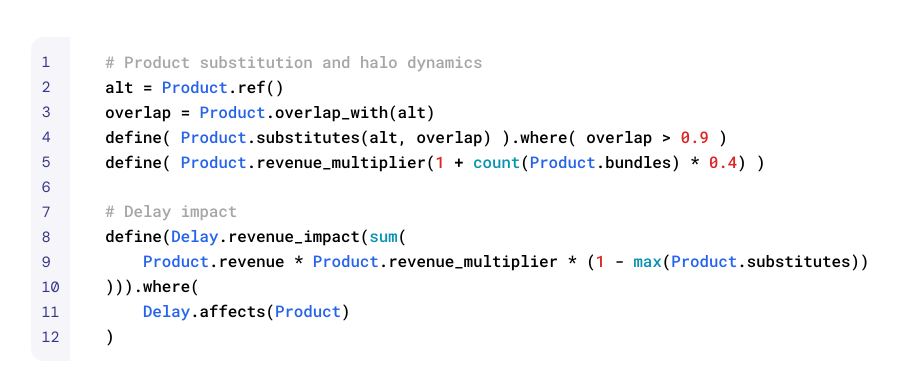
1# Product substitution and halo dynamics
2alt = Product.ref ()
3overlap = Product.overlap_with(alt)
4define( Product.substitutes(alt, overlap) ) where ( overlap > 0.9 )
5define( Product. revenue_multiplier(1 + count (Product.bundles) * 0.4))
6
7# Delay impact
8define(Delay.revenue_impact(sum(
9Product. revenue * Product. revenue_multiplier * (1 - max(Product.substitutes))
10))). where (
11Delay.affects(Product)
12)

A one-week delay from Shanghai-Acme affects 12 holiday SKUs totaling $3.2M in projected revenue.
Critical finding:
• Your hero product GIFT-001 (wireless earbuds) drives 40% of gift bundle sales through halo effect. When it's out of stock, customers abandon entire baskets—they won't accept GIFT-002 (wired earbuds) despite 85% feature overlap.
Total impact escalates to $1.4M lost revenue, not just the $840K in direct stockouts.
Consider expediting GIFT-001 via air freight ($45K cost) to preserve the $560K in bundle revenue.

• groups of users
• importance clusters
• mapping connections

• business qualification rules
• multiple conditions
• decision trees

• demand & sales forecasts
• churn/attrition likelihood
• risk/anomaly alerts

• pricing
• inventory management
• staffing & scheduling


Start building with the Rel API, install the native app inside Snowflake, or get in touch about access to our ready-to-use Rel experience.

Rel is a decision agent aligned to your business, grounded in your semantic model, and powered by the advanced reasoners of the RelationalAI decision intelligence platform.
©2025 RelationalAI. All rights reserved.