

Download RSSOwl – Cross‑Platform RSS Reader, Free & Secure
Overview
RSSOwl is a lightweight, open‑source newsreader built on Java that lets you organize, read, and manage RSS, RDF, and Atom feeds on any major operating system. Since the demise of Google Reader, many users have searched for a reliable alternative that works offline, supports multiple accounts, and provides a consistent experience across Windows, macOS, and Linux. RSSOwl answers that call with a clean, no‑frills interface that prioritises speed and simplicity over flashy skins. Its core philosophy is organization: you can group feeds into folders, tag items, and use powerful search filters to locate articles instantly. The latest release adds a full‑screen mode, multi‑tab browsing, a built‑in notifier, and even password protection for premium feeds—features that make it a solid contender for power users who need a dependable tool for daily information consumption. While the UI may feel basic compared with modern web‑based readers, RSSOwl’s stability, offline caching, and cross‑platform nature keep it relevant for professionals, students, and hobbyists alike. Whether you’re tracking tech blogs, financial news, or niche hobby sites, RSSOwl delivers a secure, free solution that you can download and start using within minutes.
Key Features
- Cross‑platform support (Windows, macOS, Linux) via Java runtime.
- Offline reading – cache articles for access without an internet connection.
- Full‑screen mode for distraction‑free reading.
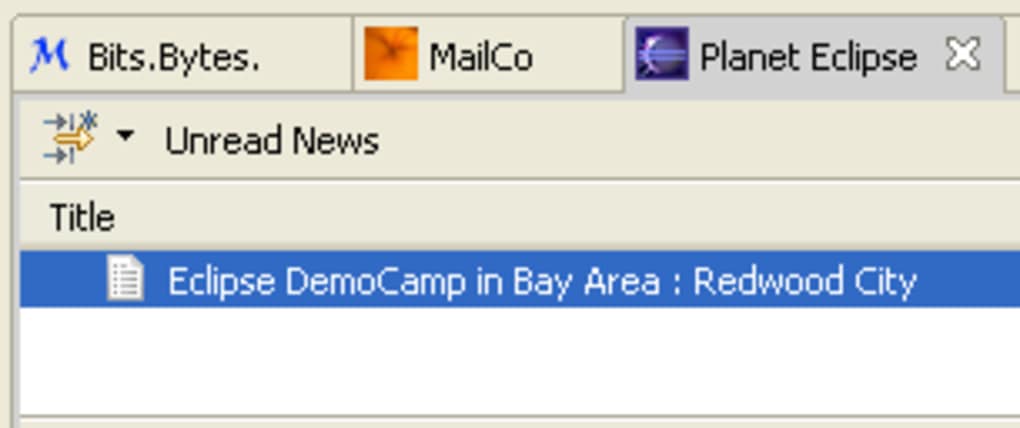
- Multi‑tabbed browsing to view several feeds simultaneously.
- Advanced search with filters for title, author, date, and tags.
- Built‑in notifier with customizable alerts for new items.
- Password protection for private or premium feeds.
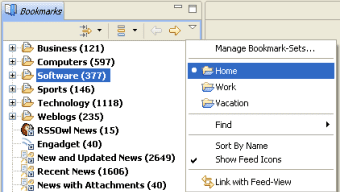
- Folder and tag organization for easy categorisation.
- Import and export of OPML files for quick migration.
- Automatic updates and a plug‑in architecture for future extensions.
Each of these features has been designed with the end‑user in mind. The offline caching engine stores articles in a local SQLite database, ensuring that you can continue reading even on a train or during a power outage. The notifier works in the background and can be set to flash, play a sound, or show a desktop balloon, so you never miss an important update. For teams that share confidential feeds, the password‑protected option encrypts the feed URLs, adding a layer of security without compromising performance. The plug‑in framework, although still growing, already supports custom scripts for auto‑archiving and third‑party integrations, making RSSOwl a flexible foundation for power users who love to tinker.
Installation, Setup & Daily Use
Step‑by‑Step Installation
Getting RSSOwl up and running is straightforward. First, download the latest installer from the official website. Because RSSOwl is Java‑based, you’ll need a compatible Java Runtime Environment (JRE 8 or newer) installed on your machine. The installer bundles the necessary JRE for Windows and macOS, while Linux users can rely on their package manager (e.g., sudo apt-get install default-jre). Once the installer finishes, launch RSSOwl from the desktop shortcut or the applications menu.
Initial Configuration
Upon first launch, RSSOwl presents a quick‑start wizard. You can import existing OPML files, add new feeds manually, or connect to a cloud‑based service like Feedly using the built‑in import tool. The wizard also guides you through setting your preferred update interval (default is 15 minutes) and configuring the notifier. For users concerned about privacy, you can enable the optional password‑protect feature for any feed that requires authentication.
Everyday Workflow
Once your feeds are loaded, the main window displays a pane with all folders and tags on the left, and a list of recent articles on the right. Clicking an article opens it in the built‑in reader, which supports full‑screen mode and keyboard shortcuts (e.g., J/K to navigate, Space to mark as read). The multi‑tab view lets you pin important feeds while you browse others. RSSOwl also remembers the last read position, so you can pick up exactly where you left off after a reboot. To keep your collection tidy, use the “Mark all as read” command or set automatic archiving rules via the preferences panel.
Compatibility, Pros & Cons, and Frequently Asked Questions
Operating System Compatibility
RSSOwl runs on any platform that supports Java 8 or higher, which includes Windows 7/8/10/11, macOS 10.12 (Sierra) and later, and most major Linux distributions (Ubuntu, Fedora, Debian, etc.). The Java foundation guarantees consistent behaviour across these systems, and the UI automatically adapts to the native look‑and‑feel of each OS. Because it does not rely on platform‑specific libraries, you can also run RSSOwl on ARM‑based devices such as the Raspberry Pi, provided a suitable JRE is installed.
Pros
- Fully free and open‑source – no hidden subscriptions.
- Robust offline caching for uninterrupted reading.
- Cross‑platform consistency thanks to Java.
- Highly customizable organization with folders, tags, and filters.
- Lightweight on system resources compared with web‑based readers.
Cons
- Interface looks dated; lacks modern material design aesthetics.
- Requires Java runtime, which some users consider an extra dependency.
- No native mobile apps – only desktop environments are supported.
- Limited plug‑in ecosystem compared with larger RSS platforms.
- Search functionality, while powerful, can be intimidating for beginners.
FAQ
-
Is RSSOwl completely free or are there hidden costs?
RSSOwl is released under the Eclipse Public License, which means it is 100 % free to download, use, and modify. There are no subscription fees, no ads, and no premium tiers.
-
Do I need an internet connection to install RSSOwl?
Yes, you need an internet connection to download the installer and, if required, the Java Runtime Environment. After installation, the application can operate fully offline using cached articles.
-
Can I import feeds from other RSS readers?
Absolutely. RSSOwl supports OPML import, which is the standard format for exporting and importing feed lists from most RSS readers.
-
How secure is the password‑protected feed feature?
Passwords are stored using standard Java encryption mechanisms. While it adds a layer of protection against casual snooping, it is not a replacement for full‑disk encryption if you handle highly sensitive data.
-
Is there a way to automatically update RSSOwl to the latest version?
Yes. RSSOwl includes an auto‑update checker that notifies you when a new release is available. You can enable silent background updates in the preferences panel.
Conclusion & Call to Action
In a world where cloud‑based news aggregators dominate, RSSOwl stands out as a reliable, cross‑platform alternative that respects your privacy and offers full offline capabilities. Its feature set—ranging from multi‑tab browsing to powerful search filters—caters to both casual readers and power users who need precise control over their information flow. While the UI may feel utilitarian and the reliance on Java could be a deterrent for some, the benefits of a free, open‑source solution that runs on Windows, macOS, and Linux outweigh these minor drawbacks. If you’re looking for a secure, no‑cost RSS reader that you can install today and keep forever, RSSOwl is worth a try.
Ready to streamline your news consumption? Download RSSOwl now and experience a fast, organized, and offline‑ready RSS reader that puts you in control of every article.