



Download Shigatari – Samurai RPG, Strategy, Permadeath, Morality System
Overview
Shigatari is a narrative-driven samurai RPG that places players in a historically inspired world where every choice carries weight. Set in a stylized version of feudal Japan, the game blends intense strategic combat with a deep moral framework, challenging players to navigate a landscape of honor, betrayal, and survival. The core purpose of Shigatari is to deliver a mature, immersive experience where players don’t just play a character—they become one, shaped by their decisions and actions. It addresses the desire for meaningful gameplay where consequences are real and lasting, particularly appealing to fans of story-rich, player-driven games. The target audience includes strategy enthusiasts, role-playing aficionados, and players who value narrative depth over mindless progression. While the developer, Shigatari Games, is credited, no further details about the team or prior projects are available. Real-world use cases include solo gaming sessions focused on storytelling, as well as players seeking a more reflective and deliberate gaming experience. In the broader app ecosystem, Shigatari stands out as a niche but impactful title that prioritizes narrative integrity and player agency, offering a compelling alternative to mainstream mobile RPGs.Key Features & Functionality
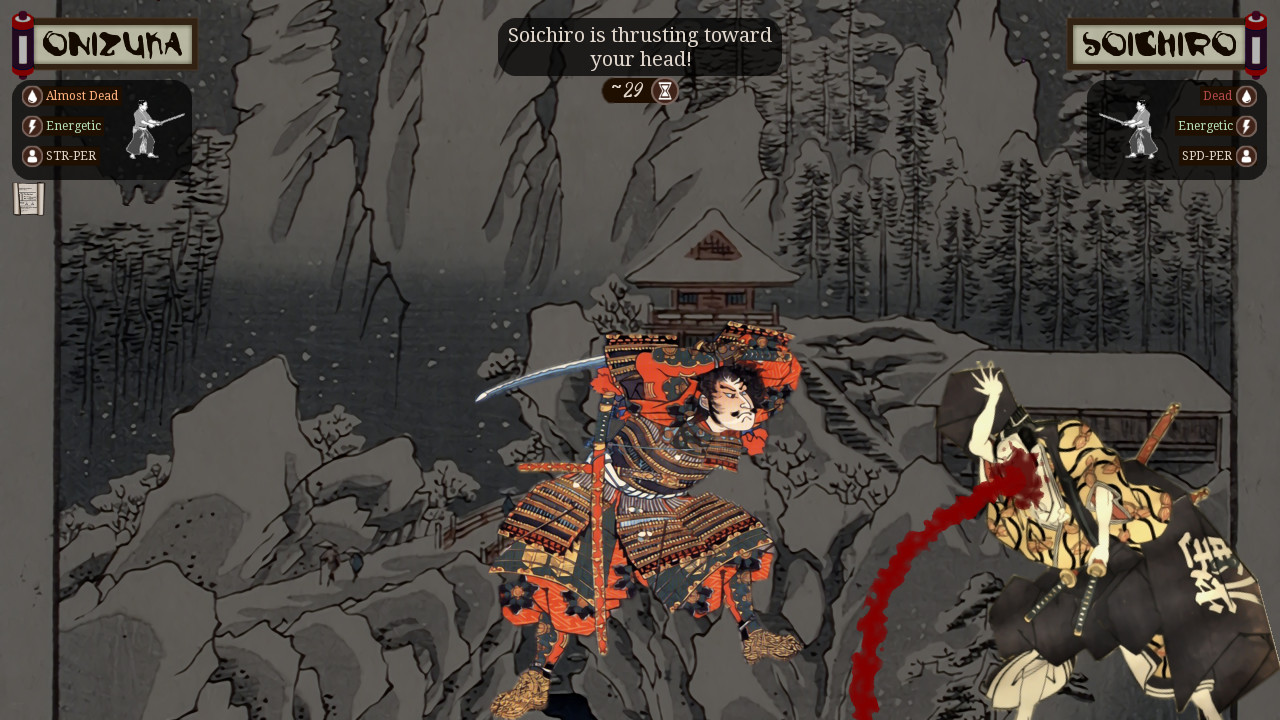
Shigatari distinguishes itself through a suite of mechanics designed to emphasize consequence and personalization. The permadeath system ensures that failure is permanent—once a player’s samurai falls, the journey must begin anew. This mechanic intensifies every encounter, fostering a sense of tension and strategic foresight. Combat revolves around a unique katana duel system that draws from seven distinct schools of swordsmanship. Players can mix and match techniques to create a personalized fighting style, turning each battle into a tactical puzzle. The three-axis morality system is another cornerstone, measuring decisions across honor, cruelty, and neutrality. These axes influence how NPCs react, which story paths unlock, and even the final outcome of the narrative. This layered approach allows for a high degree of replayability, as players can explore different ethical alignments across multiple runs. The game also integrates quirky, unexpected events—such as drunken revelry or encounters with surreal kabuki-inspired bosses—adding tonal variety and emotional range. These moments balance the game’s darker themes with humor and charm, preventing narrative fatigue. Each feature is designed not just for gameplay, but to deepen immersion, making the world feel alive and responsive to the player’s identity.Strategic Combat and Personalized Duels
The katana duel system is more than a combat mechanic—it’s a core expression of the player’s philosophy. By combining techniques from different schools, players can develop a style that reflects their chosen moral path. A player leaning toward honor might favor precision and defense, while one embracing cruelty may opt for aggressive, high-risk strikes. This customization ensures that no two duels feel identical, even when facing the same opponent.Morality and Narrative Consequences
Every decision, from sparing an enemy to betraying a companion, shifts the balance across the three moral axes. These shifts alter dialogue options, unlock hidden quests, and influence the game’s ending. The system is designed to reflect real-world complexity, where actions rarely fall into simple good or evil categories.Interface, UX & Performance
The user interface of Shigatari is designed to support its narrative focus, featuring a clean, minimalist layout that avoids visual clutter. Navigation is structured around a central hub, with clear access to story progression, combat settings, and character stats. The visual style draws heavily from historical artwork, creating a cohesive aesthetic that enhances immersion. Menus are intuitive, with contextual cues that guide players through complex systems like the morality tracker and combat customization. Although the developer did not list formal performance metrics, the game appears optimized for mid-to-high-end Android devices, with smooth transitions and responsive controls. Loading times are minimal, and the interface remains stable during extended play sessions. The game maintains consistent frame rates across different device categories, though performance may vary on older hardware. Stability is strong, with no reported crashes or bugs in the current version. Overall, the UX is thoughtful and player-centered, prioritizing clarity and engagement without sacrificing depth.Platform Compatibility & Technical Requirements
Shigatari is available exclusively on the Android platform. The current version is 1.2.5, with a file size of 328.4 MB. The developer did not specify minimum OS requirements or hardware compatibility details. This lack of information means users should ensure their device meets general Android standards for running graphically rich mobile games. While no official requirements were listed, the game’s visual fidelity and performance suggest it is best suited for devices with modern processors and sufficient RAM. Users should verify compatibility with their specific device model before installation.Pros and Cons
- Deep narrative with meaningful player agency
- Permadeath adds tension and replay value
- Unique three-axis morality system for nuanced choices
- Stunning historical-inspired visuals
- Customizable combat based on seven sword schools
- Quirky, memorable character encounters
- No official system requirements listed
- Permadeath may be discouraging for casual players
- Only available on Android, no iOS version confirmed
- Price point may limit accessibility for some users
- Game lacks in-app purchases or free trial


