Do you want to share your story?

Do you want to share your story?

This research project aims to improve understanding of how structural inequities, such as racism and homophobia, drive disparities in HIV and substance use in order to better target public health interventions.

This research project aims to improve understanding of how structural inequities, such as racism and homophobia, drive disparities in HIV and substance use in order to better target public health interventions.

This research project aims to improve understanding of how structural inequities, such as racism and homophobia, drive disparities in HIV and substance use in order to better target public health interventions.


Confidential

Community-informed

Image

2,700

Participants

5

US Cities

~45 minute

Online Survey

$50

Tango Gift Card
Confidential

Community-informed

Where we're recruiting

Where we're recruiting

Where we're recruiting

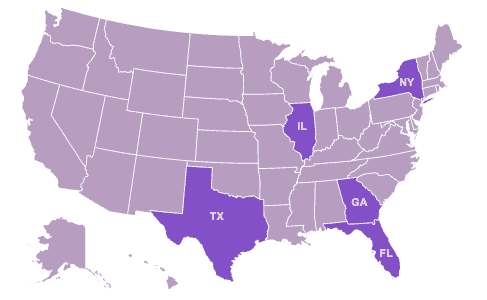
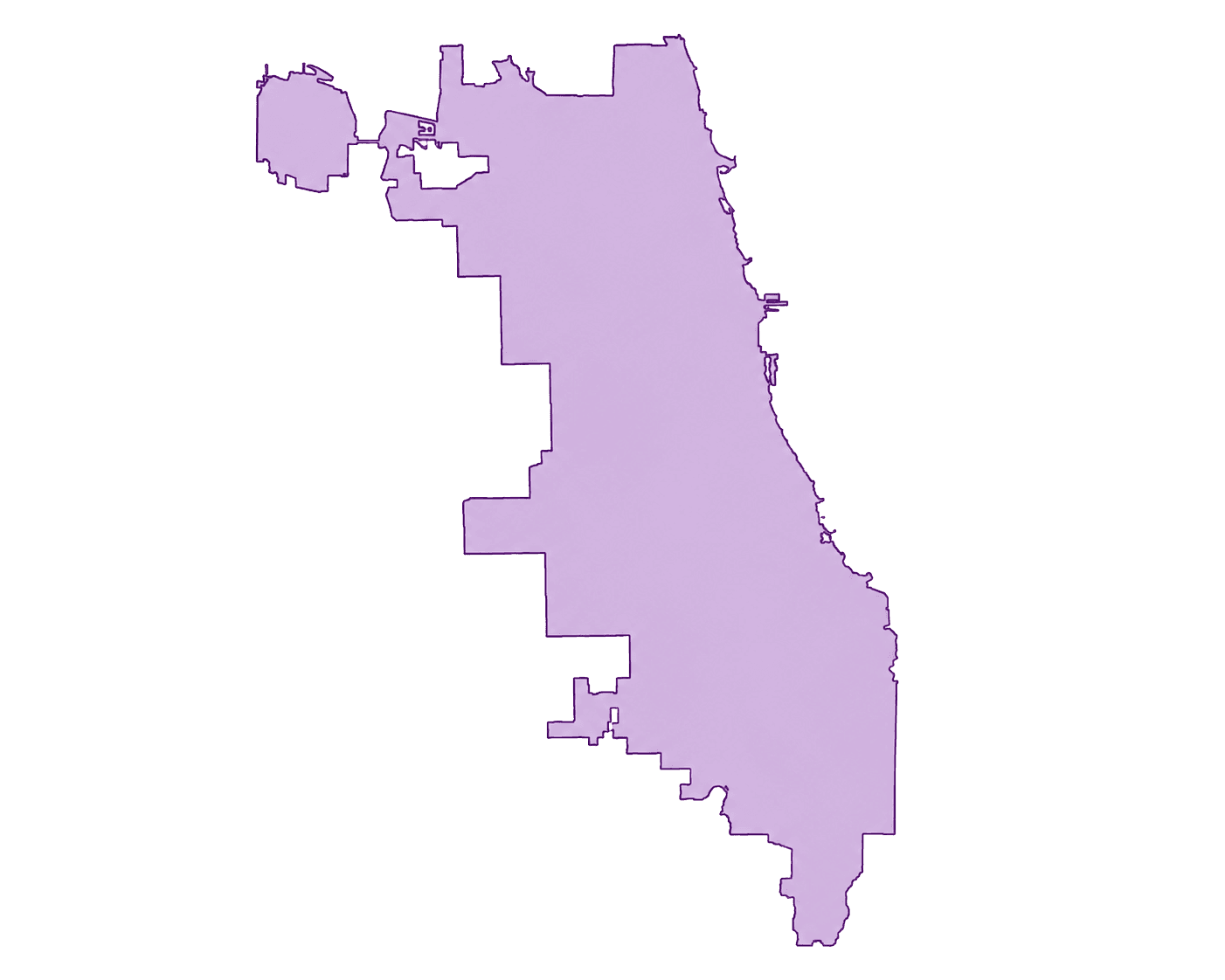
We're recruiting participants across 5 US cities. Chicago is currently active with additional cities included as the study progresses.

We're recruiting participants across 5 US cities. Chicago is currently active with additional cities included as the study progresses.

We're recruiting participants across 5 US cities. Chicago is currently active with additional cities included as the study progresses.

Image

Why is this work needed?

We know that health disparities are not caused by individual behavior alone. Rather, the social environments we experience (e.g., the connections we have to other people, the places we go, and providers we access for care) play important, yet often invisible, roles in determining our health. 


At the SILOS project, we want to improve understanding of how structural inequities (i.e., racism, homophobia) drive disparities in HIV and substance use. By measuring the specific ways these complex forces shape our lives, we hope to expand knowledge on health disparities and ultimately improve public health targets for intervention.
How will we do it?

How will we do it?

Understanding How Connections between People and Places Impact Health

To do this, our project will survey approximately 2,700 young adult racially diverse gay, bi, and other young men who have sex with men (YMSM) and trans women (TW) across five U.S. cities. The survey responses we receive will be used to test how someone’s social position determines the people and places they have access to, as well as how supportive or risky these relationships and environments are in relation to substance use and the spread of HIV.

To do this, our project will survey approximately 2,700 young adult racially diverse gay, bi, and other young men who have sex with men (YMSM) and trans women (TW) across five U.S. cities. The survey responses we receive will be used to test how someone’s social position determines the people and places they have access to, as well as how supportive or risky these relationships and environments are in relation to substance use and the spread of HIV.

Image

Understanding How Connections between People and Places Impact Health

Image

Engaging Community Voices to Guide the Project

Engaging Community Voices to Guide the Projec

This work is guided by a panel of expert Advisors based in Chicago with strong ties to the House Ball community, HIV prevention and advocacy agencies, and other organizations supporting racial, ethnic, gender, and sexual minority young adults. Each city also has its own Community Advisory Board, which reflects the racial composition of the city.

This work is guided by a panel of expert Advisors based in Chicago with strong ties to the House Ball community, HIV prevention and advocacy agencies, and other organizations supporting racial, ethnic, gender, and sexual minority young adults. Each city also has its own Community Advisory Board, which reflects the racial composition of the city.

Engaging Community Voices to Guide the Project

Using Data Collection that is Simple and Interactive

Our team developed a free and open-source software called Network Canvas to simplify network data collection for researchers and participants alike. Within the SILOS project, Network Canvas is the survey tool used to measure the connections participants have to other people in their lives, the places that are important to them, and the providers they access for care. The tool uses tactile, visual interfaces which make the survey process easy to complete and fun to interact with!

Our team developed a free and open-source software called Network Canvas to simplify network data collection for researchers and participants alike. Within the SILOS project, Network Canvas is the survey tool used to measure the connections participants have to other people in their lives, the places that are important to them, and the providers they access for care. The tool uses tactile, visual interfaces which make the survey process easy to complete and fun to interact with!

Image

Using Data Collection that is Simple and Interactive

Project Details

This research project (R01DA061247; IRB#: STU00221768) is funded by the National Institute on Drug Abuse (NIDA) of the National Institutes of Health and is led by an interdisciplinary team from Northwestern University, University of Chicago, Palo Alto University, and Penn State University spanning the fields of health disparities, simulation modeling, substance use, HIV, public health, social network analysis, and human-centered data collection methodology. The SILOS project is housed with the Center for Computational and Social Sciences in Health (COMPASS), led by PI Dr. Birkett.

This research project (R01DA061247; STU00221768) is funded by the National Institute on Drug Abuse (NIDA) of the National Institutes of Health and is led by an interdisciplinary team at Northwestern University spanning the fields of health disparities, simulation modeling, substance use, HIV, public health, social network analysis, and human-centered data collection methodology.

Our Team

Our project team comprises individuals across a variety of disciplines and specializations.

Principal Investigator
Image

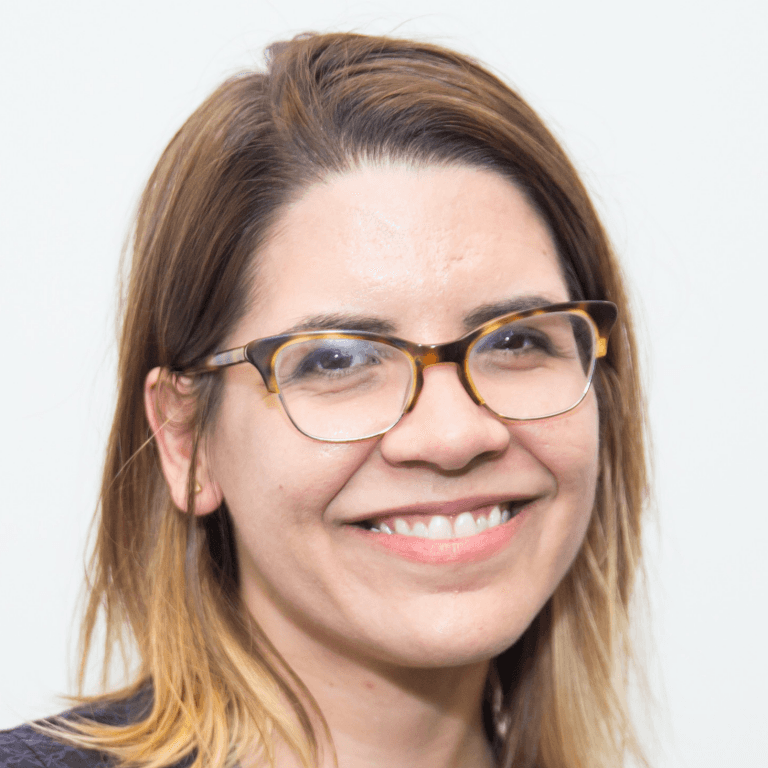
Michelle Birkett

Northwestern University

Co-Investigators
Image

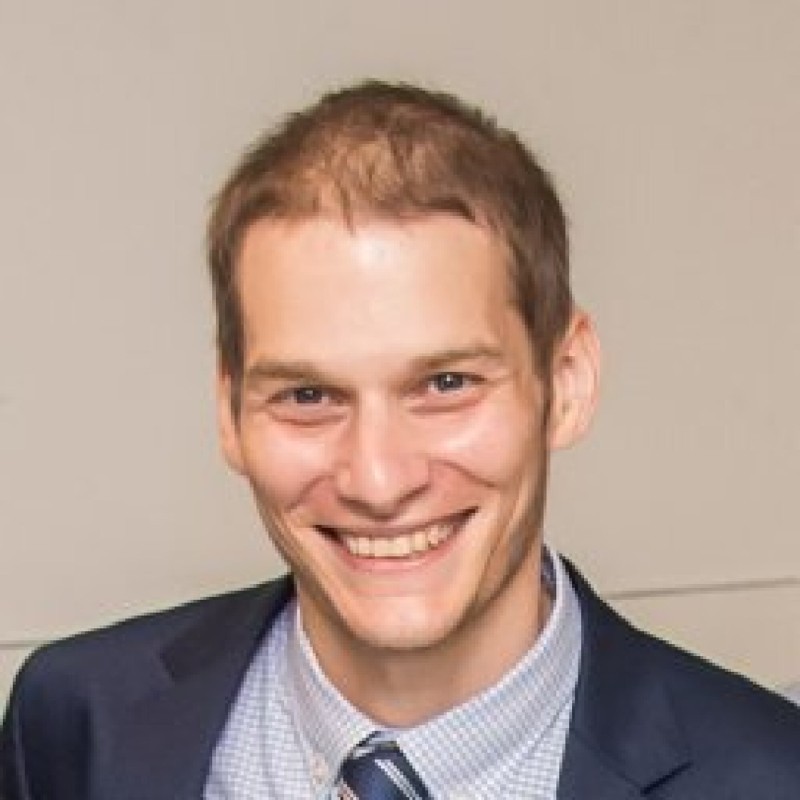
Patrick Janulis

Northwestern University

Image

Patrick Janulis

Northwestern University

Image

Tom Wolff

Northwestern University

Image

Tom Wolff

Northwestern University

Image

Kiarri Kershaw

Northwestern University

Image

Kiarri Kershaw

Northwestern University

Image

Jonathan Ozik

University of Chicago

Image

Jonathan Ozik

University of Chicago

Image

Gregory Phillips II

Northwestern University

Image

Gregory Phillips II

Northwestern University

Image

Darnell Motley

University of Chicago

Image

Darnell Motley

University of Chicago

Image

Liz McConnell

Palo Alto University

Image

Liz McConnell

Palo Alto University

Image

Katie Risher

Penn State University

Image

Katie Risher

Penn State University

Community Engagement Advisors

Image

Alonzo Brown

GoodCompany

Image

Joel Jackson

University of Chicago

Image

Daniel Mendez

EDDR Workforce Development

Image

Meghan Williams

Chicago House

Image

Meghan Williams

Chicago House

Image

Pedro Alonso Serrano

Northwestern University

Image

Pedro Alonso Serrano

Northwestern University

Community Advisory Board

Chicago

Image

Juan Martinez

Calor Chicago

Image

Rene Castillo

Calor Chicago

Image

Teddy Thomas

Taskforce Prevention and Community Services

Staff
Image

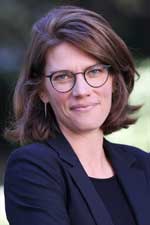
Kate Banner

Northwestern University

Image

Louis Porras

Northwestern University

Image

Ellyse Moon

University of Chicago

Image

Sammy Stoll

Northwestern University

Image

Caden Buckhalt

Northwestern University

Other Collaborators
Image

Joshua Melville

Northwestern University

Image

Joshua Stadlan

Northwestern University
Image

Sara Rimer

University of Chicago

Image

Kris Rosentel

Northwestern University

Image

Joshua Melville

Northwestern University

Image

Joshua Stadlan

Northwestern University

Interested in Getting Involved? Join us!

  • Become a CAB Member: Contribute your voice to guide our project’s community engagement efforts.

  • Collaborate with Us: Contact us for project collaboration opportunities.

Join our Study

We’d love to hear from you. Reach out to SILOS@northwestern.edu, and we’ll get back to you.
Image