

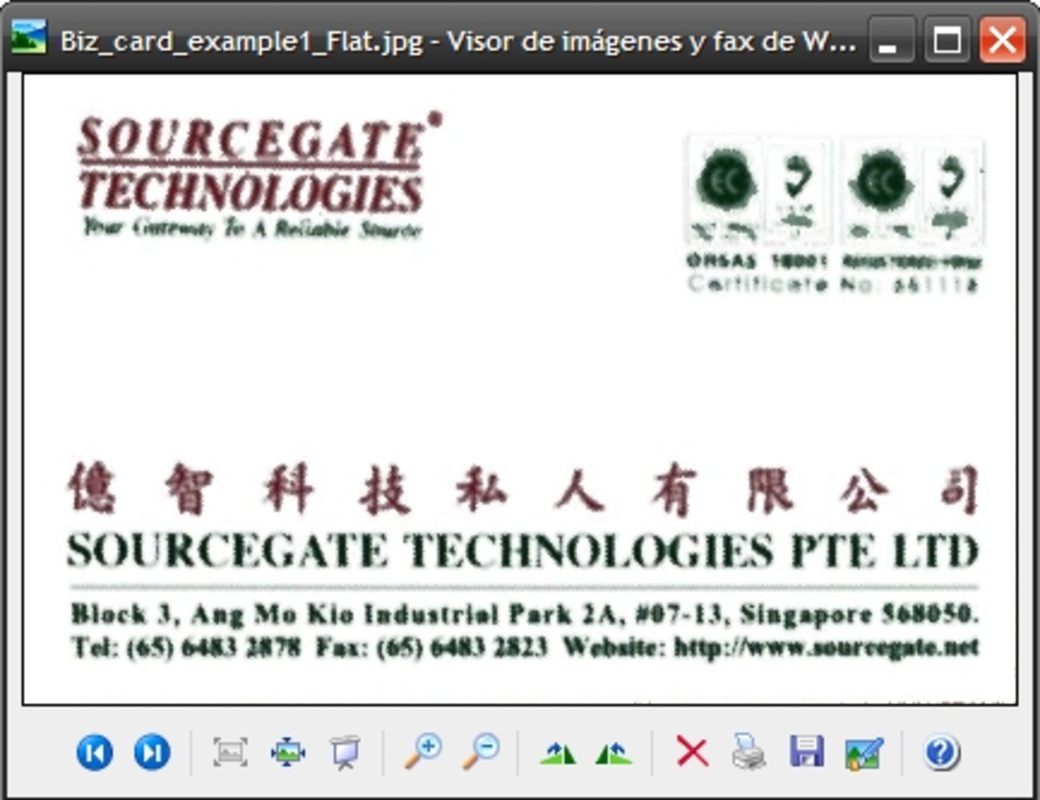


Download Snapter – document scanning, business card scanner, book page scanner, postcard scanner, digital document, mobile app
Overview
Snapter is an innovative application designed to transform the way users digitize physical documents using digital cameras. By eliminating the need for traditional scanners, Snapter streamlines the process of converting paper-based materials into high-quality digital copies. The app specializes in handling diverse document types, including business cards, book pages, and postcards, making it a versatile tool for both personal organization and professional workflows. Its core function revolves around simplifying document capture, particularly through automatic edge detection that identifies document boundaries without manual input. This feature reduces user effort and enhances efficiency, especially for individuals managing large volumes of paperwork or those unfamiliar with scanning technology. Snapter addresses common pain points such as uneven scanning angles, blurry images, and time-consuming manual adjustments, delivering clean, precise results with minimal intervention. While the developer did not provide additional background information, the app’s focus on accessibility and automation suggests a user-centric design philosophy. Real-world use cases include digitizing receipts for expense tracking, preserving archival materials, and quickly capturing contact information during networking events. In the broader app ecosystem, Snapter fills a niche for lightweight, camera-based document processing, offering a practical alternative to complex scanning suites.
Key Features & Functionality
Snapter’s functionality centers on intelligent document processing, with features tailored to enhance accuracy and user convenience. The automatic edge detection system identifies document boundaries in real time, enabling users to capture scans with minimal setup. This is particularly beneficial for scanning irregularly shaped items like postcards or book pages, where manual framing would be cumbersome. Users can customize scan quality to suit specific needs—whether prioritizing speed for quick reference or high resolution for print-ready output. The app also allows users to retain original backgrounds or replace them with solid colors, providing flexibility for different use cases such as archiving or sharing. Its versatility extends across document types, supporting business cards, magazine covers, handwritten notes, and more, making it adaptable to diverse environments. For example, a user can scan a business card at a conference, instantly saving contact details to their digital address book without retyping. Similarly, a student might digitize textbook pages for study notes, using the app’s edge detection to avoid cropping errors. The user-friendly interface ensures intuitive navigation, reducing the learning curve for non-technical users. Although the developer did not specify additional technical capabilities, the app’s core features demonstrate a focus on practicality and efficiency in everyday document management.
Feature List
- Automatic Edge Detection: Identifies document borders without manual input, ensuring precise framing and reducing post-processing time.
- Versatile Document Support: Processes business cards, book pages, postcards, and other paper-based materials with consistent quality.
- Quality Customization: Adjustable output resolution and background options (original or solid color) to meet varying user requirements.
- User-Friendly Interface: Intuitive design enables quick onboarding and seamless operation for users of all technical skill levels.
- Camera-Based Scanning: Utilizes digital cameras for high-resolution captures, eliminating dependency on physical scanners.
Interface, UX & Performance
Snapter features a clean, minimal interface optimized for straightforward document capture. The layout prioritizes functionality, with primary controls—such as the capture button and quality settings—positioned for easy access. Visual feedback during scanning helps users align documents correctly, enhancing the overall experience. Navigation is linear and predictable, guiding users from camera activation to final output with few steps. The app’s responsiveness is consistent during image capture and processing, though the developer did not list formal performance metrics. Users can expect smooth operation on devices meeting the minimum requirements, though performance may vary across older or lower-end hardware. Stability appears reliable based on the app’s core functionality, with no reported issues related to crashes or data loss in the provided information. The interface maintains clarity even when handling complex documents, ensuring users can focus on content rather than software mechanics. While the developer did not specify optimization details for different device categories, the app’s design suggests compatibility with standard computing environments. Overall, the user experience emphasizes efficiency and simplicity, aligning with the app’s goal of making document scanning accessible to all.
Platform Compatibility & Technical Requirements
Snapter requires Microsoft .NET Framework 2.0 to operate, indicating compatibility with Windows-based systems. The app is designed for desktop environments, leveraging the .NET Framework for stable execution and advanced image processing. Specific platform details such as operating system versions, file size, and hardware specifications were not disclosed by the developer. As a result, compatibility with modern Windows versions (e.g., Windows 10/11) cannot be confirmed without additional information. The app’s reliance on .NET Framework 2.0 suggests it may not run on newer systems without compatibility layers or updates, though this remains unverified. Users must ensure their system meets the .NET Framework requirement before installation. The developer did not specify minimum OS requirements or file size, so potential users should consult official sources for technical details. Despite the lack of explicit compatibility data, the app’s focus on camera-based scanning implies it functions on devices with integrated or connected digital cameras, such as laptops or desktops with webcams.
Pros and Cons
Pros
- Automatic edge detection significantly reduces manual effort and improves scan accuracy.
- Supports a wide range of document types, enhancing versatility for personal and professional use.
- Quality customization allows users to balance speed and output fidelity based on needs.
- Intuitive interface enables quick adoption, even for non-technical users.
- Eliminates dependency on physical scanners, offering a cost-effective solution.
Cons
- Requires Microsoft .NET Framework 2.0, which may limit compatibility with modern systems.
- Developer did not provide details on file size, platform requirements, or update frequency.
- Compatibility with newer operating systems remains unconfirmed.
- No information on cloud integration, batch processing, or export formats.
- Performance on low-end hardware was not disclosed.
FAQ
Is Snapter compatible with mobile devices?
The developer did not specify platform availability. The app requires Microsoft .NET Framework 2.0, which is typically used on Windows desktops, suggesting it may not be available for mobile platforms.
What are the system requirements for Snapter?
Snapter requires Microsoft .NET Framework 2.0. Specific hardware or operating system details were not provided by the developer.
Can I scan multiple documents at once?
The provided information does not mention batch scanning capabilities. The app’s focus appears to be on individual document capture with automatic edge detection.
Is Snapter free to download and use?
The price was not disclosed by the developer. Users should verify current pricing through official sources.
How often is Snapter updated?
The developer did not provide information about update frequency or release history. The app was released on January 8, 2009.
Final Thoughts
Snapter stands out as a practical solution for users seeking efficient, camera-based document scanning without the need for dedicated hardware. Its automatic edge detection and versatile support for business cards, book pages, and postcards make it a valuable tool for organizing physical documents digitally. The user-friendly interface ensures accessibility for non-technical users, while quality customization options cater to diverse needs. Although the app’s reliance on Microsoft .NET Framework 2.0 may pose compatibility challenges on modern systems, its core functionality remains relevant for those managing paper-based workflows. The lack of detailed technical specifications is a limitation, but the app’s straightforward design and focus on usability offer tangible benefits. For individuals prioritizing simplicity and cost-effectiveness in document digitization, Snapter delivers a reliable, no-frills experience. Download Snapter now to transform your paper documents into organized digital files with minimal effort.


