Artemis 2’s ride to space is at the pad to begin prelaunch tests

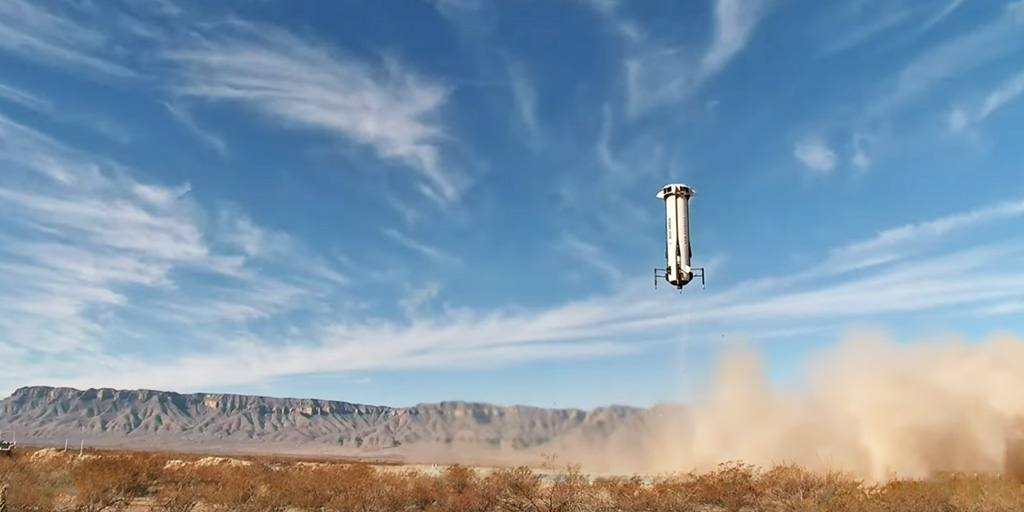
In a statement today, Blue Origin announced it was pausing all New Shepard launches for at least two years in order to shift its priorities to its lunar programs in support of national initiatives. This comes as the company has made multiple moves to bolster itself as a new player in national defense and civil space.
Expand Expanding Close
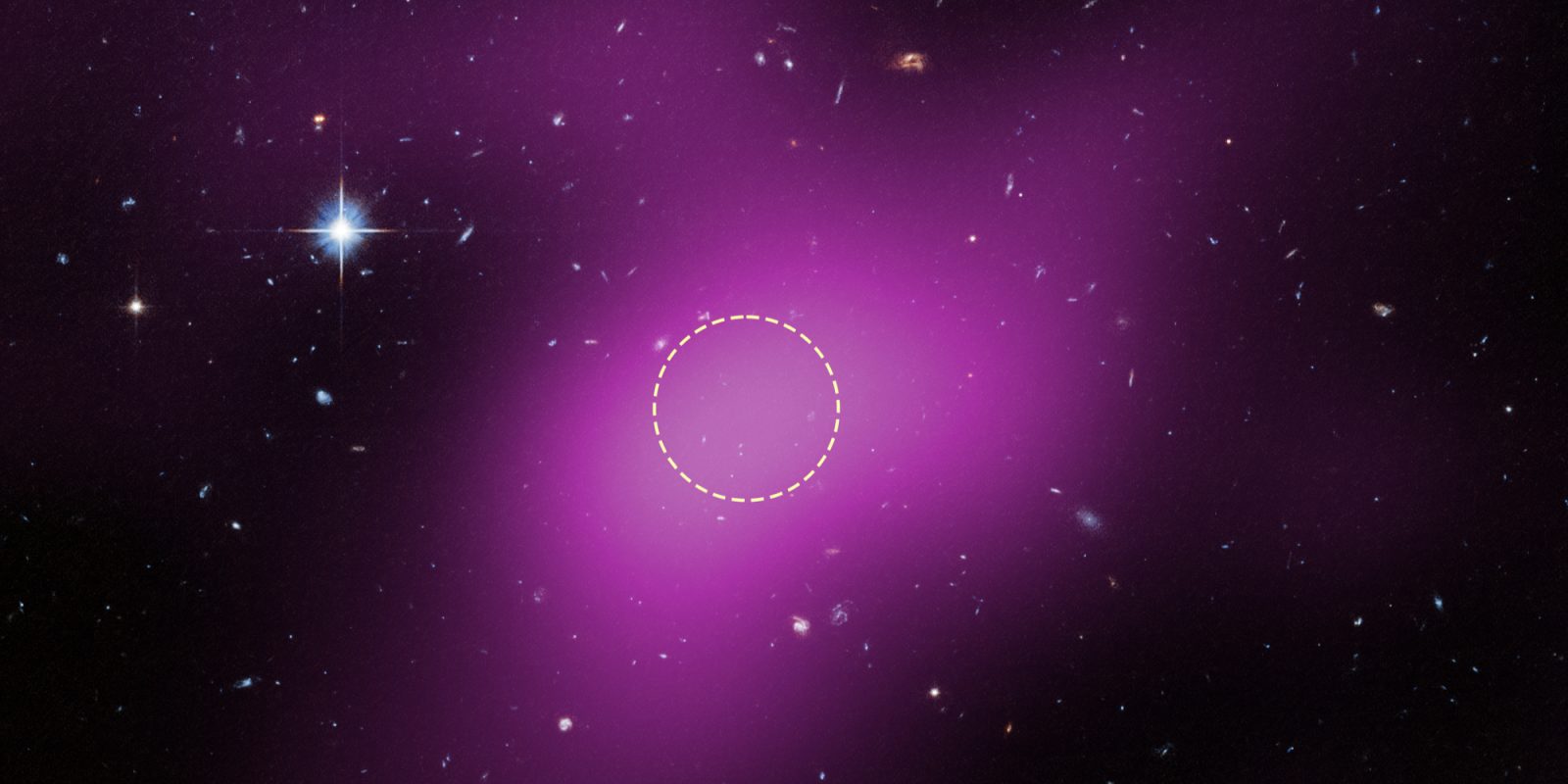
When astronomers talk about the “dark universe,” they’re usually referring to things that can’t be seen directly – dark matter, which makes up most of the universe’s mass, and the earliest stages of galaxy formation. Now, astronomers using NASA’s Hubble Space Telescope have helped confirm the existence of a rare object that connects both ideas: a starless, gas-rich structure dominated by dark matter, known as Cloud-9.
Expand Expanding Close
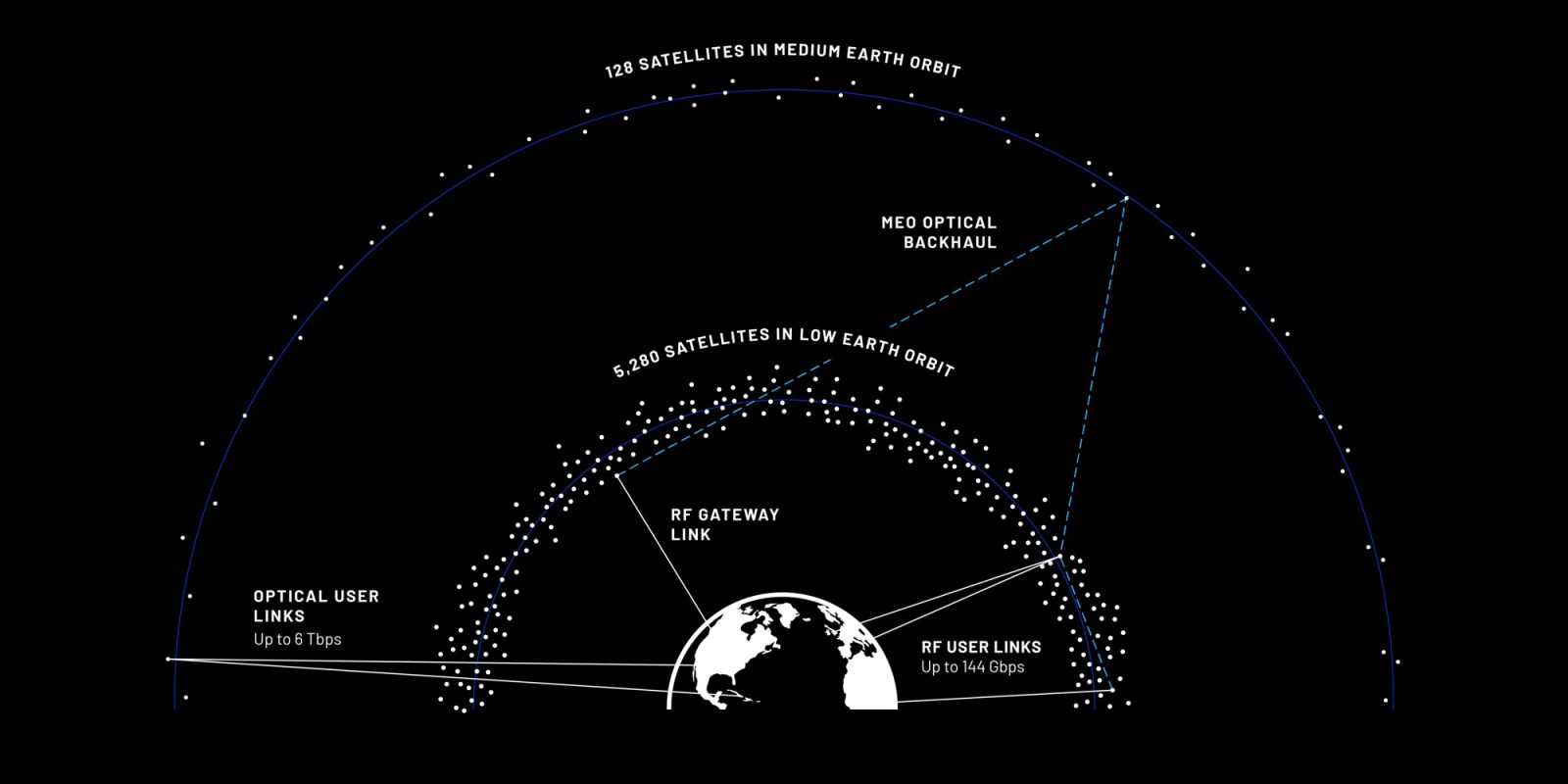
Blue Origin announced yet another project it had undertaken for its missions for space domination across all sectors. Called Terrawave, it will be a constellation of over 5,000 satellites designed to bring symmetrical, high-speed internet connections worldwide.
Expand Expanding Close
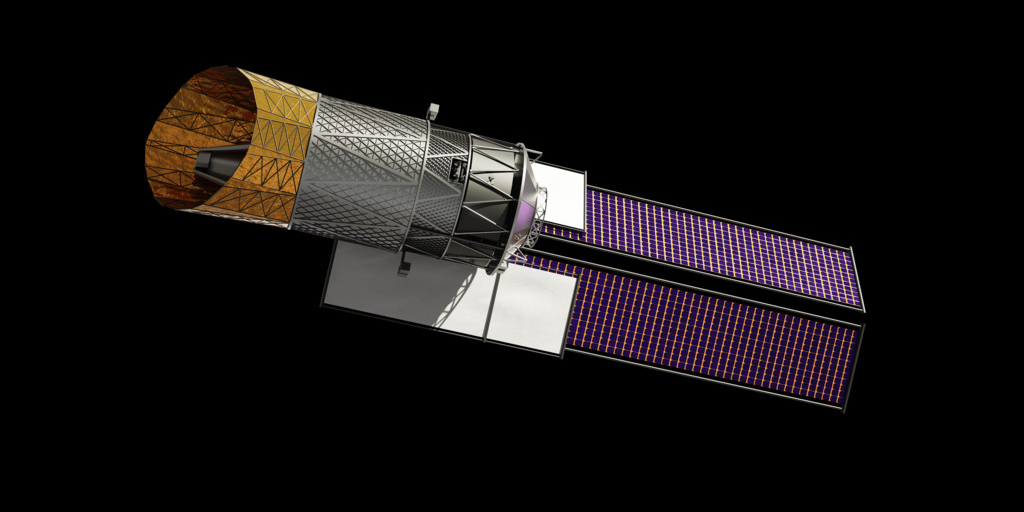
After three decades of discovering exoplanets, astronomers are turning to a harder question: which of those distant worlds might truly be capable of supporting life? NASA has taken an early step toward answering it by selecting industry partners to mature key technologies for the proposed Habitable Worlds Observatory, a next-generation space telescope designed to directly image Earth-like planets orbiting nearby stars.
Expand Expanding Close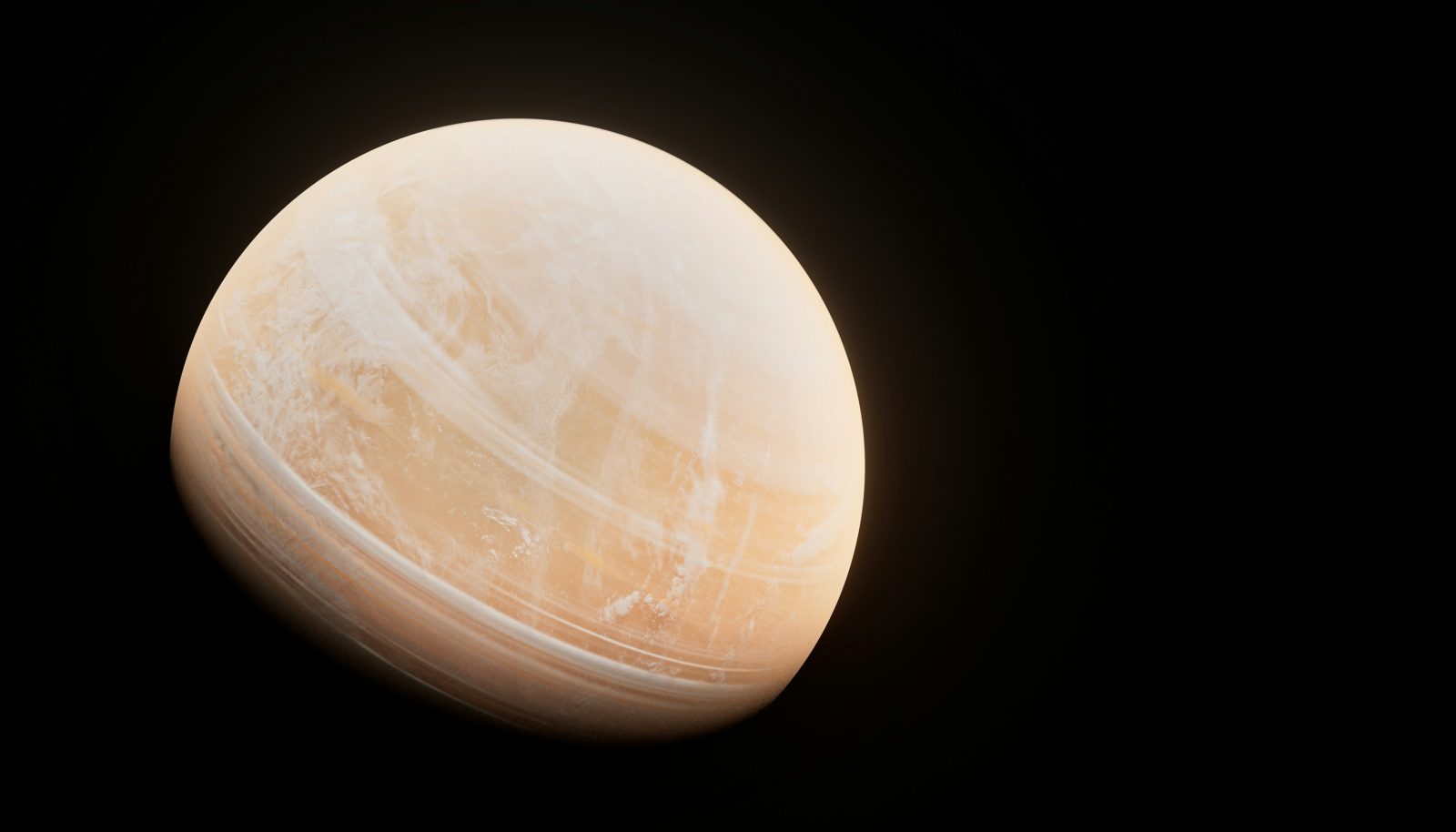

NASA estimates that the Milky Way Galaxy is home to at least 100 billion planets. Others believe it could be anywhere from 200-300 billion. Using data from exoplanet-hunting missions such as Kepler, Gaia, and now James Webb, we can identify and confirm their existence. So, how many exoplanets have been discovered?
Expand Expanding Close
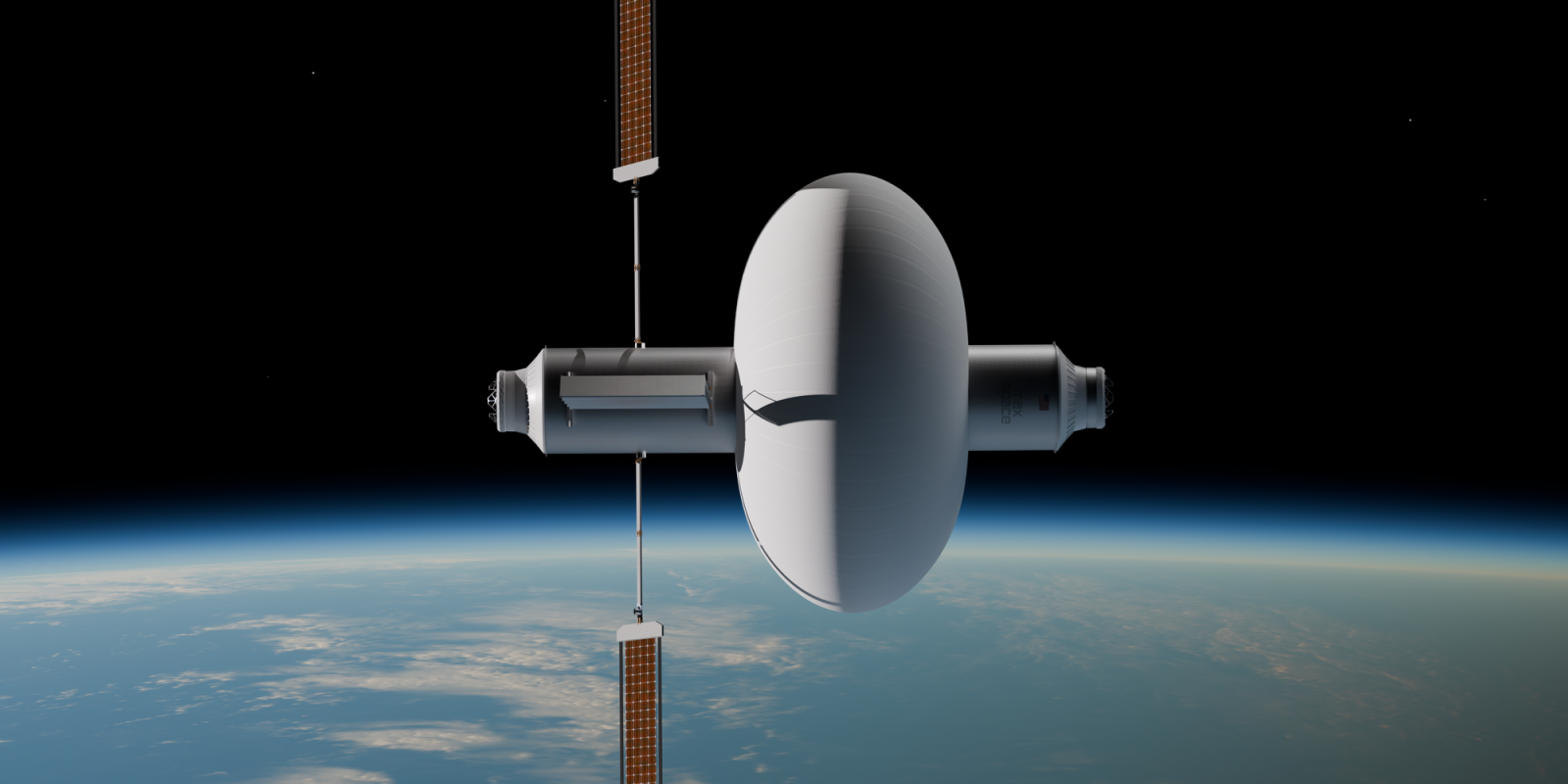
As the International Space Station approaches the end of its operational life later this decade, low Earth orbit is entering a transition that may be just as consequential as the station’s original construction. NASA has made clear that, rather than replacing the ISS with another government-owned outpost, it intends to purchase services from commercially owned space stations, freeing the agency to focus its resources on deep space exploration and the Artemis program.
Expand Expanding Close
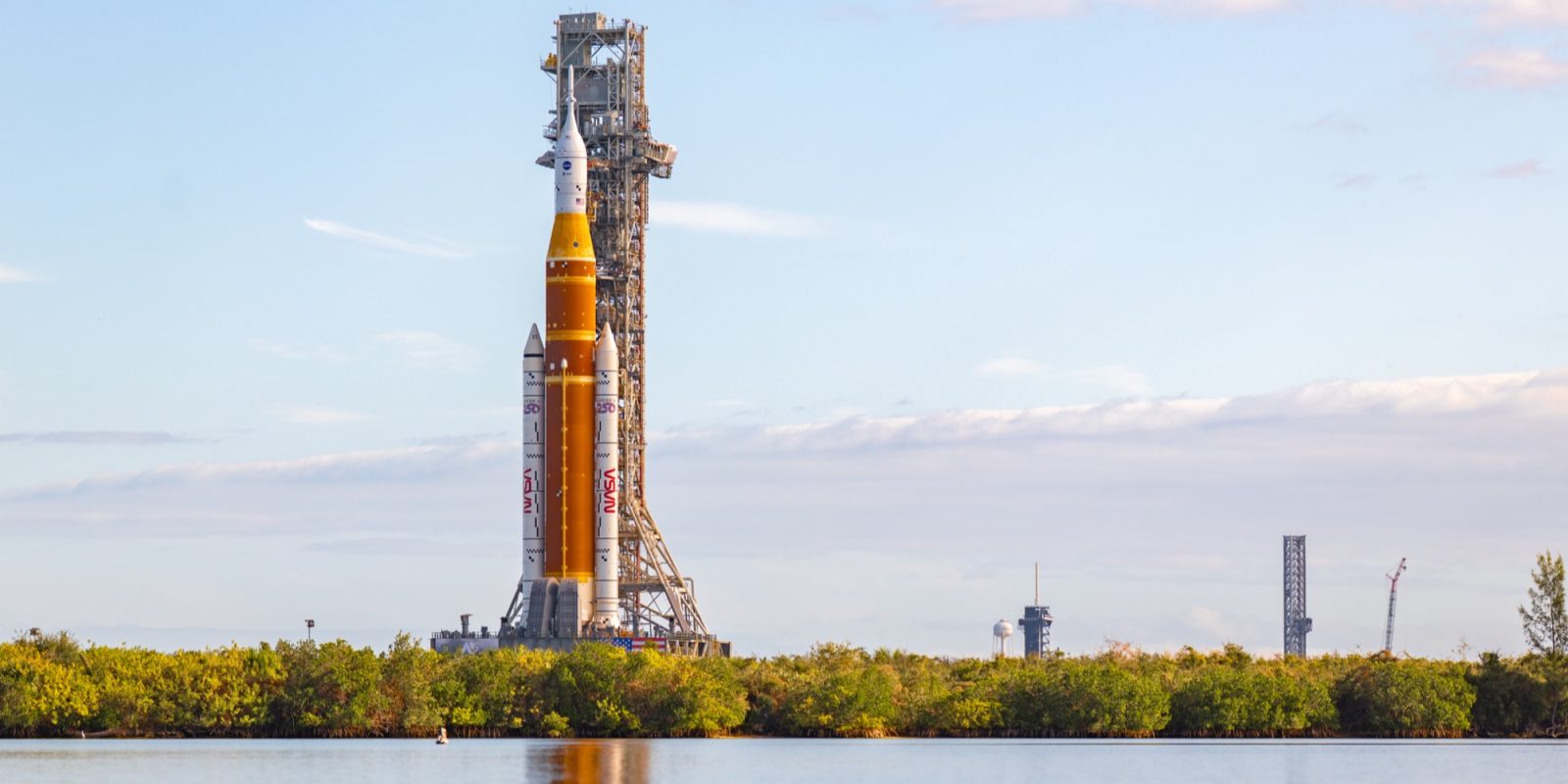
After a four-mile ride, Artemis 2‘s Space Launch System arrived at its launch site ahead of a pre-launch test that will determine when NASA’s return to human flights to the Moon can begin.
Expand Expanding Close

Early Thursday morning, the crew of SpaceX Crew-11 safely splashed down off the coast of California. The crew completed their long-duration mission on the International Space Station but had it cut short by a handful of weeks due to a crew medical concern, warranting an early return.
Expand Expanding Close

NASA shared the launch data available for its Artemis 2 mission to return astronauts to the lunar surface for the first time in over 50 years. There are a lot of stipulations regarding when Artemis 2’s SLS rocket can launch, which also means there are far fewer days than you may think.
Expand Expanding Close
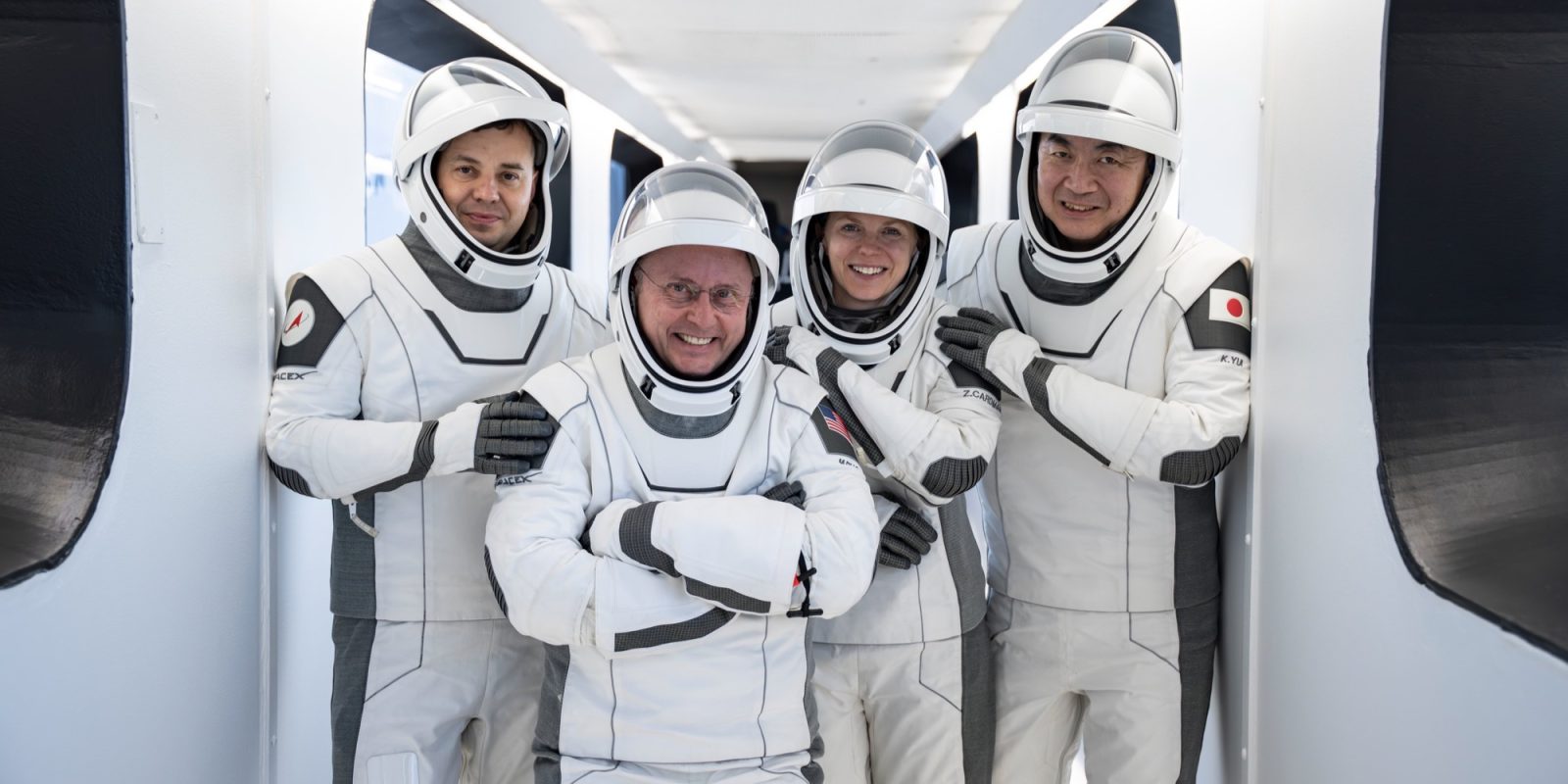
NASA announced on January 8 that it will return its SpaceX Crew-11 mission to evacuate a crew member from the ISS after he suffered a medical concern on January 7.
Expand Expanding Close
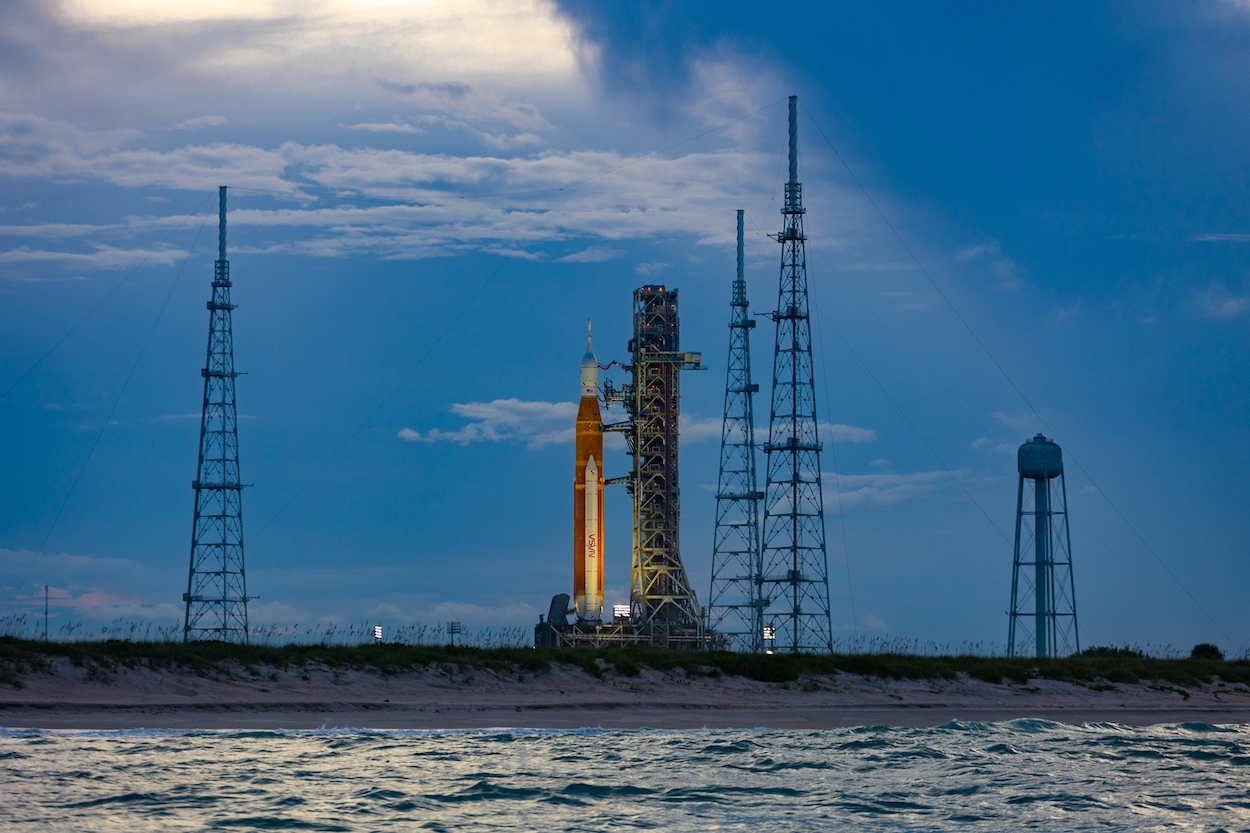
We’re getting closer and closer to the beginning of launch operations for NASA’s Artemis 2 mission around the Moon; the first crewed mission to the Moon since the 1970s. The rocket, NASA’s Space Launch System, will begin its launch readiness with its rollout to Launch Complex 39B in just a few weeks.
Expand Expanding Close
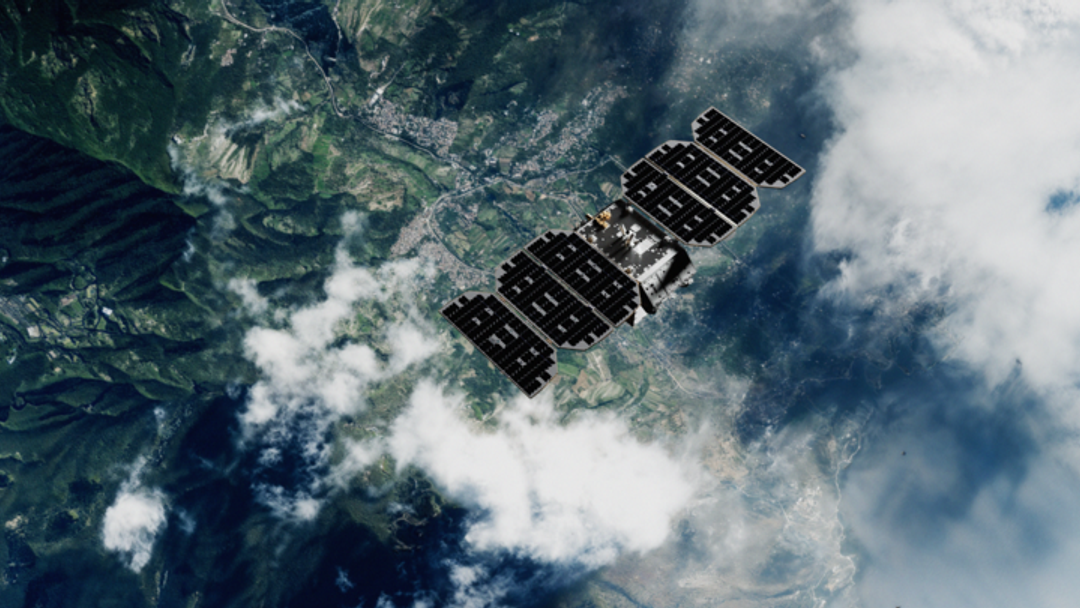
When Planet and Google confirmed their collaboration on orbital data centers, the announcement landed quietly, but its implications reach beyond a single partnership. Planet, best known for operating the world’s largest fleet of Earth-imaging satellites, is now working with Google on a research effort that examines whether computing infrastructure typically housed on Earth can function in orbit.
Expand Expanding Close
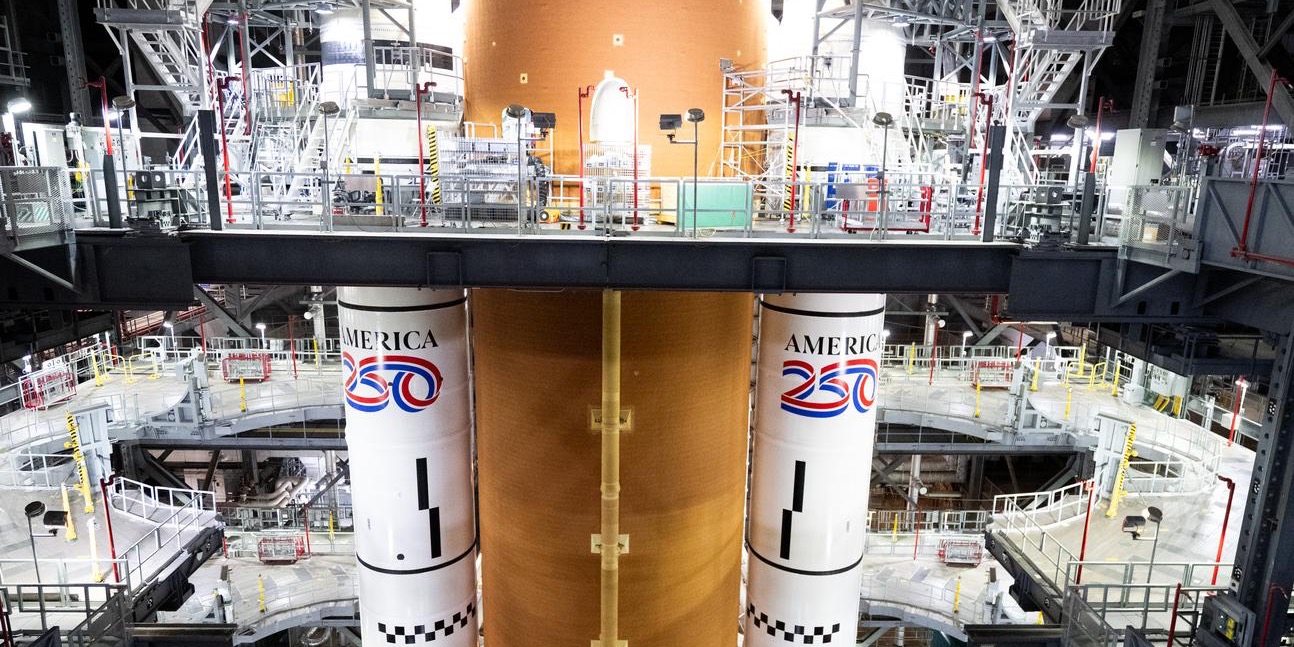
NASA’s Artemis 2 mission is getting closer and closer, being just over a month away, and that means the rocket is getting ready for launch. The Space Launch System received some special decal work for its launch in February; “America 250” can be seen in a recent NASA picture on both the rocket’s boosters.
Expand Expanding Close

In what was supposed to be a charge into the new future of lunar exploration and electric vehicles, NASA’s Artemis program has once again taken a step into the past. TechCrunch reports that the agency, alongside other government agencies, will no longer use Canoo’s EV vans for crew transport of Artemis astronauts.
Expand Expanding Close
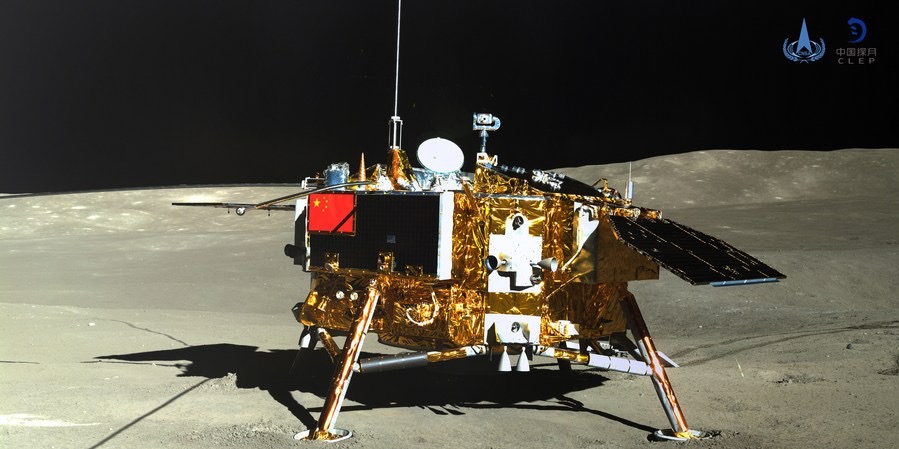
China’s upcoming Chang’e-7 mission, targeted for launch later this year, is officially framed as a scientific investigation of the Moon’s south pole. But viewed in context, it also represents a calculated step in a rapidly intensifying global race to establish long-term presence at the lunar poles, where science, technology development, and geopolitical competition increasingly intersect.
Expand Expanding Close
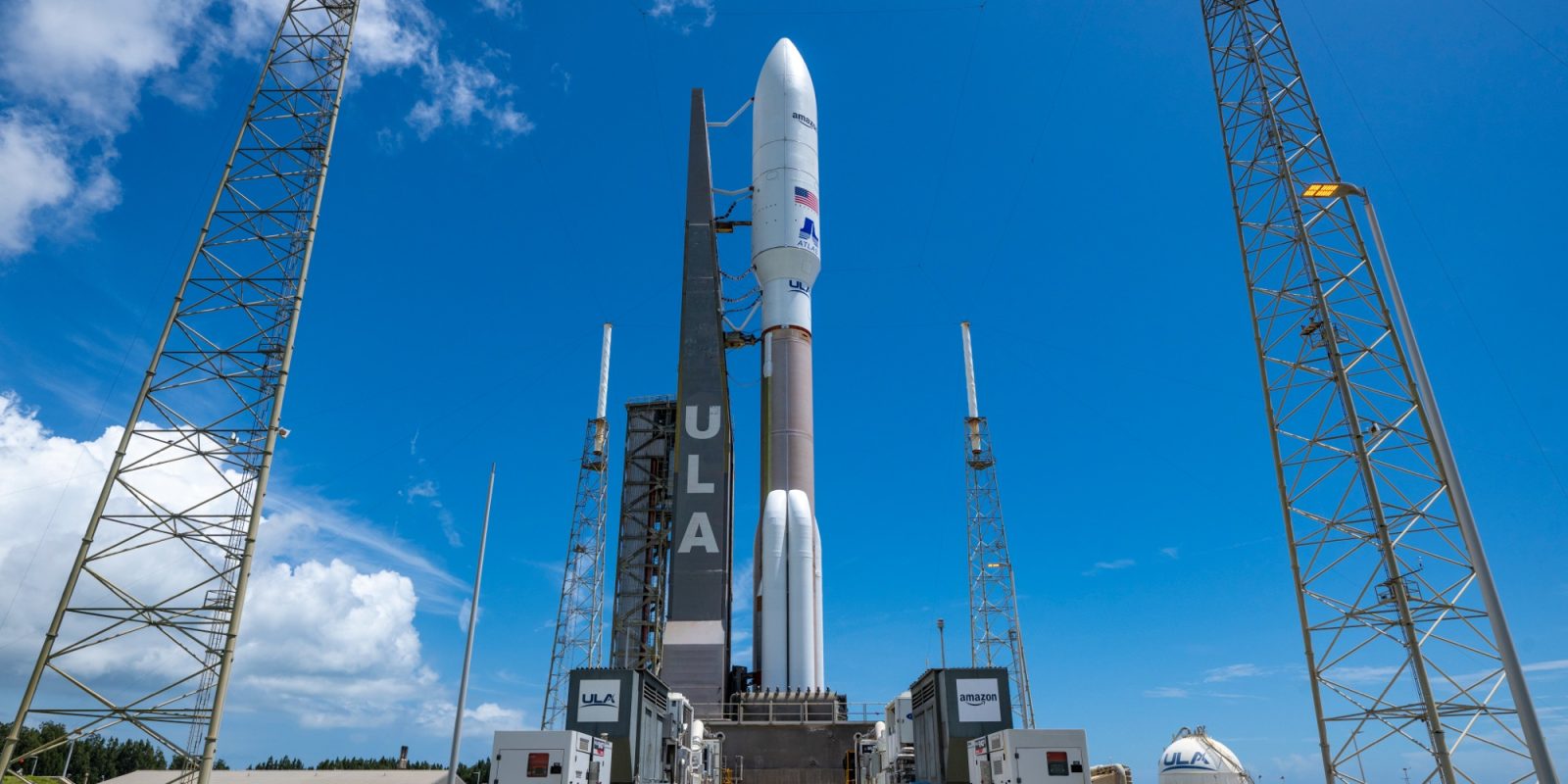
In what could be the most shocking news of 2025, Tory Bruno, long-time CEO of United Launch Alliance, resigned and joined competitor Blue Origin last month. Bruno will now head up Blue Origin’s National Security Group, a specialty of ULA that Bruno helped hone during his leadership.
Expand Expanding Close
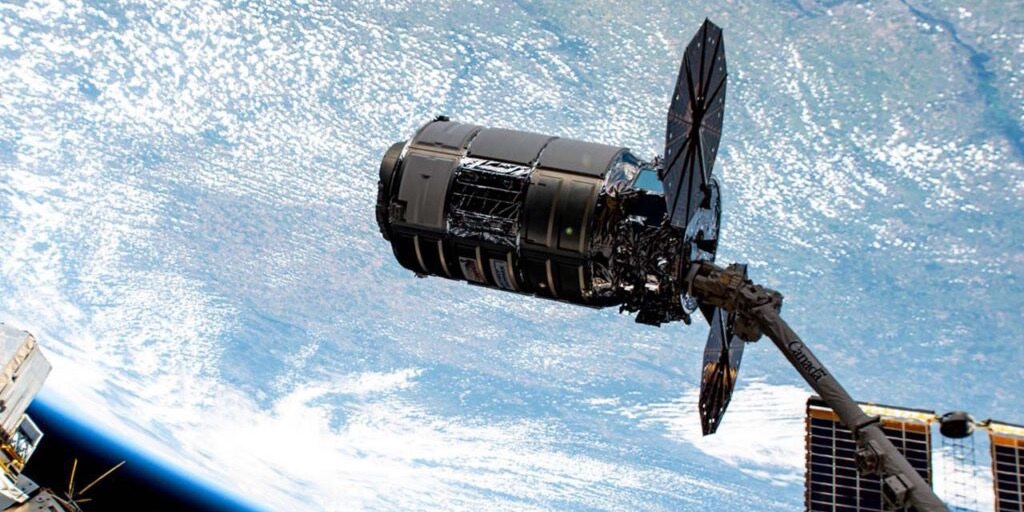
At the intersection of biotechnology and space manufacturing, LambdaVision recently closed a $7 million seed funding round to accelerate development and space-based manufacturing of its protein-based artificial retina. This injection of capital, led by Seven Seven Six and Aurelia Foundry Fund, with participation from Seraphim Space, extends the company’s operational runway into 2027 and underpins plans to scale production of next-generation vision-restoring implants in low Earth orbit.
Expand Expanding Close
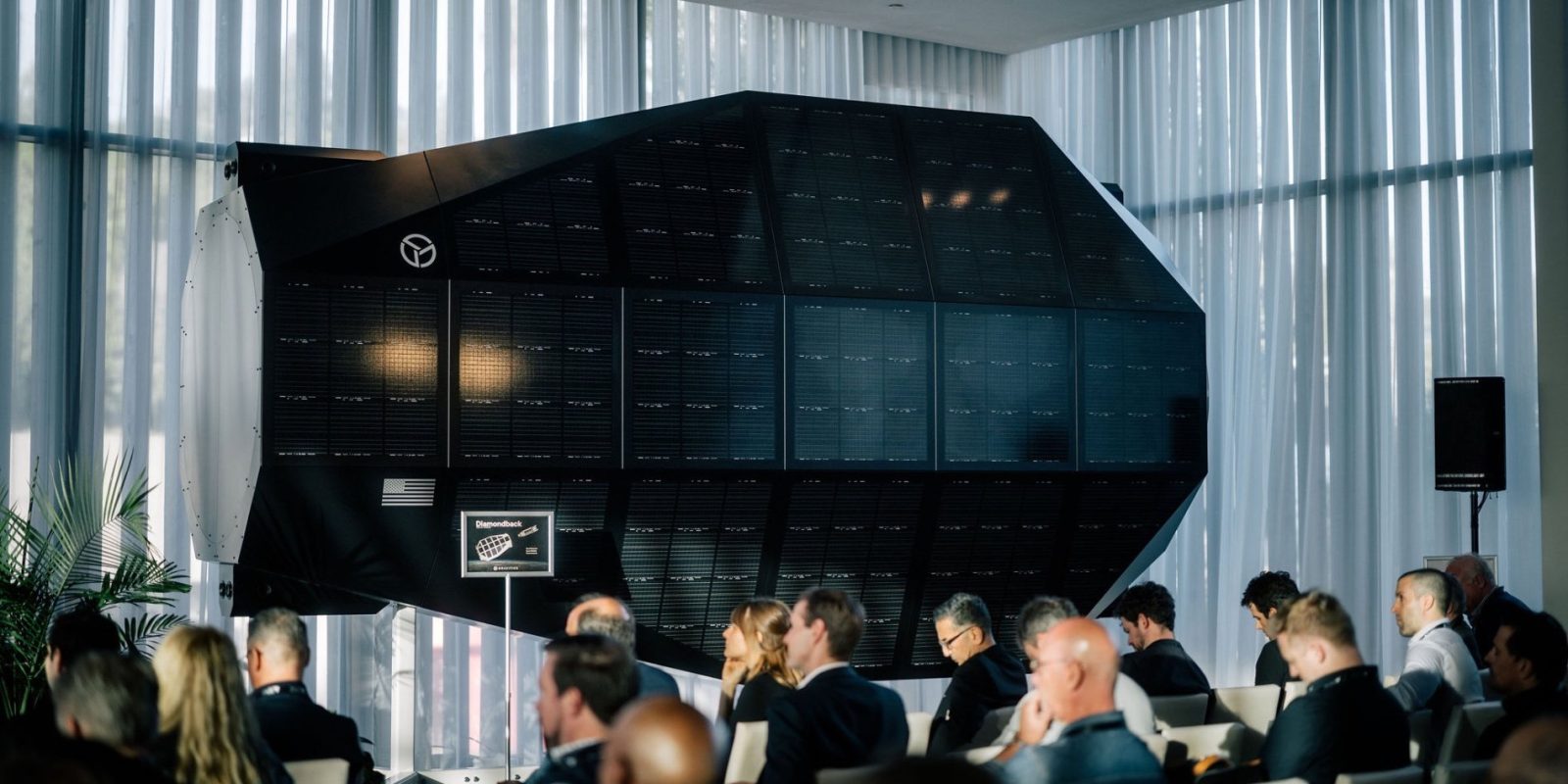
As Earth’s orbital environment becomes increasingly crowded and contested, the ability to respond rapidly in space is emerging as a critical technological challenge. Gravitics’ newly unveiled Diamondback orbital carrier introduces a novel approach to this problem, one that treats orbit not as a destination, but as an operational domain requiring persistent infrastructure.
Expand Expanding Close
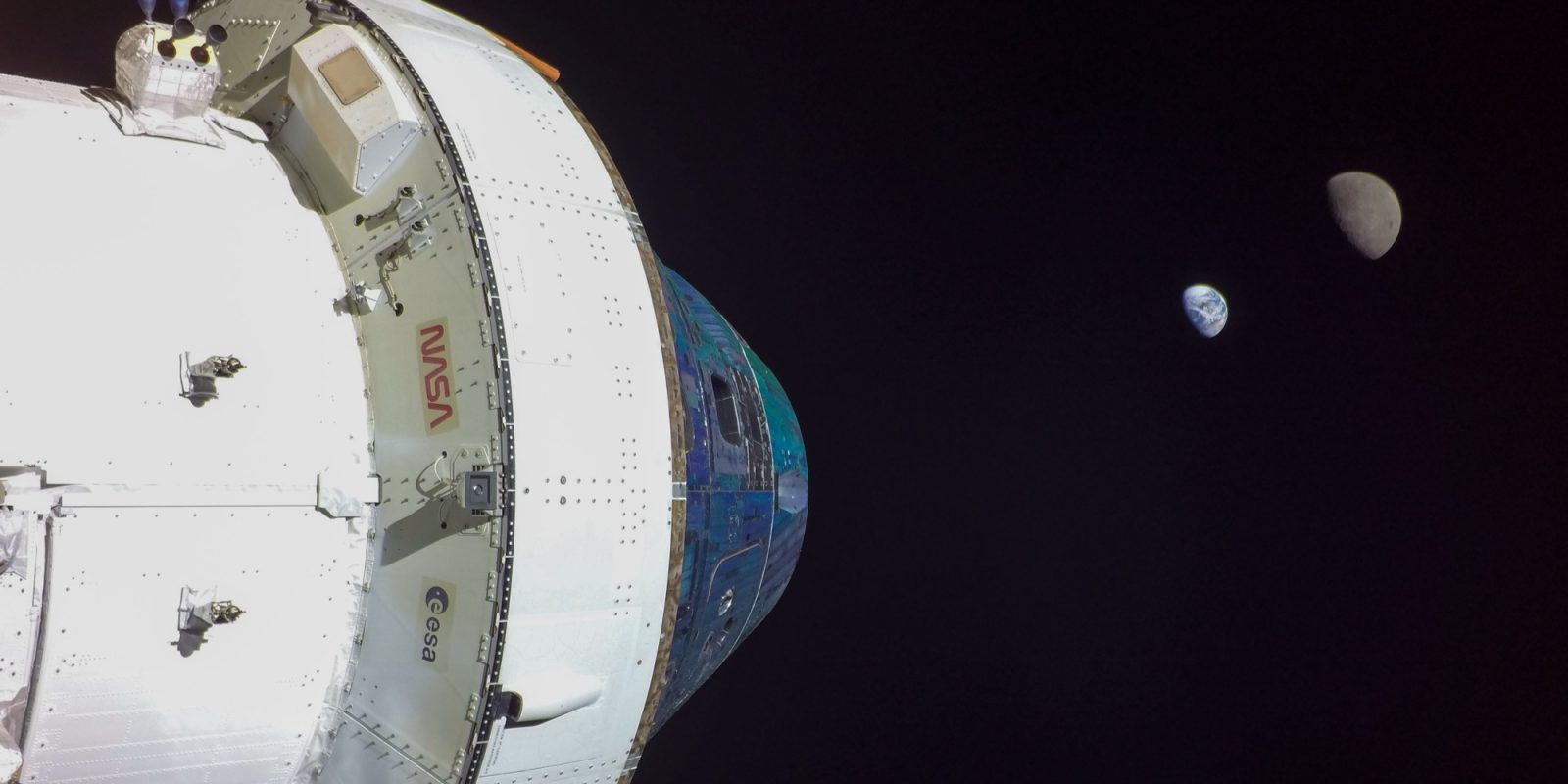
While robotic missions like China’s upcoming Chang’e-7 are expected to map resources and test technologies at the Moon’s south pole, NASA’s Artemis 2 mission represents a different but equally critical pillar of the modern lunar race: the return of humans to deep space beyond low Earth orbit. Scheduled for launch no earlier than February 6, 2026, Artemis 2 will be the first crewed mission of the Artemis program and the first human journey beyond Earth orbit since Apollo 17 in 1972.
Expand Expanding Close
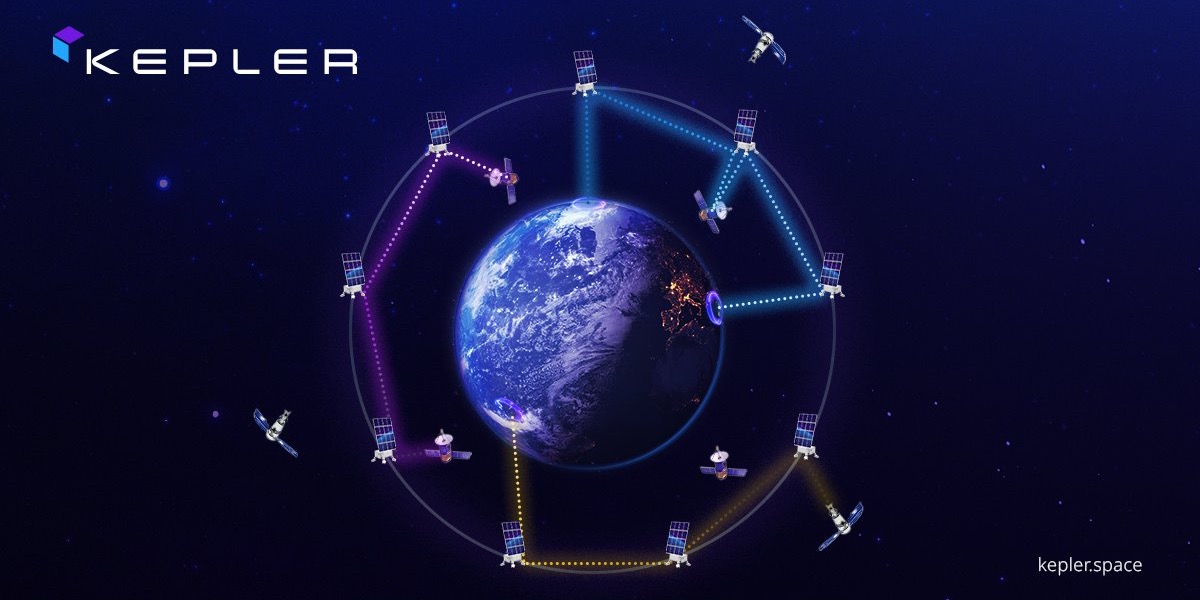
A new phrase has been quietly circulating through space-industry discussions over the past year: Orbital data centers. The idea sounds futuristic – server farms in orbit – but it is gaining attention for a very practical reason. Space is producing more data than Earth can efficiently handle.
Expand Expanding Close
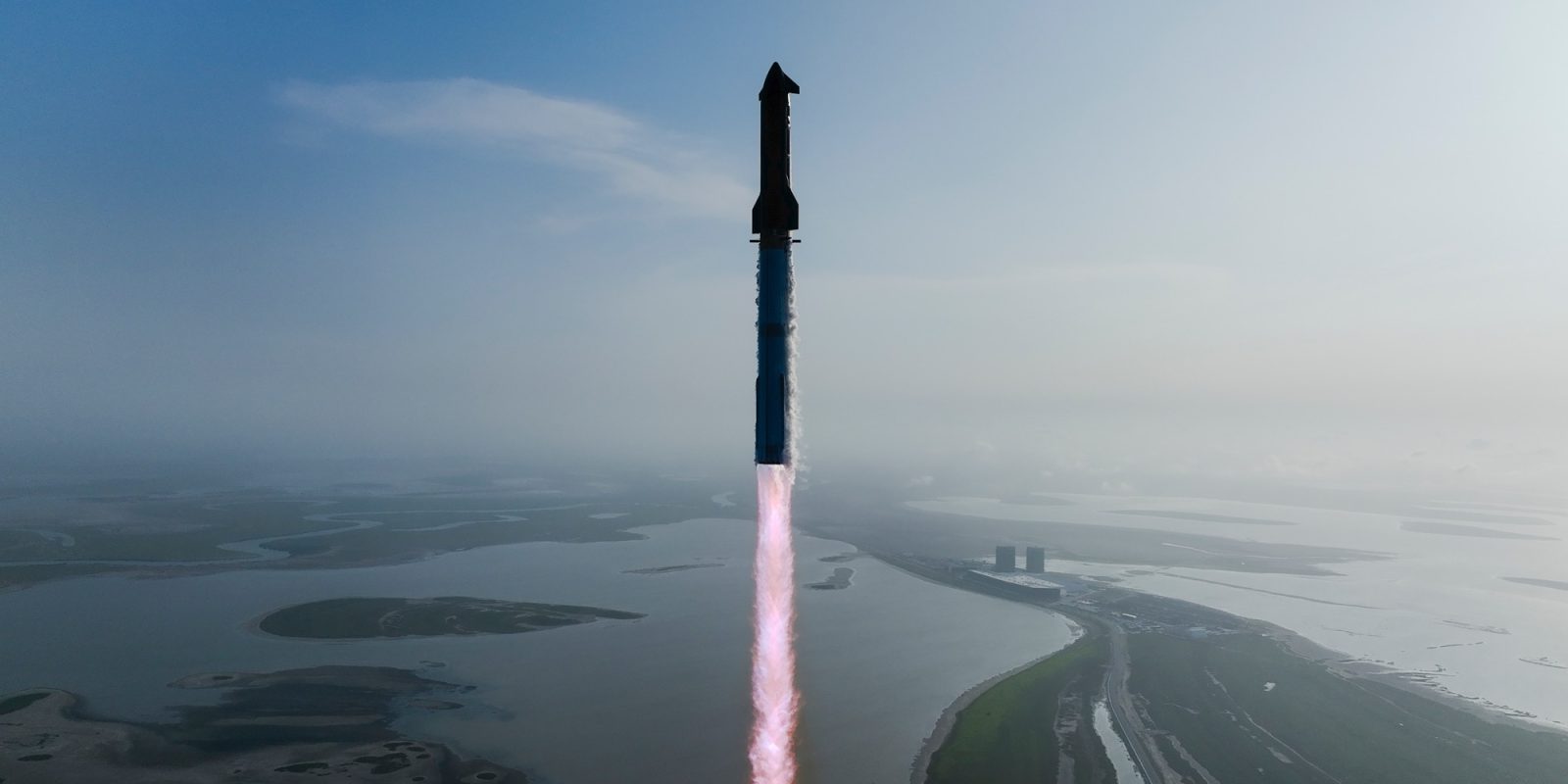
No spacecraft returns from orbit the way a commercial airplane descends: all spacecraft returning from orbit must endure a fiery atmospheric reentry, where the atmosphere behaves less like air and more like a blazing barrier of compressed plasma. Spacecraft must meet it with blunt shapes, heat-resistant materials, and aerodynamics designed not for elegance, but for survival during their unpowered descent.
Expand Expanding Close

In what was very much a not-normal confirmation process, today marks day one of Jared Isaacman‘s tenure as NASA Administrator. The billionaire and commercial astronaut will now be able to take over the reins and begin managing the largest space agency in the world.
Expand Expanding Close
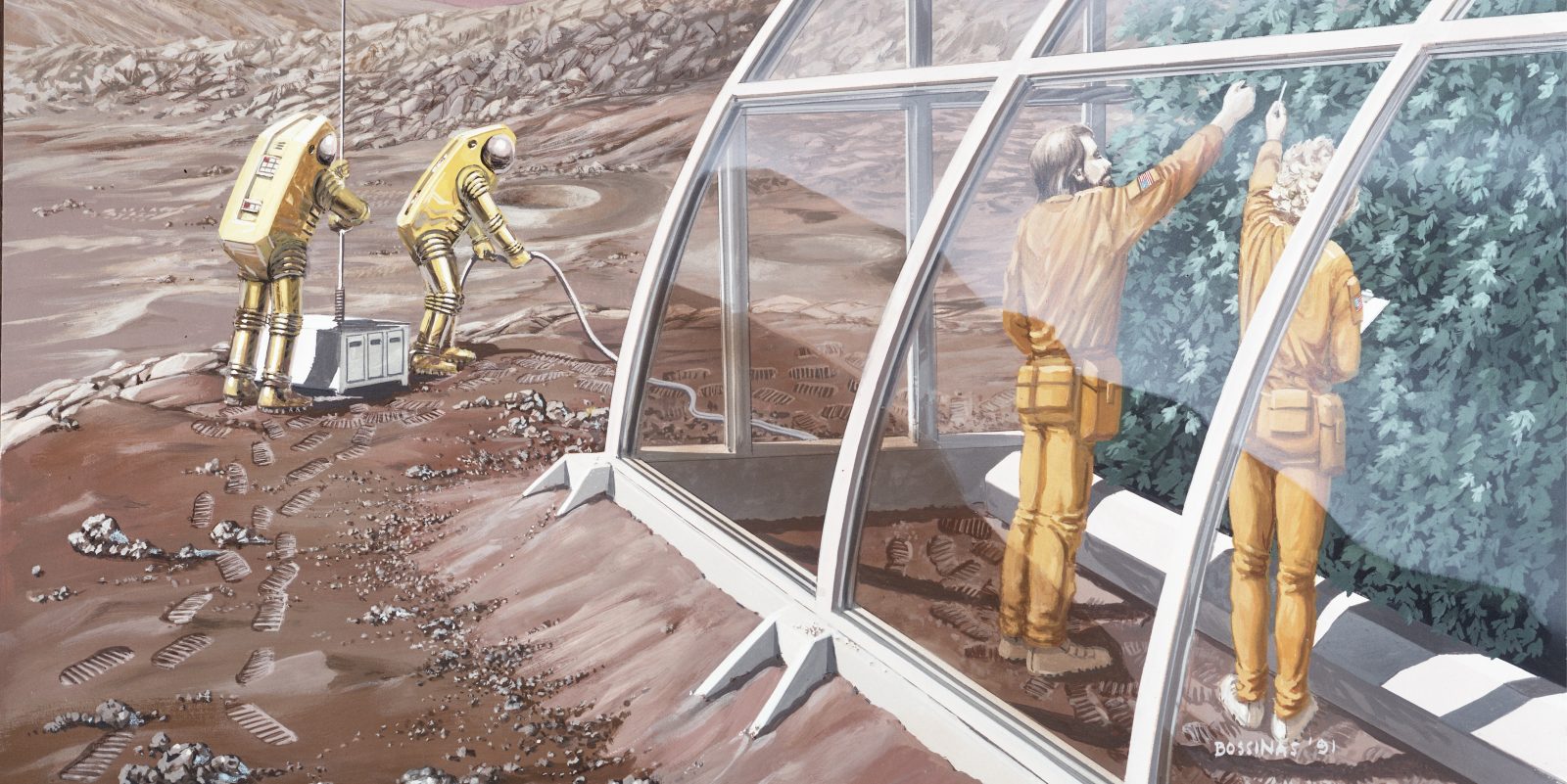
As humans prepare to build long-term bases on the Moon and eventually on Mars, most attention naturally focuses on rockets, habitats, and life-support systems. Yet some of the most valuable partners in creating sustainable worlds beyond Earth may be among the smallest creatures we know: insects. Though they cannot play any ecological role aboard the International Space Station, they may become essential to agriculture and recycling in future off-world settlements.
Expand Expanding Close
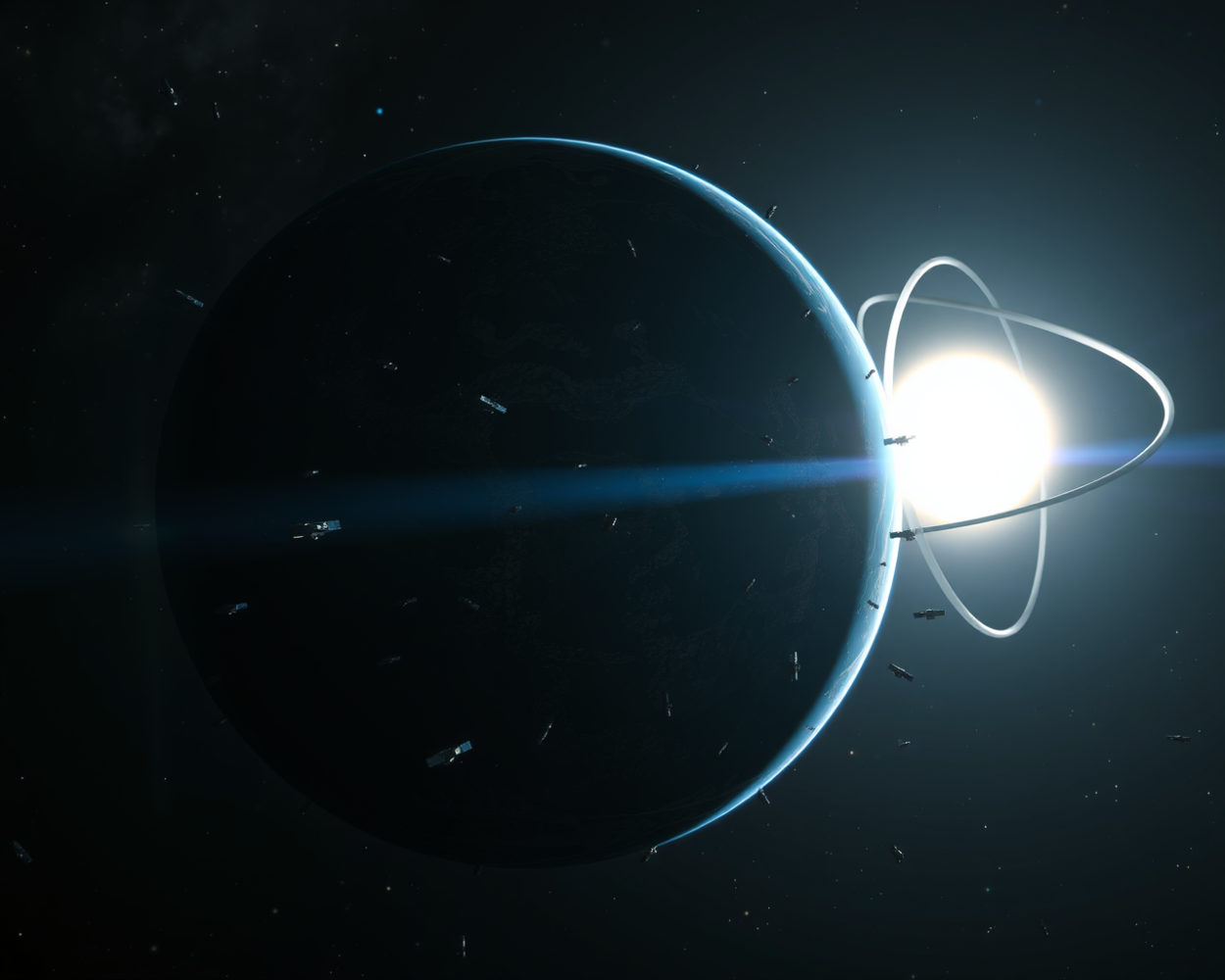
Saturday, Elon Musk made a long post to his social media site, X, discussing a future where AI computation is moved to satellites for quicker relays. In it, he mentioned the upgrade to a “Kardashev II civilization.” What is a type II civilization?
Expand Expanding Close