
Download TaskDock – center taskbar, Windows 7, Mac OS X Dock, taskbar customization, desktop organization
Overview
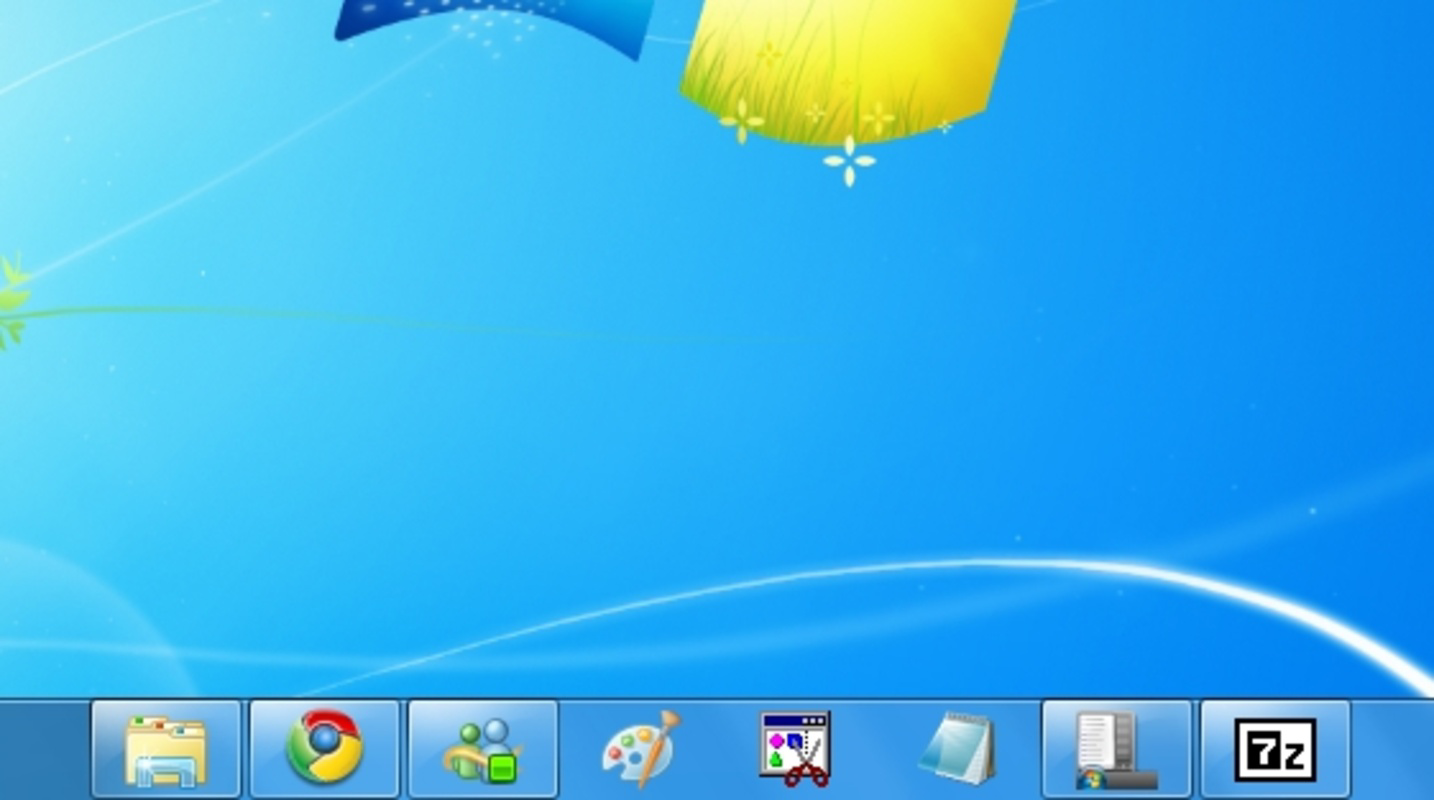
TaskDock is a lightweight utility designed for Windows 7 users seeking to enhance their desktop experience through taskbar customization. The app’s primary purpose is to center application icons on the taskbar, offering a visual layout reminiscent of the Mac OS X Dock. This transformation provides a modern aesthetic that appeals to users who value clean, organized workspaces. TaskDock addresses the inherent rigidity of the default Windows taskbar by introducing flexibility in icon arrangement, enabling users to personalize their interface without altering core system functions.
The target audience includes desktop enthusiasts, productivity-focused individuals, and users who appreciate visual consistency across operating systems. By mimicking the centered dock layout of macOS, TaskDock bridges a design gap for Windows users who prefer a more streamlined interface. Its functionality is particularly relevant in a pre-Modern UI era, where Windows 7 offered limited customization options for the taskbar. The app fills a niche by providing a simple, non-invasive solution to a longstanding user request.
Although the developer background is not fully disclosed, the app’s release date of March 29, 2010, places it within the early adoption phase of Windows 7. This timing suggests it was developed to meet growing demand for interface personalization. Real-world use cases include daily workflow optimization, aesthetic refinement of workstations, and creating a more intuitive navigation experience. In the broader app ecosystem, TaskDock remains a notable example of a utility that delivers targeted value without overcomplicating the user experience.
Key Features & Functionality
- Center Your Icons: TaskDock enables users to center application icons on the Windows 7 taskbar, replicating the Mac OS X Dock layout. This feature enhances visual symmetry and provides a cleaner, more modern appearance.
- User-Friendly System Tray Access: The app integrates seamlessly into the system tray, allowing users to toggle functionality with a single click. This design minimizes interface clutter and maintains workflow continuity.
- Revert With Ease: Closing the application from the system tray restores the original taskbar configuration instantly. This non-destructive approach allows users to experiment with layouts without risk.
- Customizable Icon Arrangement: Users can drag a green arrow to reposition the center point of the taskbar, adjusting the layout to match personal preferences. This drag-and-drop mechanism supports intuitive customization.
- Non-Traditional Yet Effective: TaskDock introduces a feature not natively available in Windows 7, offering a unique solution for users seeking alternative interface designs. Its effectiveness lies in simplicity and reliability.
For example, a graphic designer using multiple tools may benefit from a centered taskbar that reduces visual noise and improves focus. Similarly, a student managing several applications during study sessions can use TaskDock to create a more organized workspace. The ability to revert changes ensures that users can test layouts without long-term commitment. Each feature is designed to support both aesthetic and functional goals, making TaskDock a practical tool for interface refinement.
Interface, UX & Performance
TaskDock features a minimalistic interface that prioritizes functionality over visual complexity. The primary interaction occurs through a system tray icon, which provides access to the app’s core features. The green arrow indicator allows users to reposition the center point of the taskbar with a simple drag-and-drop action. This design supports intuitive navigation and reduces the learning curve for new users.
Navigation is streamlined, with no complex menus or settings panels. The app operates in the background, consuming minimal system resources. Although the developer did not list formal performance metrics, the 2.3 MB file size suggests a lightweight footprint. The app is likely stable on systems running Windows 7 with standard hardware configurations.
Responsiveness is consistent with its design philosophy—quick to activate and responsive to user input. Stability is maintained through a non-invasive approach; the app does not modify system files or registry entries. This ensures compatibility with standard Windows 7 installations and reduces the risk of conflicts. Users can expect smooth operation across different device categories, including desktops and laptops, provided they meet the OS requirements.
Platform Compatibility & Technical Requirements
TaskDock is designed for the Windows platform and is compatible with Windows 7. The app’s software version is 1.0.0, with a file size of 2.3 MB. It is available at no cost, making it accessible to a broad user base. The developer did not specify minimum OS requirements beyond Windows 7, nor did they provide details on CPU, RAM, or graphics support.
Compatibility information was not fully disclosed, so users should ensure their system meets the general standards for Windows 7 operation. The app does not require administrative privileges to install or run, which enhances accessibility. While no updates have been reported since its 2010 release, the app remains functional on supported systems. Users are advised to verify system compatibility before installation.
Pros and Cons
- Simple, intuitive interface with minimal learning curve
- Effective centering of taskbar icons for a Mac OS X Dock-like experience
- Non-destructive changes—easy to revert to original settings
- Lightweight at 2.3 MB, low resource usage
- Free to download and use
- Only compatible with Windows 7, limiting broader usability
- No recent updates since 2010, raising concerns about long-term support
- Developer details not publicly available
- Limited customization beyond icon centering
- No official documentation or user guides provided
FAQ
Is TaskDock safe to download and install?
Yes, TaskDock is free and does not require administrative privileges. It operates without modifying core system files, reducing the risk of instability. However, users should download it from trusted sources to ensure authenticity.
Can I use TaskDock on Windows 10 or later?
The app was designed for Windows 7 and may not be compatible with newer versions of Windows. The developer did not provide information on support for Windows 10 or later.
How do I revert to the original taskbar layout?
Simply close the TaskDock application from the system tray. This action restores the default taskbar configuration instantly.
Does TaskDock require an internet connection?
No, TaskDock operates offline. It does not require internet access to function after installation.
Is there a mobile version of TaskDock?
TaskDock is a desktop utility for Windows 7 and is not available on mobile platforms such as Android or iOS.
Final Thoughts + CTA
TaskDock stands as a testament to the power of focused, user-centric design. Though released over a decade ago, it continues to serve its purpose with precision and elegance. For Windows 7 users seeking a more visually balanced taskbar, it offers a reliable, no-frills solution that mirrors the Mac OS X Dock experience. Its lightweight nature, ease of use, and reversible changes make it a valuable tool for desktop customization.
While the lack of recent updates and limited platform support are notable drawbacks, the app remains functional and secure for its intended audience. It is particularly beneficial for users who value aesthetics and workflow efficiency without the complexity of advanced utilities.
Download TaskDock now to transform your Windows 7 taskbar into a sleek, centered dock—perfect for a cleaner, more modern workspace.


