Helping students become confident online researchers is more important than ever – but it doesn’t have to be overwhelming. In upper elementary classrooms, teaching kid-friendly research skills can set students up for academic success and help them safely explore the topics they’re curious about, especially in science.
That’s why I created the Online Kid-Friendly Science Research Guide, a free resource packed with tools, tips, and printable materials to make online research easier and safer for students – and stress-free for you.

Teach Students to Research Effectively and Responsibly
Before students can dive into projects, they need a solid foundation in how to search for information online. Here’s what to focus on:
Start with Search Basics
Search engines are powerful tools – but students need to learn how to use them wisely.
- Teach keyword basics. Have students start with specific terms rather than typing full questions. For example, “desert biome animals” works better than “what animals live in the desert.”
- Practice scanning results. Help students spot the difference between ads, sponsored links, and organic results.
Use a Research Log
Encourage students to track the keywords they use and note which ones lead to useful results. This reinforces trial-and-error thinking and builds metacognition around their research process.
Promote Internet Safety in the Classroom
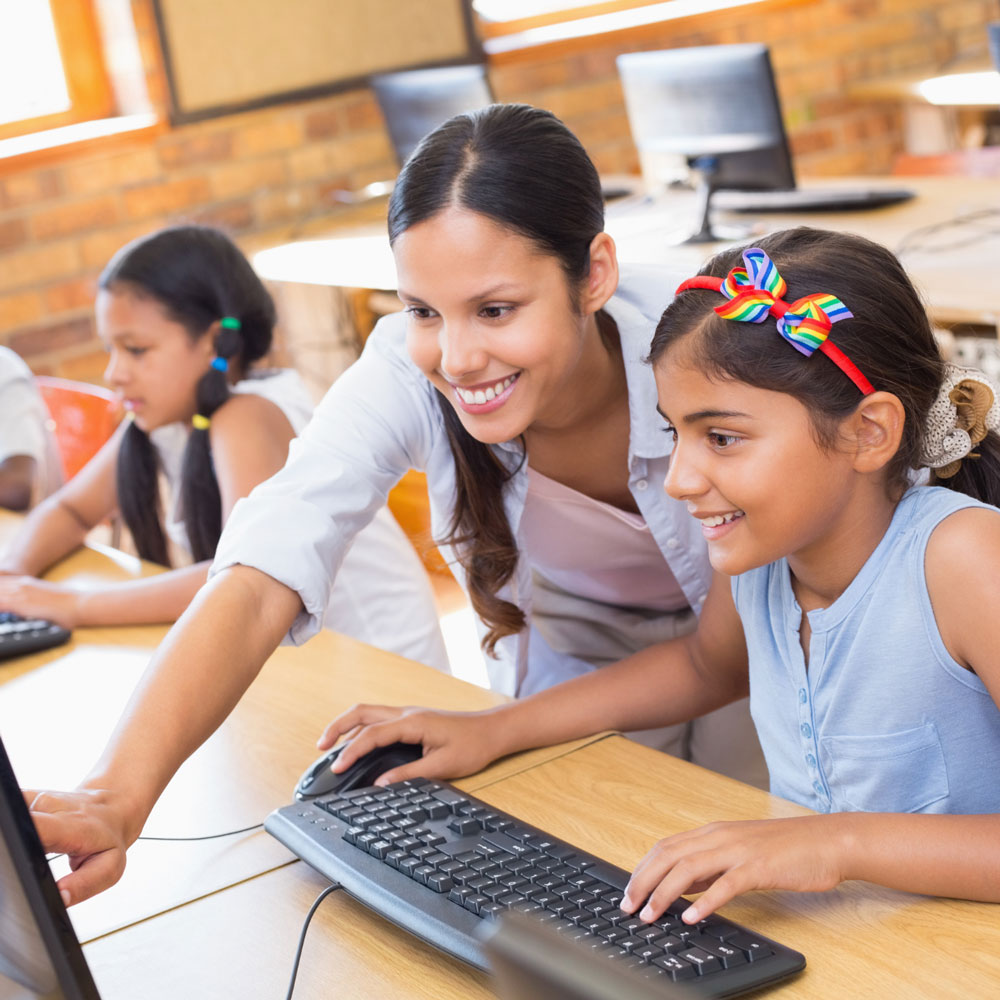
Students often assume everything online is fair game. Teaching them to stay safe and think critically while researching is essential.
Build Awareness, Not Fear
- Discuss common online risks in an age-appropriate way: inappropriate content, scams, and sharing personal information.
- Reinforce the idea that just because a site appears in search results doesn’t mean it’s safe or reliable.
Set Clear Classroom Guidelines
- Define which websites are allowed for research.
- Set expectations for respectful, responsible internet use.
- Consider creating the rules together – this gives students ownership and helps them stick.
Encourage Digital Citizenship
- Talk about the importance of crediting sources, even when paraphrasing.
- Teach students to think before they click – and before they share.

Help Students Identify Credible Sources
In a sea of information, students need help figuring out what’s trustworthy.
Quick Checks for Source Quality
- Look for the author’s name and credentials.
- Check the publication date – older content isn’t always helpful.
- Encourage students to use at least two different sources to verify facts.
Lean on Library Tools
If your school provides access to vetted databases (like Britannica School or Gale), make them part of the research routine. These are great alternatives to open-ended internet searches.
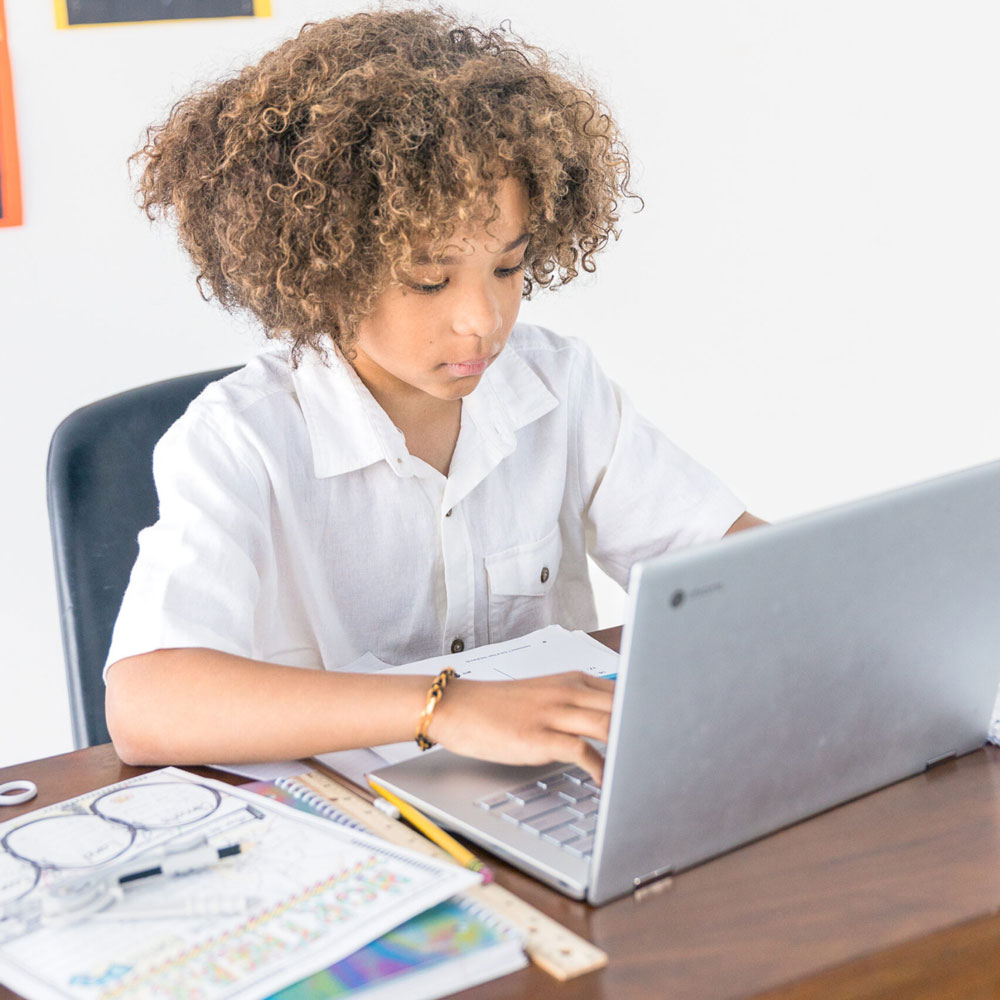
Use Kid-Friendly Research Tools
To make research both safe and productive, start with tools designed for kids. Here are a few favorites you can introduce in your classroom:
Kid-Friendly Search Engines
- Kiddle: Google-powered search engine with filtered, kid-safe results.
- KidzSearch: A safe search engine using Google’s SafeSearch technology.
- SweetSearch: A search engine that pulls from a curated list of reliable, education-focused sites.
Science-Focused Research Sites
- National Geographic Kids: A go-to for animals, ecosystems, and Earth science.
- Science Kids: Fun facts, experiments, and quizzes on a range of science topics.
- NASA Climate Kids: Great for topics like climate, weather, and Earth systems.
You’ll find an expanded list of recommended tools inside the Online Kid-Friendly Science Research Guide.
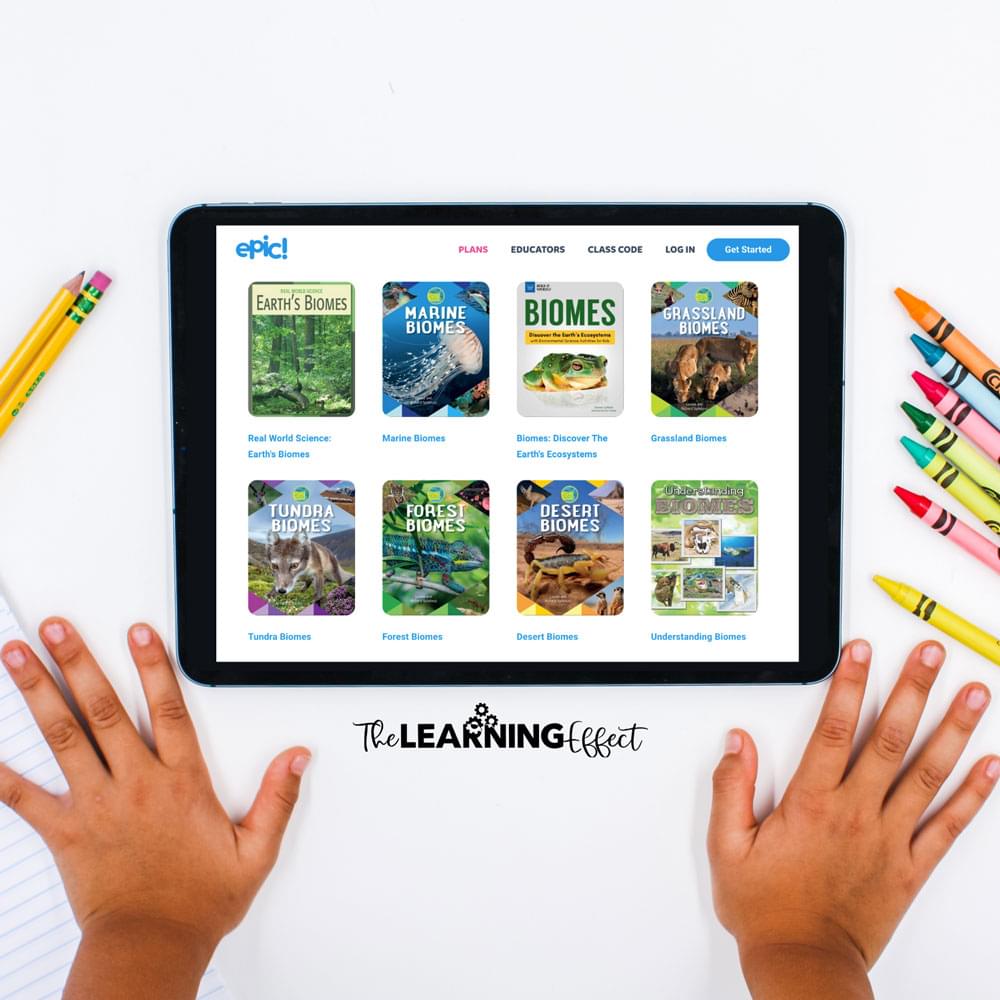
Teaching upper elementary students how to do kid-friendly research gives them the power to explore with confidence, stay safe online, and build lasting information literacy skills.
Want Ready-to-Go Materials to Make It Easier?
Grab the free Online Kid-Friendly Science Research Guide for printable checklists, planning sheets, and tool recommendations you can use right away.