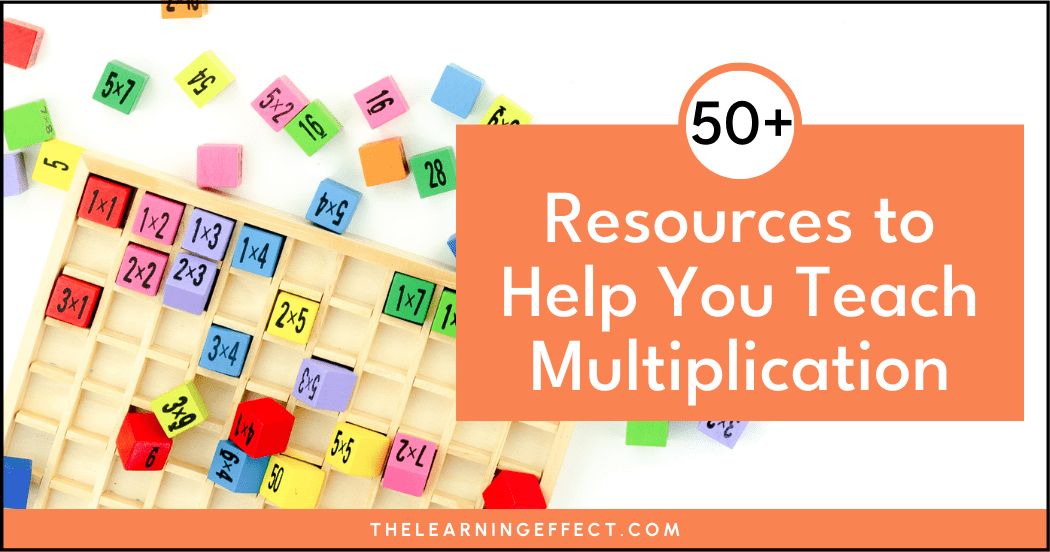
Finding the right multiplication resources for your upper elementary classroom can feel overwhelming. With thousands of worksheets, apps, games, and activities available online, how do you know which ones actually work?
Here’s the reality: it’s November, and you’ve got students still counting on their fingers for 7 x 8. You’ve tried multiple approaches, but something’s still not clicking. Every year I taught upper elementary – whether it was 4th, 5th, or 6th grade – I faced this same challenge. Some students had gaps in their understanding, others lacked fact fluency, and a few just needed a fresh approach to finally get it.
After what felt like years of trying everything under the sun, I learned that teaching multiplication well requires more than just drilling facts. You need the right mix of conceptual understanding, engaging practice, and strategic multiplication resources that actually meet students where they are.
In this post, I’m sharing my favorite multiplication resources for upper elementary, along with the strategies that helped my students move from frustration to confidence. Whether you’re looking for free tools, hands-on activities, or ways to differentiate instruction, you’ll find practical ideas you can use right away.
Why Most Multiplication Resources Miss the Mark
Here’s what I noticed after years in the classroom: most multiplication resources focus only on memorization. Students can recite their facts but completely fall apart when they need to apply multiplication in word problems or multi-digit calculations.
The problem isn’t that students don’t know their facts – it’s that they never truly understood what multiplication means in the first place. They’re working from memory alone, without the conceptual foundation to fall back on when things get tricky.
I saw this disconnect play out constantly. A student would ace a times table quiz on Friday, then stare blankly at a simple array problem on Monday. Or they’d know that 6 x 7 = 42, but have no idea how to estimate 63 x 48.
That’s when I shifted my approach. Instead of jumping straight to fact fluency, I started organizing my multiplication instruction around three key phases: building understanding first, then developing fluency, and finally applying skills in increasingly complex situations.
When you match the right multiplication resources to where your students are in this progression, everything changes. Let me walk you through how this actually works in the classroom.
The 3-Phase Framework for Multiplication Success
Phase 1: Build Conceptual Understanding
Before students can memorize anything effectively, they need to understand what multiplication actually represents. This means spending real time with arrays, equal groups, and the area model – not just mentioning them once and moving on.
I’d watch for red flags that students were missing this foundation: confusing multiplication with addition, not recognizing that 3 x 4 and 4 x 3 give the same result, or struggling to create a visual representation of a multiplication problem.
When students grasp the concept, fact fluency comes so much easier. They’re not just memorizing random numbers – they’re working with patterns they understand.
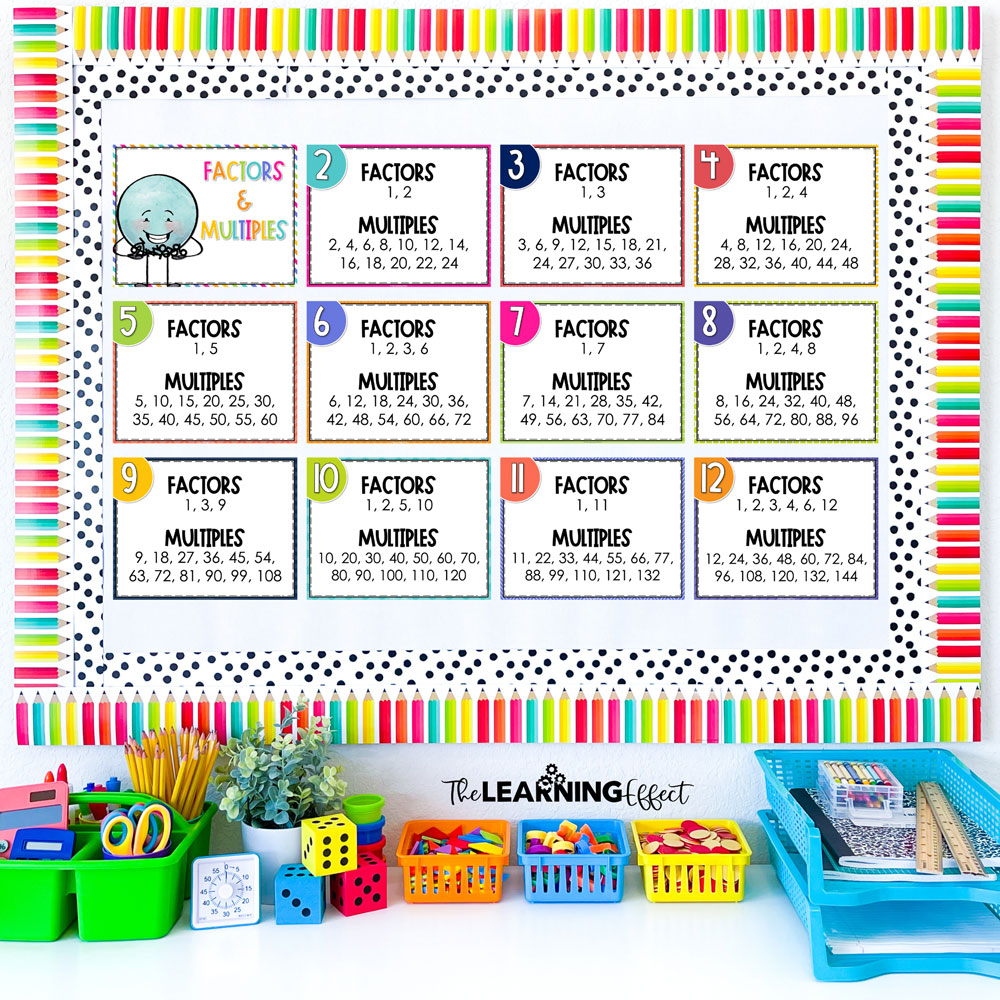
One of my favorite tools for building this foundation was my Factors and Multiples Anchor Charts. Having these posters up for daily reference made a huge difference. My 4th graders would choral read from them each day, and they had their factors and multiples down in no time. These work beautifully whether students are just learning multiplication or working on more advanced concepts like greatest common factor and least common multiple.
This is also where low-prep practice resources become your best friend. You need ways to reinforce understanding without spending hours on prep work.
Phase 2: Develop Fact Fluency
Here’s the thing about fact fluency: it’s not the same as memorization, and it definitely doesn’t happen because of timed pressure alone.
Real fluency means students can recall facts quickly because they understand the relationships between numbers. They know that if 5 x 6 = 30, then 5 x 7 must be 35. They use benchmarks like the fives and tens to figure out trickier facts.
I focused on helping students discover patterns and strategies, not just drill and kill. We’d explore how the commutative property actually helps reduce the number of facts to memorize. We’d look at how breaking apart numbers makes harder facts manageable.
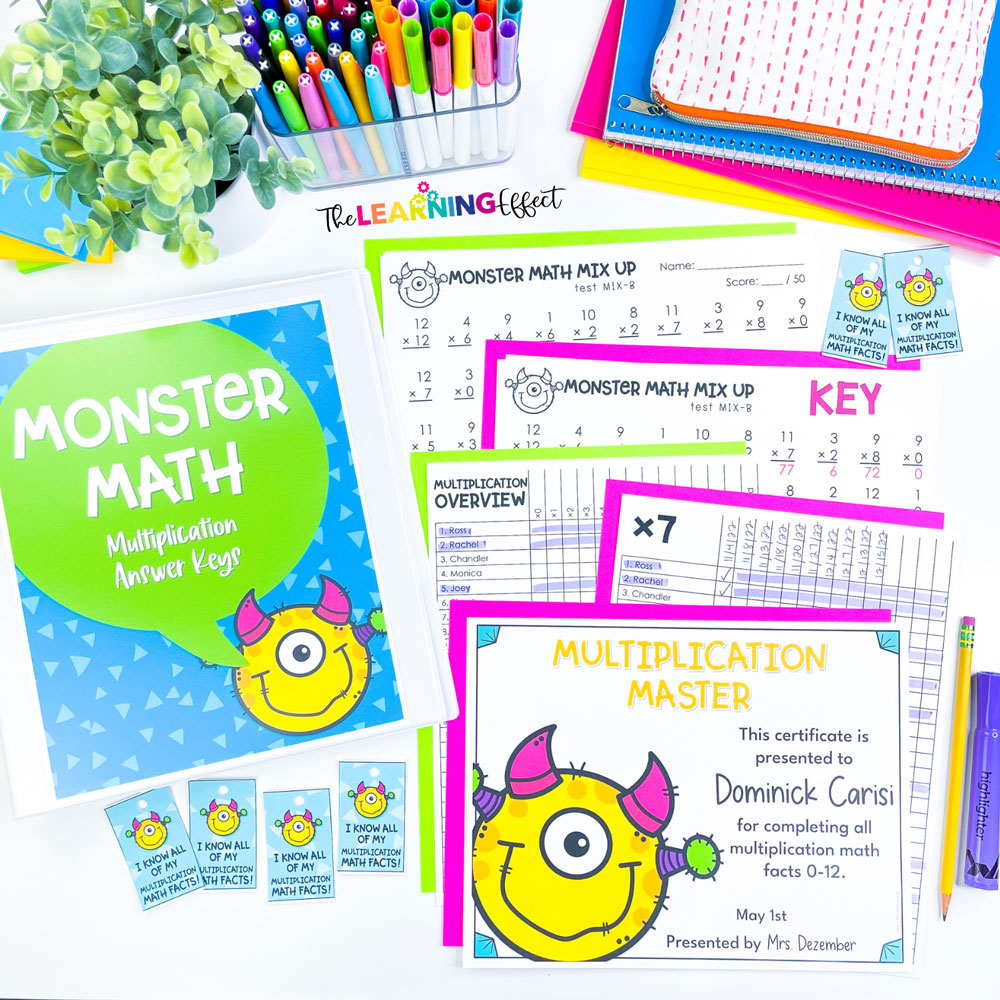
For regular fact practice, I created these Multiplication Timed Tests that give students 3 minutes to complete 50 basic multiplication problems. The longer time frame takes the pressure off while still building automaticity. Students can track their progress over time and see their growth, which builds confidence without the stress of shorter, high-pressure timed tests.
Phase 3: Apply and Practice
Once students have the foundation and fluency, they need varied practice that keeps those skills sharp. This is where things can get fun – or incredibly tedious, depending on your resources.
I learned that spiraling back to multiplication throughout the year matters just as much as the initial teaching. Students need to see multiplication in different contexts: word problems, multi-digit calculations, fraction work, area and perimeter, data analysis. The list goes on.
Game shows became my secret weapon for making practice feel fun instead of forced. Students would literally beg to play them, which meant I could sneak in tons of practice without complaints.
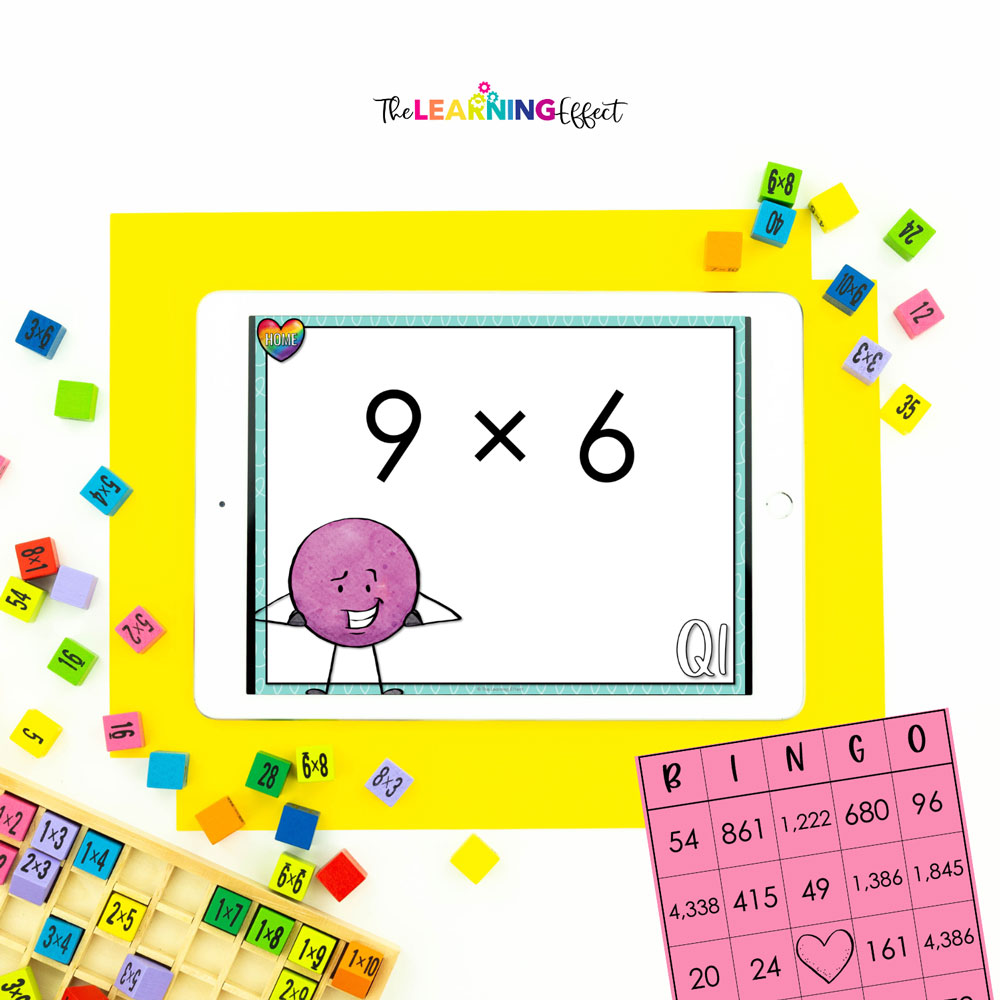
I used my 4th grade one-digit multiplication game show and two-digit game show throughout the year, adjusting the difficulty as students grow. For 5th grade, the multiply by whole numbers game show keeps the challenge level high while maintaining that same engagement.
My Multiplication Bingo Game is another go-to for practice. It’s incredibly low prep but high engagement – students love the game format, and the problems vary in difficulty from 1×1 digit up to 1×3 digits, so it naturally differentiates. Use it for whole-class play, math centers, or small groups when you need engaging practice without the prep time.
These work beautifully in stations, as whole-class reviews, or even as early finisher activities. The digital format means zero prep time once you’ve set them up, and students can work independently or in small groups.
Want more strategies for teaching multiplication alongside division? Check out my post on Mastering Multiplication and Division for additional tips that will help both concepts stick.
How to Choose Multiplication Resources That Actually Work
With thousands of multiplication resources available online, how do you know which ones are worth your time? I ask myself four questions:
Can I differentiate it easily? The best resources work for students at multiple levels without creating extra work for me. If I can’t quickly adjust the difficulty or provide scaffolds, it’s probably not making it into my rotation.
Will students actually want to do it? Engagement isn’t a nice-to-have – it’s essential. If students groan when you pull out a resource, it doesn’t matter how pedagogically sound it is. You’ll spend more time managing behavior than teaching math.
How much prep does it require? Some resources are worth a longer setup time, but I need a mix of low-prep and high-engagement options for those weeks when I’m barely keeping my head above water. Be honest about your capacity.
Does it match what I’m teaching right now? A fantastic resource for building conceptual understanding won’t help if your students need fluency practice. Make sure you’re clear on your instructional goal before choosing your tools.
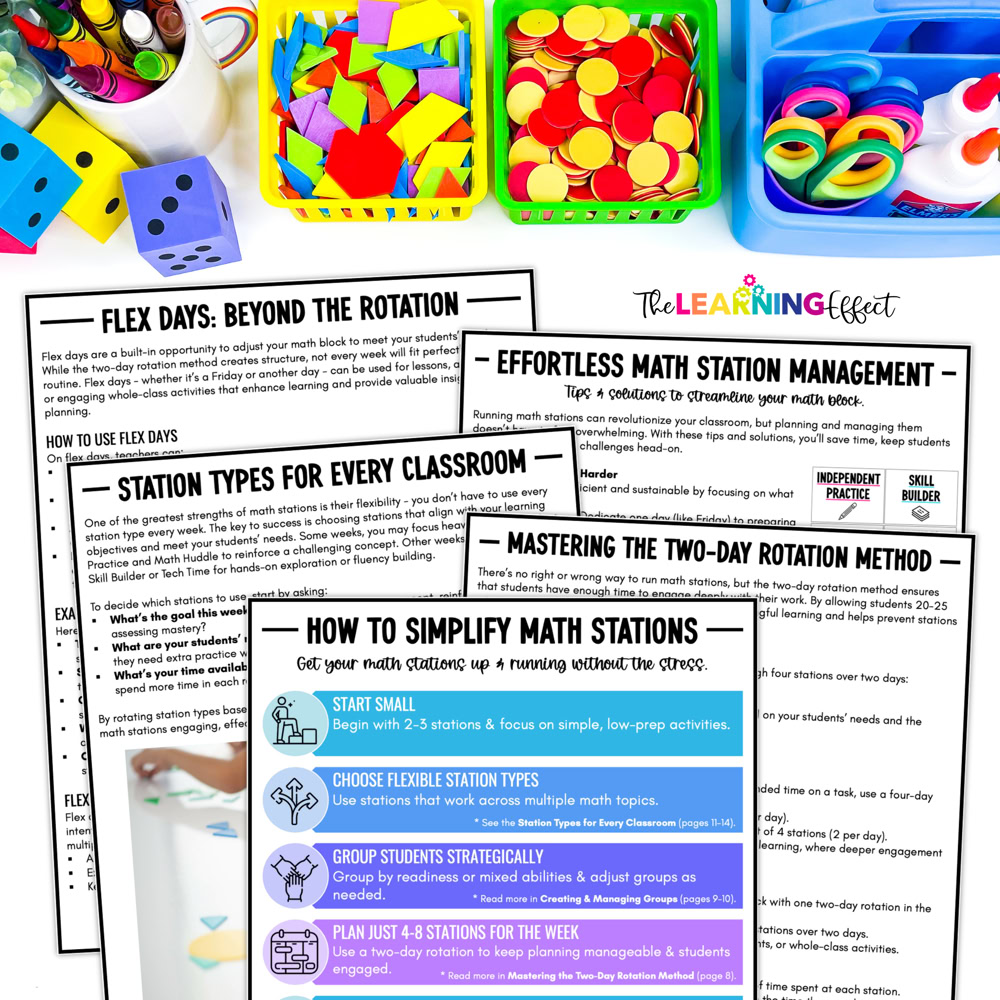
If you’re feeling overwhelmed by all the options out there, I’ve got you covered. Grab my free Math Stations Made Simple guide, which includes my system for organizing multiplication practice into low-prep stations you can use all year long. It takes the guesswork out of choosing and organizing your resources.
My Top Multiplication Resources for Upper Elementary
Let me share the multiplication resources I actually used regularly—not just the ones that sounded good in theory. I’ve organized them by purpose so you can quickly find what you need.
For Building Understanding
Khan Academy’s Basic Multiplication Videos – These do an excellent job of showing the why behind multiplication, not just the how. I’d use them during whole-group instruction or assign them for students who needed to revisit foundational concepts. The visual representations are clear and the pacing works well for upper elementary.
Factors and Multiples Anchor Charts – These posters are perfect for daily reference and building number sense. Use them for choral reading to help students internalize factors and multiples. They support not just basic multiplication, but also more advanced concepts like GCF and LCM.
Math Antics Multi-Digit Multiplication Videos (YouTube) – Clear, step-by-step instruction that’s perfect for introducing new concepts or for students who need to rewatch instruction at their own pace.
Arrays and Area Models – Low-tech but incredibly effective. Graph paper, color tiles, or even drawings help students see multiplication as more than just memorizing facts. I kept bins of manipulatives accessible for students who needed them, even in 6th grade. Plastic counters work great for this!
As an Amazon Associate, I may earn a small commission if you purchase through my links at no additional cost to you.
For Fact Fluency Practice
XtraMath – This free online tool adapts to each student’s level and focuses on building automaticity without stress. I used it three times a week during morning work, and it provided me with clear data about who needed additional support. The key is consistency – sporadic practice doesn’t build fluency.
Math Playground – The multiplication and division section has interactive games that make practice feel less like work. I particularly liked that the games require strategic thinking, not just rote recall.
Soft Schools – Simple, straightforward multiplication games that work well for quick practice sessions or early finishers. Nothing fancy, but reliable and free.
Math-Play – Another solid collection of free multiplication games. The variety keeps things fresh if you’re rotating through different practice options throughout the year.
Sushi Monster (iOS) – If you have iPads, this app is worth downloading. It makes practicing addition and multiplication facts genuinely fun, and students don’t feel like they’re doing “work.” The game mechanics keep them engaged without being overwhelming.
Monster Math (iOS and Android) – An adventure game that requires solving multiplication problems to progress. The storyline keeps students motivated to practice.
Marble Math Multiplication (iOS) – Students navigate a marble through a maze by solving multiplication problems. The game element makes repeated practice feel fresh.
Multiplication Timed Tests – These give students 3 minutes to complete 50 basic multiplication facts. The longer time frame makes it less stressful while still building fluency. Perfect for weekly or bi-weekly practice to monitor progress without high-pressure situations.
For Engaging Application and Practice
Multiplication.com – The games here are simple but effective for quick practice sessions. I’d pull these up for early finishers or during indoor recess. Not every resource needs to be fancy – sometimes straightforward games are exactly what you need.
Math Game Shows – These are hands-down my most-used resources for multiplication practice. The game show format creates instant buy-in, and I can use them for stations, whole-class review, or intervention groups. Students stay engaged because they’re having fun, but they’re getting serious practice with the content.
The beauty of the game shows is their flexibility. Use them as-is, or adjust the questions to target specific skills your students need to work on. They work for both in-person and virtual learning, which was a lifesaver during unpredictable years.
For Differentiation and Stations
Here’s where having a solid system matters more than having dozens of individual resources. I organized multiplication practice into stations that rotated weekly, with activities at different difficulty levels.
Stations included technology-based practice (like XtraMath or my game shows), hands-on activities (array-building challenges, multiplication war with cards), written practice (targeted worksheets, not busywork), and partner games (including Bingo).
The key was having clear routines so students could work independently. Once they knew the flow, I could pull small groups for targeted instruction while everyone else practiced meaningfully.
Get my complete station setup, including templates and organization tips, in the Math Stations Made Simple guide. It’ll save you hours of planning time.
Online Practice Sites for Students
These sites work well for independent practice at school or home:
Khan Academy – Comprehensive multiplication lessons with video instruction and adaptive practice. Students can work at their own pace, and you get detailed progress reports. Free and excellent for differentiation.
IXL Math (subscription) – Comprehensive practice with immediate feedback. The diagnostics help identify exactly where students are struggling. If your school has a subscription, use it. If not, the free version still offers value.
Prodigy Math – Game-based learning platform where students answer math questions to progress through adventures. The multiplication practice is embedded in gameplay, which keeps engagement high.
Hooda Math – Offers logic games that incorporate multiplication practice. These work especially well for students who enjoy puzzles and strategic thinking.
Interactive Sites for Education – A curated collection of multiplication games and activities organized by skill. Great for finding exactly what you need quickly.
Books to Build Multiplication Understanding
Reading about multiplication in story contexts helps some students make connections they wouldn’t otherwise. These books work well as read-alouds or in your classroom library:
The Best of Times: Math Strategies that Multiply by Greg Tang – The only multiplication book I consistently used. It teaches strategies for learning facts, not just memorization, and students found it helpful for discovering patterns they could actually use.
7 x 9 = Trouble! by Claudia Mills – A relatable story about a student struggling with multiplication facts. Great for building empathy and showing students they’re not alone in finding multiplication challenging.
2 x 2 = Boo: A Set of Spooky Multiplication Stories by Loreen Leedy – Perfect for October! This book makes multiplication fun with seasonal stories that reinforce basic facts.
Multiplying Menace: The Revenge of Rumpelstiltskin by Pam Calvert – Takes the classic fairy tale and adds a multiplication twist. Students enjoy the humor while practicing their facts.
Stacks of Trouble by Martha Brenner – A fun story that helps students understand multiplication in real-world contexts. Great for building conceptual understanding of what multiplication means in everyday situations.
As an Amazon Associate, I may earn a small commission if you purchase through my links at no additional cost to you.
Quick Tips for Implementation
You don’t need to overhaul your entire multiplication unit tomorrow. Start with these practical next steps:
Run a quick diagnostic to see where your students actually are. You might be surprised – some students who struggle with fluency have solid conceptual understanding, while others are missing foundational pieces. Knowing this helps you choose the right resources.
Introduce one new resource at a time. Overwhelming students (and yourself) with too many changes at once doesn’t help anyone. Pick one tool, establish routines around it, and then add more as needed.
Build in reflection time for yourself and your students. What’s working? What’s falling flat? Are students making progress? Sometimes the best resource isn’t the flashiest one – it’s the one that actually moves your students forward.
Use stations to differentiate without extra planning. Once you have a station rotation system in place, you can meet different student needs without creating entirely separate lesson plans. Students get targeted practice while you work with small groups.
The most important thing to remember: you don’t need to use every multiplication resource on this list. Pick two or three that fit your teaching style and your students’ needs, then go deeper with those. It’s better to use a few tools really well than to dabble with dozens superficially.
Moving Forward with Confidence
Teaching multiplication well is about pairing the right resources with solid instructional strategies. When you start with conceptual understanding, build fluency strategically, and provide engaging application practice, students develop the skills and confidence they need.
The good news? You don’t have to reinvent the wheel. Use these multiplication resources as your starting point, adapt them to fit your students, and watch their confidence grow. Some students will surprise you with how quickly they progress once they have the right support. Others will need more time and varied approaches, and that’s okay too.
You’re already doing amazing work with your students. These resources are just tools to help you do it more effectively and with less stress.
Frequently Asked Questions
What are the best free multiplication resources for upper elementary?
Khan Academy, XtraMath, and Multiplication.com offer high-quality free practice. For classroom games, basic arrays using graph paper or playing cards cost almost nothing and provide excellent conceptual practice.
How do I help students who are still struggling with multiplication facts?
Start by ensuring they understand what multiplication means conceptually. Use arrays and area models, then focus on strategies like using known facts to figure out unknown ones. Practice should be frequent but low-pressure – daily 5-minute sessions work better than occasional long drills.
What grade levels need multiplication resources?
Students typically learn multiplication basics in 3rd grade, but 4th, 5th, and 6th graders often need continued practice and application. Even middle school students sometimes need fact fluency support, so don’t assume older students have mastered these skills.
How can I differentiate multiplication instruction without creating more work?
Use stations with activities at different levels, leverage technology that adapts to student needs (like XtraMath), and choose resources like game shows that work for multiple ability levels. The key is having flexible tools rather than creating entirely separate lessons.
Ready to Transform Your Multiplication Instruction?
Teaching multiplication doesn’t have to feel like an uphill battle. Start small – pick one strategy from this post and try it this week. Small, consistent changes add up to big results for your students.
Here’s to fewer tears over times tables and more “aha!” moments in your classroom!
Links last updated 11/04/2025.