
Optimising and Visualising Go Tests Parallelism: Why more cores don't speed up your Go tests

Recently, I struggled for a couple of hours to understand why the API tests of one project were slow. In theory, we designed tests to run in a fully parallel way – the duration of tests should be close to the longest-running test. Unfortunately, the reality was different. Tests took 7x longer than the slowest test without using 100% available resources.
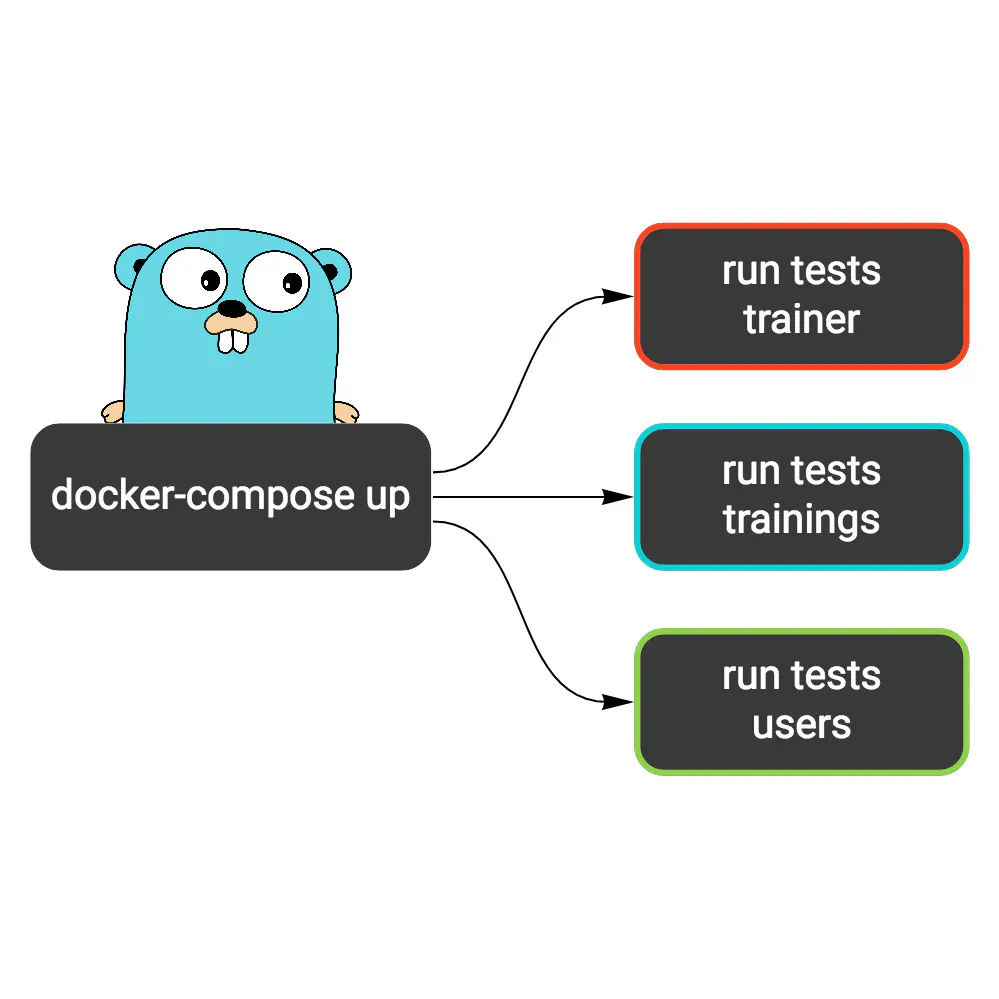
Running integration tests with docker-compose in Google Cloud Build

This post is a direct follow-up to Microservices test architecture where I introduced new kinds of tests to our example project. Wild Workouts uses Google Cloud Build as its CI/CD platform. It’s configured for continuous deployment, meaning changes land on production as soon as the pipeline passes. Note State of this article in 2026 This article is kept as an archive.
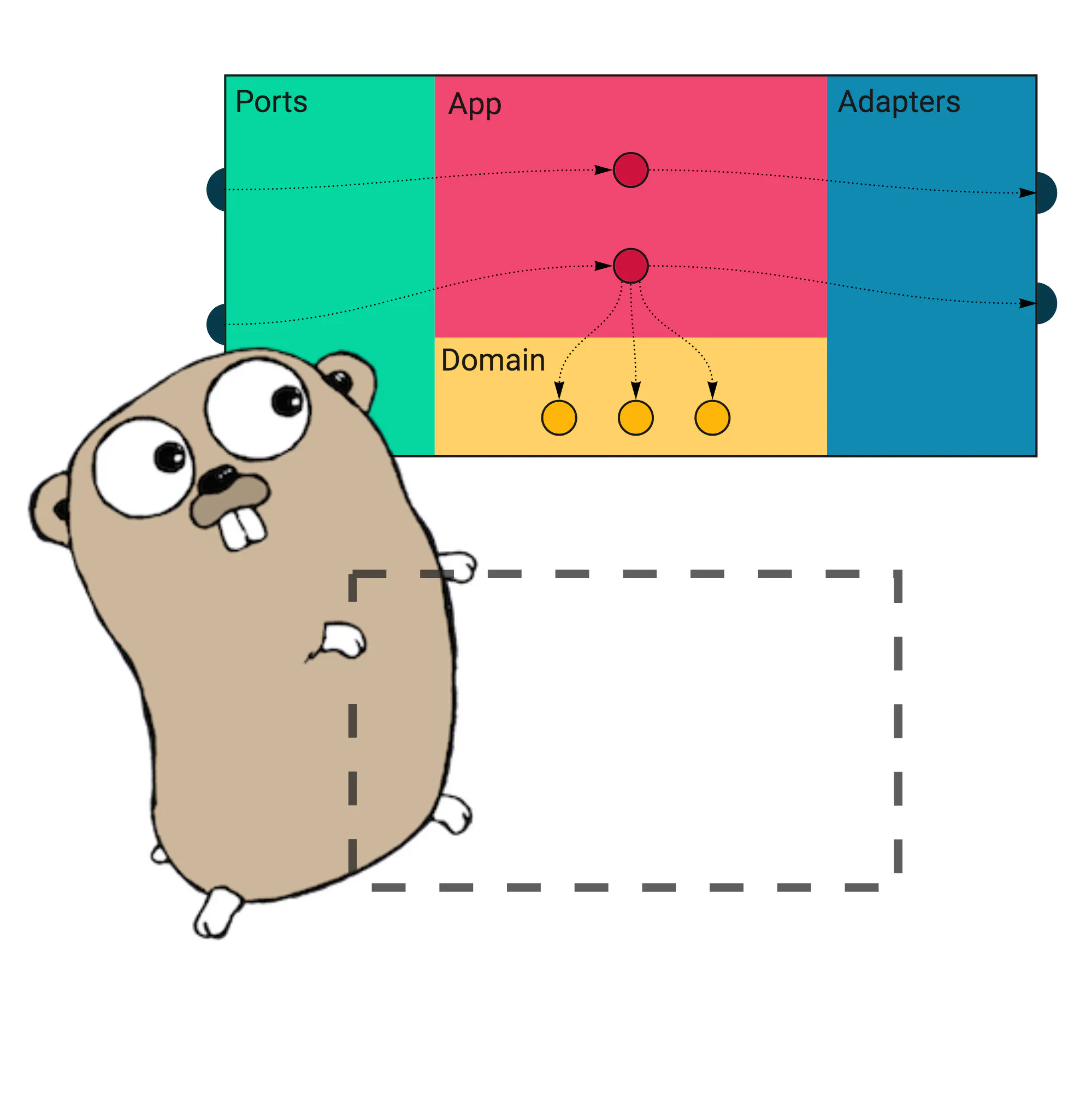
Microservices test architecture. Can you sleep well without end-to-end tests?
Do you know the rare feeling when you develop a new application from scratch and can cover all lines with proper tests? I said “rare” because most of the time, you work with software that has a long history, multiple contributors, and a less-than-obvious testing approach. Even if the code uses good patterns, the test suite doesn’t always follow. Some projects have no modern development environment set up, so there are only unit tests for things that are easy to test.

4 practical principles of high-quality database integration tests in Go
Did you ever hear about a project where changes were tested on customers you don’t like or countries that aren’t profitable? Or even worse: did you work on such a project? It’s not enough to say that it’s unfair and unprofessional. It’s also hard to develop anything new because you’re afraid to make any change in your codebase. In the 2019 HackerRank Developer Skills Report, Professional growth & learning was marked as the most important factor when looking for a new job.
Series
Popular articles
- The Go libraries that never failed us: 22 libraries you need to know
- Safer Enums in Go
- Common Anti-Patterns in Go Web Applications
- How to implement Clean Architecture in Go (Golang)
- The Repository pattern in Go: a painless way to simplify your service logic
- Introduction to DDD Lite: When microservices in Go are not enough
Tags
- go
- golang
- watermill
- ddd
- events
- software-development
- domain-driven design
- event-driven
- clean-architecture
- web-applications
- anti-patterns
- architecture
- ci
- firestore
- cloudrun
- gcloud
- googlecloud
- microservices
- serverless
- testing
- advanced
- backend
- databases
- devops
- firebase
- gitlab
- reactive
- repository
- ai
- basics
- building-business-applications
- building-in-public
- cqrs
- frameworks
- kafka
- mysql
- nats
- pipelines
- scalability
- software-architecture
- transactions
- agents
- amqp
- authentication
- balance
- bounded-context
- c4
- cicd
- code-quality
- code-review
- complexity
- design-patterns
- development-process
- diagrams
- docker
- dry
- e-book
- efficiency
- enums
- event-storming
- gamedev
- generics
- google-cloud
- grpc
- htmx
- intermediate
- iteration
- javascript
- learning
- libraries
- llm
- metrics
- modular-monolith
- monolith
- open-source
- openapi
- over-engineering
- overengineering
- parallelism
- product-engineering
- productivity
- programming-languages
- prometheus
- pull-requests
- python
- rabbitmq
- retrospective
- security
- software-design
- sql
- sse
- startups
- strategic-ddd
- swagger
- terraform
- tips
- unpopular-opinions
- versioning
- work-culture
