Captures d'écran
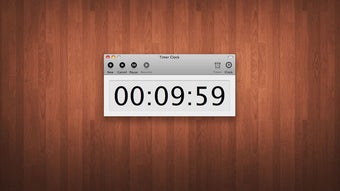
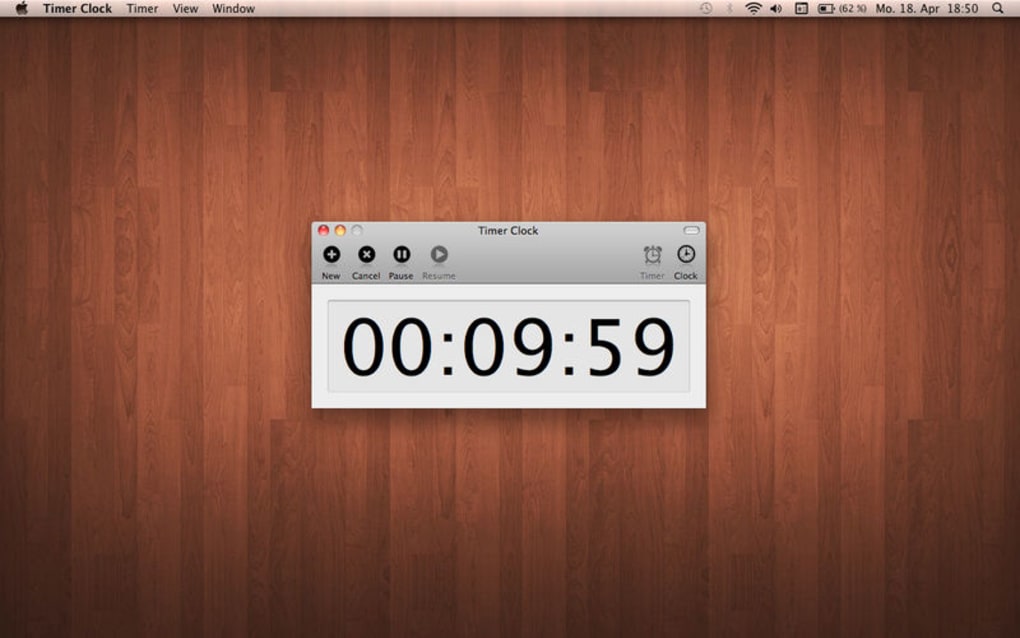
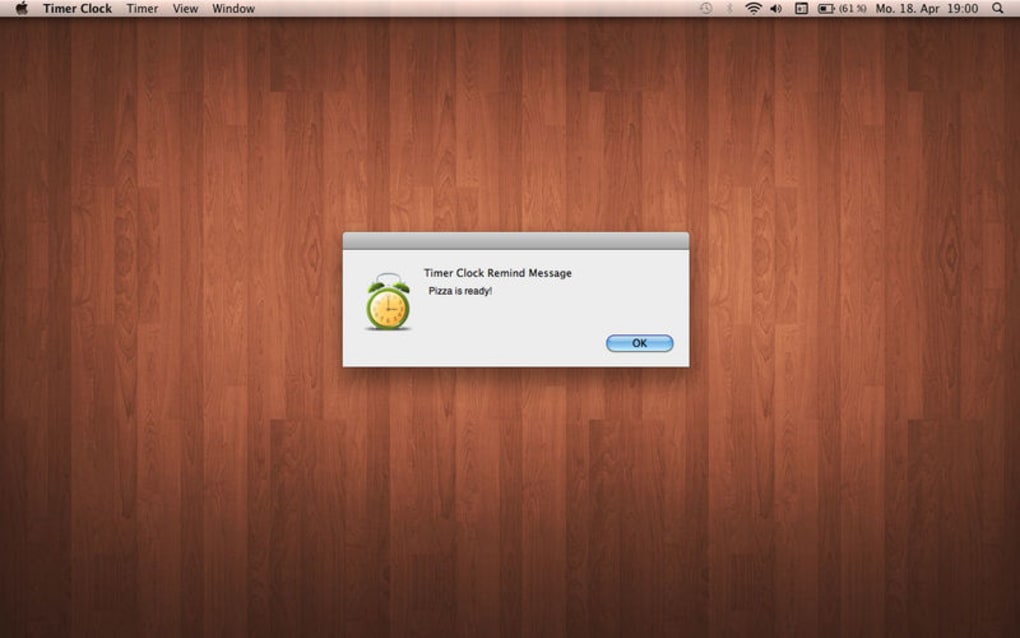
Détails de l'application
- Version
- 1.3
- Mis à jour
- May 22, 2023
- Requiert
- Mac
- Langue
- English | German
- Licence
- Full
- Développeur
- Tiny Astronauts UG (haftungsbeschrankt)
- Catégorie
- Mac OS
À propos de Timer Clock
Download Timer Clock – free timer, alarm and shutdown tool for Windows
Overview
Timer Clock est une utilité Windows légère qui combine un minuteur classique avec des contrôles de gestion d’alimentation puissants. Que vous ayez besoin d’une simple alarme pour vous rappeler une pause, d’un minuteur qui met automatiquement votre PC en veille après une période définie, ou d’un arrêt/redémarrage programmé pour les mises à jour nocturnes, Timer Clock fournit toutes ces fonctions depuis une interface claire et facile à utiliser. Le programme s’exécute discrètement en arrière‑plan, consomme très peu de ressources système, et propose une configuration en un clic pour les utilisateurs quotidiens ainsi que des options avancées pour les passionnés d’économie d’énergie. Parce qu’il est gratuit, sans publicité et régulièrement mis à jour, Timer Clock est rapidement devenu un favori parmi les étudiants, les professionnels et toute personne souhaitant automatiser les tâches PC récurrentes sans devoir écrire des scripts complexes.
Key Features
- Multiple timer modes – countdown, stopwatch, and alarm clock.
- One‑click power actions: shutdown, restart, sleep, or hibernate.
- Customizable sound alerts with support for MP3, WAV, and system tones.
- Auto‑run on Windows startup for hands‑free scheduling.
- User‑friendly tray icon with quick access to timer controls.
- Secure execution – no internet connection required, protecting privacy.
- Lightweight footprint – less than 5 MB download and under 10 MB RAM usage.
- Multi‑language support, including English, Spanish, French, German, and Chinese.
- Automatic updates check, ensuring you always have the latest bug fixes.
Installation & Usage Instructions
Getting started with Timer Clock is straightforward. First, download the installer from the official website or a trusted software repository. The executable is digitally signed, so Windows Defender will recognize it as safe. Run the .exe file and follow the on‑screen prompts – the wizard offers a typical installation path (C:\Program Files\TimerClock) but also allows custom locations if you prefer a portable setup.
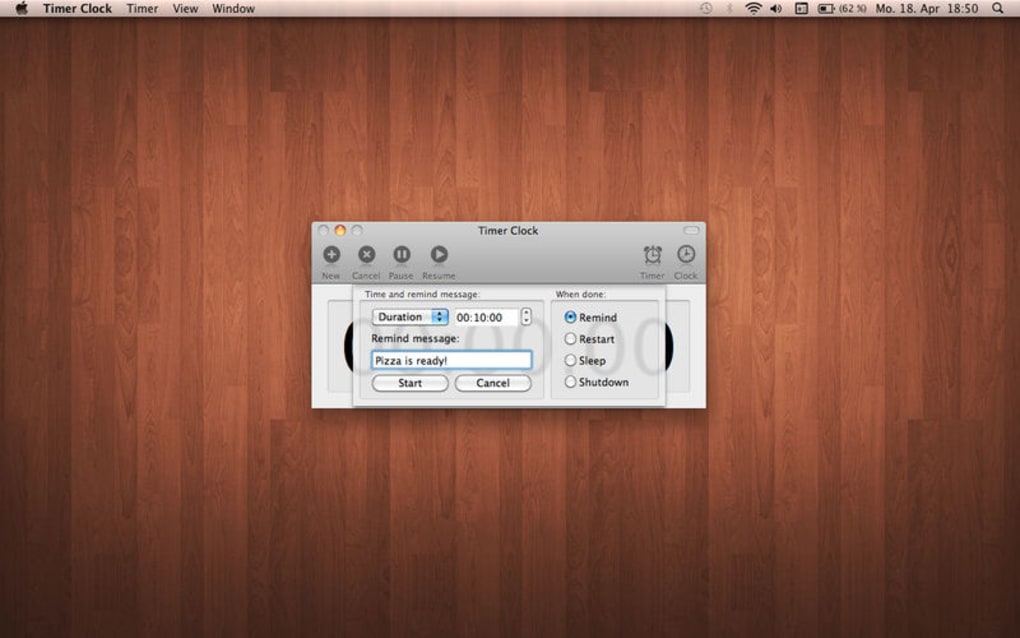
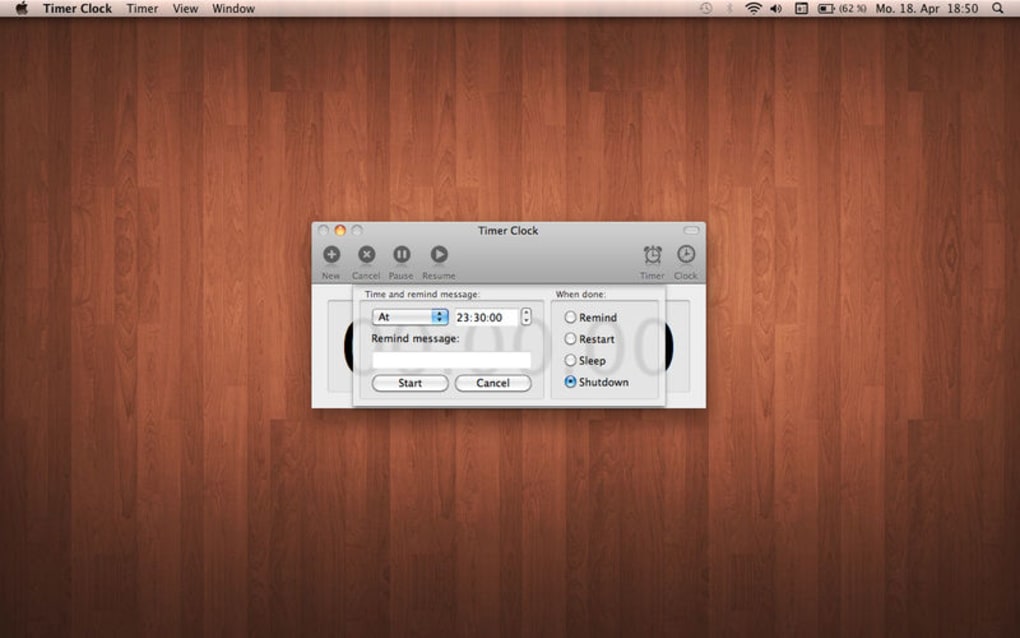
After installation, launch Timer Clock from the Start menu or the desktop shortcut. The main window presents three tabs: Timer, Alarm, and Power. To set a countdown, select the Timer tab, enter the desired duration (hours, minutes, seconds), choose an alert sound, and click “Start.” When the timer reaches zero, the selected power action (shutdown, restart, sleep, or hibernate) will execute automatically. For recurring alarms, switch to the Alarm tab, set the time of day, repeat interval, and enable the “Repeat daily” option if needed.
The Power tab gives you granular control over what happens when the timer expires. You can combine actions, such as “Close all applications → Sleep,” or set a pre‑shutdown warning dialog. All settings are saved in a lightweight .ini file, making it easy to backup or transfer configurations between PCs.
For power users, Timer Clock includes command‑line parameters that allow you to launch a timer directly from scripts or the Windows Task Scheduler. Example: TimerClock.exe /t 01:30:00 /action shutdown will start a 90‑minute countdown and then power off the machine without any further interaction.
Compatibility & System Requirements
Timer Clock is built for Microsoft Windows 10, Windows 11, and also supports legacy Windows 7 (SP1) and Windows 8.1. The application runs in both 32‑bit and 64‑bit environments, ensuring broad compatibility across desktops, laptops, and even Windows‑based tablets.
The software does not require any additional runtimes such as .NET Framework or Visual C++ redistributables, because it is compiled with native Windows APIs. Minimum system requirements are modest: a 1 GHz processor, 512 MB of RAM, and 20 MB of free disk space. Because Timer Clock operates mainly as a background service, it consumes less than 5 % CPU under normal conditions, making it suitable for older hardware and battery‑conscious laptops.
In terms of security, the program runs with standard user privileges unless you explicitly grant administrator rights for actions that require elevated permissions (e.g., shutdown on a locked workstation). This design minimizes attack surface while still delivering the necessary power‑control features. Regular updates are signed with the developer’s certificate, guaranteeing authenticity and protecting against tampering.
Pros and Cons
Pros
- Free, ad‑free, and no hidden fees.
- Intuitive UI that requires no learning curve.
- Comprehensive power‑management options (shutdown, restart, sleep, hibernate).
- Lightweight and fast – ideal for low‑end PCs.
- Supports custom alert sounds and multiple languages.
- Command‑line integration for advanced automation.
- Secure, offline operation protects user privacy.
Cons
- Only available for Windows; no macOS, Android, or iOS version.
- Lacks a built‑in calendar view for scheduling multiple alarms.
- Advanced scripting requires manual command‑line entry.
- Interface, while functional, feels dated compared to modern UWP apps.
Frequently Asked Questions
Can Timer Clock schedule a shutdown while the computer is locked?
Yes. If you run Timer Clock with administrator privileges, the scheduled shutdown will execute even when the session is locked. The program uses the Windows shutdown API, which bypasses the lock screen.
Is there a portable version that doesn’t require installation?
A portable ZIP archive is offered on the official download page. Simply extract the files to a USB stick, run TimerClock.exe, and all settings will be saved in the same folder, making it perfect for travel or shared computers.
Can I use Timer Clock to automatically put my PC to sleep after watching a movie?
Absolutely. Set a countdown timer for the movie’s duration, select “Sleep” as the power action, and Timer Clock will transition your PC into sleep mode the moment the timer ends.
Does Timer Clock support multiple timers running at the same time?
The current version supports only a single active timer. However, you can create multiple alarm entries that trigger independently, which covers most typical use‑cases.
How does Timer Clock handle system updates that require a restart?
When Windows signals a pending update, Timer Clock will display a warning dialog before executing a forced restart. You can disable this behavior in the Settings tab if you prefer the OS to manage updates automatically.
Conclusion & Call to Action
Timer Clock delivers a robust set of timing and power‑management features without the bloat often found in larger system utilities. Its free, secure nature makes it an attractive choice for students looking to limit screen time, professionals who need automated shutdowns after long rendering jobs, and anyone who simply wants an easy way to schedule a PC sleep cycle. While the lack of a macOS version and a modern UI might deter a small segment of users, the core functionality remains solid and reliable.
Ready to take control of your computer’s idle time? Download Timer Clock now and start automating shutdowns, rest periods, and alarms with just a few clicks. Experience the convenience of a dedicated timer that respects your workflow and helps you save energy—free, secure, and constantly updated.
Timer Clock offers exactly what its name promises – a simple timer that can also manage your PC’s power state. The lightweight design, straightforward interface, and reliable performance make it a must‑have utility for Windows users who want to automate routine tasks without diving into complex scripts. Although it’s limited to a single active timer, the feature set is more than sufficient for everyday scenarios, and the free price tag (zero dollars) is the cherry on top.
Guides et tutoriels
Comment installer Timer Clock
- Cliquez sur le bouton Télécharger ci-dessus.
- Une fois redirigé, acceptez les conditions et cliquez sur Installer.
- Attendez la fin du téléchargement de Timer Clock sur votre appareil.
Comment utiliser Timer Clock
Ce logiciel est principalement utilisé pour les fonctionnalités décrites ci-dessus. Ouvrez l'application après l'installation pour explorer ses capacités.
Avis des utilisateurs
Aucun avis pour le moment. Soyez le premier à partager votre expérience.
Vous aimerez peut-être aussi
plus
DiffusionBee
Generate unique art with this app DiffusionBee is a free and accessible artifici...

Excire Foto Light
Organize your snapshots Excire Foto Light is a free-to-download AI -powered phot...

Topaz Photo AI
Photo enhancement tool with AI Topaz Photo AI is a premium AI image editor for P...

anonymoX
Surf anonymously with Firefox anonymoX for Firefox is an add-on that gives you f...
DownThemAll
Download Them All! Downloading anything or everything on a webpage can be a labo...
.webp)
DuckDuckGo Privacy Essentials
A free program for Mac, by DuckDuckGo, Inc.. DuckDuckGo Privacy Essentials is a...
