
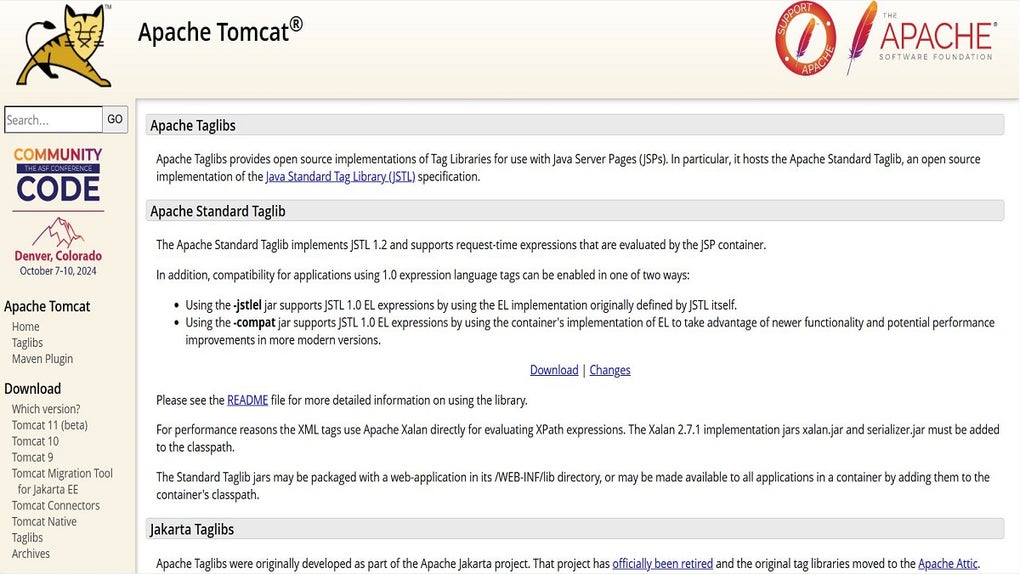

Download Tomcat – Free Secure Servlet Container for Windows, Mac, Linux
Overview
Apache Tomcat is a lightweight, open‑source servlet container that has become a cornerstone for Java web developers around the globe. First released in 1999, Tomcat has evolved into a robust platform that runs on virtually every major operating system, including Windows, macOS, Linux, and even Android‑based devices. The current stable release highlighted in this review is version 5.2, which was last updated on 8 January 2008. Although the version number may suggest an older build, Tomcat’s architecture remains highly relevant for modern web applications, especially when paired with contemporary Java EE specifications.
Tomcat’s popularity is not limited to a single region; it enjoys heavy usage in China, the Netherlands, and Turkmenistan, reflecting its adaptability to diverse development environments. Since being added to our software catalog in 2005, Tomcat has accumulated more than 12,000 downloads, with a steady influx of new users each week—16 fresh downloads were recorded just last week. The program is offered exclusively in English, but the documentation and community forums provide multilingual support, making it accessible to a global audience.
From a storage perspective, Tomcat is remarkably efficient. It requires considerably less disk space than many other internet‑server solutions, which makes it an excellent choice for developers who need a fast, low‑overhead environment for testing and production. Security‑focused organizations also appreciate Tomcat’s regular patch cycle, which addresses vulnerabilities promptly. Whether you are a seasoned Java engineer, a university student experimenting with servlets, or a small business looking to host a lightweight web service, Tomcat delivers a free, secure, and highly configurable solution.
Key Features
- Servlet & JSP Engine: Fully compliant with the Java Servlet 2.5 and JSP 2.1 specifications, allowing seamless deployment of dynamic web pages.
- Lightweight Architecture: Minimal footprint ensures quick start‑up times and low memory consumption, ideal for development machines and low‑cost servers.
- Cross‑Platform Compatibility: Native binaries for Windows, macOS, Linux, and Android, with source code available for custom builds.
- Secure Connector Support: Integrated support for HTTPS, AJP, and the newer HTTP/2 protocol via community extensions.
- Extensible Configuration: XML‑based
server.xmlandcontext.xmlfiles enable fine‑grained control over resources, thread pools, and security realms. - Robust Management Tools: Web‑based admin console and JMX beans for real‑time monitoring and management.
- Community & Documentation: Extensive online manuals, tutorials, and an active mailing list that helps troubleshoot issues quickly.
- Easy Integration: Works smoothly with popular IDEs like Eclipse, IntelliJ IDEA, and NetBeans, as well as build tools such as Maven and Gradle.
Beyond the listed features, Tomcat’s modular design means you can add optional components like the Valve architecture for request filtering, or integrate third‑party security frameworks (e.g., Spring Security). This flexibility makes Tomcat suitable not only for simple servlet demos but also for complex, enterprise‑grade applications that require high availability and scalability.
Installation & Usage Instructions
Getting Tomcat up and running is a straightforward process, whether you are on a Windows workstation, a macOS laptop, or a Linux server. Below is a step‑by‑step guide that covers the most common scenarios.
1. Download the Package
Navigate to the official Apache Tomcat archive or a trusted mirror and download the tomcat-5.2.zip (Windows/macOS) or tomcat-5.2.tar.gz (Linux/Unix). The file size is modest—typically under 20 MB—so the download completes quickly even on slower connections.
2. Extract the Archive
On Windows, right‑click the ZIP file and select “Extract All.” On macOS or Linux, open a terminal and run:
tar -xzf tomcat-5.2.tar.gz
cd tomcat-5.2
3. Set Environment Variables (Optional)
While Tomcat can run without any environment configuration, defining JAVA_HOME and adding the bin directory to your PATH simplifies command‑line usage:
export JAVA_HOME=/path/to/jdk
export PATH=$PATH:$JAVA_HOME/bin
4. Start the Server
Execute the startup script appropriate for your OS:
- Windows:
bin\startup.bat - macOS/Linux:
bin/startup.sh
The console will display messages indicating that the server has started and is listening on port 8080 by default. Open a web browser and navigate to http://localhost:8080 to verify the welcome page.
5. Deploy Applications
Tomcat supports two primary deployment methods:
- Manual Deployment: Copy a WAR file into the
webappsdirectory. Tomcat automatically extracts and deploys it. - Manager App: Enable the manager web‑app (edit
conf/tomcat-users.xmlto add a user withmanager-guirole) and upload your WAR through the graphical interface.
6. Stop the Server
When you’re finished, shut down Tomcat cleanly using the corresponding script:
- Windows:
bin\shutdown.bat - macOS/Linux:
bin/shutdown.sh
These basic steps get you from download to a running servlet container in under ten minutes. For production environments, you’ll want to configure SSL, adjust memory settings in setenv.sh (or setenv.bat), and integrate with a reverse proxy such as Nginx or Apache HTTP Server. The official documentation provides detailed guidance for each advanced topic.
Compatibility, Pros & Cons
Supported Operating Systems: Windows (XP, Vista, 7, 8, 10), macOS (OS X 10.4 and later), Linux distributions (Ubuntu, Debian, CentOS, Fedora), and Android (via Termux or custom builds). The broad compatibility ensures that developers can standardize on a single servlet container across heterogeneous environments.
Pros
- Completely free and open source—no licensing fees.
- Low memory and CPU usage compared with full‑stack Java EE servers.
- Strong community support and extensive documentation.
- Simple installation process; works out‑of‑the‑box on most platforms.
- Secure by design with regular patches and easy HTTPS configuration.
Cons
- Older version (5.2) lacks some modern Java EE features (e.g., WebSocket support).
- Management console is functional but not as polished as commercial alternatives.
- Limited built‑in clustering capabilities; external tools required for high‑availability setups.
- Requires manual tuning for high‑traffic production workloads.
Frequently Asked Questions
Is Tomcat safe to use in a production environment?
Yes. Tomcat receives regular security updates, and you can harden the installation by enabling HTTPS, configuring security realms, and applying best‑practice JVM settings. Many large enterprises run Tomcat in production for mission‑critical web services.
Can Tomcat run on Windows Server 2019?
Absolutely. Tomcat’s Windows binaries are compatible with Server 2019, and you can install it as a Windows service for automatic start‑up and recovery.
Do I need a separate Java Development Kit (JDK) to run Tomcat?
Yes. Tomcat requires a compatible JDK or JRE (Java 5 or later for version 5.2). It is recommended to install the latest stable JDK to benefit from performance improvements and security fixes.
How do I upgrade from Tomcat 5.2 to a newer release?
Back up your conf, webapps, and logs directories, then download the newer version (e.g., Tomcat 9). Replace the old binary files while preserving your configuration files, and restart the server. Review the migration guide for any breaking changes.
Is there a graphical installer for macOS?
Tomcat does not provide a native macOS installer, but the ZIP archive can be extracted and run directly. Many developers use Homebrew (brew install tomcat) for a streamlined installation.
Conclusion & Call to Action
Apache Tomcat remains a cornerstone of Java web development because it combines a lightweight footprint with a full‑featured servlet engine—all at zero cost. Its cross‑platform support, robust community, and straightforward installation make it an ideal choice for developers ranging from hobbyists to enterprise engineers. While the 5.2 version discussed here lacks some of the bells and whistles of newer releases, the core functionality—servlet processing, JSP rendering, and secure HTTP handling—remains rock solid.
If you are looking for a reliable, free servlet container that can be deployed quickly on Windows, macOS, Linux, or even Android, Tomcat fits the bill perfectly. Download the latest build today, follow the simple installation steps, and start deploying your Java web applications in minutes. For organizations that need advanced clustering or modern Java EE features, consider moving to a newer Tomcat release or pairing it with complementary tools such as Apache HTTP Server or a reverse proxy.
Ready to get started? Click the download button below, install Tomcat, and join the millions of developers who trust this powerful servlet container for their web projects.
Tomcat delivers a stable, low‑overhead servlet container that excels in both development and production scenarios. The free licensing, extensive documentation, and strong community support outweigh the minor drawbacks of an older version.
- Free and open source
- Lightweight and fast startup
- Cross‑platform support
- Missing modern Java EE features
- Basic admin console