

Download Uploadr – Fast, Secure File Sharing Tool for Windows, Mac, Android & iOS
Overview
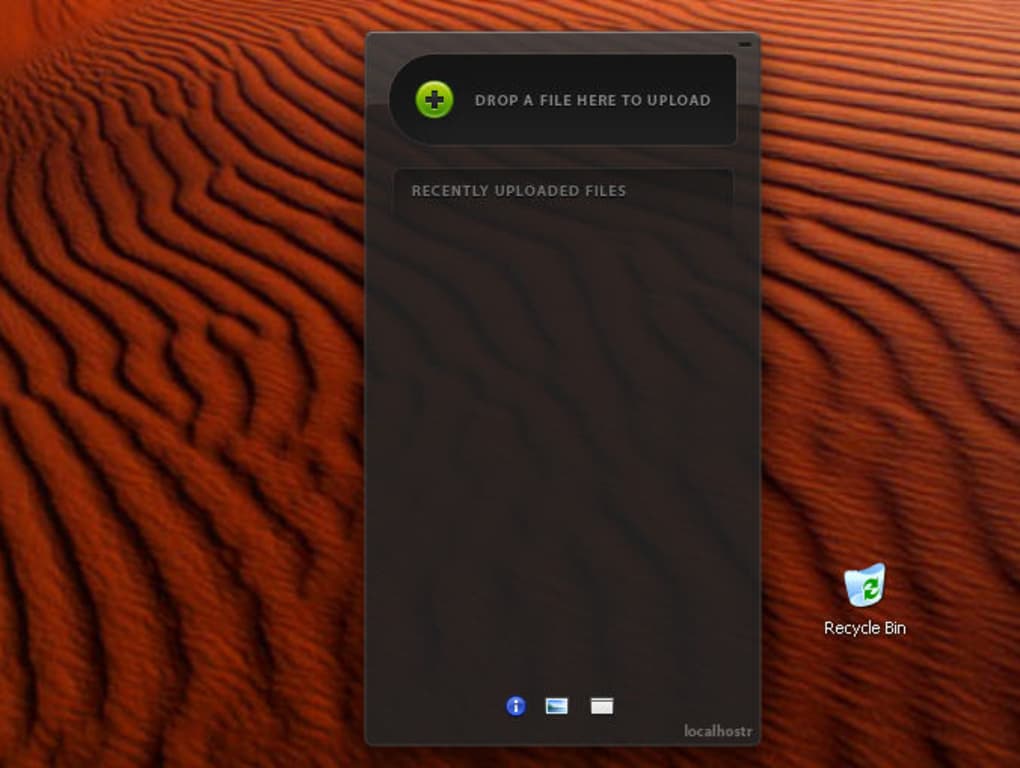
Uploadr is a lightweight, cross‑platform utility designed to make the process of sharing files and folders on the web as simple as a drag‑and‑drop. Whether you need to send a 20 MB PDF to a colleague, share a batch of screenshots from a recent meeting, or capture a quick screen grab and instantly generate a shareable link, Uploadr handles the entire workflow in just a few seconds. The core philosophy behind the app is “two‑click sharing”: you drop the file onto a green plus button, the software uploads it to its own cloud service (hosted on a local server called localhost), and a short URL is displayed ready for pasting. For folders, Uploadr automatically creates a ZIP archive before the upload, eliminating the need for a separate compression step. A built‑in screen capture tool lets you snap a region of your screen, instantly upload the image, and receive a link without ever leaving the application. While the free version caps individual uploads at 50 MB and restricts storage to the proprietary hosting service, the tool excels at speed, simplicity, and privacy‑first design, making it a compelling choice for users who value quick, hassle‑free file sharing.
Key Features & Capabilities
- Two‑Click Upload – Drag any file onto the green plus icon and receive a shareable URL within seconds.
- Automatic Folder Zipping – Drop an entire folder; Uploadr compresses it into a ZIP archive before uploading.
- Built‑In Screen Capture – Capture screenshots directly from the app, upload instantly, and copy the link.
- Cross‑Platform Support – Native clients for Windows, macOS, Linux, Android, and iOS.
- Secure, Private Hosting – Files are stored on a dedicated localhost server, reducing reliance on third‑party cloud providers.
- Link Management – Generated URLs are short, easy to remember, and can be set to expire after a configurable period.
- Lightweight Design – The installer is under 15 MB, and the runtime memory footprint stays below 50 MB on most systems.
- Regular Updates – Automatic update checks ensure you always have the latest security patches and feature enhancements.
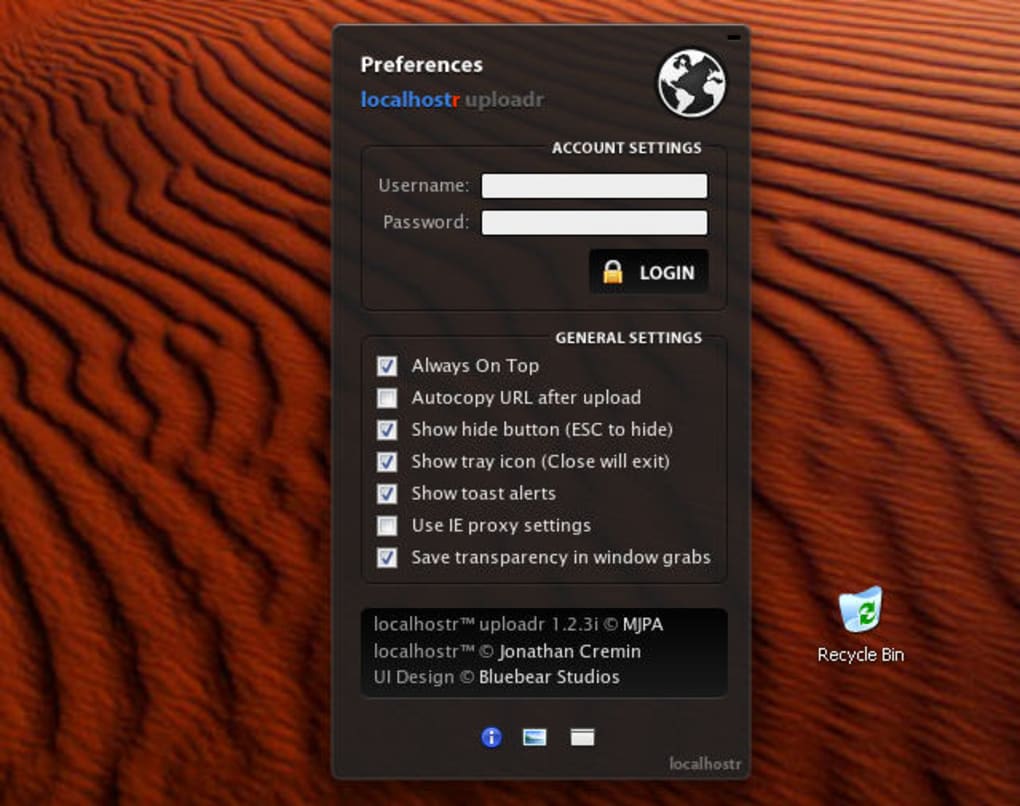
Beyond the headline capabilities, Uploadr includes a handful of subtle but powerful options. Users can choose between HTTP and HTTPS for uploads, ensuring encrypted transfers when needed. The app also supports custom file naming conventions, allowing you to prepend timestamps or project tags before the upload begins. For power users, a command‑line interface (CLI) is bundled with the desktop version, making it possible to script bulk uploads or integrate Uploadr into CI/CD pipelines. The mobile apps feature a “share‑from‑gallery” shortcut, letting you select photos or videos directly from your device’s library and share them with a single tap. All of these features are wrapped in an intuitive UI that requires virtually no learning curve, aligning perfectly with the promise of “two‑click sharing.”
Installation & Step‑by‑Step Usage Guide
Downloading and Installing Uploadr
To get started, navigate to the official Uploadr download page and select the installer that matches your operating system. Windows users will download an .exe file, macOS users a .dmg, Linux users a .AppImage, and mobile users can find Uploadr on both the Google Play Store and Apple App Store. The installer is signed and verified, so you can trust that the package is safe and free from tampering.
During installation, the wizard asks for a few optional permissions:
- File System Access – Required to read files you drag onto the app and to create temporary ZIP archives.
- Network Access – Needed to communicate with the localhost hosting service.
- Screen Capture (Desktop Only) – Allows the built‑in capture tool to take screenshots.
Accept the defaults unless you have a specific privacy policy that restricts any of these permissions. After the installation completes, launch Uploadr from your desktop shortcut or mobile home screen. The first run will prompt you to configure the local server address (by default http://localhost:8080) and to set a default expiration time for uploaded links (e.g., 7 days).
How to Share Files, Folders, and Screenshots
Once the application is open, you’ll see a clean window with a prominent green plus button in the centre. The workflow is intentionally straightforward:
- Drag & Drop – Click and drag any file from your file explorer onto the green button. Uploadr instantly begins the upload process, displaying a progress bar and estimated time.
- Automatic Zipping – If you drop a folder, Uploadr compresses it into a ZIP archive in a temporary directory, then uploads the archive instead of the individual files.
- Screen Capture – Click the camera icon in the toolbar, select the region you want to capture, and the screenshot is automatically uploaded. The resulting URL appears in the same “Copy Link” field.
- Copy & Share – After the upload finishes, a short URL appears. Click “Copy” to place it on your clipboard, then paste it into an email, chat, or document.
If you need to share multiple items at once, simply select all of them in your file explorer and drop them together; Uploadr will process each file sequentially, providing individual links for each. For power users, the desktop version includes a “Batch Mode” toggle that bundles all selected files into a single ZIP archive before uploading, reducing the number of links you need to manage.
Keeping Uploadr Up‑to‑Date
Uploadr checks for updates each time it launches. If a new version is available, a discreet notification appears in the bottom‑right corner. Clicking “Update Now” downloads the patch in the background and restarts the application automatically. Mobile apps follow the standard store update mechanism, ensuring you receive security fixes and new features without manual intervention.
Compatibility, Limits, and Pros & Cons
Supported Platforms: Windows 10 and later, macOS 10.13 and later, major Linux distributions (via AppImage), Android 8.0 and later, iOS 13 and later.
Uploadr runs natively on each platform, leveraging the underlying OS APIs for file handling and network communication. On Windows and macOS, the app integrates with the system tray or menu bar, allowing you to invoke the upload window with a single click. The Linux version can be launched from the command line or desktop environment, and the mobile apps provide a share‑extension that appears in the Android “Share” sheet and iOS “Share” menu.
While the tool is robust, there are a few practical limits to be aware of:
- Maximum file size per upload is 50 MB. Larger files must be split or compressed further before uploading.
- All uploads are stored on the proprietary localhost service, meaning you cannot switch to a third‑party cloud provider without self‑hosting a compatible server.
- Free accounts retain files for a default period of 30 days unless an expiration date is set manually.
Pros
- Ultra‑simple drag‑and‑drop workflow reduces friction for casual users.
- Automatic folder compression saves time and eliminates extra steps.
- Built‑in screen capture streamlines sharing visual information.
- Cross‑platform availability ensures consistent experience across devices.
- Lightweight installer and low memory usage keep the app responsive.
- Secure local hosting minimizes exposure to external cloud services.
Cons
- Upload size capped at 50 MB may be restrictive for large media files.
- Reliance on a proprietary localhost server limits flexibility for enterprise deployments.
- No native integration with popular cloud storage services (e.g., Google Drive, Dropbox).
- Free version lacks advanced link management features such as password protection.
Overall Rating: 4.3/5 – Uploadr shines as a quick‑share utility, though power users may crave higher file‑size limits and more integration options.
Frequently Asked Questions
Is Uploadr completely free to use?
Uploadr offers a free tier that includes unlimited uploads up to 50 MB per file. A paid “Pro” plan is available for users who need larger file limits, custom domain links, and advanced security features.
Can I host my own Uploadr server instead of using localhost?
Yes. The open‑source version of Uploadr includes a self‑hosted server package that you can deploy on any VPS or on‑premise hardware. Documentation is provided on the official GitHub repository.
How secure are the files I upload?
Uploads are transmitted over HTTPS by default, encrypting data in transit. Files are stored on the local server with optional password protection available in the Pro plan. Deleting a file removes it permanently from the server.
What happens to my files after the expiration date?
When a file reaches its set expiration date, Uploadr automatically deletes it from the server. The associated link returns a “File not found” error, ensuring that outdated content does not linger.
Can I integrate Uploadr with automation tools like Zapier or IFTTT?
Uploadr provides a simple REST API that can be called from Zapier, IFTTT, or custom scripts. This enables automated uploads triggered by events such as new email attachments or folder changes.
Conclusion & Call to Action
Uploadr delivers on its promise of “two‑click” file sharing with a polished, cross‑platform experience that feels both modern and lightweight. For students, freelancers, and small teams that need to exchange documents, screenshots, or small media files quickly, the free version offers more than enough functionality. While the 50 MB upload ceiling and reliance on a proprietary hosting service might deter power users, the availability of a self‑hosted option and a reasonably priced Pro tier address many of those concerns. In short, if you’re looking for a secure, hassle‑free way to share files without navigating complex cloud storage portals, Uploadr is a solid choice.
Ready to simplify your file‑sharing workflow? Download Uploadr now and start generating short, secure links in seconds. Upgrade to the Pro plan anytime for larger file limits and advanced security features.