

Download VisDoc – Java Documentation Generator, Free & Secure Tool
Overview
VisDoc is a lightweight yet powerful documentation generator designed specifically for Java developers who need to turn raw class files into clean, navigable HTML pages. Unlike generic Javadoc alternatives, VisDoc reads ActionScript 2.0, 3.0 and Java class files directly, extracting class signatures, interfaces, super‑classes, methods and properties without any manual parsing or code rewriting. The tool automatically creates cross‑linked documentation, so developers can instantly see how classes relate to one another, which interfaces they implement, and which methods are inherited. This “instant overview” speeds up onboarding, bug hunting, and code reviews.
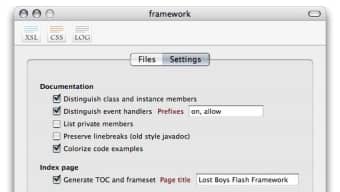
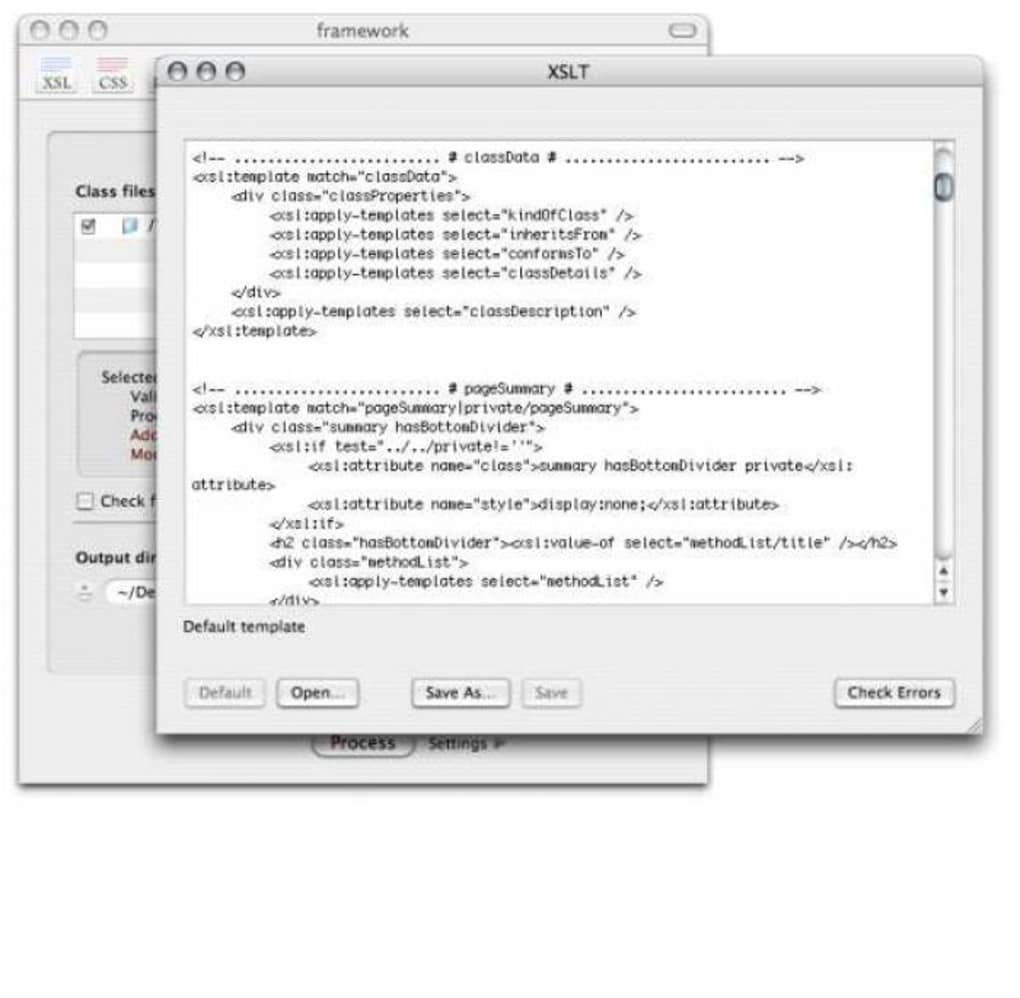
One of VisDoc’s strongest points is its templating system. Documentation pages are built using editable XSL and CSS templates, giving teams full control over layout, branding, and styling. When a class is modified, VisDoc detects the change, reprocesses only the affected files, and updates the HTML output in seconds. Settings from previous sessions are remembered, and users can store multiple project profiles to switch between different code bases without re‑configuring options each time.
In practice, VisDoc eliminates the repetitive steps of running Javadoc, fixing broken links, and re‑formatting output. It also handles edge cases that often trip other tools—such as interface methods that are implicitly public, or parameter lists that contain commas inside quoted strings—ensuring the generated documentation is both accurate and readable. Whether you’re maintaining a small library or a large enterprise code base, VisDoc’s automated, template‑driven approach delivers fast, reliable documentation without sacrificing customization.
Key Features & Benefits
- Direct class‑file parsing: Supports ActionScript 2.0, 3.0 and native Java bytecode, removing the need for source‑code preprocessing.
- Automatic cross‑linking: Interfaces, super‑classes, methods and properties are hyperlinked for instant navigation.
- Editable XSL & CSS templates: Full control over HTML layout, fonts, colors, and branding.
- Incremental processing: Detects files changed since the last run and updates only those, saving time on large projects.
- Project profile management: Save multiple configuration sets, switch between projects without losing settings.
- Robust handling of edge cases: Correctly formats public interface methods and quoted parameter values containing commas.
- Free & open‑source core: No licensing fees; community contributions improve stability.
- Command‑line & GUI modes: Use the simple graphical interface for quick runs or integrate the CLI into CI pipelines.
The feature list above translates into concrete benefits for everyday development. By parsing class files directly, VisDoc reduces the friction of maintaining separate source comments for documentation. The automatic linking eliminates dead‑end references that often plague large code bases, making it easier for new team members to understand inheritance hierarchies. Because the output is driven by XSL and CSS, teams can align documentation with corporate style guides without rewriting HTML by hand. Incremental processing means that a nightly build that includes documentation generation will finish faster, freeing up CI resources for testing. Finally, the ability to store project profiles is a lifesaver when you juggle multiple modules or micro‑services that each have distinct documentation requirements.
Installation, Usage & Compatibility
Step‑by‑Step Installation
- Download the latest VisDoc installer from the official website (Windows exe, macOS .dmg, or Linux tarball).
- Run the installer and follow the wizard prompts. The default installation path is
C:\Program Files\VisDocon Windows or/Applications/VisDoc.appon macOS. - During installation, you can choose to add VisDoc to the system PATH. This enables the command‑line interface (CLI) to be called from any terminal.
- After installation, launch VisDoc from the Start Menu (Windows) or Applications folder (macOS). The first‑run wizard will ask you to select a default template directory and an output folder for generated HTML.
Typical Workflow
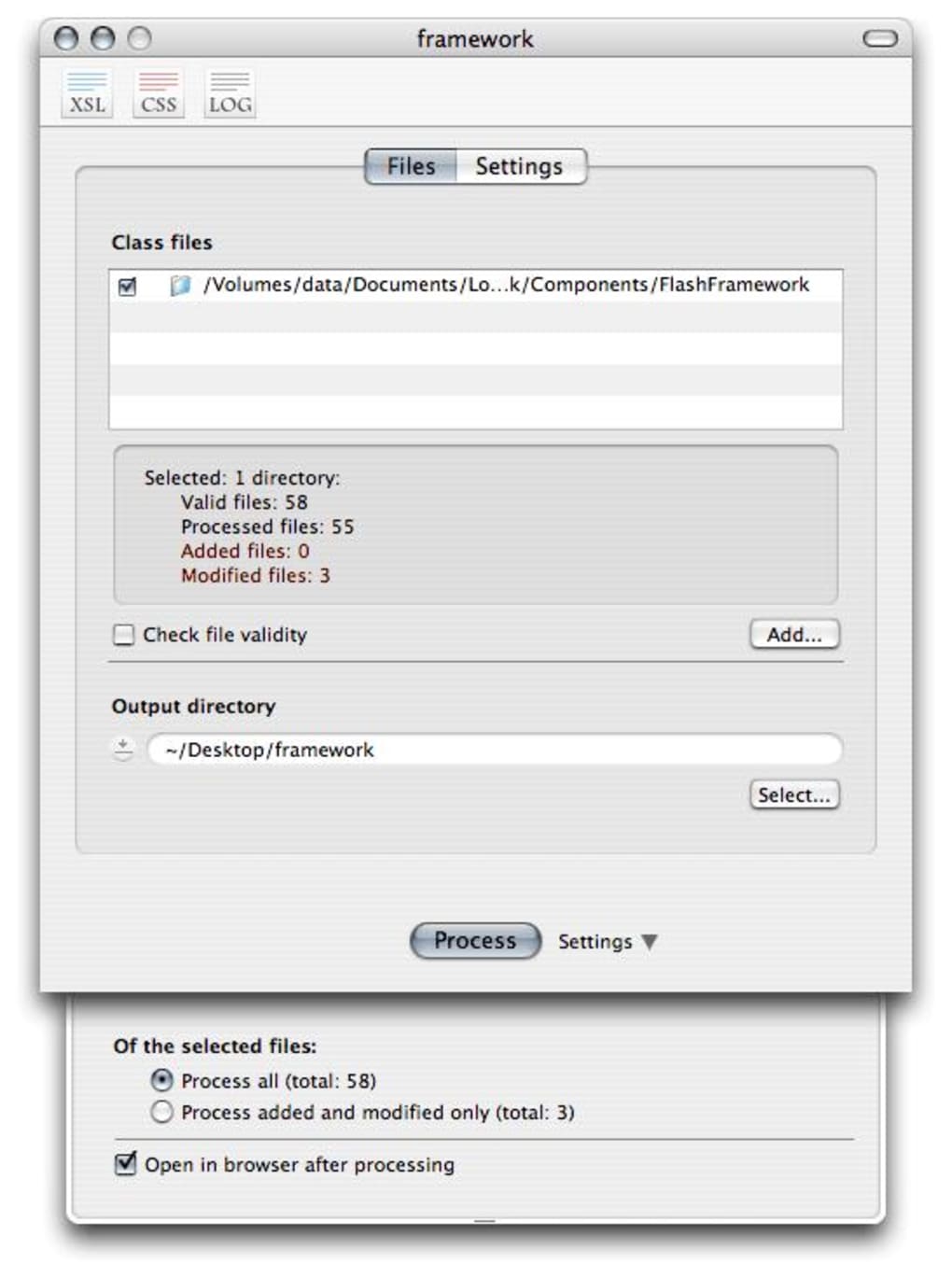
Once installed, using VisDoc is straightforward. Open the GUI, click “Add Project,” and point to the root folder of your compiled Java classes (usually the target/classes directory of a Maven build). Choose the desired XSL template, set the output directory, and press the Process button. VisDoc scans the folder, builds a dependency graph, and writes a set of interlinked HTML pages. If you prefer automation, the CLI command looks like this:
visdoc -src /path/to/classes -out /path/to/docs -template /path/to/template.xsl
The CLI supports flags for incremental builds (-incremental), profile loading (-profile myproject.cfg), and verbose logging (-v). Integrate the command into your build script (Maven, Gradle, Ant) to generate fresh documentation on every successful build.
System Requirements & Operating System Support
VisDoc is a Java‑based application, so it runs on any platform that provides a Java Runtime Environment (JRE) 11 or newer. Official binaries are offered for:
- Windows 10, 11 (64‑bit)
- macOS 12 Monterey and later (Intel & Apple Silicon)
- Linux distributions with GLIBC 2.17+ (Ubuntu 20.04, Fedora 34, Debian 10, etc.)
The GUI requires a minimum of 2 GB RAM and 200 MB of disk space for the application and default templates. For large enterprise projects (hundreds of thousands of classes), allocating 4 GB RAM to the JVM (using -Xmx4g) ensures smooth processing. Because VisDoc is open source, community‑maintained builds exist for ARM‑based Linux servers, making it a viable option for CI pipelines running on Docker or Kubernetes.
Pros and Cons
Advantages
- Fast incremental updates – Only changed classes are re‑processed.
- Highly customizable output via XSL/CSS templates.
- Cross‑platform – Works on Windows, macOS, and Linux.
- Free core version – No hidden licensing fees.
- CLI support – Easy integration into CI/CD pipelines.
Drawbacks
- Requires a Java 11+ runtime, which may be an extra install on legacy machines.
- GUI can feel dated compared with modern Electron‑based tools.
- Limited support for languages other than Java/ActionScript.
- Advanced template editing needs XSL knowledge, which has a learning curve.
Frequently Asked Questions
Can VisDoc generate documentation for source code without compiled class files?
VisDoc is designed to work with compiled .class files. While it can read Java source files in certain cases, the most reliable output is produced from bytecode because the tool extracts exact signatures and access modifiers directly from the compiled version.
Is there a way to customize the look of the generated HTML without writing XSL?
Yes. VisDoc ships with a default CSS file that you can edit directly. For deeper structural changes you’ll need to modify the XSL template, but simple branding—colors, fonts, logo placement—can be achieved by editing the CSS alone.
How does VisDoc detect which classes have changed since the last run?
VisDoc stores a checksum of each processed class file in a hidden project cache. On subsequent runs it compares current checksums with the cached values and reprocesses only those that differ, dramatically reducing the time required for large code bases.
Can VisDoc be integrated with Maven or Gradle?
Absolutely. Both Maven and Gradle allow you to execute external commands as part of the build lifecycle. By adding a simple exec task that calls the VisDoc CLI, you can generate up‑to‑date documentation automatically after each successful compile.
Is there a paid version with additional features?
The core VisDoc application is free and open source. A commercial “Pro” edition is offered by the maintainers, which adds premium templates, priority support, and a built‑in PDF export module. The free version is fully functional for most documentation needs.
Conclusion & Call to Action
For Java developers who need a fast, reliable way to turn compiled classes into clean, navigable HTML, VisDoc delivers a compelling mix of automation, customizability, and cross‑platform support. Its incremental processing and project profile system shave minutes off every build, while the XSL/CSS templating engine ensures that the final documentation matches your brand and style guidelines. Although the UI may feel a little dated and some advanced features require XSL knowledge, the overall value—especially given that the core version is free—makes VisDoc a solid addition to any Java development toolkit.
Ready to boost your documentation workflow? Download VisDoc now and start generating sleek, linked HTML docs in seconds. If you run into questions, the FAQ above and the community forums are great places to get help. Happy coding!