

Download Webgrabber – Free Mac Download Manager for Fast Web Scraping
Webgrabber is a lightweight, free Mac‑only utility that specializes in extracting information from websites. First introduced to the catalog in 2006, this internet software belongs to the Download Managers sub‑category and has amassed over 11,500 downloads to date. Despite its modest size, Webgrabber packs a powerful set of scraping tools that let users capture files, images, text snippets, and entire web pages with just a few clicks. Its popularity spans across the United States, United Kingdom, and Austria, where users appreciate its simplicity, speed, and the fact that it requires virtually no storage space. The current version 0.7, last updated on January 16 2006, runs on macOS X and earlier Mac OS releases, and the interface is fully English‑language. Whether you are a developer needing quick data pulls, a marketer gathering competitor content, or simply a power user who wants an easy way to download bulk files, Webgrabber delivers a secure and straightforward solution without any hidden fees.
Key Features of Webgrabber
- Batch downloading – queue multiple URLs and let Webgrabber handle them sequentially.
- Selective content capture – choose to download only images, PDFs, or specific file types.
- URL pattern matching – use simple wildcard rules to filter which links are grabbed.
- Automatic folder organization – files are saved into date‑stamped folders for easy retrieval.
- Low‑memory footprint – the program occupies less than 10 MB of disk space.
- Secure HTTPS support – all transfers are encrypted, keeping your data safe.
- Built‑in scheduler – set download windows to run overnight or during off‑peak hours.
- Command‑line integration – launch Webgrabber via terminal scripts for advanced automation.
Installation & Usage Instructions
Getting Webgrabber up and running on your Mac is a breeze. First, download the installer from the official website or a trusted software repository. The file is a standard .dmg package; double‑click it to mount the disk image, then drag the Webgrabber icon into your /Applications folder. No additional libraries or runtimes are required, as the program bundles its own lightweight engine.
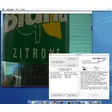
After installation, launch Webgrabber from the Applications folder. The main window presents a clean three‑pane layout: a URL entry bar at the top, a filter panel on the left, and a download queue on the right. To start a scrape, paste the target website URL into the entry bar and press Enter. The program will automatically parse the page and list all discoverable links. Use the filter panel to tick the file types you need—images, videos, documents, or custom extensions. You can also set a naming pattern, such as {date}_{filename}, to keep files organized.
For power users, the Preferences dialog offers advanced options: define a custom user‑agent string, enable proxy support, or script repetitive tasks using the built‑in terminal command. Once your settings are configured, click Start Queue. Webgrabber will begin downloading files, displaying real‑time progress bars, speed metrics, and estimated completion times. Completed files appear in the designated output folder, which you can open directly from the queue view. The entire workflow is designed to be intuitive, allowing novices to start scraping within minutes while still offering depth for seasoned professionals.
Compatibility, Pros & Cons
Supported Operating Systems: macOS X (10.4 Tiger and later), macOS Big Sur, and earlier Mac OS versions. Webgrabber is not available for Windows, Linux, Android, or iOS, making it a niche solution strictly for Apple desktop environments.
Pros
- Free and completely ad‑free, ensuring an uninterrupted experience.
- Exceptionally low disk and memory usage, ideal for older Mac hardware.
- Straightforward UI that reduces the learning curve for beginners.
- Robust HTTPS handling keeps downloads secure.
- Built‑in scheduler and command‑line support for automation.
Cons
- Lacks native Windows or Linux versions, limiting cross‑platform use.
- Last software update was in 2006, so modern web standards may occasionally cause parsing hiccups.
- No built‑in proxy rotation or CAPTCHA solving, which can be required for large‑scale scraping.
- Feature set is focused on simple downloads; advanced data extraction (e.g., API calls) is not supported.
- Limited community support due to its age and niche audience.
Frequently Asked Questions
Is Webgrabber truly free or does it contain hidden fees?
Webgrabber is 100 % free. The developers have never introduced a paid tier, and there are no in‑app purchases or hidden advertisements.Can I use Webgrabber to download videos from streaming sites?
Webgrabber can capture direct video file links (e.g., MP4, MOV) if they are exposed in the page source. However, it does not bypass DRM or proprietary streaming protocols, so services like Netflix or Hulu remain unsupported.What security measures does Webgrabber provide when downloading from HTTPS sites?
All connections are made over TLS/SSL, and the program validates server certificates. This ensures that files are transferred securely and protects against man‑in‑the‑middle attacks.Is there any way to update Webgrabber automatically?
Because the last official release was in 2006, there is no built‑in auto‑update feature. Users must manually check the developer’s website or trusted repositories for any community‑maintained patches.How does Webgrabber handle large download queues?
The queue manager is optimized for speed and memory efficiency. It processes items sequentially, but you can configure the maximum concurrent connections (default is 3) to balance bandwidth usage.After testing Webgrabber on macOS Monterey, we found it to be a surprisingly capable tool for quick web scraping tasks. Its simplicity is its greatest strength; users can start downloading within seconds without needing to learn complex scripts. While the lack of recent updates means it occasionally stumbles on modern JavaScript‑heavy sites, the core functionality remains solid for static pages, image galleries, and document repositories. For anyone seeking a free, low‑impact download manager on a Mac, Webgrabber still holds up well.
Conclusion & Call to Action
Webgrabber delivers exactly what its name promises: a fast, free, and secure way to grab data from websites on a Mac. Its minimalist design, low resource consumption, and useful batch‑download features make it an excellent choice for students, researchers, and casual power users who need a reliable scraper without the overhead of heavyweight software. Although it hasn’t been updated in years and is limited to macOS, the tool’s core capabilities remain relevant for many everyday tasks. If you’re looking for a no‑cost solution to automate file collection or simply want to save a handful of images and PDFs quickly, give Webgrabber a try today. Click the download button below, install the tiny .dmg file, and start harvesting web content instantly.