
CSNK2B FOUNDATION
"One of the most important epilepsy genes you've never heard of." - Dr. Tristan Sands
CSNK2B Neurodevelopmental Syndrome (OMIM #618732) is a rare genetic disorder first identified in 2017. Common symptoms include early onset seizures, hypotonia, variable Intellectual Disability (ID), and speech delay.

Research is rapidly advancing our understanding of the CSNK2B gene mutation, bringing us closer to targeted therapies. Follow the link to learn more about how to participate in this crucial work.
If you're newly diagnosed or already part of our community, complete this form to receive updates on research, studies, and treatment advancements.
Our Mission
It is the mission of the CSNK2B Foundation to bring awareness and education to CSNK2B Neurodevelopmental Syndrome and to enrich the lives of those affected by accelerating research, treatments and by chasing a cure for CSNK2B.
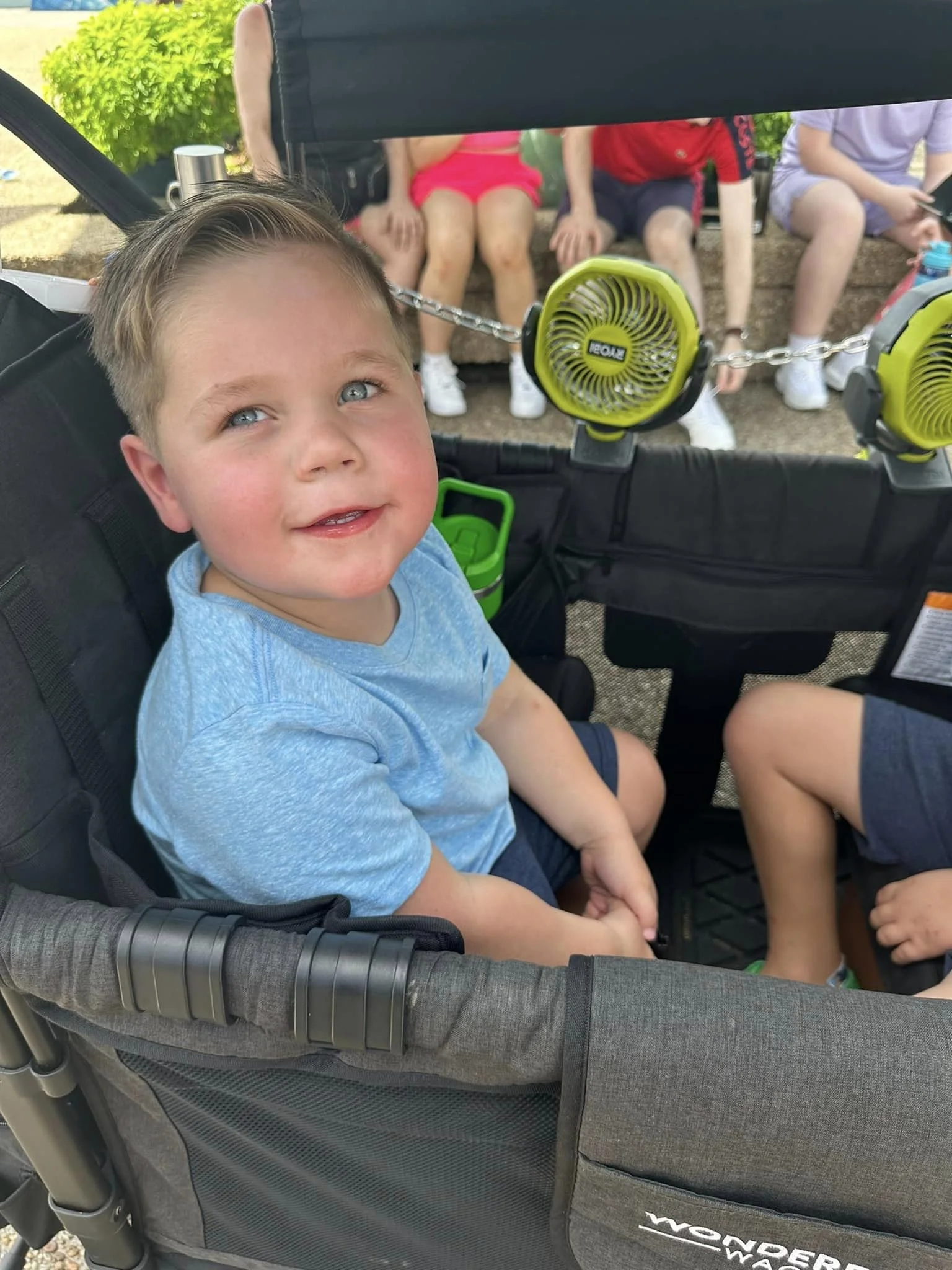
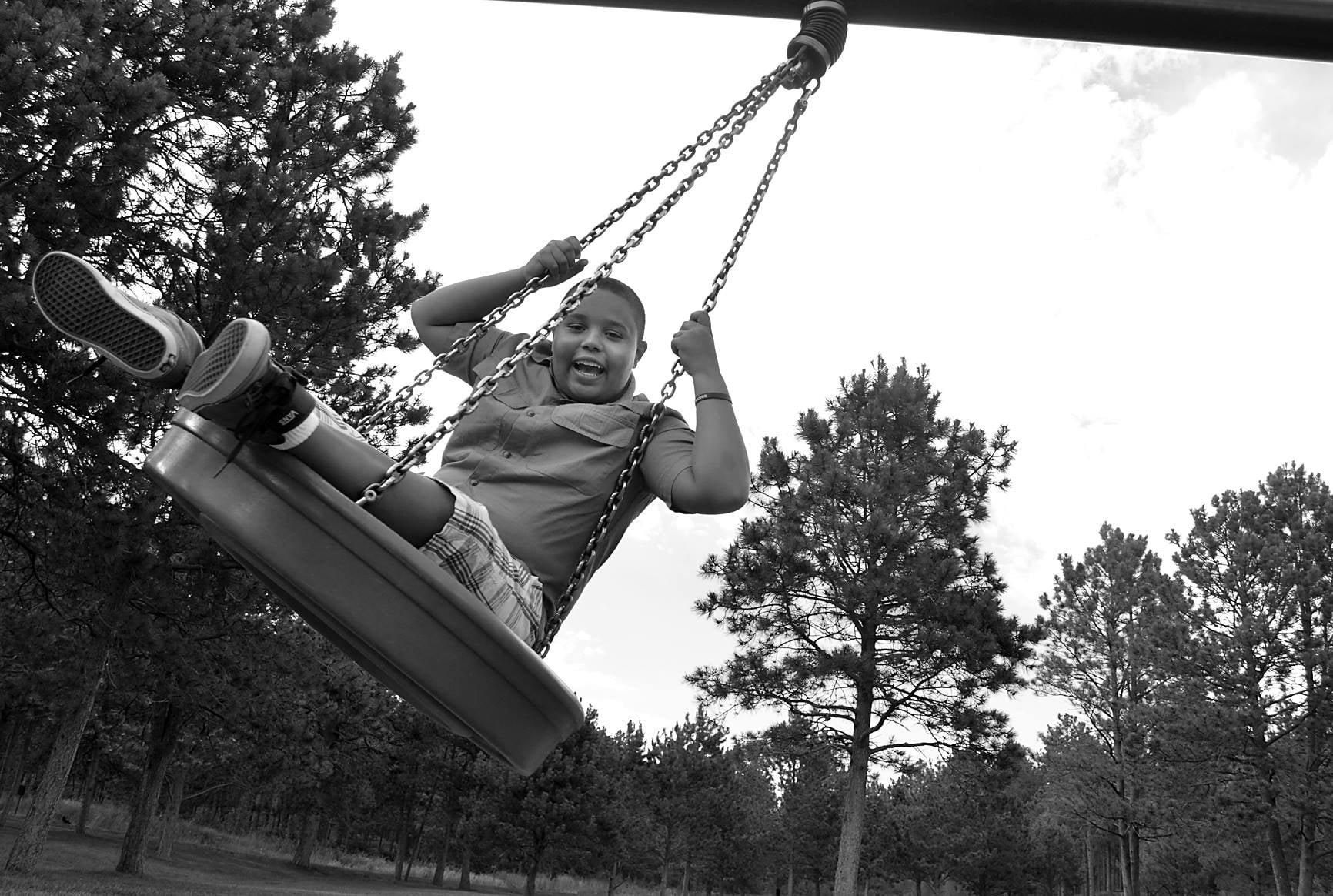

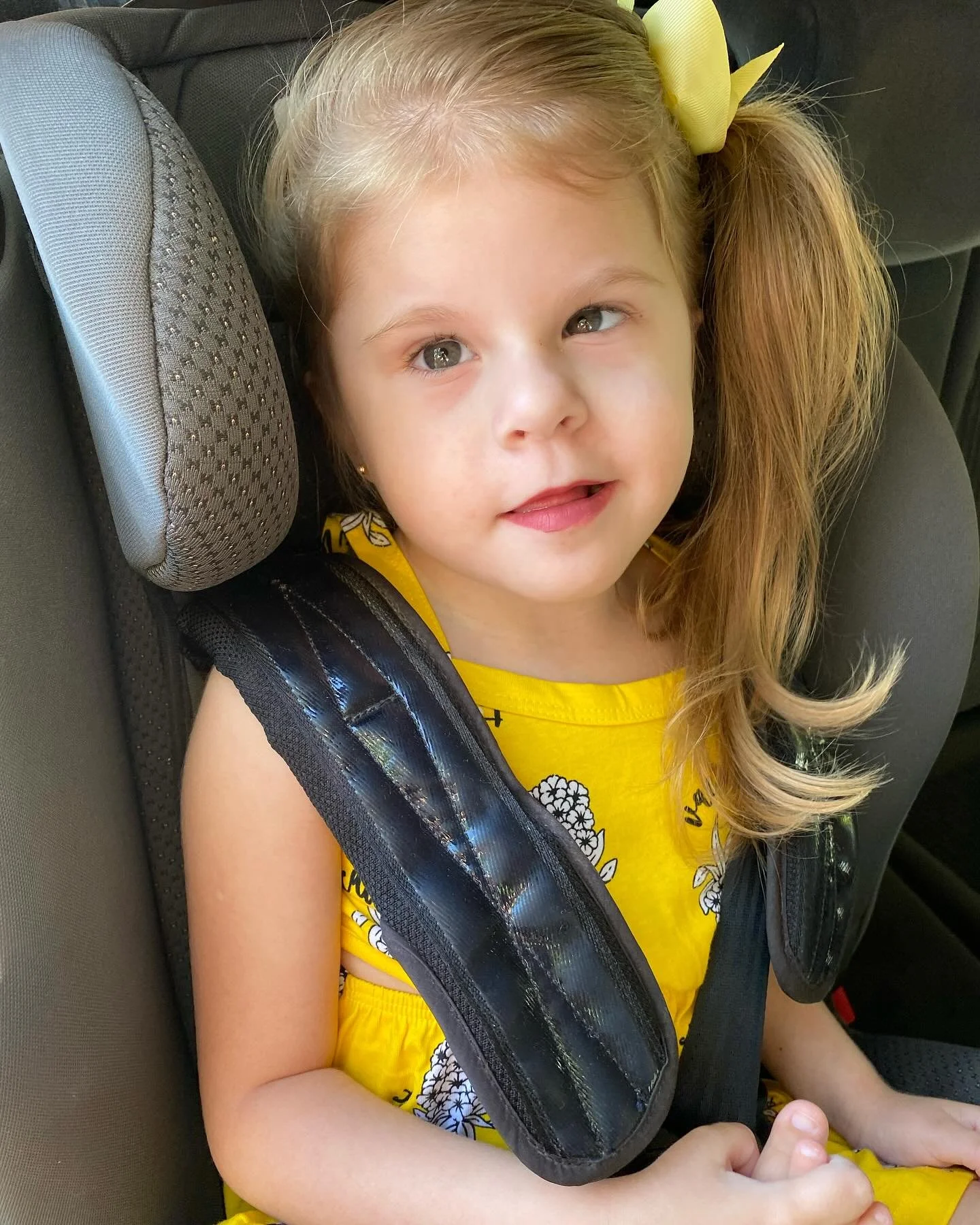
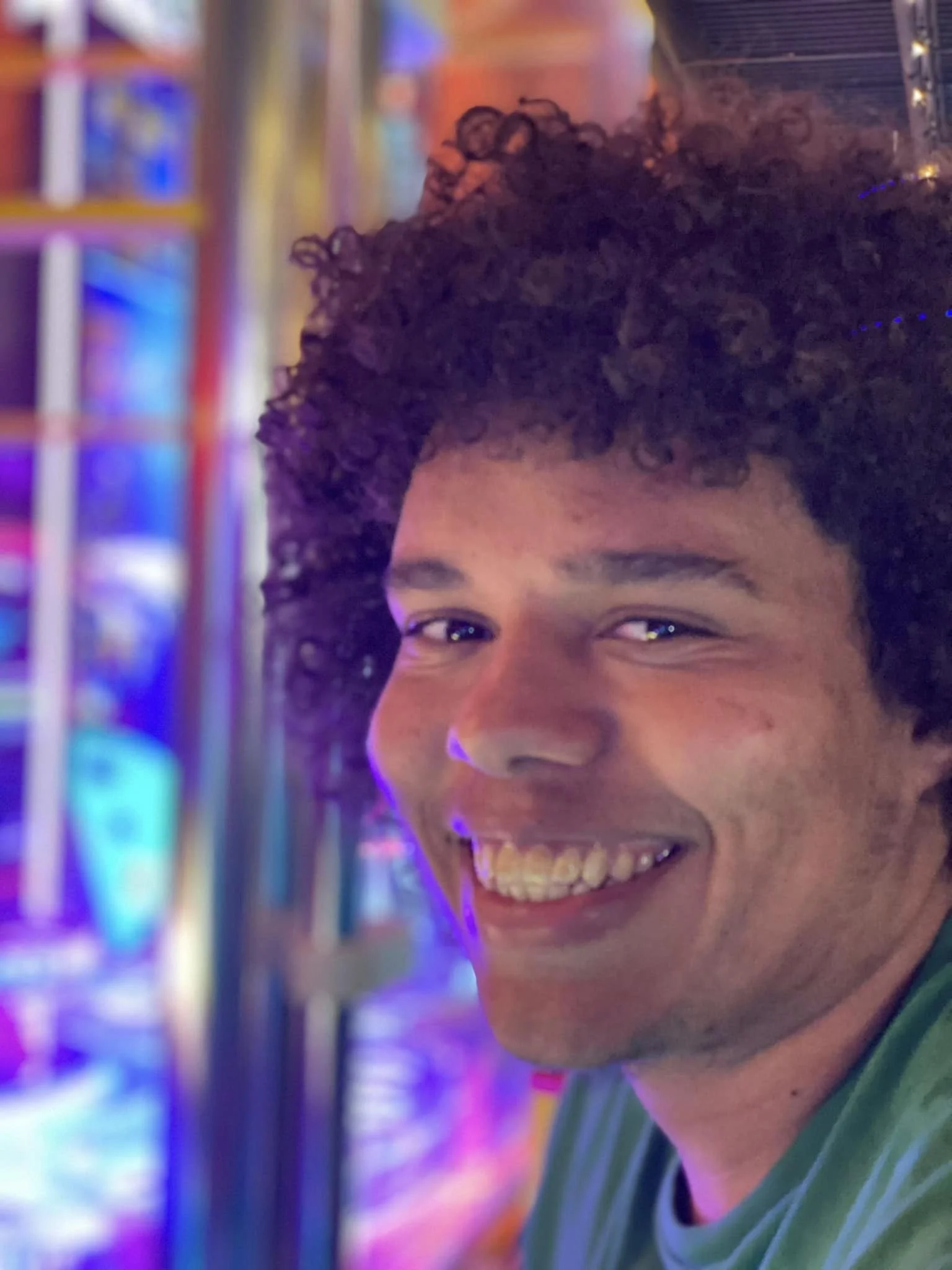
What is CSNK2B?
CSNK2B is a rare genetic condition caused by changes in the CSNK2B gene, which plays a crucial role in brain development and function. Mutations in this gene can lead to a range of neurological challenges, including epilepsy, developmental delays, and other complex medical needs. At the CSNK2B Foundation, we are dedicated to raising awareness, advancing research, and supporting families affected by this condition.
Resources
Explore helpful articles, research, and insights related to CSNK2B. Whether you're a parent, caregiver, or medical professional, these resources are here to support and inform.

Membership Organizations


-
CSNK2B Neurodevelopmental Syndrome is caused by a mutation in the CSNK2B gene, located on Chromosome 6. The gene CSNK2B creates a component of a protein called CK2 which plays a crucial role in development.
Changes to this gene can disrupt typical development. Most cases to date have been demonstrated to be de novo. CSNK2B Neurodevelopemental Syndrome is functionally a heterozygous dominant condition.
-
CSNK2B Neurodevelopmental Syndrome occurs in males and females. Some research has suggested that males may more often be more severely affected but this finding is not certain.
-
Currently there are about 125 people worldwide diagnosed with this rare genetic condition, but the true number of affected people are unknown. As WES and whole genome sequencing become less expensive and more available across the globe, we expect the numbers to increase.
-
Missense, nonsense, frameshift, stop-start, splice site, deletions, and duplication mutations occur in CSNK2B Neurodevelopmental Syndrome. The functional consequences of missense variants have not been well characterized. The presumption has been that they result in loss-of-function, but gain-of-function has been reported for some variants. We don't yet know if the severity of the clinical findings is correlated with different mutation types.
-
The vast majority of CSNK2B mutations are new in the individual with CSNK2B Neurodevelopmental Syndrome (de novo) and are not present in either parent. In most cases the risk for parents to have another child with CSNK2B Neurodevelopmental Syndrome in a future pregnancy is very small, but there is a chance that one of the parents has additional egg or sperm cells with the CSNK2B mutation. If an individual with CSNK2B Neurodevelopmental Syndrome has children, there is a 50% risk of passing the CSNK2B mutation to their children.
-
There is no definitive cure, but research is underway. Assessments and therapies recommended depend on symptoms and include:
Seizure management by a neurologist or epileptologist
Speech therapy including assistive communication starting at 12 months of age
Intellectual & behavioral assessments with appropriate educational support
Physical and occupational therapy
