
Quiet Custodians of Heavy Industry
We Clean Dirt.
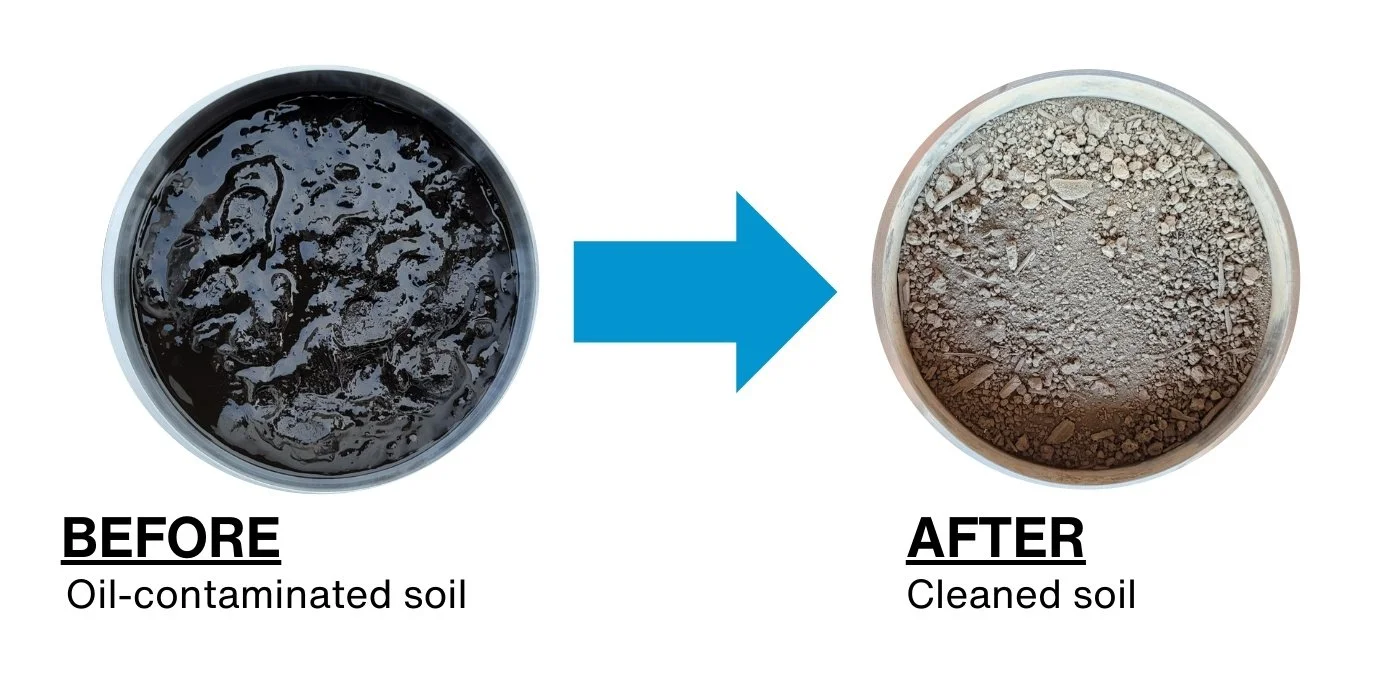
Today’s drillers must haul out oil-contaminated soil. Now there’s a better way.
Simply put it into Austere’s machine to automatically separate the soil and the petroleum. Then put the dirt back in the hole and keep the petrol.
Austere Advantages
Reuse diesel lubricant for drill cutting
Savings of 25M diesel barrels/year
Save on disposal costs
83% cost reduction
Reduce environmental liability
$7.4M fine for one recent onshore pipeline spill*
https://www.epa.gov/newsreleases/oil-companies-pay-74-million-civil-penalties-resolve-us-claims-pipeline-spill-allotted
What We Do

We’re like janitors who silently work in the background to make sure operations continue running efficiently.
Our machinery separates liquids from solids.
Our technology makes heavy industry more profitable and more environmentally sustainable. This rare combination makes adoption an easy choice.
Traditionally, doing the “green” thing has required a trade-off of taking on more expense or overhead. This creates friction and makes it less likely that industrialists will take steps to reduce their environmental impact.
By making it a win-win for both industry and the environment, Austere is able to make a tangible impact on our customers’ bottom line and the planet’s health.
Valuable Applications
Drill cutting remediation for oil and gas is only the beginning of what our machinery is capable of.
Waste Reduction
Soil contaminated by a spill is considered hazardous waste and must be trucked to a landfill. In reality, this “contaminated” soil is 99% healthy soil with less than 1% contaminant.
Austere extracts the contaminants and returns the healthy soil to the environment where it came from. This reduces hundreds of millions of tons of waste every year in the United States alone.
Chemical Recovery from Mining Tailings
Bulk Material Dewatering
Separate valuable extractive chemicals from finished tailings for economical reuse and lower environmental liability.
Simply put tailings into Austere's Remediation Unit to remove aqueous chemicals from the dirt. Leave the cleaned soil behind and save money by recycling the chemicals.
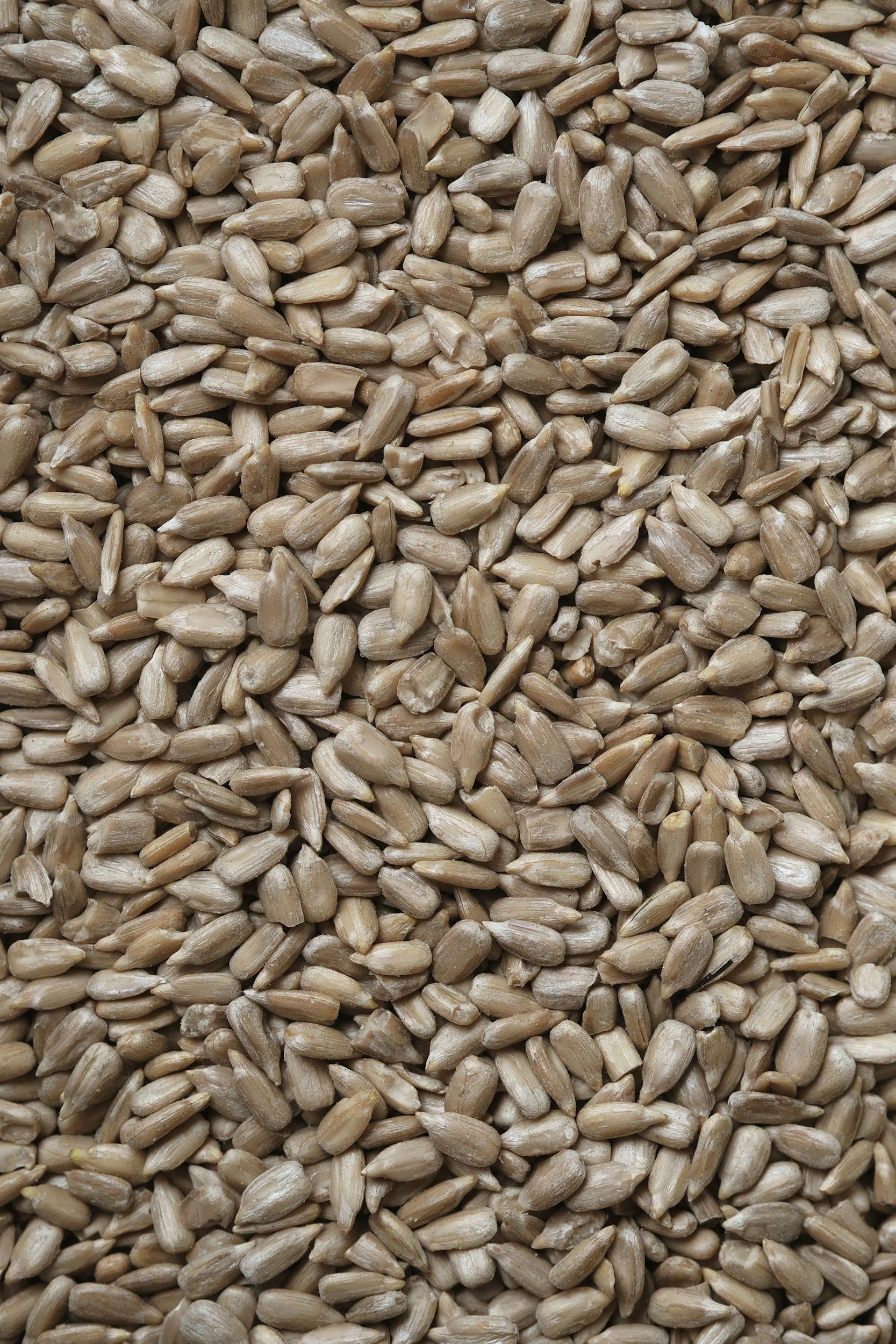
Remove water and other fluids from materials such as sludges and crops using less than 75% of the energy required by conventional dryers.
This reduces transportation mass and captures the water in the process.
Decontamination
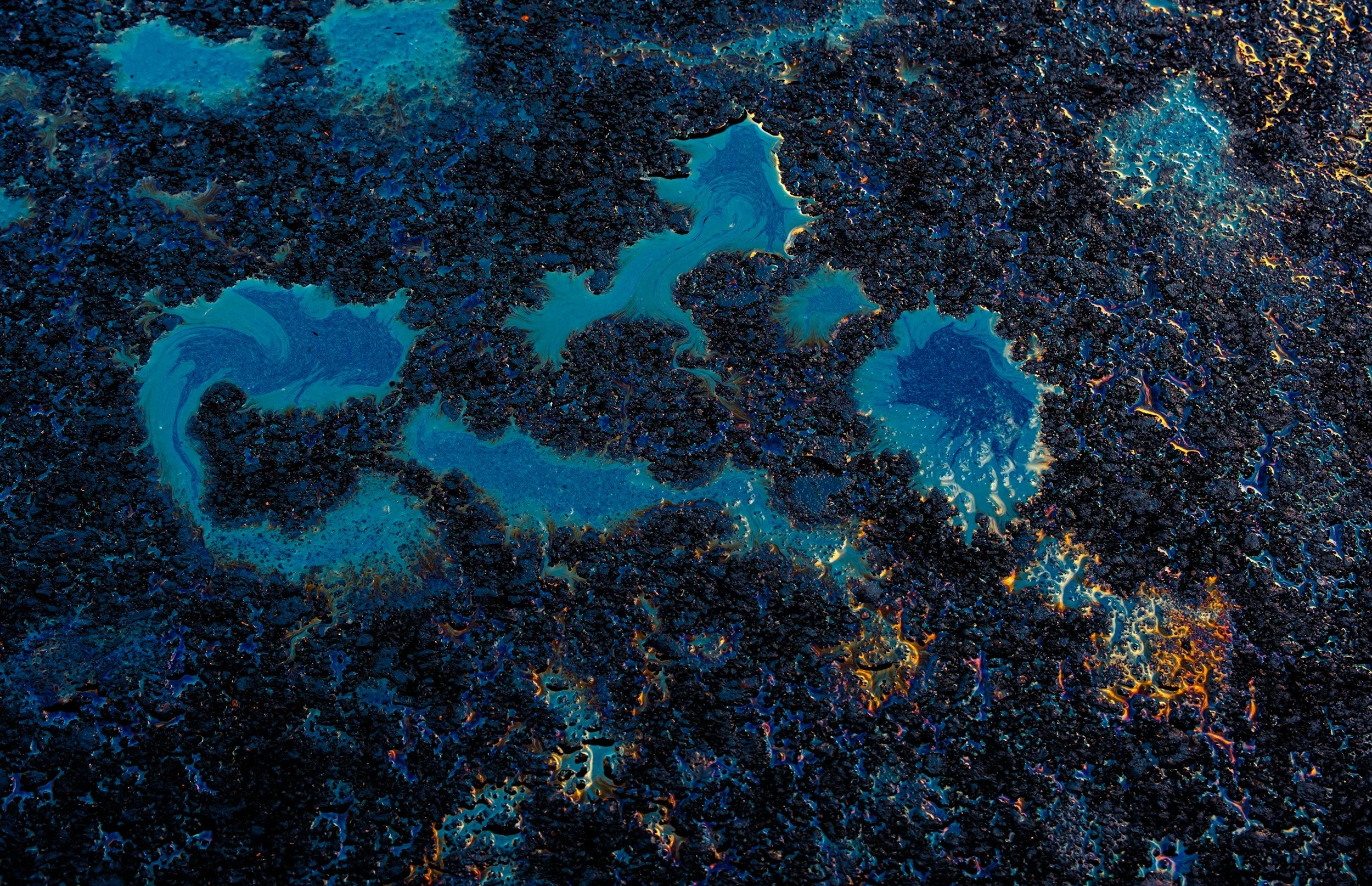
Use Austere’s Remediation Unit to decontaminate onshore oil and liquid chemical spills.
It is faster, more effective, and less labor-intensive than bioremediation, in addition to being cheaper and much cleaner than soil incineration.
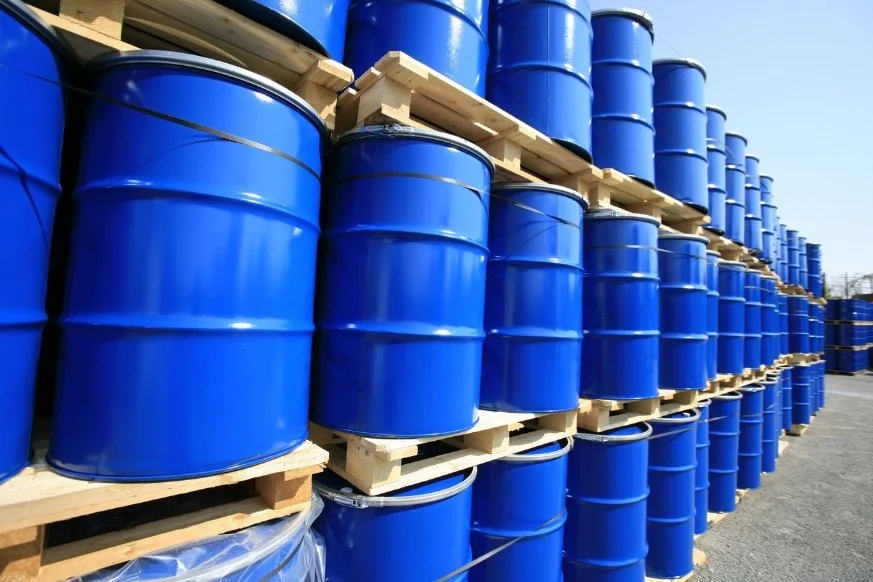
Petroleum Product Recovery
Recover 100% of the petroleum product that’s otherwise destined for the landfill.
Between boosting top-line revenues or reducing the operating costs associated with drilling, investing in Austere's Remediation Units provides a clear and tangible ROI.
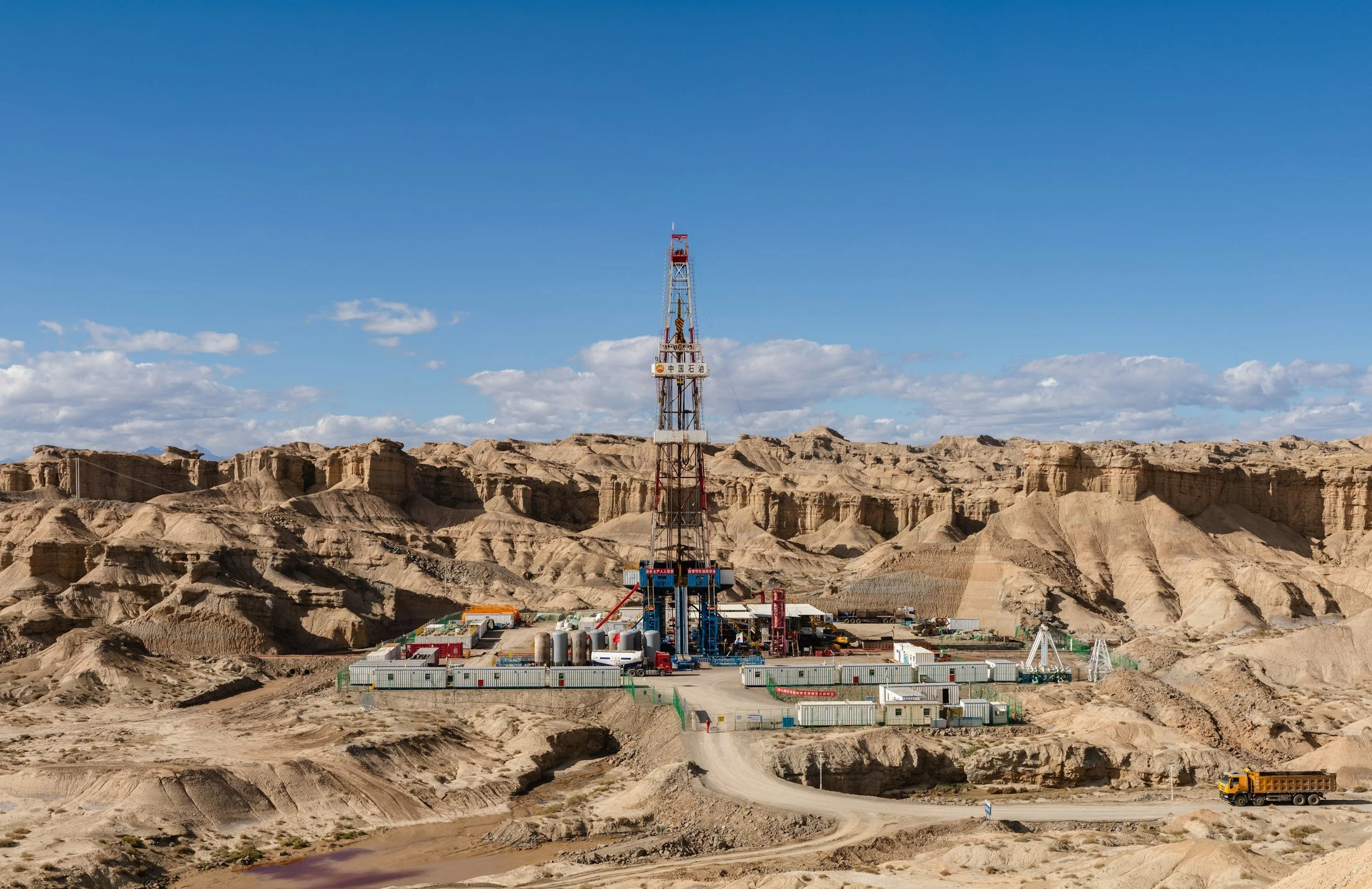
Isolating Granular Solids for Reuse
Drillers rely on expensive high-grade minerals, but they’re usually single-use. Recover them instead and reduce operating costs.
Drilling mud and chemicals make up over 9%* of total well costs. That's money that operators save when they deploy Austere's Remediation Unit.
* https://www.drillingmanual.com/oil-well-drilling-cost-estimation/
Dewatering for Mineral Processing
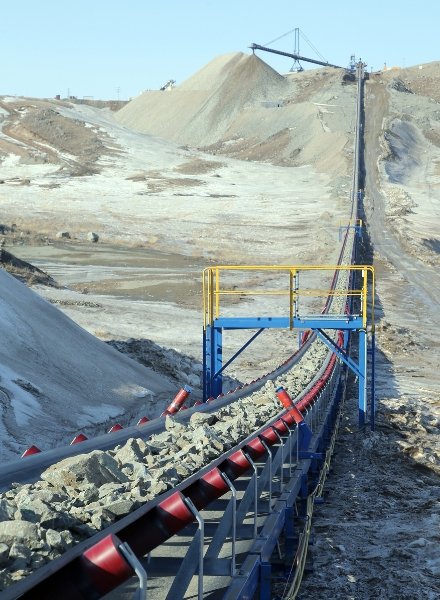
Remove and recover all water from all types of ore before processing. This reduces the energy costs traditionally associated with dehydrating minerals.
Many types of tailings have water content between 75 and 85%*. All of this water needs to be removed before undergoing further processing, making dehydration a necessity. Austere’s De-watering Unit makes that easy, cheap, and efficient.
*https://link.springer.com/referenceworkentry/10.1007/978-981-19-0740-1_503-1
Verified by Third-Party Testing
Effectiveness independently verified by SGS and Pace Analytical.

We reduce total petroleum hydrocarbon (TPH) levels to 100 parts per million (PPM), even for heavy crude contamination that starts at 15,000 PPM.
The EPA limit is 500 PPM and the dirt in your backyard is 300 PPM. That makes dirt that comes out of our machine 3x cleaner than your backyard.
Austere reduced semivolatile organic compound levels to 101.9 PPM (analyzed by GC) using method 8015M.

Meet Austere Environmental
Dr. Curtis Purrington
CEO & Founder
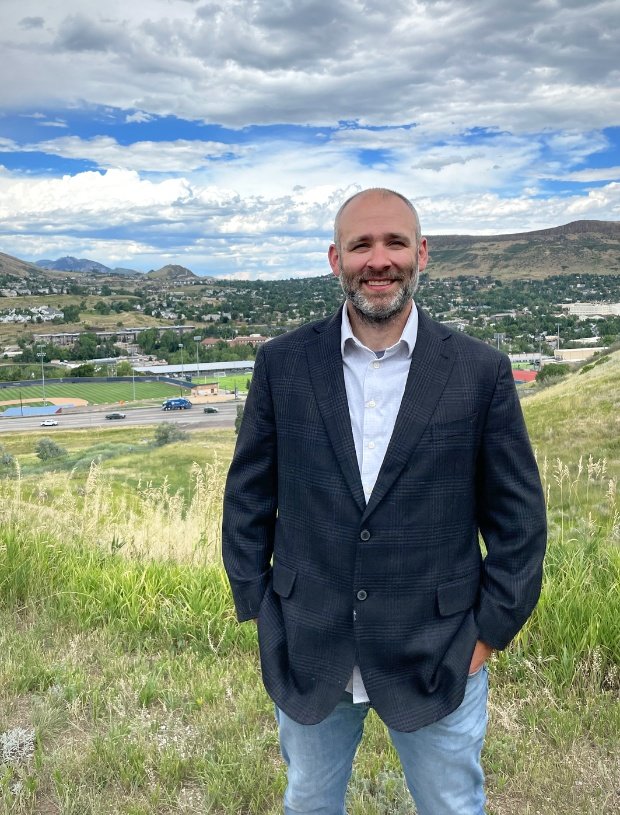
Dr. Purrington founded Austere Environmental after successfully participating in multiple companies in the mining industry. Before that, he spent eight years as a Military Flight Test Engineer and eight years in the US Air Force as an F-16 Crew Chief.
Dr. Purrington holds a PhD in Space Resources from the Colorado School of Mines, an MS in Mechanical Engineering from Mines, and a BS in Aerospace Engineering from the University of Arizona.
curtis.p@eaustere.com
Strategic Partnerships
Investors

Shell is our primary seed investor and strategic partner
Continued Collaboration with These Organizations
Space-Age Technology
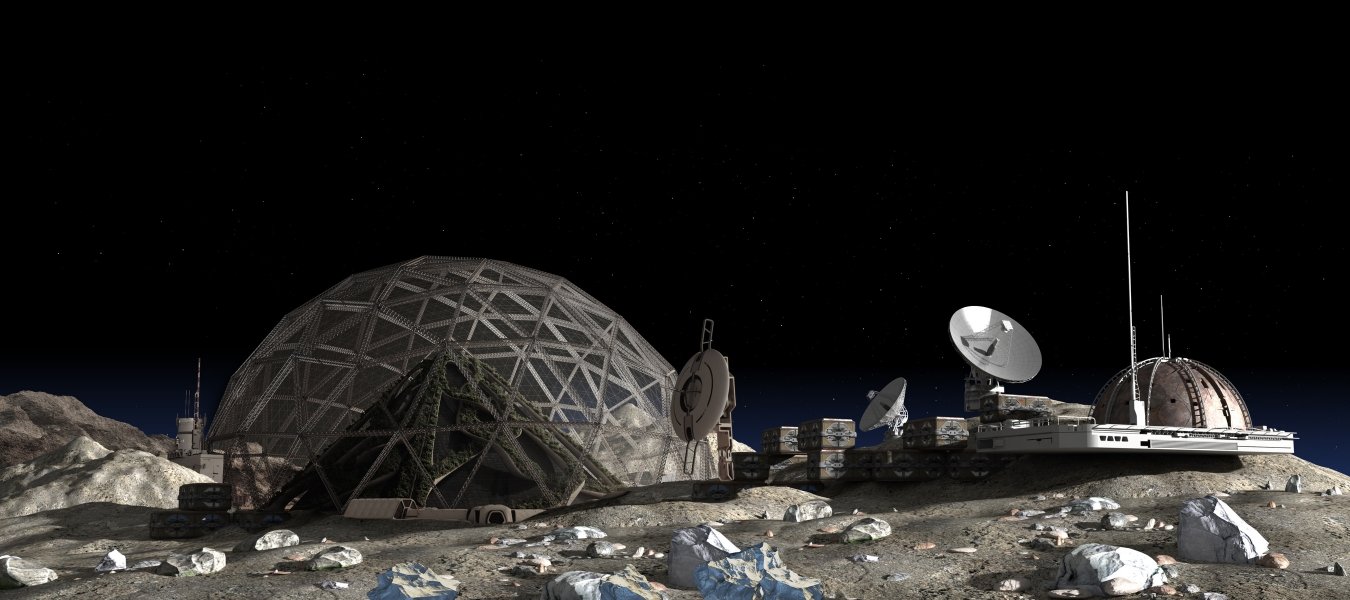
Austere Environmental’s cofounders originally developed our technology for use on the Moon while completing their PhDs in Space Resources at the Colorado School of Mines.
The original premise involved extracting water from large quantities of icy lunar regolith (soil) on behalf of NASA. We still plan to deploy our technology on the Moon to provide water and oxygen both for astronaut life support and for rocket propellant.
When we realized our invention could have a larger and more immediate impact right here on Earth, we founded Austere Environmental to commercialize this advanced space-age technology.
Invest in Austere Environmental
Do you want to be part of this story and put your capital to work in a company that makes sustainability profitable?
Our beachhead market of oil and gas drilling alone is a $110B opportunity. And that’s just the beginning.
We’ve built this advanced machinery, and our early customers and strategic partners love the results.
We’re growing fast, and now we’re ready to scale up our production, distribution, and operations.
Get in touch today to learn about investment opportunities.
Contact Us
