

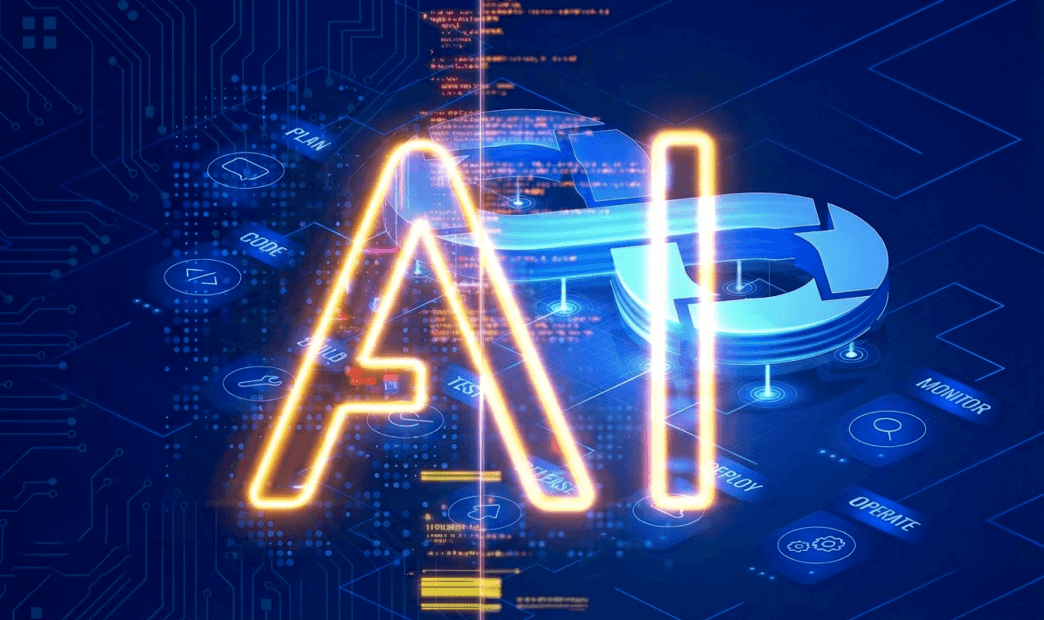

Key takeaways about AI in AppSec:
- Anthropic’s integration of Claude into application security signals a major shift where AI is moving beyond being just an adjacent tool and is becoming deeply embedded into developer and security workflows.
- While AI-powered AppSec drastically accelerates vulnerability discovery and secure coding, testing alone only provides observation—it identifies flaws but cannot determine actual business risk.
- In modern cloud environments, understanding true risk requires full-stack cloud context to see how code vulnerabilities connect to runtime exposure, identity permissions, and sensitive data.
- The rapid adoption of AI services creates new attack surfaces, making AI-SPM and AI-BOM visibility essential for governing shadow AI workloads and model misconfigurations.
- Orca Security bridges the gap between observation and action by combining AI-assisted discovery with the cloud graph to prioritize real-world exploitability and drive automated, policy-aligned remediation.
When Anthropic brings Claude into application security, it’s more than a product launch. It’s a signal that AI-native companies are moving directly into security workflows.
That shift reflects a broader transformation in how software is written, tested, and secured. As AI becomes embedded in development, it is inevitable that it becomes embedded in security.
The question is not whether AI-powered AppSec testing is valuable. It clearly is. The real question is whether testing alone is enough to reduce risk in modern cloud environments.
What Claude Gets Right
Application security teams have been under mounting pressure for years dealing with expanding codebases, open-source dependency sprawl, CI/CD velocity that outpaces review cycles, and vulnerability backlogs that rarely shrink.
AI meaningfully changes that dynamic. Models like Claude can reason about code semantically, detect logic flaws beyond pattern matching, generate contextual remediation guidance, and integrate directly into developer workflows.
That progress pushes AppSec testing closer to the speed of modern development. And that is a net positive for the industry.
But testing is still observation.
Testing Is Observation. Risk Reduction Requires Action.
AI-powered AppSec answers an important question: Is there a vulnerability in this code?
However, risk is rarely determined by code alone. It is shaped by where a workload is deployed, whether it is publicly exposed, what identities can reach it, what data it can access, whether it is actively exploitable, and what its blast radius would be.
Modern cloud risk is compositional. A medium vulnerability in a publicly exposed workload connected to sensitive data and overprivileged IAM roles may represent more business risk than a critical issue isolated in a development container.
Without cloud context, prioritization becomes theoretical. The industry must move beyond detection and toward action.
The Cloud Graph Is the Real Attack Surface
Today’s applications operate within deeply interconnected cloud environments that include containers, Kubernetes clusters, IAM relationships, secrets, infrastructure-as-code, cloud storage, AI services, and third-party APIs. Risk lives in the relationships between these components. Exposure, privilege, and data sensitivity determine real-world impact. As organizations adopt AI services within their environments, new risk categories emerge: model misconfiguration, exposed AI endpoints, excessive access to training data, and shadow AI workloads.
This is where AI-SPM (AI Security Posture Management) and AI-BOM (AI Bill of Materials) become essential for visibility and governance.
From Observation to Action: Where Orca Extends the Model
If AI-driven AppSec tools push security earlier in the lifecycle, that is meaningful progress. But once code ships, reality begins.
Orca Security delivers full-stack cloud visibility across workloads, identities, data stores, configurations, and AI services. Vulnerabilities are correlated with runtime exposure. Identity attack paths are mapped across the cloud graph. Sensitive data is identified and prioritized.
AI services are continuously assessed through AI-SPM. AI components and dependencies are inventoried through AI-BOM. Risk is scored based on exploitability and blast radius, not severity alone. Most importantly, this context drives automated, policy-aligned remediation workflows.
Observation tells you something is wrong. Action fixes it – consistently and at cloud speed.
AI + Context + Automation: The Real Next Phase
Claude’s entry into AppSec accelerates secure coding and vulnerability discovery. That acceleration is a positive step forward. But acceleration without contextual intelligence increases systemic risk.
The next phase of security is not AI testing versus cloud security platforms. It is AI-assisted development, AI-assisted vulnerability discovery, full-stack cloud context, AI-SPM and AI-BOM visibility, and automated remediation working together.
In a cloud-native, AI-driven world, security is not about seeing more findings. It is about turning the right findings into action.
Final Thoughts
AI is no longer adjacent to security – it is embedded within it. That evolution is necessary and overdue.
But in a modern cloud environment, understanding vulnerabilities without understanding context is incomplete. The organizations that will succeed are those that combine intelligent testing with contextual awareness and automated execution.
That is how velocity and security coexist.



 Chat with an Orca Expert