The post The Complete Engineering Manager Roadmap appeared first on Online tutorials for c programming, cplusplus, Java, Python.
]]>Engineering Manager occupy a critical position at the intersection of technology and leadership. They bridge the gap between technical execution and organizational strategy, ensuring that engineering teams deliver value while growing professionally. This guide provides a comprehensive breakdown of the various facets of this multidimensional role.. Engineering management is a complex discipline that bridges technical expertise with leadership skills. The modern engineering manager must wear multiple hats: people leader, technical guide, process facilitator, strategic thinker, effective communicator, and culture builder.
Engineering management sits at the intersection of technical expertise and people leadership. It’s a challenging role that requires balancing multiple responsibilities while fostering team growth and delivering business value. This comprehensive guide breaks down all key aspects of the engineering manager role based on industry best practices.
The 5 Pillars of Engineering Management

People Management
The foundation of engineering management is leading and developing people. This includes:
- Hiring and building high-performing teams
- Performance management and career development
- Conducting effective one-on-ones
- Team building and conflict resolution
Key Responsibility: Career Development
Great managers create individualized growth plans that align team members’ aspirations with organizational needs. This involves regular skill assessments, mentoring, and creating clear promotion pathways.

Technical Leadership
Maintaining technical credibility while guiding the team’s technical direction:
- Technical decision making and architecture reviews
- System design and scalability planning
- Code reviews and quality assurance
- Developing technical strategy and vision
Key Responsibility: Technical Debt Management
Engineering managers must balance short-term delivery with long-term code health by establishing processes to identify, track, and address technical debt.

Process Management
Creating efficient workflows and delivery mechanisms:
- Implementing agile methodologies effectively
- Project management and resource allocation
- Release planning and deployment oversight
- Documentation and knowledge management
Key Responsibility: Metrics & KPIs
Establishing meaningful metrics that measure what matters (like deployment frequency, change failure rate, mean time to recovery) without creating perverse incentives.

Strategy & Vision
Aligning technical work with business objectives:
- Roadmap planning and prioritization
- OKRs and goal setting
- Strategic thinking and industry analysis
- Developing business acumen
Key Responsibility: Innovation Management
Creating space for experimentation while ensuring innovation efforts are aligned with business needs and have clear success criteria.

Communication
Facilitating effective information flow:
- Cross-functional collaboration
- Stakeholder management
- Meeting facilitation
- Negotiation and conflict resolution
Key Responsibility: Executive Communication
Translating technical concepts into business terms and communicating team achievements and needs to senior leadership.
Deep Dive: People Management
Building High-Performing Teams

Effective hiring is the foundation of team success. Engineering managers should:
- Create compelling job descriptions that accurately represent the role while showcasing your company culture
- Design structured interview processes that evaluate both technical skills and cultural fit
- Use objective evaluation criteria to reduce bias and make consistent hiring decisions
- Develop comprehensive onboarding programs that help new hires become productive quickly
Pro Tip: Implement a “bar raiser” program where your strongest engineers participate in interviews to maintain high hiring standards.
Performance Management

Modern performance management focuses on continuous improvement rather than annual reviews:
- Set clear goals using frameworks like OKRs that align individual work with team and company objectives
- Provide regular feedback – both positive reinforcement and constructive criticism should be timely and specific
- Conduct meaningful reviews that recognize achievements while identifying growth opportunities
- Address performance issues early with clear improvement plans and support
Pro Tip: Use the SBI (Situation-Behavior-Impact) model for feedback to make it more objective and actionable.
Career Development

Helping team members grow is one of the most rewarding aspects of engineering management:
- Conduct regular career conversations to understand each person’s aspirations and concerns
- Create individualized growth plans that balance stretch assignments with achievable goals
- Provide mentorship and connect team members with learning opportunities
- Establish transparent promotion criteria so engineers understand what’s required to advance
Pro Tip: Maintain a “skills matrix” that tracks your team’s capabilities to identify growth opportunities and knowledge gaps.
Effective One-on-Ones
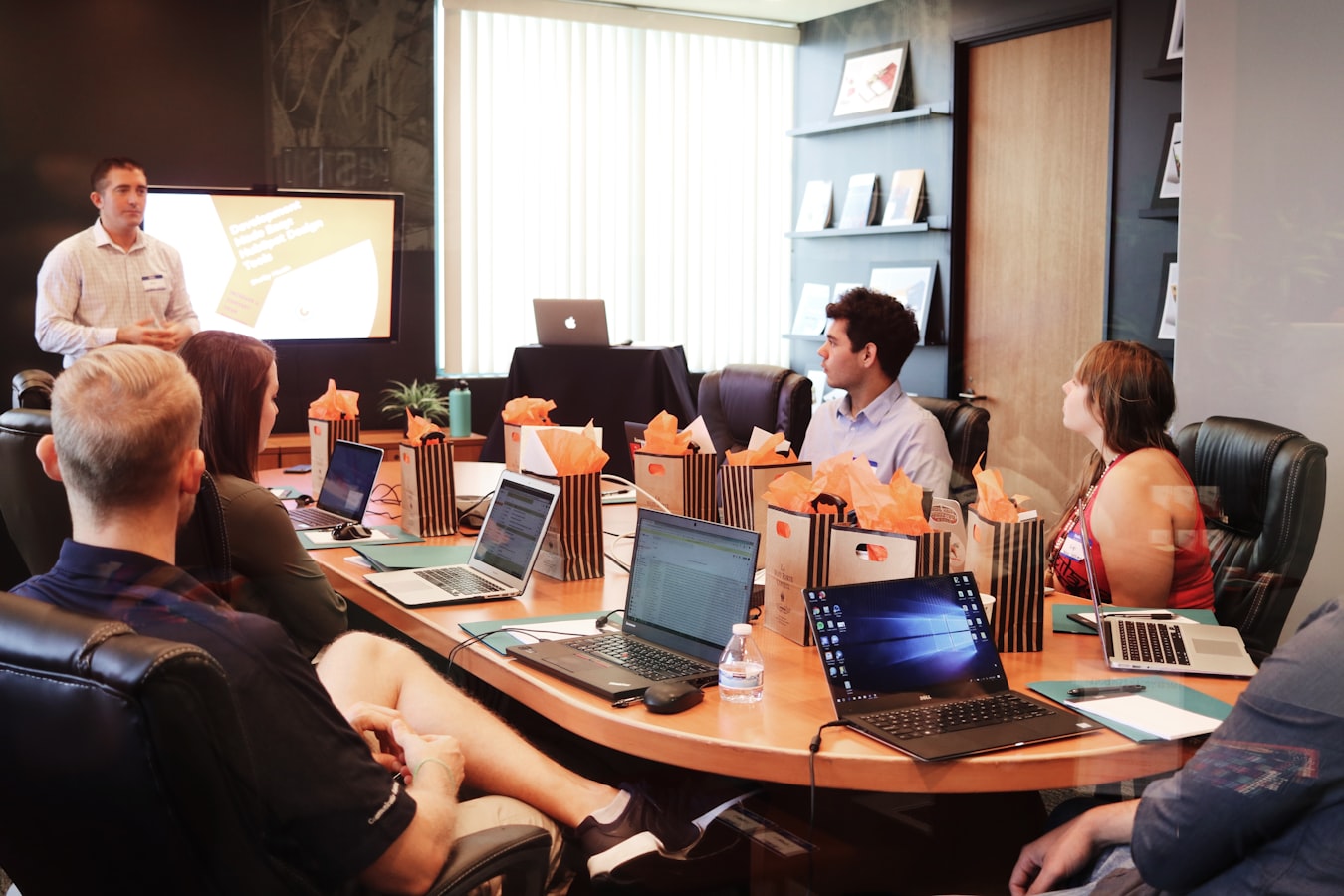
One-on-one meetings are your most powerful tool for building relationships with your team:
- Maintain a consistent schedule (typically weekly or biweekly) and protect this time
- Let the employee set the agenda – this is their time to discuss what matters to them
- Practice active listening – focus on understanding rather than responding
- Follow through on action items to demonstrate you value the conversation
Pro Tip: Keep shared notes for each 1:1 to track topics over time and ensure follow-through on commitments.
Technical Leadership in Depth

While engineering managers typically spend less time coding than individual contributors, maintaining technical credibility is essential. Key aspects include:
Architecture Reviews
Facilitate design discussions that evaluate proposed solutions against criteria like:
- Scalability: Can the system handle anticipated growth?
- Maintainability: Is the design clean and well-documented?
- Alignment: Does it fit with our technical strategy and standards?
- Cost: Are we making appropriate tradeoffs between perfection and practicality?
Technology Selection
When evaluating new technologies, consider:
- Team skills: Does your team have (or can they reasonably acquire) the necessary expertise?
- Community support: Is there an active community and good documentation?
- Longevity: Is this technology likely to be supported for the lifespan of your product?
- Integration: How well does it work with your existing stack?
Code Quality Practices
Establish and maintain high standards through:
- Structured code reviews: Use checklists and guidelines to ensure consistency
- Automated testing: Implement CI/CD pipelines with comprehensive test suites
- Technical debt tracking: Create a visible backlog of tech debt items
- Knowledge sharing: Use pair programming and documentation to spread knowledge
Process Optimization

Engineering managers must continuously evaluate and improve team processes:
Agile Implementation
Tailor agile practices to your team’s needs rather than following dogma:
- Choose the right framework: Scrum works well for predictable work, Kanban for maintenance
- Facilitate effective ceremonies: Keep standups short, retrospectives actionable
- Measure what matters: Track cycle time, lead time, and throughput rather than vanity metrics
- Inspect and adapt: Regularly evaluate what’s working and what isn’t
Project Management
Balance delivery with team health:
- Break down work: Create small, manageable chunks that deliver value
- Manage dependencies: Identify and address cross-team dependencies early
- Communicate proactively: Keep stakeholders informed about progress and challenges
- Plan for uncertainty: Include buffers for unexpected issues
Culture Building
As an engineering manager, you have significant influence over your team’s culture:
Psychological Safety
Create an environment where team members feel safe to:
- Ask questions and admit mistakes
- Share innovative (and potentially flawed) ideas
- Challenge assumptions and provide constructive feedback
- Be their authentic selves at work
Feedback Culture
Normalize continuous feedback by:
- Modeling vulnerability by asking for feedback yourself
- Making feedback specific, timely, and behavior-focused
- Creating multiple channels for feedback (peer-to-peer, upward, etc.)
- Balancing constructive criticism with positive recognition
Diversity & Inclusion
Build teams that leverage diverse perspectives:
- Implement structured hiring practices to reduce bias
- Create mentorship opportunities for underrepresented groups
- Ensure all voices are heard in meetings and decisions
- Regularly assess inclusion through surveys and conversations
Putting It All Together
Engineering management is a complex, multifaceted role that evolves as you gain experience. The most effective managers:
- Balance competing priorities: Technical quality vs. delivery speed, individual needs vs. team goals
- Adapt their approach: Different situations and team members require different management styles
- Continuously learn: Stay current with both technical trends and leadership best practices
- Take care of themselves: Manager burnout helps no one – maintain your own work-life balance
Engineering Manager Self-Assessment
Rate yourself on these key competencies (1 = needs work, 5 = strength):
The post The Complete Engineering Manager Roadmap appeared first on Online tutorials for c programming, cplusplus, Java, Python.
]]>