| Core positioning | Scene-level audio creation | Text-to-speech |
|---|
| Generated content | Spoken dialogue + background music + sound effects + ambience, generated and mixed in one pass | Voice only (a single speech track) |
|---|
| Multiple speakers | Native support for generating coordinated multi-character dialogue, emotion, and pacing in one pass | Usually requires repeated calls with different voices, followed by manual alignment and mixing |
|---|
| Background music & sound effects | Generated with the dialogue and automatically matched to its emotion and timeline | Not included; requires separate music models, sound libraries, and a DAW |
|---|
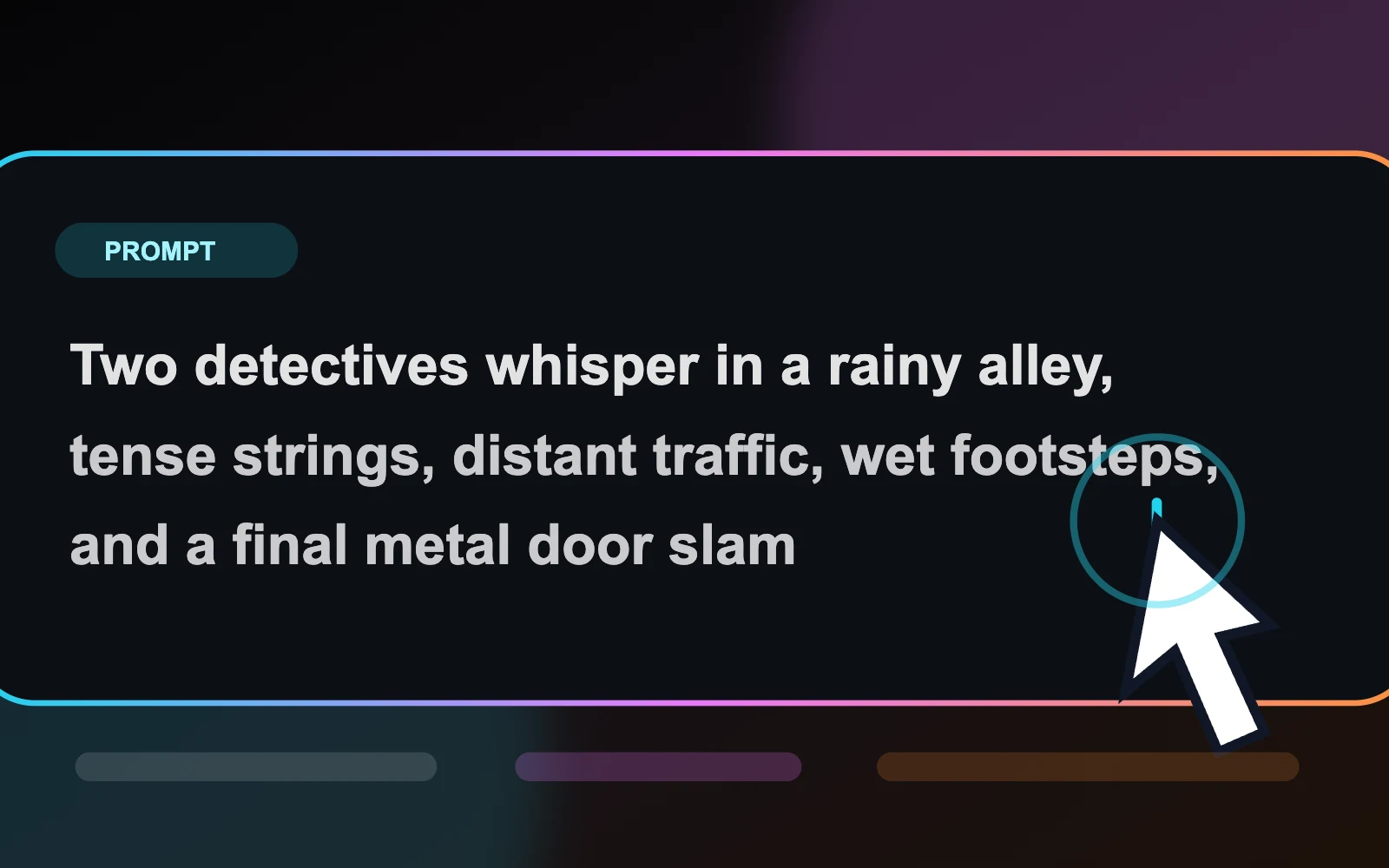
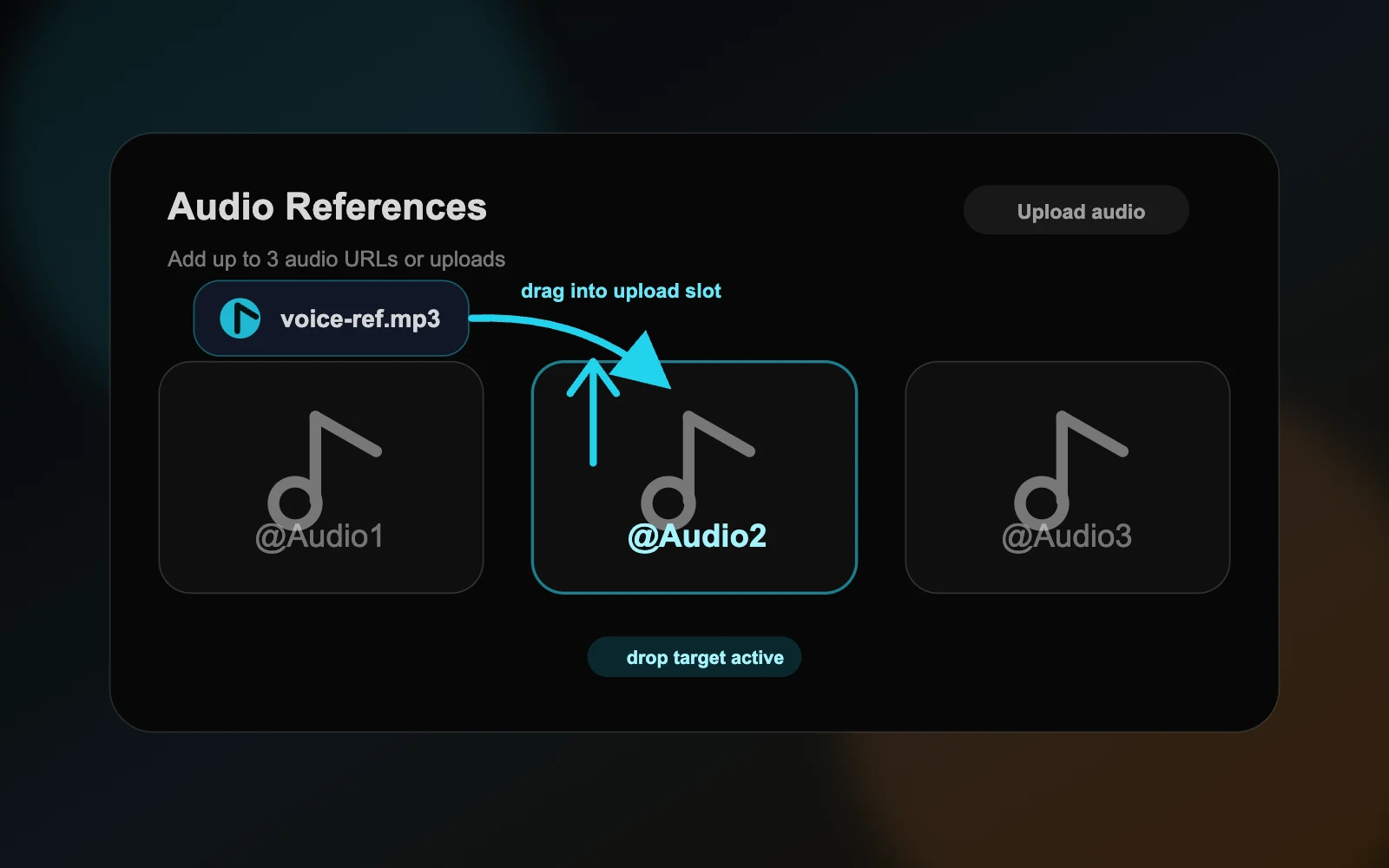
| Input method | Text prompt / reference audio (up to 3 clips) / reference image | Mainly text + a preset voice; some systems support basic references |
|---|
| Voice cloning | Zero-shot cloning from a short uploaded reference clip (about 30 seconds or less) | Often requires fine-tuning or training, or relies on a limited voice library |
|---|
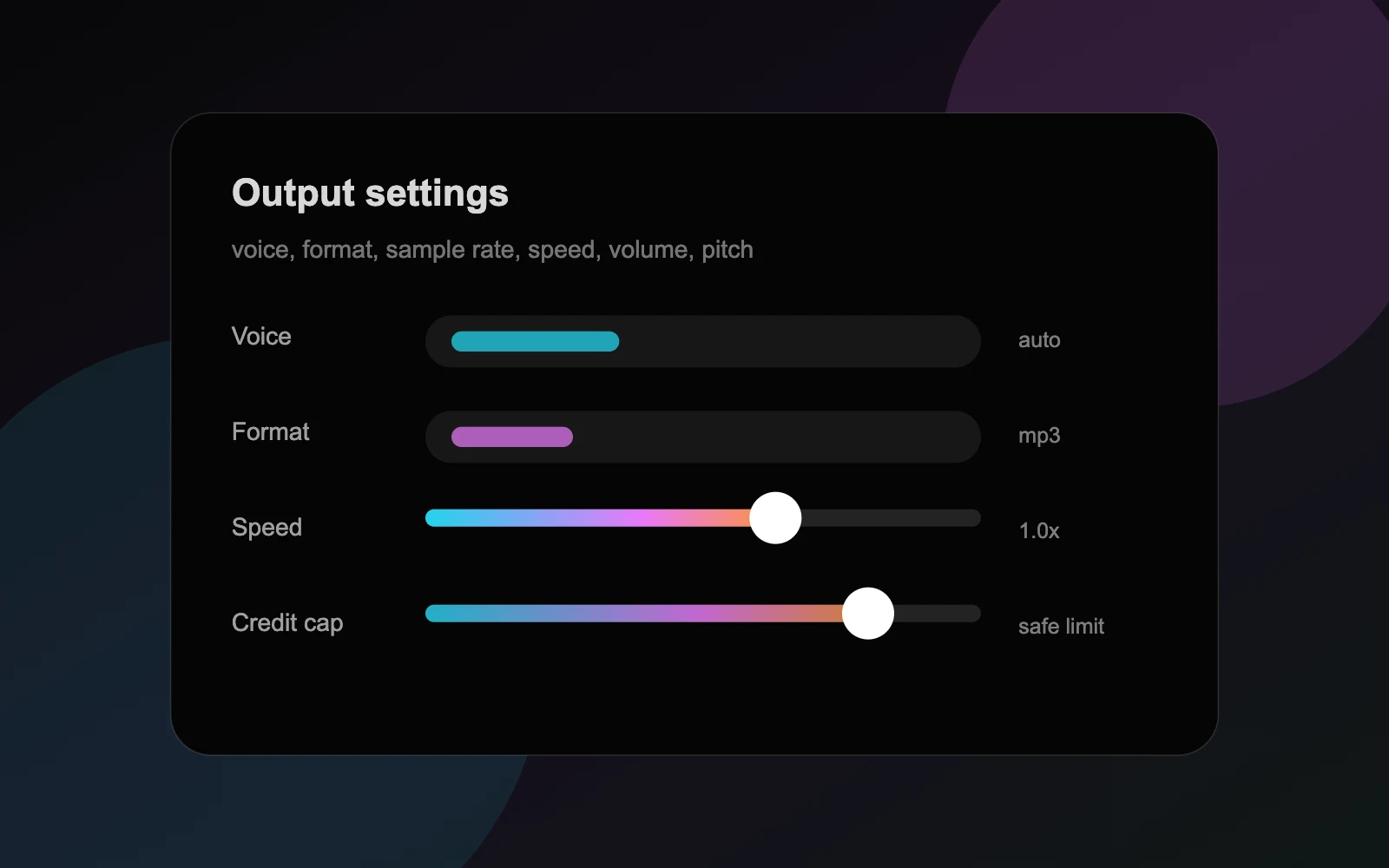
| Emotion & expressiveness control | Describe emotion, tone, accent, and pacing directly in natural language | Primarily controlled through SSML tags or limited parameters, with a narrower expressive range |
|---|
| Timeline control | Fine timestamp control over when dialogue appears | Generally not available |
|---|
| Output format | A fully mixed, non-streaming audio track up to about 2 minutes per generation | A single voice file that requires music and sound effects to be added later |
|---|
| Best suited for | Audio drama, short-form dubbing, ads, game audio, podcast cold opens, video narration, and other complete sound scenes | Audiobook reading, navigation, customer service, simple narration, and other voice-only needs |
|---|
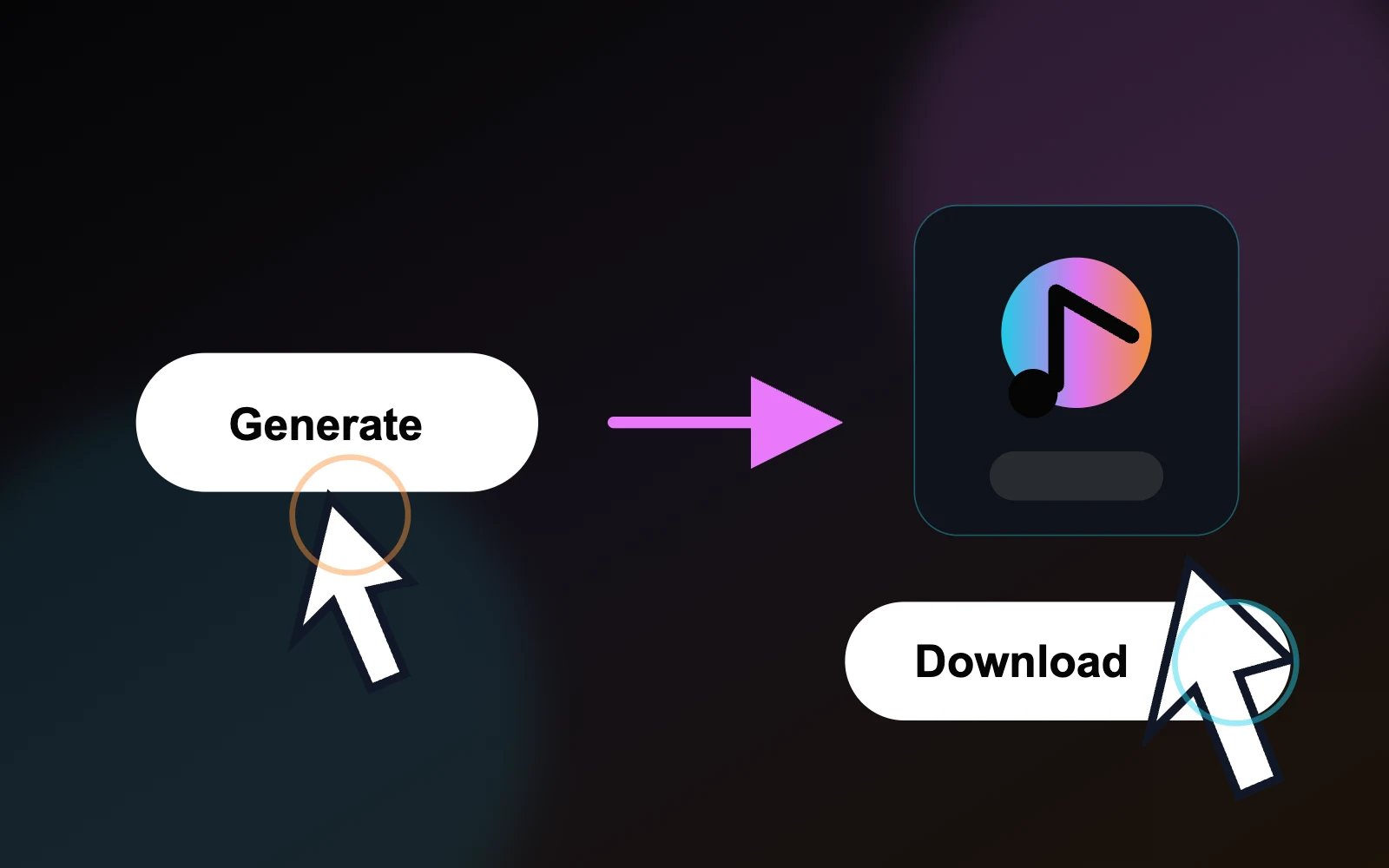
| Workflow change | One prompt → finished audio track, substantially reducing post-production mixing | Generate speech → find music → find sound effects → align and mix manually |
|---|