Decodo

Webshare
Oxylabs

Tight on budget?! Fret not!
We have a secure and cost-effective solution for browsing your favorite things on the internet!
Shared Proxies!
Shared Proxies act as intermediaries between you and the websites you visit, masking your IP address and providing an extra layer of anonymity. But that’s not all – shared proxies can also help you bypass pesky geo-restrictions and access content that might otherwise be off-limits.
Now, I know what you’re thinking: “Aren’t proxies just for tech-savvy folks?” Nope, not at all!
User-friendly interfaces and affordable pricing are something that shared proxies stand for!
Get ready to explore the internet like never before!
What are Shared Proxies?
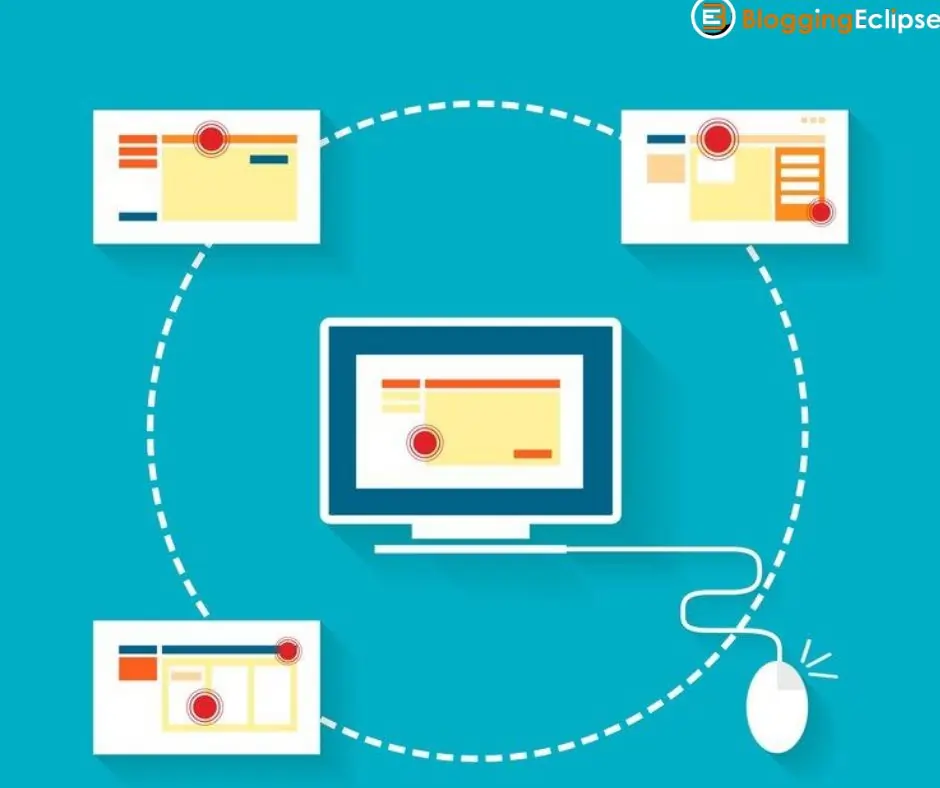
Shared proxies are proxy servers that allow multiple users to share the same IP address simultaneously. They act as an intermediary between the users and the internet, routing their requests through a common IP address.
The sharing of resources makes shared proxies a cost-effective solution for basic online privacy and anonymity needs. However, the shared bandwidth can lead to slower performance, and there is a potential risk associated with other users’ activities on the same proxy.
Top 15 Shared Proxies of 2026
| Shared Proxies | Rating |
|---|---|
| Webshare | 4.4/5 (Trustpilot) |
| Decodo | 4.6/5 (G2) |
| Oxylabs | 4.5/5 (G2) |
| IPRoyal | 4.7/5 (Trustpilot) |
| Netnut | 4.4/5 (Trustpilot) |
| BrightData | 4.8/5 (Capterra) |
| SOAX | 4.4/5 (Trustpilot) |
| Rayobyte | 4.0/5 (Trustpilot) |
| Stormproxies | N/A |
| MyPrivateProxy | N/A |
| Proxy Cheap | 4.1/5 (Trustpilot) |
| High Proxies | N/A |
| MarsProxies | 3.9/5 (Trustpilot) |
| Infatica | 4.8/5 (G2) |
| Asocks | 4.9/5 (G2) |
1. Webshare
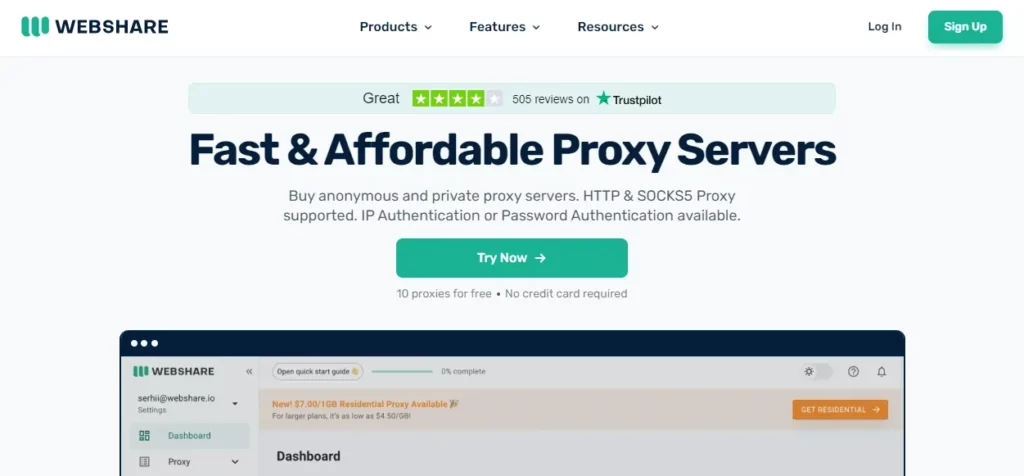
Webshare is a trusted provider of high-performance proxy solutions, offering a diverse range of options including datacenter, residential, and mobile proxies. With a strong focus on shared proxies, Webshare enables businesses and individuals to access online data and content securely and anonymously.
Webshare Key Features
Webshare Pricing Plans
Webshare’s shared proxies is structured in a straightforward manner. Datacenter shared proxies start at $2.99 per month, with plans offering an increasing number of proxies at higher price points. All plans come with unlimited bandwidth, and users can customize their packages based on specific needs, such as location targeting and rotation frequency.
Pros and Cons
- Has affordable pricing plans
- Comes with a wide range of locations
- Free proxies are available
- Relatively small proxy pool
2. Decodo
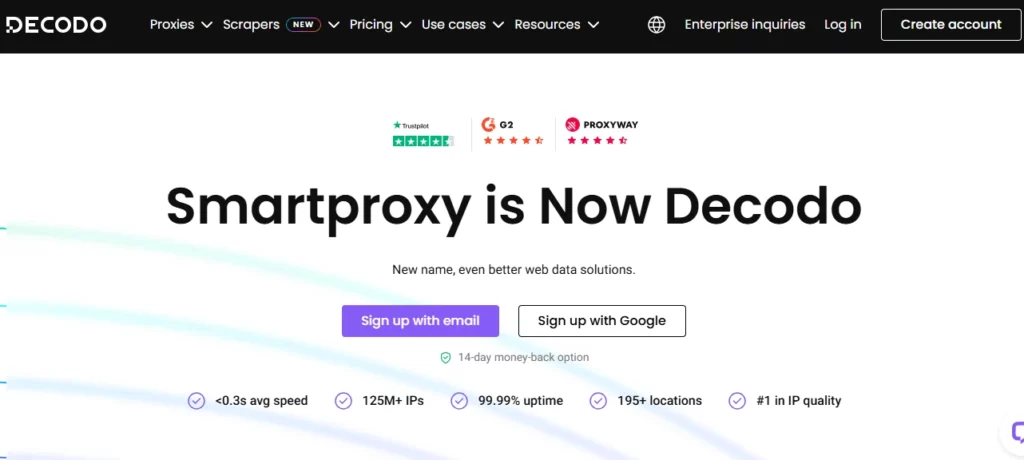
Decodo is a versatile proxy service provider that offers a wide range of proxy solutions, including shared datacenter proxies, residential proxies, and mobile proxies. Founded in 2018, Decodo has quickly gained popularity due to its affordable pricing, reliable performance, and user-friendly features. One of Decodo’s key offerings is its shared datacenter proxies.
Decodo Key features
Decodo Pricing Plans
Pricing for Decodo’s shared datacenter proxies starts at $1.5 per GB, making them an affordable option for individuals and businesses alike. The platform also offers pay-as-you-go plans and various package sizes to accommodate different usage requirements.
Pros and Cons
- Large proxy pool with over 125+ million residential IPs
- Fast connection speeds and excellent scraping performance
- User-friendly dashboard for proxy management
- Limited Data Center and ISP Coverage
- Traffic Credits Expiration Policy
3. Oxylabs
Oxylabs is a premium proxy and web scraping solution provider that enables companies of all sizes to harness the power of big data. They offer one of the largest proxy pools on the market with over 175 million IPs across 195 countries. Oxylabs’ Shared Datacenter Proxies provide access to a pool of 22,000 proxies that can be used by multiple users simultaneously.
Oxylabs Key features
Oxylabs Pricing Plans
Shared Datacenter Proxies start at $50/month for 50 GB of traffic at $0.65/GB. Higher volume plans of 100 GB ($0.60/GB), 200 GB ($0.55/GB) and 300 GB ($0.50/GB) are also available. Compared to dedicated datacenter proxies which start at $50/month, the shared proxies provide a more economical option.
Pros and Cons
- Reliable service with high uptime
- Impressive speeds and performance
- User-friendly proxy management tools
- Responsive 24/7 customer support
- More limited free trial period than some users prefer
4. IPRoyal
IPRoyal is a trusted provider of affordable shared proxy solutions for individuals and businesses. With both rotating and sticky IP options, IPRoyal’s shared proxies are suitable for a variety of use cases such as web scraping, ad verification, price monitoring, and accessing geo-restricted content.
IPRoyal Key features
IPRoyal Pricing Plans
IPRoyal offers flexible pricing options for their shared proxies. Their residential proxy plans start at $4.55 per GB, with discounts available for higher volume commitments. For users requiring more control, IPRoyal also provides static residential proxies priced from $2.40 per proxy for a 90-day period.
Pros and Cons
- User-friendly dashboard and browser extensions for easy management
- Rotating and sticky IP options for different use cases
- Ethically-sourced residential IPs from legitimate ISP providers
- Potential security risks associated with sharing IPs with other users on the same proxy server
5. NetNut

Netnut is a premium proxy provider offering fast and reliable shared proxies sourced from residential IPs worldwide. Their shared proxy network delivers high-speed performance and strong security, making it well-suited for data-intensive tasks like web scraping and market research.
Netnut’s shared proxies provide the same core features as their residential proxies, including unlimited concurrent connections, one-hop connectivity without third-party bottlenecks, and a user-friendly dashboard for monitoring usage.
NetNut Key Features
NetNut Pricing Plans
Netnut’s shared proxies is based on bandwidth usage, calculated as the total data transmitted. Plans start at $300/month for 20GB ranging up to $4000/month for 1TB, with discounts for annual commitments. Pricing is the same as Netnut’s residential proxies.
Pros and Cons
- Fast, reliable performance
- Large IP pool for global coverage
- Intuitive dashboard for management
- Responsive customer support
- Relatively high pricing compared to some competitors
- Lacks unlimited bandwidth option
6. BrightData
BrightData is a leading web data platform that offers a wide range of proxy services and data collection tools. One of their key offerings is Shared Proxies, which provide a cost-effective way to access a large pool of IP addresses for various web scraping and data gathering tasks.
BrightData Key features
BrightData Pricing Plans
BrightData’s Shared Proxies is based on the total data transferred through the proxy, including both incoming and outgoing traffic. The pricing varies depending on the specific proxy network chosen. For example, residential proxies are priced at $15 per GB under the Starter plan, which costs $500 per month and includes data from all proxy networks.
Pros and Cons
- Access to a vast, global network of IPs
- Cost-effective solution for tasks requiring many IPs
- Suitable for general web scraping and data gathering
- Rotating IPs help avoid detection and blocking
- Shared IPs may provide less reliable results for some specific use cases
7. SOAX

SOAX is a leading provider of residential and mobile proxies, shared proxy service enables users to conduct web scraping, ad verification, market research, and other online activities with enhanced anonymity, security, and efficiency at an affordable price point.
SOAX Key Features
SOAX Pricing Plans
SOAX offers flexible pricing plans to suit various needs and budgets. Their pay-as-you-go option starts at $6.60 per GB, while monthly subscription plans for residential proxies begin at $739 for 150GB. They also provide mobile proxy plans starting at $139/month for 150GB. Pricing becomes more cost-effective at higher volume tiers.
Pros and Cons
- Worldwide coverage with city-level targeting
- Intelligent IP rotation for high success rates
- User-friendly dashboard and extensive API
- Relatively expensive compared to some competitors
- Lacks some advanced features offered by premium providers
8. Rayobyte
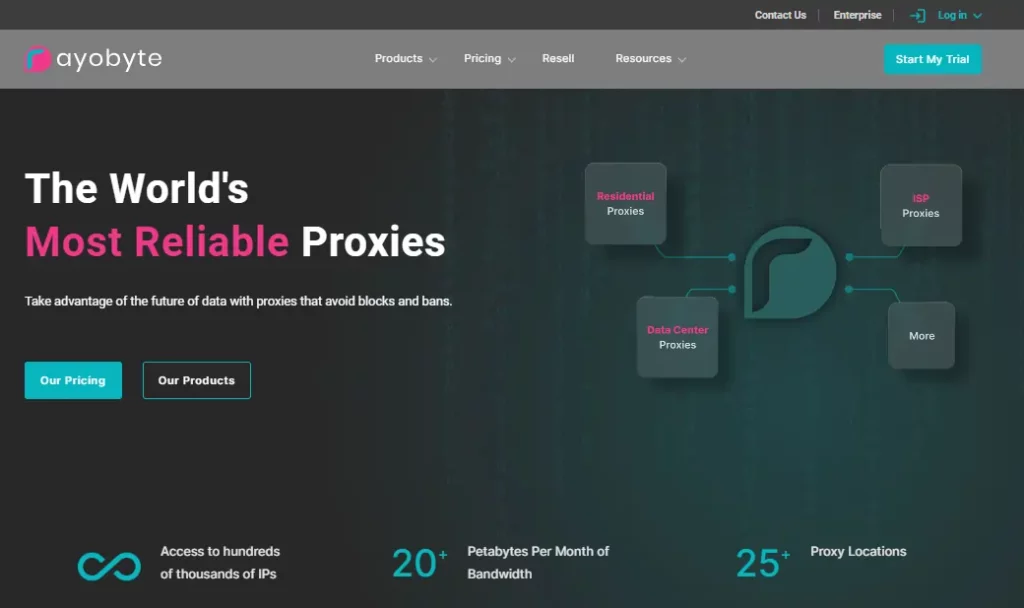
Rayobyte offers reliable and affordable shared proxy solutions for a variety of use cases. Their shared proxies provide a cost-effective way to mask your IP address by sharing proxy servers with a limited number of other users. While shared proxies may have somewhat lower performance compared to dedicated proxies, Rayobyte strives to maintain high standards of speed, uptime and customer support to provide a quality shared proxy experience.
Rayobyte Key features
Rayobyte Pricing Plans
Rayobyte’s shared proxy plans are priced based on the number of proxy ports and duration. Pricing starts at around $20/month for 5 shared proxy ports. Discounts are offered for larger quantities and longer durations, with the price per proxy decreasing for bigger plans.
Pros and Cons
- More affordable than dedicated proxies while still providing many of the key benefits
- Diverse proxy pool with many location options to choose from
- Good compatibility with support for major protocols like HTTP and SOCKS5
- Some advanced features like city/state targeting are not available with shared proxies
9. Stormproxies
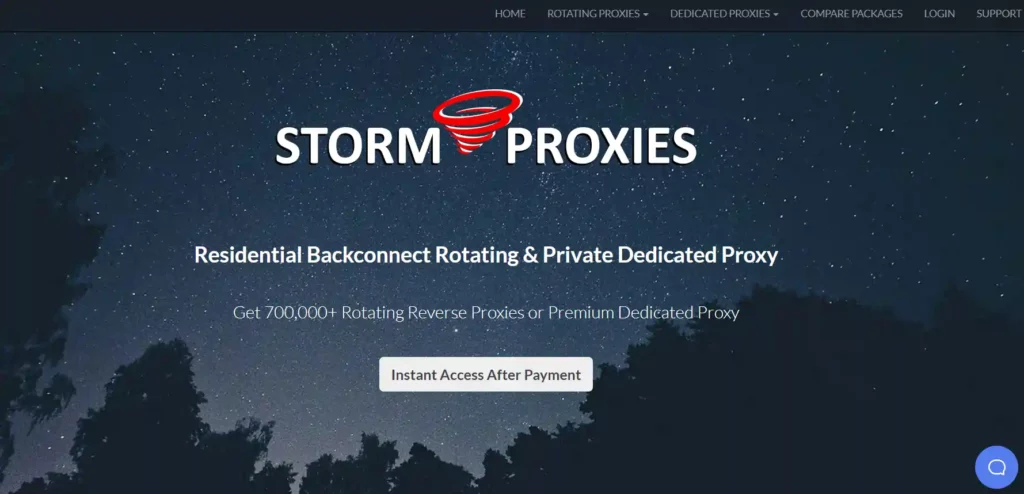
Stormproxies is a US-based proxy provider founded in 2016 that offers affordable rotating residential proxies, datacenter dedicated proxies, and backconnect proxies. Their shared rotating residential proxies are a popular choice for tasks like web scraping, ad verification, price monitoring, and managing multiple accounts.
Stormproxies Key features
Stormproxies Pricing Plans
Stormproxies sells shared proxies based on number of ports rather than bandwidth. Monthly plans are: 5 ports for $50, 10 ports for $90, 20 ports for $160, 50 ports for $300. All plans include access to the full pool of 40,000 rotating residential IPs.
Pros and Cons
- Affordable pricing, especially for unlimited bandwidth
- User-friendly and easy to set up
- Good speeds, especially for datacenter proxies
- Responsive customer support over email
- Small overall proxy pool compared to major providers
- Lacks advanced features like API access or browser extensions
10. MyPrivateProxy
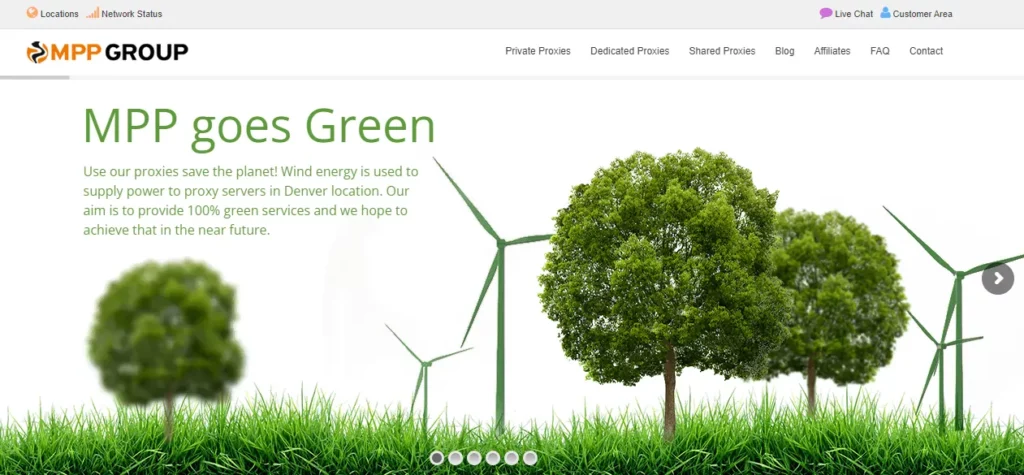
MyPrivateProxy is a well-established provider offering high-quality shared proxies at competitive prices. Their shared proxy pool consists of over millions of IPs providing good IP diversity. The proxies are fast and support HTTP/HTTPS protocols.
MyPrivateProxy Key features
MyPrivateProxy Pricing Plans
MyPrivateProxy’s shared proxy plans start at $50 per month for 10 proxies. The cost per proxy decreases as you purchase larger packages. For example, 50 shared proxies cost $225/month ($4.50 per proxy), while 500 shared proxies are priced at $1000/month ($2 per proxy). Custom plans are also available upon request.
Pros and Cons
- Fast and reliable proxies with good performance
- Dual authentication support (IP and user/pass)
- Competitive pricing, especially for larger packages
- Responsive customer support
- Limited location coverage compared to some competitors
11. Proxy-Cheap

Proxy Cheap offers affordable shared proxy solutions that provide online anonymity, security, and accessibility. While shared proxies may have some limitations compared to private proxies, such as potentially slower speeds and the risk of getting banned due to other users’ actions, Proxy Cheap strives to optimize its shared proxy network to minimize these drawbacks.
Proxy Cheap Key Features
Proxy Cheap Pricing Plans
Proxy Cheap offers some of the most competitive prices in the shared proxy market. Their pricing model is based on traffic usage, with plans starting at just $0.50 per GB. This pay-as-you-go structure allows users to control their costs and only pay for what they need.
Pros and Cons
- Cost-effective solution for those on a budget
- Large pool of shared IPs for anonymity and reduced risk of blocking
- Reliable performance optimized for general online activities
- Versatile and suitable for various use cases
- Risk of IP bans due to the actions of other users on the same IP
- Not ideal for tasks that require high performance or exclusive IP access
12. HighProxies
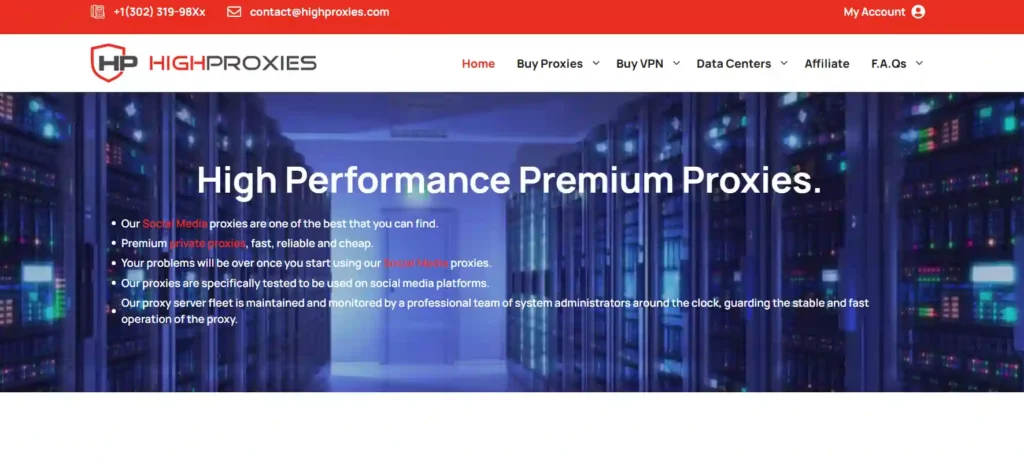
High Proxies is a fast-growing proxy service provider based in Seychelles that offers both dedicated private proxies and shared proxies. Their shared proxy pool consists of around 68,000 IP addresses located in the US, with servers in Buffalo, Chicago, New York, Los Angeles, Seattle, and Dallas.
High Proxies Key Features
High Proxies Pricing Plans
High Proxies offers a range of competitively priced shared proxy packages to fit different needs and budgets. Their starter plan provides 10 shared proxies for $10.90/month, while their largest plan offers 2000 shared proxies for $1280/month. High Proxies also provides customized enterprise packages that can be requested via support tickets.
Pros and Cons
- Very affordable pricing, especially when buying larger plans
- Webshare has a 3-day money-back guarantee
- Comes with a Responsive customer support
- Shared IPs carry risks of getting banned due to other users’ actions
- Doesn’t accept credit card payments
13. Mars Proxies
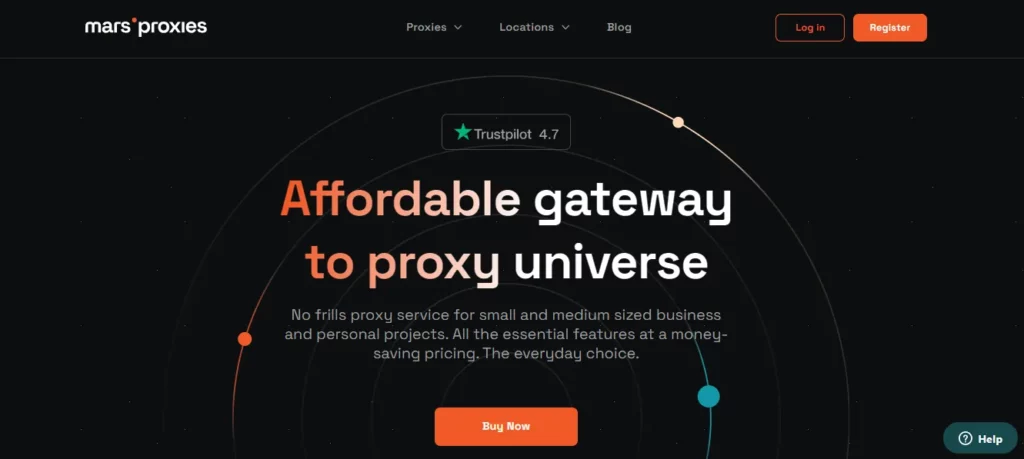
MarsProxies is a premium proxy service provider that offers high-quality shared proxies at affordable prices. Their shared proxy offerings include Ultra Residential proxies, ISP proxies, Datacenter proxies, and Sneaker proxies.
MarsProxies Key Features
MarsProxies Pricing Plans
MarsProxies offers flexible and affordable pricing plans for their shared proxy services. Ultra Residential proxies start at $4.99/GB, with bulk discounts bringing the price down to $3.49/GB. ISP proxies begin at $1.39/proxy, Datacenter proxies at $0.99/proxy, and Sneaker proxies at $0.90/proxy. Daily plans are available for ISP, Datacenter and Sneaker proxies.
Pros and Cons
- Affordable pricing with great bulk discounts
- High-speed ISP and datacenter proxies with unlimited traffic
- Dedicated sneaker proxies optimized for copping
- User-friendly dashboard and 24/7 customer support
- Relatively new provider, so has a smaller network compared to some competitors
- Documentation is fairly sparse on the website
14. Infatica

Infatica is a global proxy network that provides ethical and powerful proxies for businesses and individuals. It specializes in residential and mobile proxies, offering over millions of residential IP addresses from real Internet Service Providers (ISPs). These proxies are highly reliable and secure, as Infatica owns and has complete control over all the IP addresses.
Infatica Key Features
Infatica Pricing Plans
Infatica offers various pricing plans based on data usage. The pricing ranges from $360 per month for the Starter plan with 100 GB of data to $20,000 per month for the Bulk Volume plan with 10,000 GB of data. The pricing is calculated based on the data usage, with higher data allowances costing more. For example, the Plus plan costs $2,400 per month and includes 1,000 GB of data at a rate of $3.50 per GB.
Pros and Cons
- Offers mobile proxies for testing mobile websites/apps
- New IP address assigned for each request, enhancing anonymity
- Owned and controlled proxy network for better security
- Limited information on session control and compatibility
- Relatively new provider, may have fewer features than established competitors
15. Asocks

ASocks is a worldwide proxy provider offering high-quality residential and mobile proxies at affordable prices. Their main products are shared rotating proxies, which allow multiple users to access the same pool of over 7 million IP addresses. This provides anonymity and helps avoid blocks and restrictions.
ASocks Key Features
ASocks Pricing Plans
Pricing is simple and affordable at a flat rate of $3 per GB of traffic for both residential and mobile proxies. There are no monthly commitments or subscriptions – you only pay for what you use.
Pros and Cons
- Rotating residential and mobile proxies that change IP with each request to maintain anonymity.
- Easy to use with HTTP/SOCKS5 protocols, IP or user/pass authentication, unlimited threads, and API access.
- Good performance with 99%+ uptime, unlimited bandwidth, and decent speeds up to 10 Mbps.
- Relatively small IP pool compared to some larger proxy providers like Bright Data or Oxylabs.
- Lack of HTTPS support, which can be a security and privacy concern.
FAQs Related to Shared Proxies
What are the Advantages of Using Shared Proxies?
The main advantages are low cost (by splitting the price among users), ability to hide your real IP address, and bypassing geo-restrictions.
What Tasks are Shared Proxies Suitable for?
Shared proxies work adequately for anonymity, accessing geo-blocked content, torrenting, and scraping data from websites without strong anti-bot protection.
What are the Disadvantages of Shared Proxies?
Shared proxies often have poor performance and speed issues due to high traffic from multiple users. There are potential security risks from bad neighbors.
What Types of Shared Proxies are Available?
The two main types are shared proxies that provide a list of IP addresses and backconnect proxies that route requests through a gateway server using multiple IPs in the backend. Semi-dedicated proxies are shared among a limited number of users.
Can Shared Proxies Improve Website Loading Speeds?
In some cases, yes. If a shared proxy server has previously cached the website data from another user’s visit, it can load the site faster by providing the saved version.
Are Shared Proxies better than VPNs?
It depends on the specific use case. VPNs are generally better for privacy and encrypting all traffic. Shared proxies may perform certain tasks faster and provide more flexible location options.
You may also read:
- Best Netflix Proxies
- Best Rotating Proxies
- Top Travel Fare Aggregation Proxies
- Best Scrapebox Proxies
Finding the Right Fit for Your Needs
What do you think??
Well, one thing is clear, utilizing shared proxies is not just a choice—it’s a necessity!
Shared proxies offer a cost-effective solution for accessing the internet anonymously and bypassing geo-restrictions. While they come with some drawbacks like slower speeds and potential security risks, they can be a great option for tasks like general browsing, accessing restricted content, and low-budget market research.
However, it’s crucial to weigh the pros and cons and understand your specific needs before deciding if shared proxies are the right choice for you. If you require higher performance, security, or customization, dedicated proxies might be a better investment.
With a little research, you can find the best proxy solution that fits your needs perfectly.
🚀 Get Exclusive Affiliate Marketing Secrets🚀
Discover the strategies, tools, and tactics used by the top 1% of affiliate earners!

Join 69,572+ Affiliates already leveling up their game
Affiliate Disclosure: This post may contain some affiliate links, which means we may receive a commission if you purchase something that we recommend at no additional cost for you (none whatsoever!)