The post Winter Downtime and the Rise of Mobile Casinos in Farming Communities appeared first on Agchat.
]]>For instance, operations are adapted to rural players by Boo Casino. Whether someone wants to sign in at boocasinobet.com during a snowstorm, login Boocasino from the barn, or claim a casino bonus in New Zealand, mobile gaming fits the farming lifestyle. Registration takes minutes and the entertainment runs 24/7.
Why Farmers Turn to Mobile Gaming
Farming life follows intense seasonal rhythms. Spring through fall means 12-hour days minimum. Equipment breaks, weather changes plans, and there’s always something demanding attention. But winter changes everything. The work drops dramatically once harvest ends and fields go dormant.
Rural communities don’t offer much entertainment infrastructure. No movie theaters within 30 miles. Limited restaurant options. Social activities depend on weather and road conditions. Mobile casinos solve the entertainment problem without requiring travel. Farmers can play from home during blizzards or while equipment warms up. The convenience matches their lifestyle perfectly.
Internet Access Changed Rural Gaming
Reliable internet didn’t reach many farming areas until recently. Satellite internet was expensive and slow. Dial-up couldn’t handle modern gaming platforms. That’s changed over the past five years. Better infrastructure reached rural zones. 4G and now 5G coverage expanded beyond cities.
Farmers now have internet speeds that support mobile casino gaming. They can stream games, place bets, and withdraw winnings without technical headaches. This infrastructure shift opened rural markets that casinos couldn’t reach before. The timing aligned perfectly with mobile-first casino development.
Mobile Platforms Built for Rural Users
Early online casinos required desktop computers and fast connections. That model didn’t work for farming communities. Mobile platforms changed the game completely. Apps designed for phones work on spotty connections. They load fast and don’t eat data like desktop sites.
Modern mobile casinos optimize for various connection speeds. They compress graphics without losing quality. They cache data so gameplay stays smooth. These technical improvements matter way more in rural areas than cities. Farmers need platforms that work when connection quality varies.
Winter Weather Drives Engagement
Summer sees minimal casino activity in farming regions. Nobody has time for entertainment during the growing season. Fall brings harvest chaos that lasts weeks. Winter flips the script completely. Snow, ice, and freezing temperatures keep people indoors.
Casino engagement in farming communities spikes from November through March. The numbers are dramatic. Some platforms see 300% increases in rural user activity during winter months. Farmers have time, they’re stuck inside, and they want entertainment. Mobile casinos deliver exactly what they need when they need it.
Betting Amounts Reflect Agricultural Income

Farming income arrives in chunks, not steady paychecks. Harvest time brings big payments. Winter brings minimal income until spring. This pattern shows clearly in betting behavior. Rural players tend to deposit larger amounts in fall after selling crops. Winter sees smaller, more careful betting as money gets managed until next season.
Casino operators noticed these patterns and adapted. Some offer seasonal promotions timed to harvest cycles. Others provide more flexible deposit limits. Smart platforms recognize that farming communities have unique financial rhythms. They adjust their approach accordingly.
Social Aspects Matter More in Rural Areas
Cities offer endless social options. Rural communities struggle with isolation, especially in winter. Mobile casinos or review websites like Trustpilot accidentally created social spaces for farmers. Live dealer games let players chat. Multiplayer tournaments create competition. Community features build connections between players who share similar backgrounds.
Farmers talk about crops, weather, and equipment in casino chat rooms. They’re playing slots but also connecting with others who understand their lifestyle. This social element drives retention more in rural areas than urban markets. The entertainment and community combination works.
Alternative Entertainment Competition
Farming communities have limited entertainment but mobile casinos aren’t the only option. Sports betting attracts rural players too. Jackpot City platforms and similar sites compete for the same audience. Lottery tickets have always been popular in rural areas. Video streaming services expanded dramatically.
Mobile casinos win when they offer something other entertainment can’t match. Live games create excitement streaming can’t provide. Social features beat passive entertainment. The instant action beats waiting for lottery results. Smart platforms emphasize these advantages to capture rural market share.
Payment Methods for Remote Players
Credit cards don’t work everywhere in farming regions. Some rural residents avoid credit entirely. Cash is king in small communities but online casinos need electronic payments. This creates real barriers to entry.
Successful rural casino platforms offer multiple payment options. Bank transfers work but they’re slow. E-wallets like PayPal help but not everyone uses them. Cryptocurrency adoption is surprisingly high in some farming communities. Privacy appeals to rural players who value independence. Platforms offering diverse payment methods capture more rural users.
Device Preferences in Agricultural Areas
Farmers don’t typically own the latest smartphones. Devices get rough treatment in agricultural work. Dust, moisture, and physical impacts destroy delicate electronics fast. This affects mobile casino platform requirements.
Casinos targeting rural markets need apps that work on older devices. They can’t require the newest iOS or Android versions. Storage space matters because farmers use phones for work apps too. Efficient, lightweight casino apps perform better in rural markets. Platform developers who understand this win more farming community users.
Platform Design for Farming Lifestyles
Farmers need games they can start and stop quickly. Long poker tournaments don’t fit when someone might need to check livestock. Quick slot spins work better. Simple games beat complex ones when players have work interruptions.
Battery life matters more in rural areas. Spotty electricity in remote farms makes power management crucial. Casino apps that drain batteries fast lose rural users. Efficient coding and smart graphics choices make real differences. These design considerations separate successful rural platforms from failures.
UK Market Adaptation Examples
British farming communities embraced mobile casinos faster than expected. The MrBen casino platform, also called Mr Ben casino, adapted well to rural UK players. They understood that farmers want the online casino experience but need it to fit their lifestyle. Quick sign in and login processes matter when someone’s grabbing ten minutes between chores. Registration on the official website works smoothly even on older devices. Mr Ben casino built features specifically for the UK rural market.
Rural UK players appreciate platforms designed with their needs in mind. Weather-appropriate game selection matters. Winter-themed slots resonate during long dark months. Faster withdrawal processing helps when money’s tight. Customer support that understands farming schedules makes a difference. These details separate platforms that truly serve rural communities from those just chasing another market.
Responsible Gaming in Isolated Communities
Problem gambling hits rural communities differently than urban areas. Fewer support resources exist in remote regions. Social stigma around gambling problems runs stronger. Isolation makes issues worse because people hide struggles longer.
Mobile casino operators need stronger responsible gaming features for rural markets. Deposit limits matter more when income arrives seasonally. Reality checks help players stuck indoors with nothing else to do. Self-exclusion tools need to work across all platforms, not just one casino. These protections become essential in communities with limited support infrastructure.
The bottom line is simple.
Winter downtime created opportunities that mobile casinos filled perfectly. Farming communities found entertainment that fits their unique lifestyle. As technology improves and more platforms adapt to rural needs, this market will keep expanding. Smart operators who understand agricultural rhythms and rural constraints will dominate this growing sector.
The post Winter Downtime and the Rise of Mobile Casinos in Farming Communities appeared first on Agchat.
]]>The post The Age-Old Dance: How Farmers and Ranchers Co-create the Agricultural Tapestry appeared first on Agchat.
]]>In this grand dance of cultivation and grazing, each step is as crucial as the last. Let me take you through the age-old rituals, the shared struggles, and the mutual benefits that define this unique relationship.
The Foundation of Mutual Respect
Imagine, if you will, the rolling fields and the open ranges as more than just scenery. They’re a stage for a partnership that’s as old as agriculture itself. Farmers, with their plows and seeds, transform the earth into bountiful crops. Ranchers, guiding their herds across vast pastures, manage the land in a way that no machine can. Each relies on the understanding that the land is a shared resource, needing care and respect.
A Shared Resource
- Water Management: In arid regions, water is as precious as gold. Farmers and ranchers often collaborate on irrigation projects that benefit both crops and cattle, ensuring sustainability.
- Land Conservation: Grazing cattle can help manage crop residues and control weeds, reducing the need for chemical herbicides. In return, crop rotations can rejuvenate overused pastures, making them more productive for grazing.
The Rituals of Exchange
This collaboration extends beyond the land. It flows into the very markets that sustain our economy. Farmers grow feed crops that nourish cattle, while ranchers’ herds provide manure, a natural fertilizer, which enhances crop yields without the need for synthetic alternatives.
Cycle of Nutrients
- Manure as Fertilizer: The nutrient-rich manure from ranchers’ cattle provides organic matter that improves soil health, increasing the soil’s water retention and fertility.
- Feed and Forage: In turn, farmers grow alfalfa, corn, and other forages, which are crucial for feeding livestock, particularly through harsh winters.
The Challenges They Face Together
It’s not all sunny days and gentle breezes; there are storms to weather as well. Market fluctuations, climate change, and land disputes put pressure on this partnership. Yet, it’s through these challenges that the strength of their bond is truly tested.
- Economic Pressures: When crop prices dip or when meat prices fall, it impacts both communities. They often have to come together to lobby for better policies or support systems.
- Environmental Concerns: Both groups are on the frontline of climate change. Together, they innovate more sustainable farming and ranching techniques to reduce carbon footprints and preserve the environment.
The Future Together
As we look to the future, the partnership between farmers and ranchers holds the key to innovations in sustainable agriculture. Younger generations are bringing new technologies and practices to these ancient professions, from precision farming to holistic grazing.
- Technology and Tradition: Satellite imagery for crop monitoring and automated feed systems for livestock are just the start. These tools help optimize resource use and increase productivity, ensuring a balance between tradition and modernity.
- Educational and Community Programs: Increasingly, universities and agricultural organizations are fostering programs that promote collaboration between farmers and ranchers, ensuring that the next generation understands the value of this partnership.
In closing, this age-old dance between farmers and ranchers is not just about livelihoods. It’s about sustaining a way of life that respects the past while embracing the future. As long as these two groups continue to work together, the agricultural tapestry they co-create will remain vibrant and resilient, just like the lands they tend and the communities they support.
Celebrating the Tapestry of Tradition and Innovation
As I’ve ambled through the years, I’ve seen remarkable resilience and innovation in the way farmers and ranchers adapt to changing times while holding fast to traditions that define their craft. The fabric of this community is woven with threads of history and progressive strides forward.
The Thread of Community Events
- Annual Fairs and Rodeos: These are not just entertainment but pivotal events where knowledge, livestock, and harvests are shared and celebrated. Farmers and ranchers come together to showcase their best, exchange ideas, and strengthen their bonds.
- Workshops and Field Days: Regularly organized by agricultural extension services, these events serve as crucial learning opportunities for best practices in both farming and ranching.
Stories from the Soil and the Saddle
Let me share with you a tale that stands out in my memory, illustrating the deep connections forged between these stewards of the land. It was during a particularly dry season, a time that tested the mettle of even the most seasoned hands. A local farmer, whose corn crops were on the brink, and a rancher, whose cattle were becoming gaunt as the pasture dried up, devised a plan born of desperation yet blooming with hope.
Together, they agreed to an exchange. The rancher’s cattle would graze on the remnants of the harvested cornfield, turning waste into a resource by eating the leftover stalks and simultaneously fertilizing the soil. In return, the farmer would use this newly enriched soil to grow winter cover crops, which would not only protect the earth from erosion but also serve as additional forage for the cattle in the lean months ahead.
This partnership not only saw them through the season but also strengthened the ties between all the local farmers and ranchers, who took note and began to implement similar practices. It was a testament to the power of cooperation and the innovative spirit that thrives when people work together for a common good.
The Wisdom of the Old, the Energy of the New
As an old man who’s seen decades wax and wane, I’m heartened by the vigor with which the younger generations embrace these age-old relationships, infusing them with new life. They’re using technology not to distance themselves from the land but to draw closer to it, to understand its rhythms and needs with greater precision.
- Precision Agriculture and Data-Driven Grazing: These modern approaches allow farmers and ranchers to use resources more efficiently, tailor their practices to the specific needs of their land, and reduce their environmental impact.
- Sustainable Practices: From rotational grazing that mimics natural patterns to no-till farming that preserves soil integrity, these practices ensure that the land remains viable and vibrant for future generations.
The post The Age-Old Dance: How Farmers and Ranchers Co-create the Agricultural Tapestry appeared first on Agchat.
]]>The post The Call of the North: Why Farmers and Ranchers are Relocating to Canada appeared first on Agchat.
]]>A New Frontier for Farmers and Ranchers
In the heart of Canada, a vast, welcoming land awaits those who hear its call. Farmers and ranchers, the stewards of our food and caretakers of the earth, are finding new opportunities in Canada’s rural expanses. From the rolling hills of Alberta to the fertile plains of Saskatchewan, Canada offers an abundance of land that is not only rich in resources but also reasonably priced compared to other parts of the world.
Why Canada?
- Abundant Land: Canada’s sheer size means there’s plenty of room to spread out and find the perfect piece of land, whether it’s for crop farming or raising livestock.
- Favorable Policies: The Canadian government offers various incentives and support programs for agricultural development, making it easier for new farmers and ranchers to get started.
- Quality of Life: Canada is known for its high quality of life, with excellent healthcare, education, and a strong sense of community, especially in rural areas.
- Environmental Stewardship: Canadian farmers and ranchers are committed to sustainable practices, ensuring that the land remains productive for future generations.
The Interaction Between Farmers and Ranchers
One of the most heartening aspects of relocating to Canada is the strong sense of community among farmers and ranchers. Unlike the often competitive nature seen elsewhere, Canada’s agricultural communities are known for their cooperative spirit. This collaboration is not only beneficial for personal growth but also for the advancement of sustainable and innovative farming practices.
Building Stronger Communities
Farmers and ranchers in Canada frequently come together to share knowledge, resources, and support. Whether it’s through local cooperatives, agricultural fairs, or community events, the interaction among these groups fosters a robust, interconnected network that strengthens the entire agricultural sector.
Key Benefits of Community Interaction:
- Knowledge Sharing: Experienced farmers and ranchers pass down wisdom and techniques to newcomers, helping them avoid common pitfalls and adopt best practices.
- Resource Sharing: From equipment loans to labor exchanges, sharing resources helps everyone save money and increase efficiency.
- Emotional Support: Farming and ranching can be challenging, and having a supportive community can make a significant difference in managing stress and maintaining mental health.
HomesEh: Your Gateway to Canadian Real Estate
For those contemplating a move to the great white north, finding the right property is crucial. This is where HomesEh comes into play. As a comprehensive real estate platform, HomesEh offers an extensive listing of properties across Canada, tailored to meet the needs of farmers and ranchers alike. Whether you’re looking for vast acres of farmland or a ranch with rolling pastures, HomesEh provides detailed listings and expert advice to help you make an informed decision.
Why Choose HomesEh?
- Extensive Listings: With a vast database of properties, HomesEh ensures that you can find the perfect piece of land that meets your specific requirements.
- Expert Advice: The platform offers valuable insights and guidance, making the relocation process smoother and more manageable.
- Local Knowledge: HomesEh connects you with local real estate experts who understand the unique needs of farmers and ranchers, ensuring that you find the best possible match for your new home.
The Canadian Dream for Farmers and Ranchers
The allure of Canada is not just about the land itself but the lifestyle it offers. It’s about reconnecting with nature, living sustainably, and being part of a community that values and supports its members. The Canadian dream for farmers and ranchers is one of prosperity, sustainability, and a fulfilling life close to the land.
Success Stories
Many farmers and ranchers who have made the move to Canada speak of their experiences with glowing appreciation. They talk about the welcoming communities, the opportunities for growth, and the sense of belonging they have found in their new home. These success stories serve as an inspiration for others considering the same path.
Challenges and Opportunities
While the move to Canada presents numerous opportunities, it’s not without its challenges. The climate can be harsh, and adapting to new regulations and practices requires time and effort. However, the supportive communities and extensive resources available make it a rewarding endeavor.
Overcoming Challenges:
- Climate Adaptation: Learning to work with the Canadian climate, from managing long winters to optimizing short growing seasons, is key.
- Regulatory Navigation: Understanding and complying with Canadian agricultural regulations ensures a smooth transition and successful operation.
- Community Integration: Building relationships within the local community helps newcomers feel welcome and supported.
Conclusion: The Call of the North
The call of the north is strong, resonating with farmers and ranchers looking for a new beginning. Canada, with its vast landscapes, supportive communities, and promise of a better quality of life, offers an ideal destination. For those ready to answer this call, platforms like HomesEh provide the tools and support needed to find the perfect piece of land and start a new chapter in the heart of Canada’s countryside.
Embrace the opportunity, connect with the land, and join a community where farmers and ranchers thrive together. The Canadian dream is waiting – it’s time to make it your own.
The post The Call of the North: Why Farmers and Ranchers are Relocating to Canada appeared first on Agchat.
]]>The post Navigating the Maze of Farm Operations Management: A Guide appeared first on Agchat.
]]>Embarking on a journey through the world of farm operations management can often feel like navigating through a complex maze. It’s a dynamic field that combines traditional farming knowledge with modern techniques and technologies. In this article, we delve into the key components of farm operations management, exploring each aspect with real data and practical insights.
Understanding the Soil of Success: Planning and Strategy
In the realm of farm operations, strategic planning lays the foundation for success. It involves several key components:
| Aspect | Description |
|---|---|
| Objective Setting | Establishing clear, achievable goals for your farm is essential. These objectives provide a direction for the farm’s operations and help in measuring progress over time. Goals may include increasing crop yield, diversifying product offerings, or improving sustainability practices. |
| Resource Assessment | Analyzing available resources such as land, labor, and capital is crucial in developing a strategic plan. Understanding the strengths and limitations of these resources enables farmers to make informed decisions about how to allocate them effectively. This assessment may involve evaluating the quality of the land, assessing the skills and availability of labor, and determining the financial resources needed to support farm operations. |
| Market Research | Understanding market trends is vital for making informed decisions about what crops to grow and how to market them effectively. Conducting market research allows farmers to identify opportunities for growth, anticipate changes in consumer demand, and stay competitive in the marketplace. This may involve analyzing consumer preferences, studying market prices, and monitoring industry trends. |
| Risk Management | Identifying potential risks and developing strategies to mitigate them is essential for protecting the long-term viability of the farm. Risks in farming can include weather events, pest and disease outbreaks, fluctuations in market prices, and changes in government regulations. By proactively identifying these risks and implementing risk management strategies, such as diversifying crops or purchasing insurance, farmers can minimize the impact of adverse events on their operations. |
Sowing the Seeds of Efficiency: Crop Management
Effective crop management is crucial for any farm operation. It encompasses:
Crop Selection
Crop selection serves as the foundation of successful farming, influencing overall profitability and sustainability. Several factors must be considered when choosing crops:
- Soil Type: Different crops thrive in specific soil conditions. Conduct soil tests to assess pH levels, nutrient content, and drainage capacity;
- Climate: Select crops that are well-suited to the local climate. Consider temperature fluctuations, rainfall patterns, and length of growing season;
- Market Demand: Identify crops with high demand in local or global markets to ensure profitability. Research consumer preferences, emerging trends, and potential niche markets.
Planting Strategies
Strategic planting plays a crucial role in maximizing yield and optimizing resource utilization. Key considerations include:
- Planting Dates: Determine the optimal timing for planting based on climate conditions and crop requirements. Aim to avoid adverse weather events and optimize growth periods;
- Planting Patterns: Choose appropriate spacing and arrangement to facilitate efficient use of space and resources. Consider factors such as crop rotation, intercropping, and companion planting to enhance soil fertility and pest management;
- Seed Selection: Use high-quality seeds that are adapted to local conditions and have desirable traits such as disease resistance, high yield potential, and uniform germination.
Pest and Disease Control
Effective pest and disease management is essential for safeguarding crop health and minimizing yield losses. Implement integrated pest management (IPM) strategies that combine preventive measures, cultural practices, biological controls, and judicious use of pesticides:
- Monitoring: Regularly inspect crops for signs of pest infestation or disease symptoms. Use traps, pheromone lures, and scouting techniques to identify pest populations and assess damage levels;
- Cultural Practices: Employ practices such as crop rotation, sanitation, and weed management to disrupt pest life cycles and reduce habitat suitability;
- Biological Controls: Introduce natural predators, parasites, or pathogens to regulate pest populations. Encourage biodiversity and habitat diversity to support beneficial organisms;
- Chemical Control: Use pesticides judiciously and adhere to recommended application rates and timings. Prioritize less toxic options and consider the potential impact on non-target organisms and environmental safety.
Irrigation and Fertilization
Optimizing water and nutrient management is essential for achieving healthy crop growth and maximizing yields. Consider the following strategies:
- Irrigation: Implement efficient irrigation systems such as drip irrigation, sprinklers, or furrow irrigation to deliver water directly to the root zone while minimizing evaporation and runoff;
- Water Management: Monitor soil moisture levels regularly and adjust irrigation schedules accordingly. Consider factors such as rainfall, evapotranspiration rates, and soil texture;
- Fertilization: Conduct soil tests to assess nutrient deficiencies and tailor fertilizer applications to crop needs. Use organic amendments, cover crops, and crop residues to improve soil fertility and structure.
Real Data Insight
Leverage data-driven insights to refine crop management practices and optimize decision-making processes. Utilize tools such as farm management software, remote sensing technologies, and precision agriculture techniques to:
- Monitor Performance: Track key performance indicators such as yield levels, input costs, and resource utilization to evaluate the effectiveness of management practices;
- Predictive Analytics: Use historical data and predictive models to anticipate crop performance, pest outbreaks, and market trends. Incorporate weather forecasts, satellite imagery, and soil sensors to enhance decision support systems;
- Continuous Improvement: Embrace a culture of continuous learning and adaptation based on empirical evidence and experimentation. Collaborate with agricultural experts, researchers, and extension services to stay abreast of latest innovations and best practices.
Fueling Growth: Financial Management

Financial management in farm operations includes:
Budgeting
Budgeting is the process of creating a detailed financial plan that outlines anticipated expenses and revenues for a specific period. It provides a roadmap for allocating resources and managing cash flow effectively. Key components of budgeting include:
- Expense Projection: Identify all anticipated expenses related to crop production, livestock care, equipment maintenance, and overhead costs such as utilities and insurance;
- Revenue Estimation: Estimate potential revenues based on projected crop yields, market prices, government subsidies, and other income sources;
- Contingency Planning: Factor in unexpected expenses or revenue fluctuations by setting aside reserves or creating contingency funds;
- Regular Review: Review and update budgets regularly to reflect changes in market conditions, input costs, and production plans.
Cost Tracking
Cost tracking involves monitoring and analyzing the costs associated with various aspects of farm operations. By closely tracking expenses, farmers can identify areas for cost reduction, improve efficiency, and optimize resource allocation. Key considerations for cost tracking include:
- Input Costs: Track expenses related to seeds, fertilizers, pesticides, and other agricultural inputs. Compare prices from different suppliers to identify cost-saving opportunities;
- Labor Costs: Monitor labor expenses including wages, benefits, and overtime to ensure labor efficiency and compliance with labor laws;
- Equipment Costs: Track costs associated with equipment purchases, maintenance, repairs, and depreciation. Evaluate equipment utilization and consider alternatives such as leasing or renting to minimize costs;
- Overhead Costs: Analyze overhead expenses such as utilities, property taxes, insurance premiums, and administrative costs. Look for ways to reduce overhead through efficiency improvements or cost-sharing arrangements.
Revenue Forecasting
Revenue forecasting involves predicting future revenues based on market trends, demand projections, and production estimates. Accurate revenue forecasts help farmers make informed decisions regarding production levels, marketing strategies, and investment priorities. Key steps in revenue forecasting include:
- Market Analysis: Research market trends, consumer preferences, and demand forecasts for agricultural products. Monitor commodity prices, export trends, and regulatory changes that may impact revenues;
- Production Forecasting: Estimate crop yields, livestock production, and other revenue-generating activities based on historical data, agronomic factors, and weather forecasts;
- Sales Projections: Develop sales projections by considering factors such as pricing strategies, sales channels, contract commitments, and anticipated market demand;
- Risk Assessment: Identify and assess potential risks that may affect revenue projections, such as weather-related events, market volatility, or changes in input costs.
Investment Analysis
Investment analysis involves evaluating the profitability and feasibility of new technologies, equipment upgrades, or expansion projects. By conducting thorough investment analysis, farmers can make sound investment decisions that enhance productivity, reduce costs, and improve competitiveness. Key aspects of investment analysis include:
- Cost-Benefit Analysis: Compare the costs and benefits of investment alternatives to determine their financial viability. Consider both short-term and long-term returns on investment, as well as intangible benefits such as risk mitigation or environmental sustainability;
- Return on Investment (ROI): Calculate the expected ROI for potential investments by estimating future cash flows, discounting for risk and time value of money, and considering alternative uses of capital;
- Risk Analysis: Assess the risks associated with investment decisions, including market risks, operational risks, and regulatory risks. Implement risk mitigation strategies such as diversification, insurance, or contractual arrangements;
- Lifelong Learning: Stay informed about new technologies, market trends, and best practices through continuous education, networking, and collaboration with industry experts and financial advisors.
Harvesting Data: Technology in Farm Operations
Technology plays a pivotal role in modern farm operations. Key tech components include:
Precision Agriculture
Precision agriculture employs advanced technologies such as GPS (Global Positioning System) and GIS (Geographic Information System) to precisely manage spatial and temporal variability within fields. By leveraging precise field mapping and data analytics, farmers can optimize inputs, reduce waste, and maximize yields. Key aspects of precision agriculture include:
- GPS-guided Equipment: Utilize GPS technology to precisely navigate farm equipment such as tractors, planters, and sprayers. This enables accurate placement of seeds, fertilizers, and pesticides, minimizing overlaps and optimizing resource utilization;
- Variable Rate Technology (VRT): Adjust input application rates based on site-specific conditions such as soil fertility, moisture levels, and crop requirements. VRT allows for targeted application of inputs, resulting in cost savings and environmental benefits;
- Yield Monitoring: Install yield monitors on harvesters to capture spatial variations in crop yields. Analyze yield maps to identify productivity hotspots and optimize management practices for maximum profitability.
Drones and Sensors
Drones and sensors provide farmers with valuable real-time data on crop health, soil conditions, and environmental parameters. These technologies enable proactive decision-making, early detection of problems, and targeted interventions. Key applications of drones and sensors include:
- Aerial Imaging: Capture high-resolution aerial imagery of fields using drones equipped with multispectral or thermal cameras. Analyze imagery to assess crop health, detect pest infestations, and identify areas requiring irrigation or nutrient management;
- Soil Sensors: Deploy soil sensors to monitor key soil parameters such as moisture content, temperature, and nutrient levels. Use sensor data to optimize irrigation scheduling, tailor fertilizer applications, and prevent nutrient leaching or runoff;
- Weather Stations: Install weather stations to collect real-time data on temperature, humidity, rainfall, and wind speed. Integrate weather data with other farm management systems to improve decision-making related to planting, harvesting, and crop protection.
Farm Management Software
Farm management software platforms streamline farm operations by centralizing data management, facilitating communication, and providing analytical tools for decision support. These digital platforms enable farmers to manage resources more efficiently, optimize workflows, and enhance collaboration. Key features of farm management software include:
- Data Integration: Integrate data from various sources such as sensors, equipment monitors, and weather stations into a unified platform. This allows for comprehensive analysis and visualization of farm data to inform decision-making;
- Task Planning and Tracking: Plan, schedule, and track farm activities such as planting, spraying, and harvesting using digital calendars and task management tools. Monitor progress in real-time and allocate resources effectively to meet production targets;
- Inventory Management: Manage inventory levels of inputs such as seeds, fertilizers, pesticides, and equipment parts. Set up automated alerts for reordering supplies and optimize inventory turnover to minimize stockouts and reduce carrying costs.
Automated Machinery
Automated machinery, including autonomous tractors, harvesters, and robotic systems, revolutionizes farm operations by increasing efficiency, reducing labor costs, and improving precision. These technologies automate repetitive tasks and enable round-the-clock operation, enhancing productivity and profitability. Key aspects of automated machinery include:
- Autonomous Vehicles: Deploy autonomous tractors and implements equipped with GPS, sensors, and onboard computers to perform tasks such as tillage, planting, and spraying with minimal human intervention;
- Robotic Harvesting: Implement robotic systems for harvesting fruits, vegetables, and specialty crops. These systems use computer vision, machine learning, and robotic arms to selectively harvest ripe produce, reducing labor requirements and improving quality;
- Smart Equipment: Equip farm machinery with advanced sensors and telematics systems to monitor performance, diagnose problems, and optimize maintenance schedules. Utilize predictive analytics to prevent breakdowns and minimize downtime during critical production periods.
Weathering Storms: Risk Management
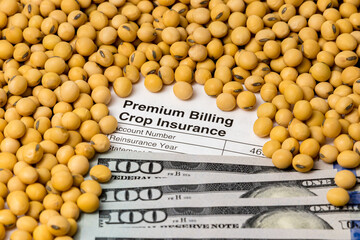
Risk management in farm operations includes:
Insurance Coverage
Insurance coverage is a vital tool for protecting against financial losses resulting from crop failures, natural disasters, or other unforeseen events. By purchasing appropriate insurance policies, farmers can safeguard their investments and ensure financial stability. Key types of insurance coverage in agriculture include:
- Crop Insurance: Crop insurance provides financial compensation to farmers for losses caused by adverse weather conditions, pests, diseases, or other perils. Policies may cover yield losses, revenue losses, or both, depending on the type of coverage selected;
- Livestock Insurance: Livestock insurance protects against losses resulting from animal mortality, theft, or accidental injury. Policies may also cover additional risks such as disease outbreaks or adverse weather events affecting feed availability;
- Property Insurance: Property insurance covers damage or loss of farm buildings, equipment, and infrastructure due to fire, vandalism, theft, or natural disasters such as floods or tornadoes. It helps farmers recover quickly and resume operations after property-related losses.
Diversification
Diversification is a risk management strategy that involves spreading risks across different crops, livestock species, markets, or activities. By diversifying their operations, farmers can reduce exposure to specific risks and improve overall resilience. Key aspects of diversification include:
- Crop Diversification: Planting multiple crops with different growth cycles, market demands, and susceptibility to pests and diseases helps mitigate the impact of adverse weather or market fluctuations on overall farm income;
- Livestock Diversification: Raising diverse livestock breeds or species with varying production cycles, market values, and resistance to diseases helps mitigate risks associated with price volatility, disease outbreaks, or supply chain disruptions;
- Market Diversification: Selling products through multiple marketing channels such as farmers’ markets, direct sales, wholesale contracts, or value-added processing reduces dependence on a single market outlet and enhances revenue stability.
Emergency Planning
Emergency planning involves developing proactive strategies and protocols to prepare for and respond to unforeseen events, emergencies, or disruptions. By having contingency plans in place, farmers can minimize the impact of crises and ensure continuity of operations. Key components of emergency planning include:
- Risk Assessment: Identify potential hazards, vulnerabilities, and risks that could threaten farm operations, such as severe weather events, disease outbreaks, or supply chain disruptions;
- Business Continuity Planning: Develop contingency plans and protocols to maintain essential farm functions and services during emergencies. Establish backup systems for critical operations such as irrigation, power supply, and livestock care;
- Communication and Coordination: Establish communication channels and protocols for sharing information, coordinating responses, and seeking assistance during emergencies. Maintain contact information for key stakeholders, emergency services, and support organizations.
Conclusion
Farm operations management is a multifaceted and dynamic field, requiring a blend of traditional knowledge and modern techniques. By focusing on these key components, farmers can navigate the challenges and opportunities of the industry, ensuring sustainable and profitable operations. The journey through farm operations management, though complex, is ultimately rewarding, leading to a thriving agricultural enterprise.
FAQ
Balancing efficiency with sustainability is key. Each aspect, from financial management to crop selection, plays a crucial role.
Technology has revolutionized farm operations through precision agriculture, automation, and data analytics, leading to increased efficiency and reduced environmental impact.
Yes, by focusing on niche markets, sustainable practices, and community engagement, small farms can carve out a successful space in the industry.
Weather variability, market fluctuations, and labor issues are some of the biggest challenges faced by farmers today.
Sustainability is crucial for long-term viability. It involves not just environmental stewardship but also economic and social responsibility.
The post Navigating the Maze of Farm Operations Management: A Guide appeared first on Agchat.
]]>The post 6 Smart Ways Financial Solutions Grow Your Farm appeared first on Agchat.
]]>In the vibrant world of agriculture, success often hinges on making smart financial decisions. That’s where farmers financial solutions come into play, acting as the backbone for agricultural prosperity. In this article, we explore six key ways in which farmers financial solutions can be the catalyst for your farm’s growth.
1. Investment in Advanced Farming Equipment
The challenges of contemporary agriculture where productivity levels keep rising, sustainability and precision at the farm level are the issues that are critical in the adoption of up to date technology and equipment. This section is dedicated to explaining the significance of modern gear and presenting financial solutions that improve the process of such investing.
The Necessity of Modern Equipment
The most important change that has to be made by farmers is the adoption of technological innovations, which increase their productivity and meet the evolving needs of agriculture. Smart farming technology is a broad term that includes various tools, apparatuses, and gadgets designed to increase efficiency of productive resource utilization and crop quality optimization. Some key categories of modern equipment include:
- Precision Agriculture Tools: Precision Agriculture employs the help of technologies such as global positioning and navigation systems, drones, and sensors to in real time control variations on the field, attend to the health condition of crops, and portion out the inputs such as water, fertilizers, and pesticides. By introducing these tools farmers will get better yields while they lower resource utilization and negative impact on the environment;
- Mechanized Farm Machinery: Modern tractors, harvesters, and implements that are now featured with emerging technologies such as driverless operation, variable rate technology, and real-time data analysis have reenergized farm operations. Machines perform some of the tasks including planting, cropping and ridging the fields which reduces the amount of time and assures precision in the work;
- Smart Irrigation Systems: Water deficiency and ineffective water management prove the criticality of intelligent irrigation systems. These systems often rely on sensors, weather forecasts, and data analytics to come up with the most effective schedule of water usage which also ensures proper soil moisture levels and therefore the sustainable production of crops.
Financial Solutions in Action
While the benefits of investing in advanced farming equipment are evident, the upfront costs can be prohibitive for many farmers. Fortunately, various financial solutions exist to facilitate equipment acquisition and alleviate financial burdens. These solutions are tailored to the unique needs and constraints of agricultural businesses, offering flexible financing options that empower farmers to access cutting-edge technology. Some key financial solutions include:
- Equipment Financing: Farmers can avail themselves of equipment financing options provided by banks, agricultural lenders, and equipment manufacturers. These financing arrangements allow farmers to purchase or lease equipment while spreading the cost over time through installment payments. Additionally, customized loan structures, competitive interest rates, and favorable repayment terms cater to the financial constraints of farmers, making advanced equipment more accessible;
- Government Grants and Subsidies: Many governments offer grants, subsidies, and incentive programs to encourage the adoption of advanced farming technology and equipment. These financial assistance schemes aim to support farmers in modernizing their operations, enhancing productivity, and promoting sustainable agricultural practices. By leveraging such opportunities, farmers can offset a portion of the investment costs and accelerate the adoption of innovative equipment;
- Equipment Leasing and Rental Services: Equipment leasing and rental services provide alternative procurement options for farmers seeking to acquire advanced equipment without significant upfront capital outlay. Through leasing agreements, farmers can use the equipment for a specified period while paying periodic lease payments. This approach offers flexibility, scalability, and risk mitigation, as farmers can upgrade to newer equipment models or adjust their fleet size according to changing needs.
2. Expansion and Diversification of Farm Operations
Expanding and diversifying farm operations is a strategic move that can significantly enhance the sustainability and profitability of agricultural enterprises. This process involves broadening the scope of activities beyond traditional practices, such as increasing crop varieties, venturing into livestock farming, or exploring niche markets. Here, we delve into the intricacies of expansion and diversification in farming, highlighting the role of financial solutions in facilitating these transformative endeavors.
Expansion Strategies in Farming
Expansion in farming typically involves scaling up existing operations or acquiring additional resources to accommodate growth. This can encompass various aspects, including:
- Acquisition of Additional Land: Increasing the landholding allows farmers to cultivate more crops or expand their livestock operations. It enables them to optimize economies of scale and boost overall productivity;
- Diversification of Crop Production: Farmers may opt to cultivate a broader range of crops to spread risk and capitalize on market opportunities. Diversification can involve introducing new varieties, experimenting with different agricultural practices, or integrating complementary crops into existing rotations;
- Integration of Livestock Farming: Integrating livestock into farm operations offers synergistic benefits, such as utilizing manure as fertilizer, enhancing soil fertility, and diversifying revenue streams. This can range from small-scale poultry or beekeeping to large-scale cattle ranching.
Diversification into New Agricultural Sectors
Diversification entails exploring new avenues within the agricultural sector, beyond conventional practices. This may involve:
- Specialized Crop Production: Venturing into niche crops or high-value specialty markets can offer lucrative opportunities for farmers. Specialty crops such as organic produce, medicinal herbs, or exotic fruits often command premium prices in niche markets;
- Value-Added Processing: Adding value to agricultural products through processing or manufacturing can unlock new revenue streams. This could include activities like producing artisanal cheeses, crafting gourmet jams, or processing grains into flour or animal feed;
- Agritourism and Direct Marketing: Capitalizing on agritourism or direct marketing initiatives can diversify income sources and enhance rural livelihoods. Farmers can offer farm tours, educational workshops, or on-farm experiences such as u-pick operations or farm-to-table dining experiences.
Role of Financial Solutions in Facilitating Expansion and Diversification
Financial solutions tailored to the unique needs of farmers play a pivotal role in facilitating expansion and diversification endeavors. These solutions provide access to the necessary capital and financial tools required to realize growth ambitions. Key aspects include:
- Access to Capital: Farmers often require capital infusion to finance land acquisitions, purchase equipment, or invest in infrastructure for expansion projects. Financial institutions, agricultural lenders, and government programs offer various financing options tailored to the agricultural sector;
- Flexible Repayment Terms: Recognizing the cyclical nature of farming income, financial solutions often feature flexible repayment terms. This may include seasonal repayment schedules aligned with crop harvests or customized payment structures to accommodate fluctuating cash flows;
- Risk Management Tools: Expansion and diversification entail inherent risks, including market volatility, weather uncertainties, and operational challenges. Financial solutions may incorporate risk management tools such as crop insurance, hedging strategies, or contingency funds to mitigate these risks and safeguard investments.
3. Access to Adequate Insurance Coverage

In order to safeguard investments and ensure the sustainability of farm operations, it is imperative for farmers to have access to adequate insurance coverage. This section explores the importance of insurance in risk management for agricultural enterprises and how financial solutions can facilitate the acquisition of comprehensive coverage.
Understanding the Risks in Farming
Farming is subject to a multitude of risks that can significantly impact productivity and profitability. Some common risks include:
- Natural Disasters: Events such as floods, droughts, hurricanes, and wildfires can cause extensive damage to crops, livestock, and infrastructure;
- Market Fluctuations: Price volatility in agricultural commodities can affect farm income, leading to financial instability and reduced profitability;
- Crop Failure: Factors such as pests, diseases, and adverse weather conditions can result in crop failures, leading to substantial losses for farmers;
- Livestock Losses: Disease outbreaks, accidents, or theft can lead to losses in livestock inventory, affecting farm revenue and operations.
Role of Insurance in Risk Management
Insurance serves as a crucial risk management tool for farmers, providing financial protection against unforeseen events and mitigating the impact of adverse circumstances. Key benefits of insurance coverage include:
- Financial Security: Insurance policies provide compensation for losses incurred due to covered events, helping farmers recover and rebuild in the aftermath of disasters;
- Risk Transfer: By transferring the financial risk to insurance providers, farmers can mitigate their exposure to potential losses, ensuring greater stability and resilience in farm operations;
- Business Continuity: Adequate insurance coverage ensures continuity of operations by minimizing disruptions caused by unexpected events, thereby safeguarding the long-term viability of the farm.
Insurance Options Through Financial Solutions
Many financial solutions tailored for farmers include options for comprehensive insurance coverage, offering a range of products to address specific needs and risks. These insurance offerings may include:
- Crop Insurance: Crop insurance policies protect against yield losses caused by adverse weather, pests, and other perils. They typically cover a variety of crops and provide indemnity payments based on predetermined coverage levels and loss thresholds;
- Livestock Insurance: Livestock insurance policies compensate farmers for losses resulting from mortality, accidents, or theft of livestock. Coverage may vary depending on the species and specific risks covered by the policy;
- Revenue Protection Insurance: Revenue protection insurance safeguards farm income by compensating for revenue losses due to price declines or yield shortfalls. It offers a combination of yield and price coverage to ensure comprehensive risk mitigation;
- Property and Infrastructure Insurance: Property and infrastructure insurance policies protect farm assets such as buildings, equipment, and vehicles against damage or loss caused by perils such as fire, theft, or vandalism.
4. Improved Cash Flow Management
Agriculture, by its very nature, experiences significant fluctuations in cash flow due to the seasonal dynamics of farming activities. Managing these variations is crucial for ensuring financial stability and sustainability in agricultural operations. This section explores the challenges associated with seasonal cash flow in agriculture and how financial solutions can assist farmers in effectively managing their cash flow.
Understanding Seasonal Variations in Cash Flow
Cash flow in agriculture is heavily influenced by the timing of revenue generation and expenditure throughout the farming cycle. Some key factors contributing to seasonal variations include:
- Crop Harvests: Revenue from crop sales is typically realized during specific harvest seasons, leading to peaks in cash inflows;
- Input Purchases: Expenses related to purchasing seeds, fertilizers, pesticides, and other inputs are incurred prior to planting or during the growing season, resulting in periods of increased cash outflows;
- Equipment Maintenance and Repairs: Maintenance and repair costs for farm equipment may vary throughout the year, with higher expenditures often occurring during downtime between planting and harvesting seasons;
- Labor Expenses: Labor costs may fluctuate depending on seasonal demands, such as hiring additional workers during planting and harvesting periods.
Financial Solutions for Cash Flow Management
To address the challenges posed by seasonal cash flow fluctuations, farmers can leverage various financial solutions tailored to their specific needs. These solutions offer flexibility and liquidity to manage cash flow effectively. Some common financial products and services include:
- Short-Term Loans: Short-term loans provide farmers with access to immediate funds to cover operating expenses during periods of low cash flow. These loans are typically repaid within a short timeframe, allowing farmers to bridge temporary gaps in cash flow without long-term financial commitments;
- Lines of Credit: Lines of credit offer farmers a flexible source of financing to meet ongoing operational needs. Farmers can draw funds as needed, up to a predetermined credit limit, and repay the borrowed amount based on their cash flow cycles. This flexibility allows farmers to manage cash flow fluctuations without having to access additional financing each time;
- Cash Flow Forecasting Tools: Financial institutions may offer cash flow forecasting tools and advisory services to help farmers anticipate cash flow trends and plan their finances accordingly. These tools enable farmers to make informed decisions about budgeting, borrowing, and investment strategies, thereby optimizing cash flow management and reducing financial risk.
Benefits of Cash Flow Management Services
Effective cash flow management through financial solutions offers several benefits for farmers:
- Stability and Resilience: By smoothing out cash flow fluctuations, farmers can maintain financial stability and resilience, reducing the risk of cash flow shortages or financial distress during lean periods;
- Improved Planning and Decision-Making: Access to timely and reliable financing enables farmers to plan and execute their operations more efficiently, optimizing resource allocation and maximizing returns on investment;
- Opportunity for Growth and Expansion: Enhanced cash flow management provides farmers with the financial flexibility to seize growth opportunities, invest in new technologies, or expand their operations, driving long-term prosperity and competitiveness.
5. Access to Expert Financial Advice

Given the complexity of financial decision-making in agriculture, access to expert financial advice is invaluable for farmers seeking to optimize their financial management practices and drive sustainable growth. This section explores the importance of expert financial advice in agriculture and how farmers can benefit from advisory services offered by providers of financial solutions.
Understanding the Complexity of Financial Management in Agriculture
Farming operations entail a wide array of financial considerations, from budgeting and cash flow management to investment planning and risk mitigation. Farmers must navigate a dynamic environment characterized by fluctuating commodity prices, regulatory changes, and evolving consumer preferences. Some key financial aspects of agriculture include:
- Budgeting and Financial Planning: Developing comprehensive budgets and financial plans is essential for allocating resources efficiently and achieving long-term financial objectives;
- Risk Management: Identifying and managing risks, such as market volatility, weather-related disruptions, and operational challenges, is critical for protecting farm assets and ensuring financial stability;
- Investment Analysis: Evaluating investment opportunities, whether in land, equipment, technology, or diversification ventures, requires careful analysis of potential returns, risks, and market trends;
- Tax Planning and Compliance: Farmers need to navigate complex tax regulations and optimize their tax strategies to minimize liabilities and maximize tax benefits.
Role of Expert Financial Advice in Agriculture
Expert financial advice plays a pivotal role in helping farmers navigate the intricacies of financial management and make informed decisions to support their business goals. Some key benefits of accessing expert financial advice include:
- Tailored Solutions: Financial advisors can provide customized solutions tailored to the specific needs and objectives of individual farmers, taking into account factors such as farm size, location, crop specialization, and risk tolerance;
- Strategic Planning: Advisors can assist farmers in developing strategic plans for growth and expansion, identifying opportunities for diversification, market development, and operational optimization;
- Risk Mitigation: By leveraging their expertise in risk management strategies and insurance solutions, financial advisors can help farmers mitigate potential risks and safeguard their financial interests against unforeseen events;
- Financial Literacy: Expert financial advisors can empower farmers with the knowledge and skills needed to make informed financial decisions, enhancing their financial literacy and confidence in managing their operations effectively.
Advisory Services Offered by Providers of Financial Solutions
Many providers of farmers’ financial solutions offer a range of advisory services to support farmers in achieving their financial goals. These services may include:
- Investment Advisory: Guidance on investment opportunities, portfolio diversification, and asset allocation strategies to optimize returns and manage risk;
- Risk Management Consulting: Assistance with identifying and evaluating risks, implementing risk mitigation strategies, and selecting appropriate insurance products;
- Financial Planning: Comprehensive financial planning services encompassing budgeting, cash flow management, retirement planning, and succession planning for family-owned farms;
- Tax Advisory: Expert advice on tax planning, compliance, and optimization strategies to minimize tax liabilities and maximize tax efficiency.
6. Sustainable Farming Practices
There has been a notable shift towards sustainable farming practices within the agricultural sector. This section explores the importance of sustainable farming practices, the financial support available for such initiatives, and how farmers can leverage specific financial solutions to promote environmental stewardship on their farms.
Understanding Sustainable Farming Practices
Sustainable farming practices are designed to minimize environmental impact, conserve natural resources, and promote long-term agricultural resilience. These practices prioritize ecological health, biodiversity conservation, and soil fertility while striving to enhance farm productivity and profitability. Key components of sustainable farming include:
- Crop Rotation and Diversification: Rotating crops and diversifying plantings help improve soil health, reduce pest pressure, and enhance resilience to climate variability;
- Conservation Tillage: Minimizing soil disturbance through practices such as no-till or reduced tillage helps prevent erosion, preserve soil structure, and sequester carbon;
- Water Conservation: Implementing water-efficient irrigation techniques, such as drip irrigation or rainwater harvesting, helps conserve water resources and minimize water wastage;
- Integrated Pest Management (IPM): IPM strategies aim to manage pests using a combination of cultural, biological, and chemical control methods, minimizing reliance on synthetic pesticides and fostering natural pest predators.
Financial Support for Sustainability Initiatives
Recognizing the importance of sustainable farming practices, certain farmers’ financial solutions are designed to provide support and incentives for farmers adopting eco-friendly initiatives. These solutions may offer:
- Special Rates or Grants: Financial institutions and government programs may offer preferential interest rates or grants for projects that focus on sustainability, such as transitioning to organic farming, implementing renewable energy systems, or adopting conservation practices;
- Subsidized Inputs: Some financial solutions may provide subsidies or discounts on inputs such as organic fertilizers, cover crops, or energy-efficient equipment to encourage adoption of sustainable practices;
- Incentive Programs: Incentive programs, such as carbon offset markets or conservation easements, may offer financial rewards for farmers who implement practices that sequester carbon, enhance biodiversity, or protect sensitive habitats.
Leveraging Financial Solutions for Sustainability
Farmers can leverage specific financial solutions to support their efforts towards sustainable farming practices. These solutions may include:
- Sustainable Agriculture Loans: Financial institutions may offer specialized loans tailored to support investments in sustainable agriculture practices, such as organic certification, agroforestry projects, or soil conservation measures;
- Green Financing Programs: Green financing programs provide funding for environmentally sustainable projects, including renewable energy installations, energy-efficient infrastructure upgrades, and water conservation initiatives;
- Carbon Farming Markets: Participating in carbon farming markets allows farmers to generate revenue by sequestering carbon through practices such as cover cropping, reforestation, or wetland restoration, with financial incentives provided through carbon credits;
- Sustainability Grants: Government agencies, nonprofit organizations, and agricultural associations may offer grants and funding opportunities specifically targeted towards supporting sustainability initiatives in agriculture.
Conclusion
The importance of farmers financial solutions in supporting and growing a farming business cannot be overstated. From enabling the purchase of state-of-the-art equipment to facilitating expansion and offering protection against risks, these financial solutions are integral to the success and sustainability of farms. As the agricultural sector continues to evolve, staying informed and making the most of available financial solutions will be key to thriving in this ever-changing landscape.
FAQ
Farmers financial solutions typically offer a variety of loans including equipment financing, land purchase loans, and operational loans tailored to the unique needs of farmers.
Yes, many programs are specifically designed to support new and beginning farmers, offering them the financial backing they need to start and grow their farming businesses.
Besides offering insurance products, some farmers financial solutions provide market advisory services, helping farmers navigate price fluctuations and market trends.
Yes, some financial solutions include grant programs, particularly for initiatives in sustainability and innovation in farming.
Financial solutions for farmers are often available through banks, agricultural financial institutions, and government programs. It’s advisable to research and consult with financial experts in the agricultural sector.
The post 6 Smart Ways Financial Solutions Grow Your Farm appeared first on Agchat.
]]>The post Productivity appeared first on Agchat.
]]>In the realm of agriculture, productivity hinges on the effectiveness of workplace solutions tailored for farmers. Integrating modern techniques and technologies is no longer a luxury but a necessity. This article delves into the transformative impact of farmers workplace solutions, shedding light on their role in boosting efficiency and productivity.
The Digital Transformation of Agriculture
Agriculture has been upgraded through modern digital technology in recent years, as it transforms the traditional ways of farming and improves the efficiency, productivity and sustainability of farming. This transformation takes place by incorporation of the state-of-art technologies into agricultural operations, which then provide farmers with the opportunity to make good decisions and managers of precision. The main breakthroughs are related to precision farming tools, smart irrigation systems, and satellite image utilization.
Precision Farming Tools
Precision agriculture relies on the application of such advanced technologies as GPS and data analytics, so different parts of the same crop production line as planting, fertilizing and harvesting, can be optimized. By precisely determining the location of each field and examining soil variations, farmers are able to use their inputs and activities specifically for different parts of the field achieving the best returns.
- Leveraging GPS Technology: The help of Global Positioning System (GPS) gathers the farmers to precisely mark field boundaries, obstacles as well as crop rows. This data serves as a guide to get to the root of precise planting and harvesting to avoid overlaps and wastage of resources;
- Data Analytics: High tech analytics software analyzes huge volumes of agricultural data using soil samples, weather trends and crop performance for example. Using this data, farmers will be able to recognise the patterns, forecast the future prospects and adjust their growing techniques. For instance, predictive analytics can predict the exact period of time when planting or applying ingredients should be done by considering the data of the past and the existing atmospheric conditions;
- Benefits: Precision farming gadgets provide to farmers many advantages, consisting of high crop yield, reduction in the input costs and better environmental management. Through smarter application of resources and reducing waste, farmers can maximize their potential profits as well as their contribution to the environment.
Smart Irrigation Systems
Smart irrigation systems utilize sensors, actuators, and mobile technology to precisely allocate water in agriculture. Thus, these systems give farmers an ability to track soil moisture levels, weather forecasts and crop water needs in real-time. This allows for improved irrigation scheduling and helping farmers with water conservation.
- Utilizing Sensors: The sensors being soil moisture sensors, weather stations and crop sensors are scattered across the fields in order to monitor the environmental condition and the crop health all the time. These sensors collect data that supports irrigation decisions making sure that water amount and timing are suitable for the crops;
- Mobile Technology: Smart irrigation system development is usually accompanied by apps for mobile phones and web-based platforms which help farmers to track their irrigation activities anywhere with an internet connection. This remote connectivity increases the level of operation efficiency and makes it possible for the farmers to carry out proactive management of irrigation systems even when they are away from the farms;
- Benefits: Smart irrigation systems give a number of benefits among which the most significant are increased water efficiency, decreased water wastage, and higher crop yields. Through the supply of water in the very areas of need and on time, these systems decrease the negative impacts of water scarcity and drought while at the same time promoting sustainable agricultural practice.
Drone and Satellite Imagery
Drones and satellite imaging technologies revolutionize crop monitoring and management by providing high-quality, live images of the crop health, soil condition, and the variability of a field. These technologies give farmers an ability to spot problems earlier, they save on inputs, and they help with decision making for maximum production and profits.
- Drone Imagery: Drones’ cameras and sensors, mounted on them, take aerial pictures of the field that provide exhaustive information about the state of crops, different types of pests, and lack of certain nutrients among others. This information is therefore of crucial importance to farmers in that it gives them early warning signs for possible problems to be addressed accurately and effectiveness of interventions to be evaluated;
- Satellite Imagery: Satellite-inbuilt remote sensing platforms assist in bringing out a general overview of the condition of crops and environmental indices by continuously getting updated every time. Through the use of satellite imagery, farmers can monitor large areas more effectively, observe spatial bending trends and changes in a temporal manner which forms the basis of digital approaches for making data-driven decisions;
- Benefits: Digital and multi-spectral pictures by the way of drones and satellites technologies provide farmers with the unique chance to take control over yields, minimize the risks as well as increase the sustainability of their activities. These technologies have become powerful tools for farmers to raise productivity while saving costs, lessen the need for human labor and lead the agricultural sector to achieving its goals.
The Human Factor: Training and Support

Farmers and agricultural workers need to acquire the relevant knowledge and competence to use the new advanced technologies in their respective fields in an efficient manner. It entails thorough training, and a regular backing to see to it that the digital farming technologies are appropriately adopted and used. Pivotal elements of the human factor consist in the development and implementation of special training courses along with the cooperation systems which allow to interact and share the knowledge between farmers.
Education and Training Programs
Education and training programs play a crucial role in preparing farmers and agricultural professionals for the complexities of modern farming practices. These programs focus on imparting knowledge about the latest advancements in agricultural technology and providing hands-on training to develop practical skills for implementation. Key features of education and training programs include:
- Curriculum Development: Educational institutions, agricultural extension services, and industry organizations collaborate to develop comprehensive curriculum and training materials tailored to the needs of farmers. These resources cover a wide range of topics, including precision farming, smart irrigation systems, and drone technology, providing learners with a solid foundation in digital farming principles;
- Practical Workshops and Demonstrations: Hands-on workshops and field demonstrations are essential components of education and training programs, allowing participants to gain firsthand experience with digital farming tools and techniques. Farmers learn how to operate GPS-guided machinery, install and calibrate sensors, and interpret data analytics to optimize their farming practices effectively;
- Continuous Learning Opportunities: Education and training programs are designed to be dynamic and responsive to evolving technology and industry trends. Farmers have access to ongoing learning opportunities through online courses, webinars, and professional development events, ensuring that they stay informed about the latest advancements and best practices in digital agriculture.
Support Networks
In addition to formal education and training programs, support networks play a vital role in facilitating knowledge sharing and collaboration among farmers. These networks provide a platform for farmers to connect with peers, share experiences, and exchange insights into digital farming techniques. Key features of support networks include:
- Online Communities and Forums: Digital platforms such as social media groups, online forums, and agricultural discussion boards serve as virtual meeting spaces for farmers to engage in peer-to-peer knowledge sharing. These communities enable farmers to ask questions, seek advice, and share success stories, fostering a sense of camaraderie and collaboration among participants;
- Local and Regional Networks: Regional agricultural associations, cooperative extension offices, and farmer-led organizations organize networking events, field days, and study tours to facilitate face-to-face interactions among farmers. These local and regional networks provide valuable opportunities for farmers to build relationships, exchange ideas, and learn from each other’s experiences in a supportive and collaborative environment;
- Mentorship Programs: Mentorship programs pair experienced farmers with newcomers or those looking to adopt digital farming practices. Mentors provide guidance, support, and practical advice based on their own experiences, helping mentees navigate the challenges and opportunities of digital agriculture effectively.
Streamlining Operations with Farmers Workplace Solutions
Farmers Workplace Solutions encompass a range of technologies and tools designed to optimize various aspects of farm management, including data management, decision-making, and supply chain optimization. Key components of these solutions include farm management software and supply chain optimization technologies, which play a pivotal role in enhancing operational efficiency and productivity.
Farm Management Software
Farm management software serves as a centralized platform for data management and analysis, enabling farmers to make informed decisions based on real-time insights. These software solutions offer a suite of features designed to streamline various aspects of farm operations, from crop planning and inventory management to financial tracking and compliance reporting. Key features of farm management software include:
- Centralized Data Management: Farm management software centralizes data from various sources, including field sensors, machinery, weather stations, and financial records. By aggregating and organizing this data in a unified platform, farmers can gain a comprehensive view of their operations and make data-driven decisions to optimize performance;
- Crop Planning and Monitoring: Farm management software facilitates crop planning and monitoring by providing tools for field mapping, planting schedules, and crop rotation planning. Farmers can visualize field boundaries, track planting progress, and monitor crop health indicators such as soil moisture levels and pest infestations, allowing for timely interventions and adjustments;
- Inventory and Resource Management: These solutions enable farmers to track inventory levels, manage inputs such as seeds, fertilizers, and pesticides, and optimize resource usage to minimize waste and maximize efficiency. By maintaining accurate records of inputs and expenses, farmers can improve budgeting and cost management practices.
Supply Chain Optimization
Supply chain optimization technologies integrate advanced analytics, automation, and connectivity to streamline the flow of goods and information throughout the agricultural supply chain. These solutions aim to reduce waste, improve efficiency, and enhance traceability from farm to market. Key components of supply chain optimization technologies include:
- Integration of Technologies: Supply chain optimization involves the integration of various technologies such as IoT sensors, RFID tags, blockchain, and data analytics platforms to track and manage the movement of agricultural products along the supply chain. By connecting disparate systems and stakeholders, these technologies enable real-time visibility and collaboration, leading to smoother operations and faster decision-making;
- Waste Reduction: Supply chain optimization technologies help identify inefficiencies and bottlenecks in the supply chain, allowing farmers to minimize waste and improve resource utilization. By optimizing transportation routes, reducing inventory holding times, and implementing just-in-time inventory management practices, farmers can lower costs and enhance sustainability;
- Improved Efficiency: By streamlining processes, automating repetitive tasks, and leveraging data analytics for demand forecasting and inventory management, supply chain optimization technologies improve overall efficiency and responsiveness. Farmers can better meet customer demands, reduce lead times, and enhance competitiveness in the marketplace.
Sustainable Practices: The Future of Farming

Sustainable practices aim to balance economic viability with environmental stewardship and social responsibility, ensuring the long-term health and resilience of agricultural systems. Key components of sustainable farming include the adoption of renewable energy sources and the implementation of practices that promote soil health and biodiversity.
Renewable Energy Sources
Integrating renewable energy sources such as solar and wind power into farming operations offers numerous benefits, including reduced carbon emissions, lower energy costs, and increased energy independence. By harnessing the power of the sun and wind, farmers can mitigate their environmental impact while enhancing the sustainability of their operations. Key aspects of renewable energy adoption in agriculture include:
- Solar Power Solutions: Installing solar panels on farm buildings or unused land enables farmers to generate clean, renewable energy to power their operations. Solar energy can be used to run irrigation systems, power machinery and equipment, and provide electricity for farm facilities, reducing reliance on fossil fuels and lowering utility bills;
- Wind Power Solutions: Wind turbines can be installed on farms to capture wind energy and convert it into electricity. Wind power solutions are particularly suitable for farms located in windy regions or areas with ample open space. Farmers can use wind energy to supplement their power needs, contributing to a more sustainable and environmentally friendly energy mix;
- Economic Benefits: In addition to environmental advantages, renewable energy solutions offer economic benefits for farmers. By generating their electricity, farmers can reduce operating costs over the long term, improve energy efficiency, and potentially earn additional income through government incentives or selling surplus energy back to the grid.
Sustainable Farming Practices
Sustainable farming practices focus on preserving and enhancing natural resources, including soil, water, and biodiversity, while maintaining productivity and profitability. These practices promote regenerative agriculture principles, emphasizing soil health, water conservation, and ecosystem resilience. Key sustainable farming practices include:
- Soil Health Improvement: Sustainable farming practices such as cover cropping, crop rotation, and minimal tillage help improve soil health by increasing organic matter, enhancing soil structure, and promoting microbial diversity. Healthy soils are more resilient to erosion, drought, and nutrient depletion, resulting in higher yields and improved crop quality over time;
- Biodiversity Conservation: Encouraging biodiversity on farms through practices such as hedgerow planting, wildlife habitat preservation, and integrated pest management contributes to ecosystem health and resilience. Biodiverse farm ecosystems support natural pest control, pollination, and soil fertility, reducing the need for synthetic inputs and enhancing overall farm sustainability;
- Water Conservation: Sustainable farming practices such as drip irrigation, rainwater harvesting, and precision water management help conserve water resources and minimize water wastage in agriculture. By optimizing irrigation efficiency and reducing runoff, farmers can mitigate the impacts of water scarcity and promote sustainable water management practices.
Addressing Challenges and Barriers
Farmers encounter various challenges and barriers that hinder the adoption of advanced farming solutions. These challenges range from limited access to technology and financial constraints to the resistance to change and the need for support in transitioning to new methods and technologies. Addressing these challenges is crucial for fostering widespread adoption and implementation of sustainable farming practices.
Access to Technology
One of the primary challenges faced by farmers is limited access to advanced farming technologies and tools. Many farmers, especially those in developing regions or small-scale operations, struggle to afford and access the latest agricultural innovations. Addressing this challenge requires concerted efforts to make advanced farming solutions more accessible and affordable for all farmers. Key strategies for improving access to technology include:
- Subsidies and Incentives: Governments and agricultural organizations can provide subsidies, grants, and financial incentives to help farmers offset the costs of purchasing and implementing advanced farming technologies. These incentives can make it more financially viable for farmers to invest in innovative solutions, such as precision farming equipment, smart irrigation systems, and renewable energy technologies;
- Technology Adoption Programs: Agricultural extension services, industry associations, and technology providers can collaborate to develop technology adoption programs tailored to the needs of different farming communities. These programs may include training workshops, demonstration plots, and hands-on support to help farmers understand the benefits of new technologies and overcome barriers to adoption;
- Collaboration and Partnerships: Public-private partnerships and collaborations between technology providers, financial institutions, and agricultural organizations can facilitate the development and deployment of affordable and scalable technology solutions for farmers. By pooling resources and expertise, stakeholders can accelerate the adoption of innovative technologies and address the specific needs of different farming sectors and regions.
Adapting to Change
Another significant barrier to the adoption of advanced farming solutions is the resistance to change and the challenges associated with transitioning to new methods and technologies. Farmers may face uncertainties, risks, and learning curves when adopting unfamiliar practices, requiring support and assistance to navigate the transition effectively. Key strategies for assisting farmers in adapting to change include:
- Education and Training: Comprehensive education and training programs are essential for helping farmers understand the benefits and implications of adopting new methods and technologies. These programs should provide practical, hands-on training, technical assistance, and ongoing support to build farmers’ confidence and competence in implementing sustainable farming practices;
- Knowledge Exchange and Peer Learning: Facilitating knowledge exchange and peer learning among farmers can help overcome resistance to change and foster a culture of innovation and collaboration. Farmer-to-farmer networks, field days, study tours, and community events provide valuable opportunities for farmers to share experiences, exchange ideas, and learn from each other’s successes and challenges;
- Tailored Support Services: Recognizing that each farm operation is unique, tailored support services should be offered to address specific needs and circumstances. This may include personalized advisory services, on-farm consultations, and customized implementation plans to help farmers overcome barriers and navigate the transition to sustainable farming practices effectively.
Conclusion
Farmers workplace solutions represent the convergence of tradition and innovation. By adopting these solutions, farmers are not only increasing their productivity but also contributing to a sustainable future. The world of agriculture is evolving, and at its heart are the farmers and the solutions they embrace to feed the world more efficiently and responsibly.
FAQ
These solutions promote sustainable practices, reducing the carbon footprint and enhancing soil health.
Yes, there are scalable and affordable solutions designed specifically for small-scale operations.
Many governments offer grants, subsidies, and tax incentives to support the adoption of advanced farming technologies.
The post Productivity appeared first on Agchat.
]]>The post Top 6 Farm Accounting Software Options for Your Agribusiness appeared first on Agchat.
]]>In the agriculture world profitability not only hinges on caring for crops, but financial management is just as important. Farm accounting software is the best combined in the bag of a farmer, changing the backbreaking task of money management into an automated, speedy journey. This article is going to assist you embark on a journey into six topmost farm accounting software applications which are crafted to service the unique financial requirements of the modern farmer.
1. AgriMaster – The Financial Farmer’s Friend
Providing everything from budgeting to invoicing, AgriMaster is the farmers preferred farm marketing software designed the way farmers account. Featuring a variety of functionalities, AgriMaster assists farmers at all stages of their financial cycles, allowing farmers to efficiently plan, track, and control their funds for seamless irrigation and farming activities.
Key Features
| Feature | Description |
|---|---|
| Budgeting and Forecasting | AgriMaster provides precise budget and forecast tools geared towards enabling farmers to move their financial year in an organized and seasoned manner. As users can establish specifying budgets generated by many determining factors such as crop yields, inputs’ costs, output prices and sales predictions, the market will be assessed. The forecasting function helps the farmer try different experiences which lead to smartening the decision-making process and thus crop planning. |
| Cash Flow Management | Successful cash flow management can be defined as the key to survival for any farm. AgriMaster allows farmers to have an instant view of their financial situation, they would monitor the cash and costs, they can see that there is deficit or overplus, they will respond to the situation in order to have the cash available in time. By following the trends of cash flow throughout the time, producers will achieve a better financial control, as well as lowering the possible risks. |
| Integration with Bank Accounts | With the agrimaster-farmer banking account connection, farmers don’t have to manually synchronize their finances. The transactions occur within the platform as they happen. In other words, this part erases the need for hand data inserting and maintains data integrity and speed in entering incomes, outgoings, account transfers and other transactions. Currently, the farmers benefit from AgriMaster linking which allows them to have the information on start to date financial records and simple statement creation processes. |
Pricing
AgriMaster offers two subscription plans tailored to meet the diverse needs of farmers:
- Basic Plan: Priced at $250 a year, the Basic Plan supports farming accounting, planning for budgets, and looking after cash flows. This is good for the farmers who have smaller scales of business and for the ones who have basic financial needs. Such a plan has crucial functionalities to supply good decision-making in finance;
- Full Plan: In order to realize top-notch financial management for the farm business, this company provides the full plan at the price of $500 per annum. Besides the basic plan features that are incorporated in the new plan, the full plan adds the management of payroll. This particular setup is suitable for major farms or those which have a more complex financial management needing those high-end tools for salary processing and reports.
2. FarmBooks – Simplifying Farm Finances
FarmBooks is a farm accounting software that will ease the life of farmers using it, who highly value simplicity and straightforward functions Through the simple-to-use interface and necessary functions FarmBooks it is an ideal choice for the farmers who are striving to enhance the financial operations of their and decrease complexity.
Key Features
| Feature | Description |
|---|---|
| Simple Interface | FarmBooks interface is so simple and easy to navigate demands no skills from users whether they are experienced or not. The software is aimed at simplicity for the farmers, easy for them to access the tools and information they need to succeed without any complexity that delays the process. Farming is a uniquely data-intensive industry, requiring data input, report generation, and financial metric analysis. FarmBooks simplifies these processes for efficient farm financial management. |
| Profit and Loss Statements | Financial health of the farm should not be a mystery to anyone who wants to be a successful farmer. So, what you need for making correct financial decisions is an understanding of the farm’s financial health. Through FarmBooks, farmers receive profit and loss statements that allow them to analyze their farms competently for the year. Through keeping records of sales, purchases, and net earnings for different durations of time, farmers get a permanent view of their financial position and can locate the deficiencies if there are any. |
| Support for Multiple Enterprises | Some farms utilize several crops, animals, and agri-tourism as their services. FarmBooks gives assistance on functionality of different failures of the farm such as entering income, expenditures, and the profit for each farm separately. This functionality helps farmers achieve a better knowledge of their operation’s finance streams and act appropriately to suit their specific farm activities. |
Pricing
FarmBooks subscription comes in a $395/one-time fee option to be paid only once. This implicated model presents a particularly suitable option for farmers to have a cost-effective solution for farm accounting software and virtually requires recurring subscription fees. In just one upfront purchase customers are provided with the FarmBooks tools kit which consists of all of the existing functions along with an installation of updates in future and assistance on the use of the tools.
3. CenterPoint Accounting for Agriculture – Precision at Its Best
CenterPoint Accounting for Agriculture has been designed as a comprehensive farm accounting software to ensure detailed financial control over agribusiness operations. Built exactly for farmers who want to note down details and report this directly, CenterPoint offers a complete set of features to facilitate the simplification of farm accounting and generate useful insights into the achieving of financial targets.
Key Features
| Feature | Description |
|---|---|
| Detailed Financial Analysis | Through CenterPoint the farmers are provided with an opportunity to explore their farm financial statistics and make thoughtful proposals. Users are in a position to make an informed decision because customizable charts, graphs, and financial statements offer a comprehensive insight into the income, expenses, profitability, and financial trends of the business over a period. This insightful analysis enables the farmers to tell apart strong and weak points and that consequently makes the business life of a farmer more efficient and profitable. |
| Inventory Management | Appropriate inventory management for farming industries, especially those involving livestock and crop inventory, is of great importance. CentrePoint has advanced stock-keeping functionalities which allows farmers to accurately track the quantities, values, and movements of inventory items. Regardless if it is managing livestock, the crops or the input supplies, CenterPoint guarantees appropriate inventory management to achieve maximum utilization of resources and reduced waste. |
| Customizable Reports | CenterPoint embeds the feature for custom reports which enables the users to create reports in the way they want and like. Be it development of income statements, balance sheets, cash flow reports or any specialized financial analyses, farmers can tailor their own formats, parameters and filters to suit their unique demands. This functionality allows farmers to create reports that provide useful information for management purposes and make informed decisions for improved financial management and performance. |
Pricing
CenterPoint Agriculture for Accounting caters tailor-made packages according to added functionality and number of users. For a personalized quote to fit individual requirements and needs, interested farmers should contact the sales team of CenterPoint directly. It becomes a customized pricing model in which farmers are provided with price structure as per their requirement and can have access to the features and functionalities which are essential for them in farm accounting.
4. EasyFarm – The Easy Choice for Farmers

EasyFarm created a software program that is easy-to-use and suitable for farmers who want to reduce the burden on daily accounting while still maintaining all necessary features. The user-friendly interface and rich set of tools allow farmers to skillfully take care of the accounting while staying on top of the critical issues of agricultural operations.
Key Features
| Feature | Description |
|---|---|
| Straightforward Data Entry | EasyFarm concentrates on simple data input with its clear reporting system, so that farmers can invest more effort in planting crops and monitoring the input data. The effortless interface simplifies data entry and increases the participation of even the novice users. The aim of EasyFarm is facility simplification and reducing complexity and at the same time encourages farmers to focus on their primary agricultural activities. |
| Comprehensive Reporting | Through EasyFarm, we offer detailed reporting options with performance indicators to make decision-making easy for the farmers. The software generates reports that are extensive, detailing farm finances from income generated and expenses, just to name a few. Users will have the option to design custom report templates and to apply advanced filtering rules, in order to personalize reports to their individual needs, while obtaining the data they need to optimize their operations. |
| Crop and Livestock Tracking | EasyFarm provides integrated tracking, covering the entire area of farm management, including crops and animals. Farmers will find it easy to measure the status of crops, track yields, and manage their inventory levels with high quality and accuracy. Moreover, the software program makes it possible to trace livestock, thus, the farmers can monitor health of the herd, evaluate breeding cycles, and plan for feed and medication expenses efficiently. Through aggregation of crop and livestock data with EasyFarm, farmers will be able to optimize their operations and take data-proven decisions aiming at higher productivity and profitability. |
Pricing
EasyFarm offers two versions with different pricing tiers to cater to the diverse needs of farmers:
- Lite Version: Priced at $509 for a one-time purchase, the Lite Version of EasyFarm provides essential features for farm accounting and management. Ideal for small-scale operations or those with simpler financial requirements, this version offers a cost-effective solution without compromising on functionality;
- Plus Version: For farmers requiring additional features and capabilities, EasyFarm offers the Plus Version priced at $619. In addition to all the features included in the Lite Version, the Plus Version offers enhancements such as advanced reporting options, customizable templates, and integration with other software solutions. This version is suitable for larger farms or those with more complex financial and operational needs.
5. QuickBooks for Agriculture – The Versatile Veteran

QuickBooks for Agriculture leverages the renowned QuickBooks platform to address the unique requirements of the agricultural sector, offering a versatile farm accounting software solution. With its cloud-based infrastructure, scalability, and seamless integration capabilities, QuickBooks for Agriculture empowers farmers to streamline their financial management processes and adapt to the evolving needs of their operations.
Key Features
| Feature | Description |
|---|---|
| Cloud-Based | QuickBooks for Agriculture operates on a cloud-based platform, allowing farmers to access their financial data anytime, anywhere, and from any device with an internet connection. This flexibility enables farmers to manage their finances on the go, whether they are in the field, at the office, or on the road. By leveraging cloud technology, QuickBooks for Agriculture ensures data accessibility, security, and convenience for farmers, enhancing overall efficiency and productivity. |
| Scalability | QuickBooks for Agriculture is designed to cater to farms of all sizes, from small family-owned operations to large commercial enterprises. The software offers scalability, allowing farmers to start with a basic package and easily upgrade as their operations grow and evolve. Whether managing finances for a small-scale farm or a complex agribusiness, QuickBooks for Agriculture provides the flexibility to accommodate varying needs and requirements, ensuring that farmers can effectively manage their finances at every stage of their growth. |
| Integration with Apps | QuickBooks for Agriculture seamlessly integrates with a wide range of third-party applications and software tools commonly used in the agricultural industry. From inventory management systems to payroll processing software and farm management platforms, QuickBooks for Agriculture facilitates connectivity with other tools to streamline workflows and enhance efficiency. This integration capability enables farmers to leverage the functionalities of multiple software solutions while maintaining centralized financial data within QuickBooks, ensuring data consistency and accuracy across all aspects of their operations. |
Pricing
QuickBooks for Agriculture offers two subscription plans with different pricing tiers to accommodate varying needs and budgets:
- Essentials: Priced at $40 per month, the Essentials plan provides essential features for farm accounting and financial management. This plan offers core functionalities such as invoicing, expense tracking, and financial reporting, making it suitable for small to mid-sized farms with basic accounting needs;
- Plus: For farmers requiring additional features and capabilities, QuickBooks for Agriculture offers the Plus plan priced at $70 per month. In addition to all the features included in the Essentials plan, the Plus plan offers enhancements such as inventory tracking, project profitability analysis, and enhanced reporting options. This plan is ideal for larger farms or those with more complex financial and operational requirements.
6. Farm Credit Canada’s AgExpert – The Expert Choice
Farm Credit Canada’s AgExpert stands out as the expert choice in farm accounting software, offering a localized solution specifically designed for Canadian farmers. With its focus on Canadian tax and financial regulations, comprehensive field record tracking, and detailed reporting capabilities, AgExpert empowers Canadian farmers to efficiently manage their agricultural finances and operations with confidence.
Key Features
| Feature | Description |
|---|---|
| Canadian Focus | AgExpert is tailored to meet the unique needs of Canadian farmers, taking into account the specific tax and financial regulations governing agricultural operations in Canada. By providing compliance with Canadian accounting standards and tax requirements, AgExpert ensures that Canadian farmers can effectively manage their finances while staying compliant with relevant regulations. This localized approach enhances accuracy, efficiency, and confidence in financial management for Canadian farmers. |
| Field Records | In addition to financial management, AgExpert offers robust field record tracking capabilities, allowing farmers to monitor and manage field activities alongside their financials. Farmers can record important field data such as crop planting and harvesting dates, input applications, yield estimates, and more. By integrating field records with financial data, AgExpert provides a comprehensive view of farm operations, enabling farmers to make data-driven decisions to optimize productivity and profitability. |
| Detailed Reporting | AgExpert provides farmers with detailed reporting functionality, offering insights into various aspects of agricultural financial management. Farmers can generate comprehensive reports covering key metrics such as income statements, balance sheets, cash flow analysis, and more. These detailed reports enable farmers to gain a deeper understanding of their financial performance, identify trends, and make informed decisions to achieve their financial goals. With customizable report templates and advanced filtering options, AgExpert ensures that farmers have access to the information they need to effectively manage their operations. |
Pricing
AgExpert offers two subscription options with different pricing tiers to accommodate the needs of Canadian farmers:
- Field Basic: Available for free, the Field Basic plan offers essential features for farm accounting and field record tracking. This plan provides farmers with a cost-effective solution to get started with AgExpert and manage basic financial and operational tasks;
- Field Premium: Priced at $499 per year, the Field Premium plan offers extensive features and capabilities to meet the needs of more advanced users. In addition to all the features included in the Field Basic plan, the Field Premium plan offers enhancements such as advanced reporting options, additional field record tracking functionalities, and priority customer support. This plan is ideal for farmers with more complex financial and operational requirements who require advanced tools and support.
Conclusion
Selecting the right farm accounting software is a strategic move for any farmer. By embracing these technological solutions, farmers can gain a clearer financial perspective, leading to more informed decisions and a healthier bottom line.
FAQ
Extremely. Ensure that your chosen farm accounting software can integrate seamlessly with other tools and platforms you use.
Absolutely. Many farm accounting software solutions offer features that simplify tax reporting and preparation.
Yes, most providers offer free trials or demos. It’s advisable to take advantage of these to find the best fit for your farm.
The post Top 6 Farm Accounting Software Options for Your Agribusiness appeared first on Agchat.
]]>The post Top 6 Livestock Management Apps: A Gateway to Easier Farming appeared first on Agchat.
]]>In today’s fast-paced agricultural sector, effective livestock management is paramount. This is where livestock management apps come into play, offering farmers and ranchers innovative solutions to manage their animals more efficiently. From tracking health records to monitoring feeding schedules, these apps have revolutionized the way we approach farming. In this article, we’ll explore the top 6 livestock management apps, diving into their features, benefits, and how they can enhance your farming practices.
1. Farmbrite
Farmbrite stands out as an indispensable tool for modern farmers seeking comprehensive agricultural management solutions. Unlike conventional livestock management apps, Farmbrite transcends boundaries by offering a holistic approach to farm management. Its robust features for animal tracking ensure meticulous attention to detail, making it an invaluable asset for agricultural endeavors of all scales.
Key Features
Farmbrite boasts an array of features designed to streamline agricultural operations and enhance productivity:
- Health and Breeding Records: Maintain detailed records of livestock health and breeding activities, facilitating proactive healthcare management and optimized breeding programs;
- Livestock Weight Tracking: Track the weight and growth of livestock over time, enabling informed decision-making regarding feeding regimes and overall herd health;
- Sales and Finance Management: Streamline sales processes and financial tracking, allowing farmers to monitor income and expenses with ease. Additionally, this feature aids in generating comprehensive financial reports for improved budgeting and planning.
User Experience
Farmbrite prioritizes user experience with its intuitive design and user-friendly interface. The platform offers comprehensive dashboards that provide farmers with a consolidated view of critical farm data, empowering them to make informed decisions swiftly. Whether managing livestock, crops, or finances, Farmbrite ensures a seamless experience for users of all levels of technological proficiency.
Why It Stands Out
Farmbrite distinguishes itself through its versatility and comprehensiveness in agricultural management. Unlike traditional livestock management apps that focus solely on animal tracking, Farmbrite offers extensive functionalities for both crop and livestock management. This versatility makes it an ideal choice for diversified farms seeking an all-in-one solution to streamline their operations and maximize efficiency.
2. Livestocked

Livestocked stands out as a frontrunner among livestock management apps, offering a comprehensive solution to streamline herd management. With its user-friendly interface and powerful features, Livestocked simplifies the complexities of livestock management, empowering farmers to optimize productivity and ensure the health and well-being of their herds.
Key Features
Livestocked boasts an impressive array of features tailored to meet the diverse needs of livestock farmers:
- Pedigree Tracking: Maintain detailed records of livestock pedigrees, including parentage, lineage, and genetic information. This feature is invaluable for breeders seeking to optimize breeding programs and maintain pedigree integrity;
- Inventory Management: Keep track of livestock inventory, including counts, ages, and health statuses. This feature makes it easy for farmers to keep an eye on the size and make-up of their herds, which helps them make smart choices about breeding, sales, and managing animal health;
- Genetic Data Analysis: Leverage advanced analytics tools to analyze genetic data and make informed breeding decisions. Livestocked’s genetic data analysis feature provides valuable insights into traits, lineage, and breeding potential, helping farmers breed healthier, more productive livestock.
User Experience
Livestocked prioritizes user experience with its sleek and straightforward interface, making it an ideal choice for both seasoned farmers and those new to livestock management apps. The platform’s intuitive design and user-friendly navigation ensure a seamless experience, allowing farmers to access and utilize essential features with ease.
Real-Life Success Story
A rancher in Texas experienced remarkable success with Livestocked, increasing their herd’s productivity by 20% through the platform’s analytics capabilities. By leveraging Livestocked’s powerful tools for genetic data analysis, the rancher was able to make data-driven breeding decisions that optimized the health, productivity, and profitability of their herd. This real-life success story underscores the transformative impact of Livestocked on livestock farming operations.
3. Herdwatch
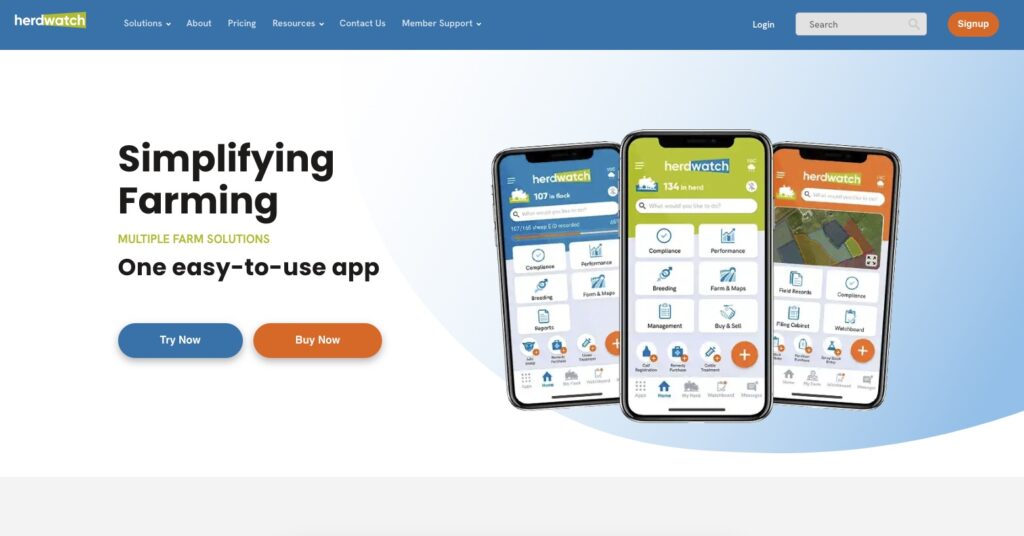
Herdwatch stands as a specialized livestock management app meticulously designed to cater to the unique needs of cattle and dairy farmers. This comprehensive tool serves to streamline daily farming tasks, offering a range of features aimed at optimizing productivity and efficiency within these agricultural sectors.
Key Features
Herdwatch boasts a suite of key features tailored to meet the specific requirements of cattle and dairy farming operations:
- Milk Production Tracking: Keep detailed records of milk production for individual cows, enabling farmers to monitor yields, identify trends, and optimize feeding and management practices to maximize milk output;
- Fertility and Breeding Alerts: Receive timely alerts and notifications regarding the fertility status of cows, breeding schedules, and reproductive health. This feature aids in optimizing breeding programs and maximizing reproductive efficiency within the herd;
- Compliance Reporting: Simplify compliance reporting by maintaining accurate and up-to-date records of veterinary treatments, medication administration, and regulatory requirements. Herdwatch ensures farmers remain compliant with industry standards and regulatory mandates, reducing the risk of penalties and ensuring the health and welfare of the herd.
User Experience
Herdwatch offers a seamless integration with existing farm practices, providing an intuitive and user-friendly experience for cattle and dairy farmers. The platform’s intuitive interface and straightforward navigation make it easy for farmers to access and utilize its features, minimizing the learning curve and maximizing productivity.
Customer Review
A farmer from Wisconsin praises Herdwatch as a game-changer for their dairy farm’s efficiency. This firsthand testimonial underscores the platform’s effectiveness in improving operational efficiency and optimizing farm management practices. By leveraging Herdwatch’s features, farmers can enhance productivity, streamline workflows, and ultimately, achieve greater success in their agricultural endeavors.
4. CattleMax
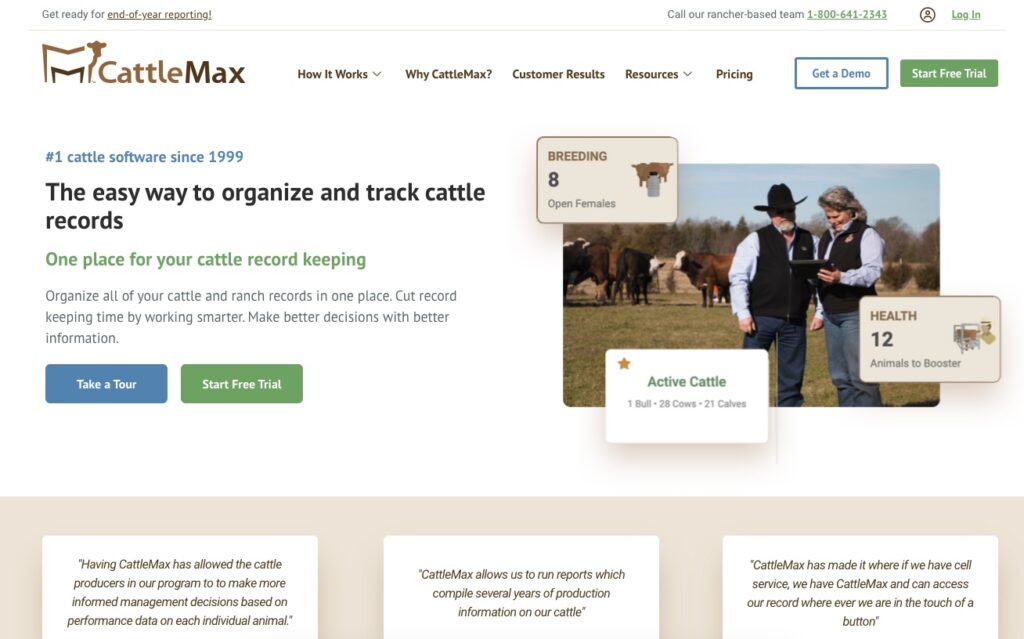
CattleMax stands out as a premier livestock management app meticulously crafted to cater specifically to the needs of cattle operations, irrespective of their scale. This comprehensive tool serves as a cornerstone for cattle farmers, offering a suite of features aimed at enhancing efficiency, productivity, and overall management within the cattle farming sector.
Key Features
CattleMax boasts an impressive array of key features tailored to meet the diverse needs of cattle farmers:
- Individual Animal Profiles: Maintain detailed profiles for each animal within the herd, including vital information such as breed, age, health history, and reproductive status. This feature enables farmers to track the performance and health of individual animals, facilitating targeted management practices and informed decision-making;
- Grazing and Feed Management: Effectively manage grazing rotations, feed schedules, and nutritional requirements for the herd. CattleMax provides tools for planning and optimizing grazing patterns, ensuring adequate pasture utilization and optimal feed efficiency to support the health and productivity of the herd;
- Comprehensive Reporting Tools: Generate comprehensive reports on various aspects of cattle management, including health records, breeding histories, inventory, and financials. These reporting tools provide valuable insights into herd performance, enabling farmers to identify trends, track progress, and make data-driven decisions to enhance overall farm management.
User Experience
CattleMax offers a highly customizable user experience tailored to fit the unique needs and preferences of cattle farmers. The platform’s flexibility allows users to configure settings, layouts, and reports according to their specific requirements, ensuring a personalized and efficient workflow. With its intuitive interface and user-friendly design, CattleMax empowers farmers to harness the full potential of livestock management technology with ease.
Impact on Farming
CattleMax has garnered recognition for its significant impact on farming practices, notably reducing manual record-keeping by 50%. By automating data collection, organization, and analysis processes, CattleMax streamlines farm management tasks, saving time and labor while improving accuracy and efficiency. This reduction in manual work not only enhances productivity but also allows farmers to focus on other critical aspects of their operations, ultimately contributing to the overall success and sustainability of cattle farming enterprises.
5. AgriWebb
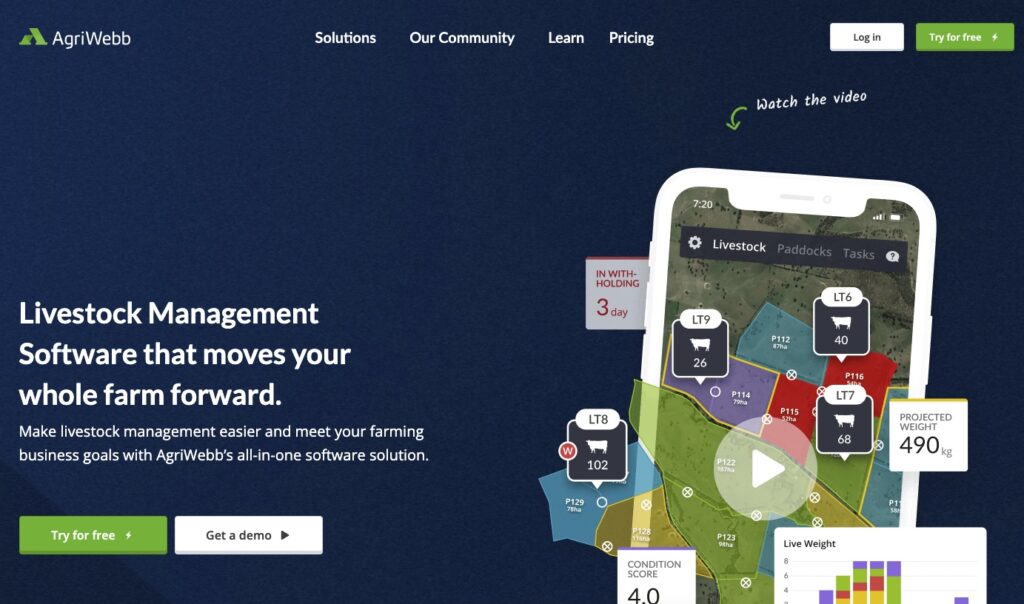
AgriWebb has emerged as a trailblazer in the realm of livestock management, garnering attention within the agricultural community for its holistic approach and emphasis on sustainability. This innovative app serves as a comprehensive tool for farmers, providing a suite of features aimed at optimizing livestock management practices while promoting environmental stewardship and long-term sustainability.
Key Features
AgriWebb offers a range of key features designed to meet the diverse needs of livestock farmers:
- Livestock Movement Tracking: Monitor and track the movement of livestock throughout the farm, facilitating efficient management of grazing rotations, herd movements, and stock movements between paddocks or pastures. This feature ensures optimal utilization of resources while minimizing stress on the land and livestock;
- Pasture Management: Optimize pasture utilization and health through comprehensive pasture management tools. AgriWebb enables farmers to monitor pasture growth, assess carrying capacity, and implement strategic grazing plans to maximize forage production and support the health and productivity of grazing animals;
- Operational Insights: Gain valuable insights into farm operations through data-driven analytics and reporting tools. AgriWebb provides farmers with actionable insights into key performance metrics, allowing them to identify trends, track progress, and make informed decisions to improve operational efficiency and profitability.
User Experience
AgriWebb prioritizes ease-of-use without sacrificing functionality, offering an intuitive and user-friendly experience for farmers of all levels of technological proficiency. The platform’s intuitive interface and streamlined workflows make it easy for farmers to access and utilize its features, enhancing efficiency and productivity on the farm.
Sustainability Angle
AgriWebb plays a crucial role in promoting sustainability within the agricultural sector by empowering farmers to adopt more sustainable practices through detailed land and livestock management. By providing tools for monitoring and optimizing resource utilization, AgriWebb helps farmers minimize environmental impact, improve land stewardship, and promote the long-term viability of their operations.
6. Stockman
Stockman stands out among livestock management apps for its innovative approach, seamlessly integrating both livestock and financial management functionalities. This unique combination enables farmers to not only track and manage their livestock effectively but also to gain valuable insights into the financial performance of their operations, empowering them to make informed decisions for sustainable growth and profitability.
Key Features
Stockman offers a comprehensive suite of features designed to meet the diverse needs of livestock farmers:
- Profit and Loss Analysis: Conduct detailed profit and loss analysis to assess the financial performance of livestock operations. Stockman provides tools for tracking income, expenses, and profitability metrics, allowing farmers to identify areas for improvement and make strategic financial decisions to maximize profitability;
- Livestock Treatment Records: Maintain accurate records of livestock treatments, vaccinations, and medical interventions. This feature enables farmers to track the health and well-being of individual animals, ensure compliance with veterinary protocols, and make informed decisions regarding herd health management;
- Sales Tracking: Monitor sales transactions and track revenue generated from livestock sales. Stockman provides tools for recording sales details, tracking inventory levels, and generating sales reports, facilitating efficient sales management and financial reporting.
User Experience
Stockman offers a blend of simplicity and advanced financial tools, providing farmers with a user-friendly experience that combines ease of use with powerful financial management capabilities. The platform’s intuitive interface and streamlined workflows make it easy for farmers to access and utilize its features, ensuring efficient livestock and financial management without the need for extensive training or technical expertise.
Special Mention
Stockman is ideal for farmers who prioritize financial planning alongside livestock management, offering a comprehensive solution that addresses both aspects of farm operations. By integrating financial management tools with livestock management functionalities, Stockman empowers farmers to gain a holistic view of their operations and make strategic decisions that optimize both productivity and profitability.
Conclusion
In the realm of modern farming, livestock management apps are indispensable tools that offer immense benefits. From small family farms to large agricultural enterprises, these apps cater to various needs, streamlining operations and boosting productivity. The top 6 livestock management apps we’ve explored today each bring something unique to the table, ensuring that there’s a perfect fit for every farmer’s needs. Embrace the future of farming with these cutting-edge tools, and watch your farm thrive like never before.
FAQ
Absolutely! Many livestock management apps offer integration capabilities with various farm management software, allowing for a seamless flow of data across platforms.
Yes, most livestock management apps are designed to cater to both small and large-scale operations, with scalable features that suit different farm sizes.
Data security is a top priority for livestock management apps. Most apps use advanced encryption and secure servers to protect your farm’s data.
While it varies from app to app, most livestock management apps are designed with user-friendliness in mind, offering easy navigation and support resources.
Certainly! With detailed animal records and genetic data, livestock management apps can provide valuable insights for making informed breeding decisions.
The post Top 6 Livestock Management Apps: A Gateway to Easier Farming appeared first on Agchat.
]]>The post Effective Farm Inventory Management appeared first on Agchat.
]]>What is Farm Inventory Management?
Understanding Farm Inventory Management
Farm inventory management is the process of overseeing and controlling all the resources and inputs needed for agricultural production. This includes seeds, fertilizers, pesticides, machinery, equipment, livestock, and other essential items. Effective inventory management ensures that farmers have the right quantity of each item on hand when needed, without overstocking or running out of critical supplies. By maintaining accurate inventory records and implementing efficient tracking systems, farmers can optimize their operations and maximize productivity.
Key Components of Farm Inventory Management
There are several key components involved in farm inventory management:
- Inventory Tracking: Keeping detailed records of all incoming and outgoing inventory items;
- Stock Replenishment: Ensuring timely replenishment of depleted stock to prevent disruptions in production;
- Quality Control: Monitoring the quality of inventory items to maintain product standards;
- Forecasting Demand: Predicting future demand for inventory items based on historical data and market trends;
- Cost Management: Minimizing costs associated with excess inventory, stockouts, and wastage.
Importance of Farm Inventory For Your Farming Business
Maintain Sufficient Stock Levels with Low Reorder Levels
One of the biggest challenges in farm inventory management is maintaining optimal stock levels while minimizing reorder points. Having too much inventory ties up valuable resources and can lead to spoilage or obsolescence. On the other hand, running out of critical supplies can disrupt operations and result in lost revenue. By using an automated inventory management system, farmers can calculate the minimum stock levels required for each item and set reorder points to ensure timely replenishment.
Automated Stock Tracking Removes Tedious Inventory Management Tasks
Manual inventory management processes, such as using spreadsheets, can be time-consuming and prone to errors. Tracking stock movements, updating inventory records, and reconciling discrepancies manually can be a tedious and inefficient process. By automating stock tracking with a farm inventory management system, farmers can streamline their operations, reduce human error, and save time and effort. Real-time visibility into inventory levels allows farmers to make informed decisions and respond quickly to changing demand.
Improve Operational Efficiency and Productivity
Effective farm inventory management is essential for improving operational efficiency and productivity. By having the right amount of supplies on hand at all times, farmers can avoid delays in production and minimize downtime. Accurate inventory records help in planning and scheduling tasks more effectively, optimizing resource allocation, and reducing waste. With better control over inventory levels, farmers can enhance overall efficiency, increase output, and meet customer demand more efficiently.

Benefits Of Using A Farm Inventory Management System
Enhanced Inventory Accuracy and Visibility
A farm inventory management system provides farmers with real-time visibility into their inventory levels, locations, and movements. By using barcoding or RFID technology, farmers can track inventory items accurately and efficiently. This helps in reducing errors, eliminating stockouts, and preventing overstocking. With improved inventory accuracy, farmers can make better-informed decisions, reduce carrying costs, and improve overall operational efficiency.
Streamlined Order Fulfillment and Procurement
An automated inventory management system streamlines the order fulfillment process by providing farmers with instant access to inventory data. Farmers can quickly identify available stock, track orders, and manage deliveries more effectively. By integrating procurement processes with inventory management, farmers can optimize purchasing decisions, negotiate better prices with suppliers, and reduce lead times. This results in cost savings, improved supply chain management, and enhanced customer satisfaction.
Data-driven Decision Making and Reporting
A farm inventory management system generates valuable insights and reports that help farmers make data-driven decisions. By analyzing inventory data, farmers can identify trends, forecast demand, and optimize stocking levels. Customizable reports provide visibility into inventory turnover rates, carrying costs, and profitability metrics. This enables farmers to monitor performance, identify areas for improvement, and implement strategies to enhance efficiency and profitability.
Conclusion
In conclusion, effective farm inventory management is essential for the success and sustainability of a farming business. By maintaining sufficient stock levels, automating stock tracking, and improving operational efficiency, farmers can optimize their operations, reduce costs, and increase productivity. Investing in a farm inventory management system offers numerous benefits, including enhanced inventory accuracy, streamlined order fulfillment, and data-driven decision-making. By leveraging technology and best practices in inventory management, farmers can achieve greater efficiency, profitability, and competitiveness in the agricultural industry.
The post Effective Farm Inventory Management appeared first on Agchat.
]]>The post Navigating Integrated Crop Management Practices appeared first on Agchat.
]]>The Concept of Integrated Crop Management: A Closer Examination
Integrated Crop Management (ICM) takes a holistic approach towards agriculture, aiming to strike a balance between profitability and sustainability. This innovative farming methodology prioritizes not just the economic gains for the producer, but also the long-term health of the environment. As opposed to traditional farming systems that may rely heavily on resource-intensive inputs, ICM encourages the use of sustainable and eco-friendly farming methodologies that do not excessively deplete resources.
ICM finds its roots in precision agriculture, a farming practice aimed at optimizing input efficiency, leading to simultaneous economic and environmental gains. However, ICM takes a step further by considering all aspects of farm operations instead of concentrating only on individual inputs. This broader perspective allows a focus on strategic planning in farming, covering every angle, from sowing seeds to reaping the harvest.
Over the past decades, the race to boost agricultural productivity has led to the rampant use of input-intensive methods, causing environmental issues such as resource depletion, wildlife loss, landscape degradation, and disruption of ecosystems due to decreased biodiversity. The ICM approach intends to counteract this by fostering a more sustainable balance between farming and the environment.
The core essence of Integrated Crop Management lies in its ability to promote environmentally compatible farming techniques, thereby keeping the ecosystem intact while not compromising on the quantity, quality, or economic viability of farm produce.
What sets ICM apart is its non-prescriptive, customized approach tailored to the specific needs and conditions of each farming operation. Factors like soil type, crop selection, climatic conditions, and farm location play a crucial role in shaping the ICM strategy.
While the specifics may vary across different farms and regions, a few fundamental principles unify all ICM practices. These embody the adaptation of local farming techniques, enhanced by research and technology, to ensure sustainability and resilience. Through this continuous evolution and adaptation, Integrated Crop Management practices aim to revolutionize the world of agriculture.
A Deep Dive into Integral Crop Management: Unraveling Best Practices
Integrated crop management (ICM) empowers agricultural entrepreneurs to undertake profitable farming while concurrently demonstrating responsibility towards the environment and sustainability. These practices help maintain equilibrium between the economical requirements of farming and the environmental necessities of sustainable agriculture.
After establishing the significance of ICM, it’s essential to explore some of the leading practices that supplement this approach. These form the backbone of profitable, sustainable farming and play a crucial role in balancing the ecosystem.
1. Crop Rotation: An Ancient Practice with Modern Benefits
Crop rotation is as old as agriculture itself, revolving around the idea of alternating various types of crops on the same plot of land in different seasons. This practice helps preserve the soil’s nutrient content while also preventing exhaustion due to repeated farming of the same crop.
A diverse crop rotation can boost soil fertility and significantly reduce the onslaught of weeds, pests, and diseases by disrupting their life cycles.
Advantages of Crop Rotation
- Enhances soil quality and structure;
- Preserves soil moisture and prevents loss due to evaporation;
- Increases crop yield in the long run by enhancing soil fertility;
- Provides a natural defense against weeds and pests, reducing reliance on harmful pesticides;
- Reduces need for artificial fertilizers by maintaining soil fertility naturally;
- Increases diversification, providing a buffer against complete crop failure;
- Reduces risk of soil erosion through constant vegetative cover.
Potential Challenges of Crop Rotation
- Requires significant initial investment in diverse seed varieties and possibly additional equipment;
- May require additional machinery or tools for different crop types;
- Requires knowledge and experience regarding compatible crops and optimal rotation sequences;
- Certain crops may be sensitive to unexpected weather changes, posing a risk to yield.
However, the benefits of crop rotation significantly outweigh potential challenges in the long run. Its central role in Integrated Crop Management practices makes it critical in transforming farming into a more environmentally friendly and sustainable industry.
2. Exploring Soil Cultivation: A Crucial Element in Integrated Crop Management
In the grand scheme of Integrated Crop Management (ICM), soil cultivation represents a pivotal part. It primarily involves efforts aimed at augmenting soil structure, fertility, and stability.
When delving deep into soil cultivation, one recognizes the critical importance of farm soil mapping and analysis. Both are processes that provide essential data on the soil’s pH value, the need for lime, and the concentration of beneficial minerals, such as calcium, phosphorus, and potassium.
Part of soil cultivation also incorporates the identification of potential erosion risks. Identifying these risks allows for the implementation of preventative steps, including growing grass between crops or planting specific erosion breaks, to reduce wind or water caused erosion.
The structure of the soil can be significantly influenced by factors including the size of the tractor, tire pressure, and cultivation technique and timing. The practice of rotating between plowing and non-inversion cultivation techniques presents an ideal cultivation strategy.
Non-inversion cultivation employs less energy and induces less damage to the soil compared to plowing. However, plowing is more effective in eliminating weeds. Therefore, a balance between these two techniques offers optimal soil health and productivity.
Benefits of Soil Cultivation
Soil cultivation aids integrated crop management in multiple ways:
- It breaks up compacted soil particles, enhancing soil structure;
- It helps in preventing soil erosion;
- Facilitates the sprouting of new seeds from the soil surface;
- Incorporates air and organic matter into the soil;
- Aids in pest elimination by disrupting their life cycle.
Potential Challenges
While soil cultivation offers numerous benefits, there are potential challenges to keep in mind:
- High risk of soil compaction due to erosion;
- Increased water loss from the soil due to exposure;
- Dormant weed seeds may germinate due to the disturbance.
Although these challenges exist, the benefits of soil cultivation and its role in an integrated crop management system make it a worthwhile practice. It not only aids in maintaining the soil’s health and fertility but also plays a crucial part in preserving the environment by reducing the need for excessive chemical inputs.
3. Harnessing the Power of Crop Nutrition: The Key to Robust ICM
Crop nutrition is an essential aspect of integrated crop management that entails devising a structured fertilization strategy. The process is designed to fulfill the nutritional needs of growing crops, primarily through soil analysis to identify the nutrients present in the soil and those which the soil lacks.
In the world of crop nutrition, fertilizers play a crucial role. They provide both inorganic elements like nitrogen, phosphorus, and potassium, and organic matter in the form of manure to engender a fertile breeding ground for crops.
Benefits of Fertilizer Application in Crop Nutrition
Fertilizers come with a host of benefits that make them an indispensable tool in crop nutrition:
- Easy to transport, store, and apply;
- Allows for multiple crop harvests in a single year, enhancing yield;
- The chemical composition ensures a rapid and positive impact on crops, fulfilling all their nutritional requirements;
- Ensures a high yield by providing necessary macro and micronutrients;
- Water solubility ensures nutrients are easily absorbed by crops;
- Replenishes nutrients consumed by crops, maintaining soil fertility.
Potential Downsides of Fertilizer Usage
Despite their numerous benefits, fertilizers can pose certain challenges or risks when not used judiciously:
- Overuse heightens the risk of groundwater pollution;
- Inorganic fertilizers are synthetic and can lead to toxicity when used in excess;
- Overuse may cause harm to surrounding flora and fauna, leading to a decrease in biodiversity;
- Can be expensive, particularly synthetic varieties, impacting the overall cost of farm operations;
- Overuse can negatively impact beneficial soil microorganisms, leading to long-term decrease in soil fertility.
The use of fertilizers in crop nutrition should be undertaken with caution, taking into account the specific requirements of the soil and crops, and environmental implications. As part of integrated crop management, a balanced approach to fertilizer usage—one that nurtures crops while respecting the environment—promises the best results.
4. Crop Protection: Safeguarding Agricultural Yield in Integrated Crop Management
Crop protection forms the core of Integrated Crop Management (ICM), involving a comprehensive strategy to shield crops from the adversities of weeds, pests, and diseases. It is a proactive approach that primarily focuses on preemptive measures and then transitions to reactive intervention if necessary.
In the realm of crop protection, prevention is often the best cure. A strategic approach such as integrating crop rotation, selecting resistant varieties, and determining the timing of sowing can drastically reduce vulnerabilities.
Another key component of crop protection involves monitoring and surveillance. This includes techniques like weed mapping to identify patterns of weed infestation, and disease and pest forecasting to predict and prepare for potential threats. Deploying diagnostic kits can also help in early detection of crop diseases, enabling timely intervention.
Despite the best preventive measures, crop threats may sometimes persist. In these situations, the use of pesticides and insecticides may be necessary to control and eradicate the problem.
Advantages of Crop Protection
The benefits of a sound crop protection strategy include:
- Protection against pests, diseases, and weeds;
- Potential to enhance the growth and quality of crops;
- Promises higher yields by reducing crop loss;
- Increases farm profitability by ensuring healthy, high-quality crop production.
Potential Downsides
While essential, crop protection strategies aren’t devoid of potential challenges:
- Pesticides and insecticides, if not handled correctly, may harm farm workers’ health;
- Risks of crop contamination if excessive or inappropriate chemicals are used;
- Potential for soil and water pollution if chemical residues aren’t managed prudently.
A well-executed crop protection strategy, in line with ICM principles, can optimize yield while reducing environmental impact. Balancing preventive and responsive measures is the key to sustainable crop protection.
5. Embracing Wildlife and Landscape Management: The Environmental Pillar of Integrated Crop Management
Wildlife and landscape management form the environmental cornerstone of Integrated Crop Management (ICM). This approach recognizes the importance of biodiversity and the interconnectedness of ecosystems, extending beyond the boundaries of crop fields and into areas of the farm untouched by cultivation.
In pursuit of sustainable farming, ICM promotes the preservation and enhancement of natural habitats within farmland, including woodlands, freshwater bodies, and other ‘non-productive’ areas. These spaces serve as habitats for native flora and fauna, contributing to an increase in biodiversity and fostering a healthy ecosystem.
Farmers can contribute to the environment by preserving these areas and taking steps to enhance them. For example, woodland can be conserved and managed effectively through selective logging, which will encourage the growth of a diverse range of tree species and support a rich variety of wildlife.
Similarly, keeping streams and ponds unpolluted promotes the well-being of aquatic life and benefits the broader environment. Such practices not only boost biodiversity but also naturally help control pests, as these habitats often house natural predators.
Advantages of Wildlife and Landscape Management
The benefits of incorporating wildlife and landscape management into farming practices include:
- Helps contain the spread of pests and diseases in crop fields;
- Contributes to biodiversity conservation;
- Improves the aesthetic value of the farm;
- Has a positive impact on the local ecosystem;
- Potentially attracts beneficial insects and pest predators.
Potential Downsides
While beneficial, wildlife and landscape management does come with potential challenges:
- May need significant investment to maintain and enhance habitats;
- Might require expert consultation, which can incur additional costs.
Despite these challenges, the importance of wildlife and landscape management in Integrated Crop Management cannot be overstated. It ensures a balanced and sustainable approach to farming that caters not just to the economic aspect, but also to the essential environmental considerations.
6. Energy Utilization: A Pillar of Sustainable Integrated Crop Management
Energy utilization plays a critical role in Integrated Crop Management (ICM) practices. It marginally impacts every aspect of a farm’s operations, thus, making it an essential part of sustainable farming.
Energy resources encompass the types of energy consumed to carry out farming operations. These resources could be either renewable, like solar or wind energy, or non-renewable, like fossil fuels.
The emphasis of ICM is on implementing the most energy-efficient strategies. To achieve this, it encourages the use of renewable energy alternatives and strives to ensure energy conservation throughout different layers of farming operations. A thorough analysis of fuel consumption and energy use distribution can guide the formulation of efficient energy strategies.
Another aspect of energy resources in ICM is waste management. The primary goal here revolves around the principle of “reduce, reuse, and recycle” to curb waste generation and promote recycling of maximum possible material.
Moreover, ICM also targets reducing farmland pollution caused by the overuse of pesticides, insecticides, and fertilizers.
Advantages of Efficient Energy Utilization
- Environmentally friendly, with little to no emissions;
- Provides a sustainable energy solution;
- Helps in reducing your carbon footprint;
- Contributes to air pollution reduction;
- Aids in combating climate change.
Potential Challenges
While the advantages are evident, it is also crucial to consider the potential challenges:
- Renewable energy can be unreliable due to dependency on weather conditions;
- Requires a significant upfront investment;
- Installation of solar panels or wind turbines, require a considerable amount of space;
- High costs associated with energy storage solutions.
Despite these challenges, a shift towards sustainable and efficient energy utilization remains a central aspect of Integrated Crop Management. It not only brings economic benefits but also contributes significantly to the pursuit of sustainable and eco-friendly farming practices.
7. Organizing, Auditing, and Assessing Integrated Crop Management
Integrated Crop Management (ICM) represents a comprehensive strategy that farmers can adopt to enhance their agricultural practices. It involves a systematic approach that not only focuses on short-term gains but also prioritizes long-term objectives and sustainability. Here’s a detailed look at how organizing, auditing, and assessing ICM can significantly benefit farmers:

- Organizing Practices
- Implementing a structured plan for crop management that aligns with long-term goals;
- Utilizing digital tools and software for better organization and data management;
- Establishing clear protocols for tasks such as planting, irrigation, pest control, and harvesting;
- Encouraging collaboration and communication among farm workers for efficient workflow.
- Auditing Techniques
- Regularly conducting audits to evaluate the effectiveness of farming practices;
- Analyzing data on crop yields, resource usage, pest control measures, and environmental impact;
- Identifying areas of improvement based on audit findings and implementing necessary changes;
- Utilizing advanced technologies like drones and satellite imaging for comprehensive audits.
- Assessing Farm Operations
- Monitoring all levels of farm operations, including soil health, water management, and crop rotation;
- Keeping abreast of the latest farming techniques and innovations through continuous education and training;
- Conducting risk assessments to identify potential challenges and develop mitigation strategies;
- Collaborating with agricultural experts or consultants for in-depth assessments and recommendations.
Benefits of ICM Organizing, Auditing, and Assessing:
- Error Prevention: By keeping track of farming processes, ICM helps detect and rectify mistakes promptly, reducing the risk of future errors;
- Long-term Sustainability: Focusing on long-term objectives ensures sustainable farming practices that benefit both the environment and the farm’s profitability;
- Efficiency Improvement: Through regular audits and assessments, farmers can optimize resource usage, improve crop yields, and enhance overall operational efficiency;
- Risk Mitigation: Identifying potential risks and implementing preventive measures minimizes the impact of unforeseen challenges on farm productivity;
- Continuous Improvement: ICM encourages a culture of continuous learning and improvement, driving innovation and adaptation to changing agricultural landscapes.
Challenges of ICM Organizing, Auditing, and Assessing:
- Time-Consuming: The process of organizing, auditing, and assessing farm practices can be time-intensive, requiring dedicated efforts from farm managers and workers;
- Expertise Requirement: In-depth knowledge and expertise may be necessary, leading to potential costs associated with hiring consultants or agricultural specialists;
- Technological Investment: Adopting digital tools and technologies for organizing and auditing may require initial investment and training for farm personnel.
Conclusion
In conclusion, integrated crop management (ICM) offers a promising path forward for agriculture, balancing productivity with environmental stewardship. By combining traditional wisdom and modern technology, ICM optimizes crop yields while safeguarding the environment and promoting soil health. As we confront challenges like climate change and food security, implementing the seven essential ICM practices becomes not just beneficial but imperative. This holistic approach represents a beacon of hope for sustainable farming, shaping a future where agriculture thrives in harmony with nature.
The post Navigating Integrated Crop Management Practices appeared first on Agchat.
]]>