“The world we have made as a result of the level of thinking we have done thus far creates problems we cannot solve at the same level of thinking at which we created them.” — Albert Einstein
Modern societies have largely rejected execution as a remedy for violent crime. Mass incarceration is expensive and prone to corruption and abuse, and too often serves as “higher education” for refining criminal skills and attitudes. Releasing violent criminals into the general population only leads to higher rates of violent crime, with more and more communities falling prey to violent gangs and thugs.
For thousands of years, exile was used by organized societies as an alternative to execution and imprisonment. Greece, Rome, medieval Europe, all used deportation of violent persons as a way to reduce violence and disorder in cities and towns.
From 1788 to 1868, British authorities transported 162,000 convicts to Australian colonies13. The First Fleet of eleven ships arrived at Botany Bay in 1788, establishing Sydney as the initial settlement13 [41]. Consequently, additional penal colonies emerged in Van Diemen’s Land (Tasmania) in 1803 and Queensland in 1824.
The Australian experiment proved remarkably successful. Most transported convicts were sentenced for petty crimes, with thieves comprising 80% of all transportees13. Once emancipated, many former convicts integrated successfully into colonial society, some achieving prominent positions. By 2007, approximately four million Australians could trace their ancestry to these transported convicts13. __ Saving Us from a Plague of Violence
Australia gave convicts a second chance at a life with new opportunities. An entire country was waiting to be built, with all the employment niches that every country offered — and many more besides, in the new upside-down world that was opening.
Violence and Genes
Scientists have discovered that tendencies toward violence and crime are often hidden in the genetic and epigenetic fabric of a person’s being. Several genes have been identified as possible targets of interest, and more are waiting to be found. If predisposition toward violent crime can be concealed within every cell in the body, perhaps we are not considering the portrait of violent crime on a large enough canvas?
For the last few decades, two hypotheses (Nurture and Nature) have strongly influenced the research on human aggressive behavior, violent tendencies, and disease onset. The nurture hypothesis states that humans acquire their behavioral violent tendencies as a result of adapting to their hostile environment such as family violence, societal violence and media violence. Whereas the nature hypothesis states that violent tendencies arise as a result of epigenetic regulation or polymorphism in important genes such as mono-amine oxidase A (MAOA), the serotonin transporter and others, which may be causative factors in the progression and maintenance of chronic violent tendencies. To compare these premises, we conducted a pilot study among young subjects, and data was collected from 130 respondents via convenience and referral sampling through an online survey. A significant correlation between the subjects’ current violent tendencies, and both the hypotheses was noted. However, inherited characteristics play a more impactful role than nurture in most participants. __ Violent Tendencies Causes
Genes predispose to violence and anti-social tendencies. Genes do not commit crimes, people do. But there is no clear way to separate a person from his genes, so it is important to utilize genetics as points of data in the overall analysis of persons and their behaviors. More
Violent crime has been referred to as a “plague,” and in the sense that predisposition toward violence can be propagated through the genes the metaphor can be apt. Any solution to this plague must involve dealing with both the genes and the person hosting the genes.
Where to Exile Behavioral Miscreants
If we are not to execute persons of extreme violence, and if we cannot afford to imprison them long term in El Salvador – style prisons, and if we remain unwilling to allow these behavioral miscreants to wander freely among nonviolent populations, then exile may remain an option. But where should these miscreants be placed, out of reach… out of sight… out of mind?
Foreign prisons have been suggested as a possible destination for exiled violent offenders. In some cases such as El Salvador, foreign prisons may be suitable for violent criminals. But such a solution would not solve the problem of expense. Host nations would expect to be paid for the service they provided. And unfortunately, there is no huge isolated continent such as Australia, just waiting to be populated by unwanted violent criminals.
This is where the recent phenomenon of “Seasteads” may find its killer app. If the seastead is built well enough, it can be located in as isolated a location as you wish. Even more secure than a floating seastead, would be an underwater seastead. Similar security would be found in an outer space structure such as an L4 or L5 orbital facility, but the infrastructure for such facilities are even further into the future than the infrastructure for large seasteads.
Should exile be voluntary, as it was in ancient and medieval societies? Perhaps in the case of nonviolent criminals, exile might be voluntary. But for violent criminals — particular for repeat violent offenders such as serial killers and mass murder terrorists, in the absence of execution . . . exile to a harsh and remote location may have to suffice.
The point is to get more people thinking about the option of exile as an alternative to some of the other options which have been rejected — or which are proving not to work very well in the face of Chicago-style corruption and incompetence.
The two sexes evolved differently, both in body and brain. Male brains are better at constructing systems, and teasing out how things work. Female brains are better at empathizing with people and understanding how social groups relate. These brain differences influence career choices and life trajectories. “A world if created by women” would necessarily be different from “a world if created by men.”
Undeterred by reality, pampered but incompetent women tell each other on social media that the world would be better without men. Intelligent women who are grounded in reality know better.
If women had built the world, it would not be anything like this one. For one thing, there would not be nearly as many people in the world. Millions, rather than billions. And most of the surviving peoples of the world would still be living in the same places that their ancestors lived 10,000 years ago. allowing for natural climatic changes to push populations one way or another.
Women would not naturally have chosen the occupations that led to exploration, wars of conquest and the scientific and technological advancements that led to the great population boom since 1800. They would not have developed the technological advances that led to mass trans-continental migrations of millions.
Here are the jobs that women freely choose to do, in this age of privileged feminism:
By and large, these are jobs dealing with people rather than infrastructure or heavy equipment. These are jobs that women can typically do without risking their lives, without doing too much overtime, perhaps even working part-time. Women deal with people, and not so much with things or systems of things.
What about the jobs men do?
US BLS Male Dominated Jobs
The jobs that are done mostly by men more typically deal with critical infrastructure, involving higher levels of danger and risk of fatal injury. Most miners, loggers, pilots, sea-captains, truck drivers, railroad workers, oil rig workers, construction workers, mechanics, repairmen, heavy equipment operators . . . and so on.
About 95% of commercial truck drivers, airline pilots, commercial maritime captains, and railroad workers are men. Men are responsible for most farm output on both private and commercial farms. The same lopsided math applies to fishermen, ranchers, poultry, and other livestock production.
The story is different in food processing facilities where women account for about half of the workforce. But if the crops, fish, and livestock are not created at the source and transported to the food processors, what will the workers do with their empty hands?
If trucks stop delivering food to supermarkets, the food supply would quickly become scarce within hours, not within days. Supermarkets supposedly have 3 days of food on hand at any given time, but that is under normal circumstances, when customers can assume that the nightly truck deliveries will continue. The moment customers suspect that the trucks have stopped delivering in the middle of the night, the rush is on. Not a clean shopping rush, but rather the kind of rush where you are risking your life just stepping foot in the store. If you miss the first few hours of shopping after the trucks stop, you will just have to take what you can get — and you won’t like it.
If the critical infrastructures collapse (except “renewable energy”), your whole world collapses. All of those infrastructures are built upon energy, fuel, and transportation. But energy, fuel, and transportation are all built on men. Remember, if the trucks stop, food begins to run out in the supermarket within hours. The trash begins to pile up. If the electricity stops, the fuel pumps stop, and the trucks stop. The perishable food spoils in the supermarket. Communications will drop off. Water supply will dwindle. Sewers will back up. Hospitals stop working properly. Emergency generators will only last so long. Medicines stop arriving.
Without men to maintain them, all the systems and backup systems begin to fail almost immediately.
Look at the jobs that women do, vs. the jobs that men do. It takes years to learn most of these critical jobs.
Women certainly did not build this world. And it would fall apart if it relied only on women.
What if Women Had Built the World?
I consider the “grass hut” to be a best case scenario. The world human population would be no more than 100 million, probably much less — if the female mind had been in charge of decision-making over the past 20,000 years. Not because women are less intelligent or less capable of understanding concepts and ideas. But women are more risk-averse, and prefer to stay closer to home and closer to what is familiar. The imagination of most women is more concerned with friends and family, and not so much with the larger world and universe.
With some notable exceptions women are not typically at the cutting edge of science or technology — except for destructive pseudosciences such as “political science” and “climate science.” The soft sciences like biology are the most popular jobs in science for women, other than the “social sciences.” But even there, they are not typically at the cutting edge.
There have been many notable female scientists. But thanks to policies meant to promote women in sciences, there is a lot of feather-bedding in those academic programs and in many workplaces.
Yes, they actually include political science in the social sciences! Go figure.
The entire set of categories in the graph below is highly suspect. The drive to maximise female achievement tends to overwhelm all other considerations in the minds of woke statisticians.
Unfortunately what they are calling scientists and engineers now — in the desperate attempt to include more women — does not translate into real world accomplishment. Just on-paper achievement for the easily impressed. The real infrastructure will continue to degrade no matter how many pretend scientists and engineers they crank out.
Higher education in the US has been very friendly to women — and very unfriendly to men — for the past few decades. That anti-male bias in universities is having a very unfortunate effect on US innovation and productivity down the line. There will not be enough scientists, engineers, and technologists in the future without massive targeted immigration from outside the country.
Remember: Women care about people, family, and “nice things.” It is the men who go crazy with exploration, conquest, innovation, world-building, and other “out-there” things.
If entitled and incompetent women want to go on about how the world would be better without men, perhaps they should be content with talking, and not taking their ideas into the world of reality.
As for me, I would never claim that the world would be better off without women! So long as men are allowed to be men, and women are allowed to be women — without the harsh interventions of feminist/woke pseudo-logic — I believe the world will likely proceed in the direction of an abundant and expansive future.
More: The massive rush to build a huge AI infrastructure plus the move to reshore much of the world’s manufacturing, will require large numbers of skilled workers, skilled tradesmen. Per Mark P Mills:
Most big projects—ships, bridges, power plants, or data centers—draw on the same kinds of skills: equipment operators, electricians, welders, carpenters, and the like. A rule of thumb: every $1 billion in construction spending requires 5,000 to 10,000 workers.
The United States faces a shortage of skilled-trade workers. Those in the skilled trades sector are, on average, older than the rest of the workforce, and fewer young people are entering the pipeline. To Build, Baby, Build! as the White House exhorts, we’ll need lots more construction workers.
Policymakers have only three tools at their disposal. First, they can encourage many in the aging workforce to delay retirement. Second, they can fill the pipeline with more people learning the skilled trades. Third, and probably most politically challenging, they can import skilled labor.
Men have been driven away from universities by the feminist/woke overlords, but if they are given the proper training many of them can help to build this resurgence of industry and commerce in the nations of the western world that are willing to get real about competent energy and power sources.
More: Wokeness and Feminism
Everything you think of as wokeness involves prioritizing the feminine over the masculine: empathy over rationality, safety over risk, cohesion over competition. Other writers who have proposed their own versions of the Great Feminization thesis, such as Noah Carl or Bo Winegard and Cory Clark, who looked at feminization’s effects on academia, offer survey data showing sex differences in political values. One survey, for example, found that 71 percent of men said protecting free speech was more important than preserving a cohesive society, and 59 percent of women said the opposite.
The most relevant differences are not about individuals but about groups. In my experience, individuals are unique and you come across outliers who defy stereotypes every day, but groups of men and women display consistent differences. Which makes sense, if you think about it statistically. A random woman might be taller than a random man, but a group of ten random women is very unlikely to have an average height greater than that of a group of ten men. The larger the group of people, the more likely it is to conform to statistical averages.
Female group dynamics favor consensus and cooperation. Men order each other around, but women can only suggest and persuade. Any criticism or negative sentiment, if it absolutely must be expressed, needs to be buried in layers of compliments. The outcome of a discussion is less important than the fact that a discussion was held and everyone participated in it. The most important sex difference in group dynamics is attitude to conflict. In short, men wage conflict openly while women covertly undermine or ostracize their enemies. __ The Great Feminization
Woke feminism runs universities, corporate media, most government bureaucracies, large foundations, and like mold and fungus is insinuating itself into almost all institutions. University graduates are filled to the eyeballs and overflowing with it.
They punish dissent. That’s why they’re in this mess.
Protests signal to the public that the [ed: Woke-Fems] are helpless, that they have no ability to win elections or to compromise or have any kind of rational conversations about anything, much less any plan to lead America anywhere. Their messaging for ten years now is all or nothing. Give us what we want or we’ll throw a fit. __ Sasha Stone
The fit they are throwing is well financed by bottom-line billionaires pulling the strings:
But it isn’t the billionaires exactly. It is their many foundations and subsidiaries, sprinkling the $millions and $billions down through the interconnected 3D labyrinth of squeaky plaintiffs and insatiable gullets. These organizations are woke-fem personified, although acting as genderless front screens for purposes of disinformation and privacy.
Elon Musk’s merry men of DOGE tried to remove government funding from that tangled web of graft, but were only partially successful.
The more successful the attempt to tame the corrupt swamp, the louder will be the protest of the woke-fems and their wealthy enablers. Although they would really prefer that government deficit spending were used to fund the revolution.
Both China and Silicon Valley are making huge $trillion dollar bets on large language model (LLM) artificial intelligence (AI). They are betting the farm in the belief that LLMs are the pot of gold at the end of the magic rainbow. They think that scaling LLMs ad infinitum will achieve artificial general intelligence (AGI) and from there, superintelligence. At that point, things get a bit hazy.
What if they are wrong, and the big bets they are making go up in a puff of smoke? Richard Sutton is one eminent AI researcher who says that LLMs are a dead end:
What is actual knowledge? There’s no definition of actual knowledge in that large-language framework. What makes an action a good action to take?
You recognize the need for continual learning. If you need to learn continually, continually means learning during the normal interaction with the world. There must be some way during the normal interaction to tell what’s right. Is there any way to tell in the large language model setup what’s the right thing to say? You will say something and you will not get feedback about what the right thing to say is, because there’s no definition of what the right thing to say is. There’s no goal. If there’s no goal, then there’s one thing to say, another thing to say. There’s no right thing to say.
There’s no ground truth. You can’t have prior knowledge if you don’t have ground truth, because the prior knowledge is supposed to be a hint or an initial belief about what the truth is. There isn’t any truth. There’s no right thing to say. In reinforcement learning, there is a right thing to say, a right thing to do, because the right thing to do is the thing that gets you reward.
We have a definition of what’s the right thing to do, so we can have prior knowledge or knowledge provided by people about what the right thing to do is. Then we can check it to see, because we have a definition of what the actual right thing to do is.
An even simpler case is when you’re trying to make a model of the world. When you predict what will happen, you predict and then you see what happens. There’s ground truth. There’s no ground truth in large language models because you don’t have a prediction about what will happen next. If you say something in your conversation, the large language models have no prediction about what the person will say in response to that or what the response will be.
Another cognitive scientist who thinks that LLMs are a dead end on the road to AGI is Gary Marcus. Another one is Francois Chollet. Many observers doubt the ability of LLMs to scale up to AGI based upon their exponential growth in electrical power demands — at a time when most of the western world had been trying to shift to green power technologies which cannot support big AI/Data Centers.
Real world limitations to scaling LLMs will slow things down in the west. China, on the other hand, has the capacity to expand its electric power infrastructure more rapidly — nuclear power in particular, but also coal power (using imported and domestic coal) and to a lesser extent natural gas power. Green energy, of course, is not capable of supporting massive scaling of LLMs or even power grids as they exist today.
China’s other big bet: Green Energy Technologies
In yet another frenzy of overcapacity and overproduction, China made massive investments in the manufacture of EVs, solar energy panels, wind energy turbines, large power inverters, and the other components necessary for building large green energy grids. China’s assumptions in making that bet were sound so long as the US Biden administration was in power. It was assumed by conventional wisdom that Europe and the entire Anglosphere were going all-in on green energy, including EVs.
But suddenly under the Trump administration, US EV sales are crashing — and strangely enough something similar is happening in much of the rest of the Anglosphere, and in parts of Europe and free East Asia. China was counting on those markets to dump its EVs. Now they are going into Chinese “graveyards.”
President Trump has also been very unfriendly toward big wind & solar power installations, casting a dark pall over the future of those industries — at least in the US. And following the famous Spanish power blackout, other markets are reconsidering their fatal commitments to “green energy.”
The whole world was supposed to become addicted to Chinese green energy technologies, but instead the outlook for that sector is looking more and more grim.
When you also recognize that green energy cannot support massive scaling of the current approach to AI, the promotion of green energy becomes less obviously rational or logical. This is bad news for China.
When you understand that the climate apocalypse scam cannot stand the test of time and intense examination, the outlook for green energy appears truly dismal to intelligent eyes.
This throws China’s green energy over-leverage under the same bus that ran over the slimy dragon’s failing real estate sector.
The projected power demand for these monstrosities is enormous. But if they can never get us where we want to go — at any scale — why throw all our resources into the same hole? That is how China does things. We should do better.
Elon Musk’s brain uses about 20 watts of power. Albert Einstein’s brain used the same amount. So did the brains of Leonardo Da Vinci and Isaac Newton. Compared to the 100 Gigawatt demand above predicted for US AI infrastructure demand in 2030, these powerful human brains used only negligible amounts of power.
But each one of them were (are) far more significant than any amount of AI that we can currently envision. Especially the LLMs.
What is driving the Chinese economy beyond overcapacity and overproduction? What is driving Silicon Valley and much of the US tech stocks beyond mass scaling of LLMs? How much of it is hype and illusion?
And what happens to that imaginary value when a 20 watt brain comes along, toppling the tower of Babel and substituting something better?
Interesting times.
Richard Sutton’s short 2019 essay “The Bitter Lesson.” Once the right structure is conceived, scaling may happen automatically. Or not.
China is built on intellectual property theft and debt-driven overcapacity and overproduction. Western corporations gave away their trade secrets and tech skills to China over the past 30 years, and China expected that such $trillion dollar gifting from west to east would continue indefinitely until China had so much leverage as the global producer and supplier that the west could no longer resist Chinese domination.
The current arm-twisting by Beijing over rare earths and lithium batteries etc. is an example of China being forced to show its hand much earlier than it wanted to — by Donald Trump. Another four years of Obama/Bidenism would have handed the controls over to China almost completely.
At this point, resetting the global balance is not a sure thing — but it is a goal worth pursuing, given the alternative.
One thing the west cannot afford is to repeat China’s mistakes by misallocating scarce resources toward the overcapacity and overproduction of an insatiable technology that can never reach the desired goal.
Instead, the west should re-tool universities to encourage a broad range of innovation in automated manufacturing, supply chains, advanced computing and chip-making technologies, and other cutting edge sciences and technologies. Western universities have been stuck in dead-end ideological thinking for several decades, and that fixation has almost finished us off.
Kids should be taught to think for themselves, and learn to develop strong personal confidence based upon competence and capability.
All of this is not to say that LLMs are useless. Elon Musk and many other competent persons can tell you that LLMs are incredibly useful for many purposes. But if LLMs are taking us down a dead-end path to a destination we do not wish to go, the potential waste of resources is enormous. We prefer doors that open into open-ended potentialities rather than ruinously exorbitant dead ends of very limited value.
Important correction: In the original posting of this article the following paragraph was erroneously included inside the blockquote attributed to Richard Sutton:
China is also betting the farm on green energy technologies, such as EVs, lithium batteries, solar power arrays, wind power farms, large DC to AC synchronous power inverters, and other components meant to hook customers on the fantasy of the great green energy future. But US President Donald Trump threw a big monkey wrench into that scheme.
The paragraph was part of an earlier draft written by this writer (not Richard Sutton), and was lost in the editing while rewriting. It was meant to have been deleted and replaced by a different paragraph. The mis-attribution was unintended.
I learned about this project a month too late to announce it ahead of time, but I wanted to reveal this new 14 day intensive open-source training in homebuilding — a Future Builder Crash Course — plus a six week “build your own house on-site and trailer it home for installation,” for.those in the readership who are considering building their own house, but need to get some practical knowledge and skills first.
The 14-day intensive build training is described below:
In the September 1-14 time frame, we will build the following:
Foundation – How to measure, mark, stabilize subgrade, laser level, and pour a stem wall.
Framing – Building wall modules, floor modules, roof modules, and all of the structure, plus interior/exterior sheathing
Thermal Battery – We will install 16 water tanks of 250 gallons each in a small utility space to provide heating and cooling storage from a heat pump – for 5 days without the sun! Gamechanger for off-grid living. Here we aim to transform renewables with a practical storage option – by enabling the single largest electrical load – heating, cooling, and water heating – to be powered during the day and stored for the night, including extensive periods of low sun. 60% of all global electricity use is heating and cooling. Transitioning from rare earth batteries to thermal batteries can be a game changer for renewable energy.
PV system – Install of rooftop-mounted including mounting hybrid inverter, transfer switch, disconnect, breaker panel, grounding. House will be 90% solar powered.
Geothermal Cooling – Installing a ground loop of water pipe to provide 100% summer cooling using a simple heat exchanger with fan. This is low-hanging fruit – if open source machines could make the expensive earthworks affordable.
Biodigester – We will install a pump vault with sewer macerator pump feeding a biodigester in this workshop. In the next Builder Crash Course, we will add gas collection for cooking and power generation. Here we are aiming for a radical but practical and mainstreamable approach to waste processing and energy recovery – we just may become the first production builder in the world that offers biodigesters as a standard option.
Insulation– R50 in the roof, R19 in the walls, and R11 in interior walls.
Wires – Prewiring, wiring outlets, wiring devices using wire nuts and Wago lever nuts, outlet covers. Quick connect outlets. Smart outlet wiring. Wireless kinetic switches as part of buildless design.
Quality Control – Performing quality control such as pressure test of water supply, vacuum test of plumbing, testing of all wiring circuits
Complete plumbing system – For bath, kitchen, washer, dishwasher, water heater, and exterior hose bib. Rough and finish.
Flat Roof – With protected RPE membrane, plants, and photovoltaics. Highly insulated R50 roof, 4″ slope over 24 feet, allowing for easy vertical expansion. Reinforced polyethylene with pea gravel cover and sedum. 6kW of photovoltaics in 3 strings.
Fasteners – From screws, trim screws, nails, finish nails, wire staples, structural staples, pipe support, joist hangers, nail plates, gaskets, pocket screws, dowels, concrete ties, wood scabs, and more.
Plumbing – Main line, traps, drains, vents, air admittance valves, overflows. Pump vault to biodigester. Septic fertigation.
Water Supply and Distribution – Using code compliant Shark bite quick connect fittings to build a complete water service entrance in 1 hour. Water distribution and heaters connection. Fnish connection to sinks, washer, dishwasher, hose bib.
Power and Signal. – Wiring up service entrance for electrical, hybrid solar inverter with transfer switch, Ufer ground, breakers, exterior outlets and lights. Smoke alarms, doorbell, and smart outlet modules. Lights with kinetic wireless switches.
Kitchen Cabinets – Using easy to build techniques and off-the-shelf options to build otherwise expensive kit. Installation.
Appliances – Installing shower, toilet, sink, and appliances including Superefficient washer, dryer, heat pump, dish washer, minitank water heater, water saving shower head, refrigerator, warm water bidet hookup, bathroom exhaust fan plumbing. Zero energy refrigerator
Heat Pump – Efficient cooler/heater down to -22F – involves mounting, drainage, refrigerant line cutting, and plumbing. Interior unit assembly.
Windows + Doors – Installing with water sealing techniques. Doorknob installation.
Siding Installations – Metal siding, trim and waterpnroofing detail.
Paints and Finishes – Paint, stain, sanding, planing, varnish, wax, butcher block sealer, caulk, water stop mastic, filler, spackle, putty, drywall mud, stone sealer, and other surface finishes.
Finishing Trim and Penetrations – Interior and exterior detail and trim of walls, cabinets, doors, roof, windows, corners, etc. Leak free penetrations and trim for exterior vents, fans, electrical components, outlets, lights, heat pump penetrations, etc.
Landscape and Hardscape – We will get out the tree spade and transplant evergreens, plant flowers and landscape plants, and start sedum on the living roof. We will do walkway hardscape to demonstrate geotextile-stabilized walkway, edgers and block with pervious pavement for rainwater infiltration.
The Open Building Institute above is related to the Open Source Ecology movement by marriage 😉 . They want to train ordinary people in the homebuilding trades, while also providing people with the tools and machinery to re-build civilization.
Open Source Ecology has been promoting their “blueprints for rebuilding civilization after TEOTWAKI” for several years. They call it the Global Village Construction Set, consisting of a crucial core of 50 industrial machines that can be built at a fraction of the cost of equivalent industrial machines on the open market. They are still working on the low-budget approach to remaking civilization, but have decided to add affordable homebuilding training to their mission.
The Shelter Institute in Maine
The Open Building Institute intensive homebuilding training reminds me of an older group, the Shelter Institute in Maine, that has been running an intensive 2 week total home build training program since 1974. The Shelter Institute also offers online and in-person training in dimensional lumber timber framing — an exceptionally strong and sturdy approach to building a home frame.
The Shelter Institute has been around for over 50 years, showing substantial “staying power” in the mission to teach ordinary people to build their own homes for a fraction of the market price. Whether the Open Building Institute and Open Source Ecology can accomplish the same record of achievement, remains to be seen.
Here is more on the Open Building Institute’s 6 week actual enrollee-build followup to the initial 2 week intensive building training:
Again, I was too late to announce this project in time to allow readers to participate in the initial training and building sessions themselves. But I wanted to provide a description of this intriguing project for interested readers, as well as to provide an update of sorts for the Open Source Ecology project to rebuild civilization after the lights go out.
If the university trained and Soros-financed nihilists of the dieoff.orgy left have their destructive way, there will be a deluge. After that the newborn civilized world will need to find seed communities of competence around which to coalesce a new civilization from the ruins. The ability to build one’s own solid and functional home is one of the core competencies necessary for starting over.
There are many approaches to rebuilding civilization along a broad spectrum of technological sophistication — from the Amish approach to horse-based farming all the way to an industrial restart as envisioned by Open Source Ecology’s Global Village Construction Set.
The broader the range of competencies that the new civilization can draw on, the better the chances the next time around. New islands of competence will take many forms.
The Survivor Library contains thousands of downloadable public access PDF books on useful topics for rebuilding a low tech, medium tech, or somewhat higher tech level civilizations.
Always keep in mind the distinction between book knowledge and real hands-on knowledge. The distinction can be the difference between life and death. If you do not know how to use hand tools, power tools, and heavy equipment, take some time to find where you can safely learn to use them effectively. The new world will not build itself.
In the meantime, do whatever you can to wisely stall and stop the Soros agenda of decay and destruction. The decay you see in large American cities is by design, not by accident or incompetence. And the decay that you cannot see in American institutions across the country is even worse, with more ominous repercussions. Try to stop it if you can, but also . . .while hoping for the best, prepare for the worst.
This is good for Russia, since government taxes on hydrocarbon sales provides a significant part of Russia’s government budget. Oil and gas taxes have provided about 30% of revenues recently, which is down from about 50% of government revenues between 2011 and 2014.
All of that crude oil production is also a problem for Russia, when it has nowhere to go. Russia lacks the massive oil tank storage farms which many other oil producing nations have. The oil must therefore be refined to other products (petrol, diesel, chemicals etc.) or it must be sold and shipped to other countries for processing there.
If something happens to reduce refinery capacity in Russia — or if something happens to interfere with the transport and shipping of crude oil to foreign customers — all of that massive production of crude oil must be dealt with by some means.
Meanwhile, when refineries are shut down — or otherwise limit their production — the supplies of fuels to domestic customers can be reduced, sometimes drastically.
While most energy analysts are still obsessed with OPEC, US shale, or Israel’s operations in Gaza, Russia, not only a pivotal player inside the so-called OPEC+ group, but also one of the world’s leading oil and gas exporters, is looking at a very dire situation. Ukrainian drones are not only degrading Moscow’s ability to turn Russian crude into exportable petroleum products (diesel, gasoline, kerosene) but also forcing Russian refineries to go offline. Both issues are hitting Putin’s war economy very hard, as they decrease options to monetize its hydrocarbon potential (exports) and also force higher domestic price settings for Russian citizens and external parties. Lately, in a move to squeeze Russia really, Ukraine has increased its attacks on Russian oil ports, in a move to hit export potential, while in the end forcing Russian crude oil production to be shut in. __ OilPrice
If that is true, Russia is being pounded on two fronts: Its refineries are being damaged and forced to reduce output, while its export terminals and oil transport pipelines are being hit. Rail transport of crude oil is also being hit by drones and sabotage. All of this creates a squeeze on Russian crude oil, with Peter Zeihan’s long predicted “shut-in” of Russian oil wells approaching with the coming harsh Russian winter.
OPEC has been increasing oil production in an attempt to grab Russian market share, while Russia remains at war with its peaceful kin-neighbor Ukraine and remains under sanctions — both western sanctions and Ukrainian sanctions — which are more incendiary than the western variety.
Putin bombs schools, hospitals, apartment houses, and shopping markets — as a primary strategy of terror. So far, Ukraine has limited its strikes to military and energy targets in a remarkable — but necessary — show of restraint.
Ukrainians are much tougher than your average European. They fought on both sides of the USSR vs. Nazi Germany war, and were largely responsible for the repulsion of Hitler’s forces from the Slavic motherland. Only a fool would pick a fight with Ukrainians, but perhaps Putin skipped those history classes.
Now that Donald Trump has decided to take a step back from his intervention efforts in Putin’s would-be “Peter the Great” conquest, the war will continue along its brutally destructive course. The conflict has given Ukrainians plenty of time to observe the true nature of Putin and his neo-USSR. They have been confirmed in their convictions that they wish no part of Peter-Putin’s disastrous plans.
The rest of Europe — including the EU, NATO, and even Switzerland — learned a lot as well. Germany may not survive all that it has learned from its own foolhardiness over the past 15 – 20 years, between its dependency on Russian natural gas and its disastrous immigration policy.
Unlike the American system, where there’s massive tank farms in every major city, the Russians don’t have that. They’re used to producing crude, sending it to refineries, having it turned into fuel and consumed locally or exported. And the rest goes to an export point and is exported. If you have friction in that system where the fuel can’t be produced, then the crude has to go somewhere else.
It has to go to a port, and if the ports can’t take it, pressure builds up back in the pipeline system all the way back to the wellhead, which means if something doesn’t change in just the next 2 or 3 weeks, there’s going to be so much pressure in the system that either we’re going to have a rupture in the pipeline, which would be really, really bad for any number of reasons, or the Russians are going to have to shut down their production sites back at the wellhead and lock in a million barrels a day or more.
The problem is, it’s already late September. Winter is almost upon us. And if these pipes are shut down, or if those wells are shut in in the winter, the crude will freeze in the wellhead. And if they want to turn it back on, they can’t just flip a switch. They have to re drill the well. And a lot of these wells are either old or were produced with Western technology, which means it has to be done from scratch with what the Russians can do with themselves or import from the Chinese, which isn’t sufficient for the technology required in order to make it all work.
So we could be three years into this war, finally on the verge of a crude shortage, because the Russians just can’t play. Well, no. Real soon, repairing things like refineries takes time. Especially if you’re talking about this distillation columns that the Ukrainians have been hitting, the pressure testing that is required to make sure the thing doesn’t explode is something the Russians and the Chinese cannot do themselves.
They import all of that from the West. It’s going to be a problem getting the parts. And in the case of Primorsk, not only did the Ukrainians hit a pumping station, they also had a couple of ghost fleet tankers. So all of a sudden, whatever insurance the Russian government or the Indian government or the Chinese government has been providing to these ships all of a sudden has to be paid out.
Fast Times at Kremlin High
The video below reveals a number of trends across Russia and the battlefront. Financing the war against brother Slavs in Ukraine is a growing burden for the Kremlin and the Russian economic system. Russian war bonds are as attractive to investors as Chinese EV companies. Like jumping into the harbor with a 100 kg anchor chained to your waist. If only Vladimir had considered for a moment before he took that fateful plunge of hubris and vanity.
Charlie Kirk and Elon Musk both spoke publicly in the past about the need for young men and women to marry and have children. That is one reason Charlie Kirk was killed, and why Elon Musk is at the top of the left’s hit list. The loudest cultural voices from universities, media, and governments tell women and men to put off marriage, put off childbirth — “there is plenty of time” they say, if that is what you really want to do. .
The documentary above explains in excruciating detail why there is no more time for more and more members of these deluded generations. The result is that most women and men will go childless. Entire populations and gene lines will cease to exist, as if they had never been.
With birthrates plummeting, more and more societies are heading into an era of pervasive and indefinite depopulation, one that will eventually encompass the whole planet. What lies ahead is a world made up of shrinking and aging societies.
Net mortality—when a society experiences more deaths than births—will likewise become the new norm. Driven by an unrelenting collapse in fertility, family structures and living arrangements heretofore imagined only in science fictionnovels will become commonplace, unremarkable features of everyday life.
Human beings have no collective memory of depopulation. Overall global numbers last declined about 700 years ago, in the wake of the bubonic plague that tore through much of Eurasia. In the following seven centuries, the world’s population surged almost 20-fold. And just over the past century, the human population hasquadrupled.
The last global depopulation was reversed by procreative power once the Black Death ran its course. This time around, a dearth of procreative power is the cause of humanity’s dwindling numbers, a first in the history of the species. A revolutionary force drives the impending depopulation: a worldwide reduction in the desire for children.
So far, government attempts to incentivize childbearing have failed to bring fertility rates back to replacement levels. Future government policy, regardless of its ambition, will not stave off depopulation. The shrinking of the world’s population is all but inevitable. __ The Age of De-Population by Nicholas Eberstadt
It is not just a matter of fewer people. It is a matter of fewer vital and essential people, and a lot more people too sick and feeble to do the essential work of a thriving society.
There are exceptions. Sub Saharan Africans still reproduce in excess of zero growth rates, leading to continued rapid expansion of human numbers in those impoverished tribal cultures that are so dependent on outside aid and expertise.
Some Muslim countries such as Afghanistan continue with rapid population growth. When women are not given a choice about either marriage or child-bearing, they tend to follow traditional paths. But Afghanistan and other primitive Muslim cultures are also dependent upon outside entities for aid and other types of vital lifelines. Without the outside world, the harsh nature of life would soon begin to tear down those growth rates to match the natural carrying capacity of the landscape.
Some Christian communities in the west — such as the Amish — are doubling in population every 20 years. Most Amish women have close to 5 children each, as a tradition. Amish communities are constantly splitting off and forming new colonies where farmland is affordable and fertile.
Mennonites are another Christian community with similar roots to the Amish, where early marriage and child-raising are traditional. Other Christian denominations such as Mormons, Catholics, and Evangelicals, also often produce many large families with several children per woman.
If global depopulation continues — likely resulting in multiple significant wars between formerly great nations as the power equations change — the current economic system of the world will not last indefinitely.
In that event, large populations of horse-farmers such as the Amish and others will provide important centers of food production and economic activity in a scaled down world.
What are some advantages of horse-farming in such a world?
HorsePowered farming, once a common sight in rural areas, is making a comeback for several reasons. Firstly, there is a growing awareness of the environmental impact of heavy machinery, leading farmers to seek more sustainable alternatives. Additionally, horses offer a more intimate and hands-on approach to farming, fostering a deeper connection between the farmers, the land, and the animals.
Benefits of Using Horses in Modern Agriculture
Horses have their unique strengths that make them a valuable asset in modern agricultural practices. Their agility and ability to work on various terrains make them particularly useful for small-scale farming operations. Furthermore, they can access areas that machinery may not reach, allowing for more thorough and efficient cultivation of the land.
Modern agricultural practices can benefit greatly from incorporating horses into the workflow. Not only do horses provide a more sustainable and environmentally friendly alternative to machinery, but they also contribute to fostering a deeper connection to the land and a more holistic approach to farming. __ Source
Of course after the big depopulation crunch and after whatever horrific wars follow it, the infrastructure that now supports machine-based agriculture will either not exist, or will be a pale shadow of its current form. For most farmers of that future time, reverting to horse farming will not be a choice.
There is one societal policy which if implemented now would significantly slow the depopulation process: Encourage likely high school sweethearts to marry and have children. By “likely” I mean those with drive, grit, and spunk. Those who have a problem-solving nature to begin with, because they will need all of those skills.
At that age, they are romantic enough to have fewer qualms and reservations about the daunting task ahead of them. And once a woman has one child, she is likely to have more — at least according to the excellent documentary at the top of this posting.
Two of Charlie Kirk’s messages to young people:
You don’t need college to succeed.
Marry and have children.
According to the documentary “Birthgap” the main force driving the extinction of parenthood in most countries is the delay of marriage and parenthood past the point of no return.
It is time for calculating persons to create a number of options for themselves and their loved ones, based upon the different directions this process could go.
Our leftist programmers and overlords in university, government, media, etc. would like everyone to leave it all to them, and everything will be fine. I suspect that just like Jimmy Kimmel, the overlords are gaslighting the hell out of all of us. Better to assume they are our deadly enemies, and proceed from there.
The documentary “Birthgap” will be available to view in its 2 hr entirety on YouTube for another few weeks. It is highly recommended.
The following video and research publications explain AI researcher Francois Chollet’s unique approach to building an artificial general intelligence (AGI) — the “holy grail” of machine intelligence research. True AGIs would be massively versatile, able to teach themselves a wide range of general and special skills, and have much lower electric power demands than today’s LLM approaches.
Chollet’s unconventional philosophy of AI and his new approach to developing a self-teaching AGI were laid out in the 2019 publication: “On the Measure of Intelligence.”
This summary points to two characterizations, which are nearly universally – but often separately – found in definitions of intelligence: one with an emphasis on task-specific skill (“achieving goals”), and one focused on generality and adaptation (“in a wide range of environments”). In this view, an intelligent agent would achieve high skill across many different tasks (for instance, achieving high scores across many different video games). Implicitly here, the tasks may not necessarily be known in advance: to truly achieve generality, the agent would have to be able to learn to handle new tasks (skill acquisition).
These two characterizations map to Catell’s 1971 theory of fluid and crystallized intelligence (Gf-Gc) [13], which has become one of the pillars of the dominant theory of human cognitive abilities, the Cattell-Horn-Caroll theory (CHC) [62]. They also relate closely to two opposing views of the nature of the human mind that have been deeply influential in cognitive science since the inception of the field [85]: one view in which the mind is a relatively static assembly of special-purpose mechanisms developed by evolution, only capable of learning what is it programmed to acquire, and another view in which the mind is a general-purpose “blank slate” capable of turning arbitrary experience into knowledge and skills, and that could be directed at any problem.
A central point of this document is to make explicit and critically assess this dual definition that has been implicitly at the foundation of how we have been conceptualizing and evaluating intelligence in the context of AI research: crystallized skill on one hand, skill-acquisition ability on the other. Understanding this intellectual context and its ongoing influence is a necessary step before we can propose a formal definition of intelligence from a modern perspective. __ Narrow Skill vs. Broad Skill Acquisition Machines
Chollet helped develop a special benchmark for his new breed of thinking machines called the Abstraction and Reasoning Corpus (ARC) benchmark. In this 2024 paper, he discusses the five years history of the new benchmark, and why it remained unsolved to that point. From the 2024 paper:
ARC-AGI tasks do not require specialized world knowledge (e.g., historical facts) nor language to solve. The only assumed prior knowledge is Core Knowledge [7] – concepts such as objectness, basic topology, elementary integer arithmetic, etc. Human Core Knowledge has been investigated by Spelke et al. [23]. These knowledge priors are acquired by children very early (typically before age four) and are universally shared by all humans. The ARC-AGI-1 public training tasks are designed to expose test-takers to all the Core Knowledge priors needed to solve ARC-AGI tasks.
1.1 Dataset Composition
ARC-AGI-1 consists of 1,000 tasks split into four subsets:
• Public training tasks (400, easy) – Intended to demonstrate the task format and allow for learning the Core Knowledge priors.
• Public evaluation tasks (400, hard) – Intended to let researchers locally evaluate their performance.
• Semi-private evaluation tasks (100, hard) – Intended to let us evaluate third-party approaches that rely on publicly-available commercial APIs. It is “semi-private” because while it hasn’t been publicly released, it has been exposed to commercial APIs and thus suffers from a risk of leakage.
• Private evaluation tasks (100, hard) – Intended to let us evaluate standalone approaches. It is fully private and theoretically free of leakage.
This video interview of F. Chollet by Dwarkesh Patel reveals an optimistic prediction for an AGI achievement timeline using Chollet’s new benchmark-directed approach. If the new approach proves more versatile and less power-hungry than today’s LLM approach, it is more likely to catch on quickly and spread rapidly around the world.
As a counter-point to the above AGI optimism, another AI researcher predicts a timeline for AGI that is probably more than 20 years away:
This pessimism is based upon a set of barriers which the researcher believes will be very difficult to solve:
Energy and Resources
Training vs Inference
Who will invest in full AGI
Training will take longer
Political push back!
These obstacles are explained in the video. The table below (from Aschenbrenner) illustrates the difficulty with scaling of LLMs:
The electric power limit along with material limits — such as the availability of suitable chips — is likely to slow down the expansion of conventional current AI approaches in most countries. The dependency on intensive training for an infinite number of specialized skills is another impediment to rapid development and implementation of current models that are being scaled so desperately.
Remember, they tell us about most of their successes, but few of their failures. Given the massive stock evaluations that are at stake, most of their concerns and problems are kept close to the vest, if possible. Honesty is a scarce commodity here, which must be economized.
The international competition along with national security concerns only add to the secrecy and disinformation which hover over the field.
The human brain uses 20 watts of power, while the exponential growth in power demands for the LLM approach to AI can be seen in the table above. “All the energy and power in the solar system” may not be enough to match the 20 watts needed for a premium human brain.
If the ARC benchmarks prove to be as useful a “guiding light” toward AGI as Chollet suggests, with lower power demands, less training time, and fewer material demands than LLMs, the timeline to AGI may be dependent upon other factors currently not being considered.
Canada abolished capital punishment for even the most horrendous crimes in 1998. But capital euthanasia has been expanding in Canada since 2016.
In Canada, about 5% of deaths are from government euthanasia. In Quebec, the number is closer to 10%. Why does the government kill Canadians in such large numbers? A big part of the problem is the overstressed Canadian health care system, which cannot afford to provide many of the more expensive and complex forms of medical treatment required to maintain a person’s quality of life. Sometimes it is for transitory psychological and emotional reasons. Either way, it is simpler and cheaper to cross a Canadian off the list of government concerns by shuffling off their mortal coil.
It is certainly one way—however inhumane—to reduce Canada’s healthcare costs by reducing demand. It is reported that Canada’s Standing Committee on Finance is recommending to “no longer provide charitable status to anti-abortion organizations.” If parliament follows this recommendation, between increased euthanasia and abortion, Canada will be reducing both ends of its healthcare demand equation. Clearly, the postmodern death cult wants to kill you coming or going. __ Dying to Escape Canada
For many people who never watched the 1973 motion picture Soylent Green, this movie trailer may provide a snapshot of the nightmare society that some Canadian officials seem to fear — and why their euthanasia enthusiasm promises to create a worse future than the one they fear. The vision of an overpopulation armageddon is long outdated, but is kept alive by left-wing professors, politicians, authors, eco-terrorists, and other low life.
There are plenty of Canadian physicians who consider it easier to snuff out a patient’s life, than to provide comfort and healing.
“Medical professionals who decided early on to reorient their career toward assisted death no longer feel compelled to tiptoe around the full, energetic extent of their devotion to MAiD. Some clinicians in Canada have euthanized hundreds of patients.” A criminologist would call them “serial killers,” but when sanctioned by the state, the practice of medicine becomes a license to kill, be it through abortion or euthanasia. __ Dying to Get Out of Canada … More
Canada’s government can now through its policies make life for Canadian’s not worth living, then turn around and provide a permanent escape for very little cost to itself.
As the selection criteria for euthanasia are broadened year by year, no one truly knows where it will all end for Canadians unable to protect themselves from the creeping death cult.
This is what the DNC in the US — and other Soros affiliates — want to create in America, for their own special purposes. Perhaps starting small, then rapidly expanding in unexpected directions. It’s who they are, and what they would like to be able to do, free of restraint.
Once you give government officials permission to kill people for ever-vaguer reasons, killing citizens that are unwanted becomes easier and easier. And the reasons for not wanting particular citizens become more and more subjective as the power to kill without consequences grows. Before you know it, Canada (and perhaps the UK) begin to look more and more like Auschwitz.
Leftists Endorse Violence in a Dose-Response Manner
The more leftist the ideology, the stronger the endorsement of violence — in a dose-response way.
Catholic school kids are gunned down at Mass. A young refugee woman is brutally murdered by a lunatic who was only on the streets because Democrats fetishize and glorify criminals. Now a young husband and father who was a refreshingly positive voice in the negative world of politics has been assassinated. __ Left Wing Violence Rampant
They nurture their hatred like a hurt child; day and night, alone, with friends, on social media. Until anything that was once special or good about them has atrophied to dry brittle fiber.
Woke politics, and the cultural penumbra around wokeness — especially trans everything — is a license to engage in cruelty. It appeals to cruel people. It’s the “politics,” the political theater, of sadists. You deserve this torture, you merit destruction, you’re worth a bullet to the throat. You Nazi! __ Subculture of Hate that Exists to Justify Its Own Violence
A toxic cancer ideology that has infiltrated our schools, our state and local governments and federal bureaucracies, our media, and almost all institutions and large workplaces.
The reality is that the culture war has been cooking hot for a long time now. The pressure valves have been redlined over and over again. I’ve been in it. I stepped out of it to protect my children. I wasn’t worried about being killed. Maybe I should have been. Maybe I should be now, as I step back in.
Maybe I don’t care about death as much as I should, when it comes to me, personally. __ A Tribute
That is not an unreasonable suspicion, given how often rich and powerful groups and persons have undermined the functioning of societies in order to take advantage of the confusion, for personal advantage and tangible benefit.
Here is how top functionaries at the European Union do it:
The European Commission has, it seems, has literally paid off almost everything and everyone in the media world — meaning that everyone, from news agencies to media outlets, public broadcasters and other media organizations, sits in the pocket of the European Commission to greater or smaller degrees.
These abundant examples of media and news organizations are just those within the EU. The EU, however, is also operating a large-scale influence operation outside of the EU….
These super-wealthy and powerful cabals operate through the media, of course. But they go far beyond the media into governments, universities and other schools, social institutions, social media, sophisticated corporations in tech and other industries, and spew their vile influence at every level.
George Soros got his start riding in a car with Nazi occupiers in Hungary.
Tivadar Soros had his son George assume a non-Jewish identity — “Sandor Kiss” — and pose as the godson of a Hungarian agriculture ministry bureaucrat named Baumbach, whose job was taking inventory of Jewish properties confiscated by the Nazi occupiers.__ Helping the Nazis Rob Fellow Jews
He learned many lessons as a boy, from the Nazis, from the Nazi collaborators. Ultimately, did he become them? If we judge him by the fruits of his funding, the violence, the social discord, the promotion of angry emotion and the devaluation of rational deliberation — it would seem so.
To the Left, Everything that Contradicts Them is Hate Speech
Here’s how they do it: Nobody questions that people can be prompted to act recklessly on what they hear. Crowds of Ku Klux Klansmen, for example, were indeed incited during the Reconstruction and Jim Crow eras by horrendously false accusations to lynch innocent black men.
What the Left does in this process is redefine what constitutes “hate speech” as anything espoused by those opposed to the Left. Thus, Matthew Dowd reframed Charlie Kirk’s message — about the love of Christ, the blessings of individual liberty, and the need for civil debate and tolerance of divergent views — as the worst hate speech that produces hateful, violent, actions. This is how Dowd comes to the position that Kirk’s speech brought on his own assassination. The assassin who pulled the trigger was merely responding to Kirk’s alleged provocation. Thus, the real perpetrator of political violence is actually the victim of hate speech by the Left’s opponents. __ Finally, Is There Anything Thy Don’t Hate?
As we are all aware, the assassination of Charlie Kirk has shaken people who barely pay attention to politics. The heaviness and grief feel like they will be around for a while. Again, for decent people. Decency is in very short supply on the Left, sadly, and Kirk’s horrific death is merely a chance to prove how awful they are.
My colleagues have been busy chronicling many of the worst responses by mainstream media types and heathen social media trolls. Honestly, that could be a full time job for anyone who chose to do it.
I’ve been writing about the Dem media for over two decades now, so I am painfully aware of what rotten people they are. __ Miserable Lives Full of Hate
If only it were just the left wing media. The rot goes into every bureaucracy of every type at every pay grade and level of influence. The homicidal hate has spread to every school, every government agency at every level, and almost every workplace.
If it were just the media, most of us would not need concealed carry, would not need to learn how to dodge bullets and knives just going to work or school. But thanks to George Soros and his pals in positions of influence over the past decades, the hatred flows out of universities, colleges and other schools with every graduating class and every bunch of indoctrinated dropouts. It travels with them wherever they go, and however they regurgitate their learned hatred.
College Students Condone Violence to Shut Down the Speech of People They Disagree With
Those students who are the furthest to the left have been the most accepting of violence for as long as we’ve asked the question. That includes very liberal and democratic socialist students. But a rising tide of acceptance of violence has raised all boats. Now, regardless of party or ideology, students across the board are more open to violence as a way to shut down a speaker. What was once an extreme and fringe opinion has become normalized. __ Leftist Students Most Violent
What was once considered radical left, is now seen as mainstream. So it is no surprise that more students condone violence to stamp out freedom of speech for those with differing opinions.
The IQ of students is also going down, on average, with the “reverse Flynn effecct.”
The IQ reversal, for example, seems to begin right around 2010—the point at which smartphones began their rapid ascent to ubiquity. In addition, according to the Northwestern study, the demographic suffering the steepest declines is 18 to 22-year-olds, who also happen to be the heaviest users of smartphones. __ Cal Newport
Is it such a surprise to think that students would become more violent and less intelligent at the same time?
Smartphones are not the only reason for growing stupidity among college students. Digital Dementia is caused by overuse of several types of digital devices and applications, including the use of artificial intelligence to avoid study and mental work. Tik Tok Brain is another problem common among youth.
Ominously, there is a stealth epidemic of brain atrophy among college age youth, which has not been explained to any satisfactory degree.
They can’t think for themselves. But they want to kill anyone with different opinions. Stupidity and violence is a bad combination, whether caused by genes or by environmental factors. University has the bad habit of taking young minds and making them almost worthless — for a hefty fee. Then it sends the young bodies out as cannon fodder.
Below are some of the acts of violence that this leftist movement has perpetrated inside the US against political opponents. Judging from many of the lefty comments about Charlie Kirk’s murder, these people are just warming up.
September 2025: Turning Point USA Founder Charlie Kirk Assassinated in Utah
Turning Point USA founder Charlie Kirk was fatally shot during a speaking event at Utah Valley University on Wednesday in an apparent political assassination.
April 2025: Turning Point USA Students Assaulted at UC Davis
A group of conservative students were assaulted and had their equipment destroyed when masked protesters attacked them before an event on a California university campus.
April 2025: Arson Attack on New Mexico GOP Headquarters
The suspect behind an arson attack on the headquarters building of the New Mexico Republican Party and the firebombing of a New Mexico Tesla dealership has been revealed to be an Antifa supporter.
Jamison Wagner, 40, was charged in connection with a February 9 arson attack at the Tesla Albuquerque Showroom, and a March 30 arson attack at the New Mexico GOP headquarters office, which left the entryway to the building destroyed, according to a press release from the Department of Justice (DOJ).
September 2024: Second Assassination Attempt on Donald Trump
Former President Donald Trump recounted on Monday night the harrowing moments when a Secret Service agent engaged his alleged would-be assassin at Trump International Golf Club West Palm Beach.
July 2024: Bullet Hits Donald Trump in the Ear as Would-Be Assassin Aims for His Head
Former President Donald Trump released a statement following the shooting that occurred at his rally in Pennsylvania, writing on Truth Social that he was “shot with a bullet that pierced the upper part of my right ear.”
April 2023: Swimming Star Riley Gaines Assaulted by Transgender Mob at Turning Point USA Event
Former NCAA women’s swimming star Riley Gaines was reportedly “ambushed” and “hit by a man wearing a dress” at San Francisco State University after giving a speech about saving women’s sports during a Turning Point USA and Leadership Institute event on the campus. Gaines’ agent said, “Instead of a thoughtful discussion tonight at SFSU, Riley was violently accosted, shouted at, physically assaulted, and barricaded in a room by protestors.”
June 2022: Assassination Attempt on Supreme Court Justice Brett Kavanaugh
The man who allegedly planned the assassination attempt on Supreme Court Justice Brett Kavanaugh over the leaked overturn of Roe v. Wade has pleaded not guilty in federal court.
June 2022: 23 Pro-Life Organizations Vandalized, Firebombed by Pro-Abortion Activists in Recent Weeks
The attacks follow a leaked Supreme Court decision that revealed Roe v. Wade may be overturned this month. If overturned, abortion would no longer be protected by the federal government but would still be legal in many states.
May 2020: Rioters Assault Breitbart Reporter, Another Journalist Outside White House
Violent protesters outside the White House forced at least two journalists, including a reporter for Breitbart News, to flee their coverage assignments in one of the many incidents of violent unrest sweeping across the nation.
October 2018: Two Minnesota Republican Candidates Assaulted
Two Republican candidates running for office in Minnesota were reportedly assaulted in two incidents on the campaign trail this weekend. Police are currently investigating the assaults on the candidates, who are both running campaigns for the Minnesota State House, after they each said during the weekend that they were attacked.
September 2018: GOP Headquarters Hit with Arson Attack in Laramie, WY
A man was charged by federal prosecutors for an alleged act of arson at the Republican headquarters in downtown Laramie, Wyoming.
Police arrested Paul’s long-time neighbor, 59-year-old retired doctor Rene Boucher, and charged him with fourth-degree assault after he allegedly blindsided the senator, who was reportedly mowing his lawn.
In an update, Paul tweeted that a “final report indicates six broken ribs & new X-ray shows a pleural effusion [buildup of fluid around the lungs]”
June 2017: Leftist Terrorist Shoots Up GOP Congressional Baseball Practice
Sen. Rand Paul (R-KY) revealed a shocking detail the establishment media covered up about James Hodgkinson, the left-winger who attempted a mass murder at a Republican congressional baseball practice: according to Paul, the man who almost killed Rep. Steve Scalise (R-LA) and wounded four others was shouting, “This is for health care!”
December 2016: MILO Video Producer Attacked by Communist Student Protesters At UWM
Matt Perdie, video producer for MILO’s “Dangerous Faggot Tour” was attacked at the University of Wisconsin, Milwaukee by communist student protesters.
August 2012: Family Research Council Hit with Terror Attack
A source told FoxNews.com that the suspect “made statements regarding their policies, and then opened fire with a gun striking a security guard.” The gunman may also have been carrying a bag from Chick-fil-A, a restaurant that has been attacked by those on the left because of its owner’s stance against gay marriage, which has been all over the news in recent weeks.
Suppose you count all 23 attacks on pro-life centers. In that case, it adds up to 37 attacks — all of it ginned up by a corporate media that gives their violent followers little choice but to attack and murder those described as fascists, Nazis, rapists, threats-to-democracy, and white supremacists.
If cheering on the violence against us, harassment, and verbal threats were added to this list, we’d run out of internet.
Now it appears that the contemporary financiers of leftist violence want to bring things to a head, as a matter of last resort. They may be joined in this effort by operators out of communist China, and criminal Russia. And don’t forget our radical muslim friends. It is what such people do, after all.
The entire landscape of political violence stretches far and wide, in space and time. It is not merely history.
They are fortifying themselves with hate, with the help of professors, teachers, and staff — at schools of all levels and types. Often on the taxpayer’s dime.
President Trump has called for the repudiation of violence in response to these hateful assaults, in favor of the rule of law and peaceful action. Most Americans agree with him.
Leftists think we should all take a time out now, but I think it is time to consider what Charlie Kirk was all about. He left a record of his cross-spectrum debates, and he left a movement that shows no sign of slowing down.
The best retaliation would be to take away their funding and to soldier on.
She was from Ukraine and she was woke, according to the blackboard in her room. Safe inside her walking island, radiating good intentions, focused on her smartphone while the world passed around her, nothing could harm her.
But the dead black men who had been idolized by slogans such as “hands up, don’t shoot,” or “I can’t breathe,” turned out to be violent thugs. The Black Lives Matter group turned out to be a gang of thieves that spent their money on expensive real estate and to hell with all the suckers. And we continue to learn every day that BLM actually means “black lives murder.”
After a shift at Zepeddie’s Pizzeria in Charlotte, North Carolina, Iryna Zarutska boarded the train and quickly made a decision where to sit. Did she think about her safety? Did she fear sitting in front of a Black man with dreadlocks and a face twisted into worried knots? Or did she find a seat far away from him, just on a hunch?
The truth is that Iryna had no real choice. If she avoided the seat in front of the Black man, she might look like a racist. She had no reason to fear him, after all, because she was sympathetic to the plight of racism in America and even had the words “Black Lives Matter” and “I can’t breathe” scrawled on a chalkboard in her room.
She was learning to speak English, and what better way than to get to know the villains and the heroes in America in 2025? She was just 23, having arrived in the US at the age of 20, with a degree in art and restoration from Synergy College in Kyiv. She joined a settlement of other Ukrainian refugees in Charlotte.
She knew enough to tuck her hair into her cap, keep her glasses on, and not look like the blonde beauty that has now blanketed all social media. If you look like that, no one will leave you alone.
As she boarded the train that night heading home, she could not have known that the man she sat in front of had thirteen previous arrests and was diagnosed with schizophrenia. She wrapped her arms around her body and seemed to display a sense of foreboding. She looked afraid of something or someone, just not of the guy sitting behind her.
With her earbuds canceling out all noise, she might not have heard the man take out his knife. Before she knew it, he was stabbing her neck, killing her. Did the other passengers scream? Did anyone try to do anything to alert her to the danger? No. They were too afraid. __ Girl on the Train
The corporate media — the skankstream media — was afraid of what Iryna’s fatal story would do to their painstaking narrative about black victimization at the hands of white people. So they blackballed the story and refused to cover it. As if it never really happened. Now they want to censor the video of the crime, to more easily pretend it didn’t happen.
It might not have happened if someone had given Iryna a copy of the book White Girl Bleed a Lot by Colin Flaherty. Perhaps then she would have had a more realistic idea of the origins of most violent crime in American cities that contain a significant population of African American men.
She was a foreigner from a nation with little diversity, and might be excused for her ignorance of basic social behaviors in diverse cities. Even good liberal white girls born and raised in America display the same blase obliviousness. To their sometimes everlasting detriment.
The skankstream wants to pretend that its pretty little narrative of blacks being victimized in 2025 at the hands of whites is the final word. But statistics tell a different, darker story. The skankstream will tell you that statistics are racist, products of institutional racism.
Listening too much to the skankstream can get you killed.
Apparently Iryna was the only non-subsaharan person on that car. The other passengers declined to give her assistance while she lay dying. A couple minutes after the stabbing, a solitary fellow passenger tried to help, but Iryna was beyond assistance by then.
Once she sat in that seat of her own accord, the wheels of fate were rolling, and not in her favor.
Young people are being fed a false narrative by the media. What the media chooses to cover, how stories are spun, and what the media chooses to ignore. This false narrative leaves people defenseless to the threats that exist, but are not acknowledged by the gatekeepers of information.
The Chinese military equipment exports are facing issues like poor quality and lack of maintenance services. China has supplied defective equipment & weapons to most countries. Complicated training procedures and poor contract evaluation results in ballooning costs for maintenance and spare parts.
Chinese arms are often cheaper than comparable products from other exporters, but after-sale service support is costly. The underdeveloped and developing countries suffer due to this cheap defective equipment and often resell them and suffer huge losses.
A RAND Corporation (US-based think tank) study in 2021 pointed to a lacuna in Chinese defense contracts, stating there is a lack of transparency and accountability. According to the experts, a lot of countries have little or no faith in Chinese companies because of poor after-sales support and equipment that rapidly declines into non-functional machinery. __ Defective Chinese Weapons
Chinese Weapons Judged Substandard in Great Unraveling
During the initial test when the Saudi army attempted to check the laser system’s capabilities it failed miserably in front of drone attacks, raising doubts on Chinese defence equipment. Just like Chinese air defence system failed in Pakistan during Operation Sindoor when India struck Pakistani bases.
After witnessing the laser system’s disastrous performance, the Saudi Arabian army has raised serious questions on its capability. __ Potemkin Weapons from China
China Petrified of Tiny Taiwan’s Sophisticated Weapons
According to defense experts, Taiwan has boosted its long-range strike capabilities with a new class of low-cost unmanned aerial vehicles (UAVs), that are specifically designed for carrying out attacks on China. The small, low-cost drones offer Taiwan an affordable alternative to expensive cruise missiles, giving Taipei the capability to launch a sustained aerial assault in a military conflict with China.
Experts believe Taiwan’s military UAVs have similar or even better attack capabilities than the military drones being used in the Russia-Ukraine war. __ Taiwan Not Sitting Idle
Taiwan has developed a powerful fleet of attack drones for long range aerial attacks and for ship-sinking sea defense. The moment Beijing opens its attack on the tiny island nation, the slimy dragon will find itself under deadly attack. CCP-China is well within reach of Taiwan’s sophisticated weapons systems. And if Saudi Arabia is right about the poor quality of China’s drone defense weapons, Beijing isn’t ready for what may be unleashed against it.
China’s copycat development system — China is famous for copying the weapons of other countries, including Russia and the US. Unfortunately the Chinese cannot copy all aspects of the original versions, so that those who buy the cheap Chinese knockoffs end up regretting their decision.
Putin Risking All of Russia on China’s Good Will
Putin’s neck is in a noose that is held by the CCP leadership. The Russian economy is hanging by a thread, and Putin has leveraged the future of Russia on the prospects of perpetual economic and technological assistance from Beijing. In other words, Russia has become a permanent vassal of CCP-China.
The Russia-China alliance is beginning to look as powerful as a Senegal-Ghana alliance. Two backward countries that have long relied on foreign high-roller customers for their wealth and influence — suddenly finding themselves without their wealthy patrons due to their own belligerent bad conduct.
With Russia’s oil income in decline and with China’s export income and FDI suffering from trade war conflicts and the exit of foreign manufacturers, both Russia and China find themselves in leaky life boats. Still, for all its corrupt decay, China holds the better hand — because it has not yet gone to war, unlike Russia.
Russia cannot survive without help from China, but China will not give assistance freely. So Putin must go begging to Beijing time after time after time. It is risky for Putin to show his weakness in this way, but he has no choice.
True innovation would threaten the system. CCP leadership cannot tolerate any threat.
…China’s ambitions to lead the world in innovation are constantly undermined by a system that rewards connections over merit.
Two of China’s most prominent and respected scientists, Yi Rao of Peking University and Yigong Shi of Tsinghua University, spoke out about how decisions on government funding had little to do with scientific need or creativity. Instead, grants are given to researchers with the right political ties or personal relationships.
Major research grants, sometimes worth tens or hundreds of millions of yuan, are not awarded based on peer review or national priority. They are often directed toward projects that benefit the careers of bureaucrats or reflect the narrow interests of a small group of politically connected scientists. __ It’s Who You Are and Who You Know
China is Famous for Overproduction, Not Innovation
State owned enterprises are typically rent-seeking entities, surviving on ballooning levels of debt plus government bailouts. It is easy for these entities to overproduce infrastructure, real estate, and superfluous products like BEVs, wind turbines, and solar arrays. China’s GDP thrives on overproduction of that sort. It is wasteful, but non-threatening to China’s leaders.
But innovation in China must be stolen, counterfeited, or coopted from foreign investors. Homegrown innovators like Jack Ma had to be “convinced to relinquish” most of his wealth and company control to party-connected operators who are better at “playing the game.”
The committees setting the guidelines for funding are rarely transparent and rarely open to outside input. The result is a system where real research potential is sacrificed in favor of playing politics.
I have spoken to scholars who admitted that they had to change their entire research agenda just to stay eligible for funding. One scientist, working on water scarcity in Qinghai and Ningxia, said he could never get climate-related projects approved. Instead, the government favored dam-building initiatives that made for better propaganda but often worsened the problem.
In China’s system, many professors earn about $700 a month — barely enough to live on. Winning a major grant can transform not only their research capacity, but their personal livelihood. And since the process favors relationships, professors are forced to spend more time building those relationships than doing research, publishing, or mentoring students.
For that reason, many scientists quietly admit to bribing committee members or tailoring proposals to satisfy irrelevant political criteria. They don’t challenge the system, because doing so could mean losing everything.
The same dynamics show up everywhere, even in the most vital corners of Chinese life. In hospitals, it’s common for patients or their families to hand doctors red envelopes filled with cash in hopes of getting better treatment. I have seen families agonize over how much to pay to ensure a loved one gets the operation they need — guanxi is often the only way to cut through the red tape. Sometimes the envelope is offered before a surgery, sometimes during a consultation, sometimes just to make sure a loved one is assigned a decent hospital room. These practices are technically illegal, and many doctors disapprove. But in an overburdened system with little oversight and even less trust, they continue. __ CCP Walking the USSRs Trail
Taiwan is Different, More Like Israel or Singapore
Taiwan, on the other hand, is famous for innovation and genuine wealth creation. This is why CCP-China wants so badly to conquer the island nation — to force Taiwan to “relinquish” its wealth to the mainland barbarians. The lifeblood of Taiwan would be sucked out by the CCP parasite, much as is being done to Hong Kong.
But Taiwan has plans to thwart the CCP’s planned conquest, some known, some unkown. The video below shows some of Taiwan’s open technology. What Beijing cannot see is what it should be worried about.
Drones are becoming the next masters of the air and sea. Small and medium sized nations that cannot afford full-sized aircraft carriers such as the US Navy operates globally, can afford smaller ships that are stuffed with drones of all kinds. They are called “drone carriers,” and it is likely that some nations will operate drone carriers in multiple oceans and seas.
When air, sea, land, and underwater drones become matched with autonomous technologies, the calculus of almost all future battles will be changed for some time.
China can copy and steal, but not innovate. Whenever you are moved to marvel at some communist Chinese news release, just wait a while. The truth eventually comes out about the Potemkin device or technology. Copied, or stolen.
CCP-China is about maintaining power and concentrating wealth while the people suffer — just like the USSR. China’s rapid wealth surge over a few decades was something to see, but it does not bear careful scrutiny unless you are willing to drop any admiration and accept the copy/steal toolkit of a “monkey see, monkey do” regime.
Going from the most dangerous in the world to the 8th safest country in the world, required building the world’s best prison system. Taming the former horror of El Salvador’s gang-infested nightmare was a job from hell — but somebody had to do it!
According to data published by World of Statistics and shared by President Nayib Bukele on July 4, El Salvador has dropped from holding the highest homicide rate in the world in 2015 — 106.3 per 100,000 — to potentially becoming the safest country in Latin America.
Year after year, El Salvador has consistently reduced violence with focused strategy and state-led action:
2015: 106.3
2016: 84.1
2017: 83.0
2018: 53.1
2019: 38.0
2020: 21.2
2021: 18.1
2022: 7.8
2023: 2.4
2024: 1.9
2025: ~ <1 (projected)
This turnaround has been largely driven by key initiatives such as the Territorial Control Plan and the State of Exception, which have resulted in the arrest of more than 80,000 gang members and the dismantling of long-standing criminal structures. __ El Salvador in English
According to Gallup’s latest Global Security Report, one of the most reputable sources for assessing safety and living standards, El Salvador is now the 8th safest country globally. __ Travel Off Path
Has El Salvador truly gone from hell to paradise in just 10 years just by locking up gang members? Why can’t Mexico do that? Why can’t Jamaica or South Africa do that? Why can’t Baltimore or St. Louis do that?
It is a question of philosophy, integrity, and will. Corrupt jurisdictions such as Chicago, Mexico City, or Pretoria can not control organized crime, gangs, or thugs of any kind. Corrupt cities such as those in California and many other US locations cannot control their gangs — and their prisons cannot control their inmates due to corruption within the prison staff.
As portrayed in the video above, El Salvador takes exceptional steps to control both inmates and staff in their very tough and serious prisons.
This could not be done in many countries — and in most jurisdictions in the US — due to widespread corruption in the judiciary, the prosecutor’s departments, law enforcement, and prison administration and staffing.
In Mexico, they can thank the drug cartels and other organized crime. In the US, we can thank George Soros, the Arabella Advisors, the Democracy Alliance, and several other fellow travelers and associates of the criminal DNC.
President Trump’s attempts to export violent illegal aliens from the US highlight the corruption in cities such as Los Angeles, Boston, Baltimore, Chicago, and Washington DC.
Donald Trump generated most of his wealth by building things, such as hotels, casinos, resorts, golf courses, etc. So he understands the logic and mechanics of building. He also understands the concepts of organization and staffing to bring those structures to life.
If you know how to build a good hotel or resort, you probably also know how to build a good structure of incarceration.
Perhaps Mr. Trump should send Mr. Vance down to El Salvador to study how they improved their crime statistics — for now at least.
It is a lot like making water run uphill. The more water you have to pump up the gravity gradient, the higher your electric power bill. And you have to keep on pumping constantly. Otherwise, the deluge.
Crime is baked into the genes. We know about the MAOA 2R allele and its association with violent crime. But the MAOA allele is just a small part of the puzzle. All we have to do is to understand that phenotype arises from genotype. Most violent criminals will not return to a crime-free life. They will have to be confined or limited in some way, so that they do not harm others.
We don’t know whether robots and artificial intelligence will give us new ways to keep violent criminals under control. We all hope for a better way than to simply lock people up for the rest of their lives. And yet, El Salvador’s violent crime trajectory over the past ten years speaks volumes.
More: The moronic mayor of Charlotte, North Carolina, USA, claims that her city cannot arrest its way to safety and order. Perhaps she should take that up with the president of El Salvador, who confronted a much worse problem of homicidal mayhem and arrested his way to a safer and more orderly country.
Posted inCrime, Crime and Punishment|Taggedcrime|Comments Off on El Salvador Was Once the Most Violent Country in the World; Now It is One of the Safest!
Full reprogramming of cells occurs in the early embryo, driven by Yamanaka factor expression, the factors used often abbreviated to OSKM. It turns adult germ cells into embryonic stem cells, resetting epigenetic patterns and restoring mitochondrial function. Researchers have replicated this process to produce induced pluripotent stem cells from any adult cell sample. Partial reprogramming is intended to expose cells to Yamanaka factor expression for long enough to produce the reset of epigenetic patterns and improvement in mitochondrial function, but not for so long as to change cell state in other ways. This is thought to be a promising path to the production of rejuvenation therapies, but there are many challenges to overcome on the way to the clinic. Not least of these is that different cell types in any given tissue may have quite different requirements in terms of length of exposure or level of exposure to produce beneficial reprogramming with mimimal risk of generating potentially cancerous pluripotent cells. __ FightAging.org
Suddenly, a crazy revolution in programmed rejuvenation of cells, tissues, and organs now seems possible due to recent breakthroughs by a company called Retro Biosciences, which is a subsidiary of OpenAI. It is an AI-enabled breakthrough in protein engineering of the famous Yamanaka Factors, which seems to open the door to safe and effective rejuvenation of mammalian (including human) cells.
Until now, Yamanaka Factors have been known mainly to reprogram adult mammalian cells to de-differentiate into induced pluripotent stem cells (iPSCs). But this can only be safely done in the lab. And it doesn’t actually help us to rejuvenate. Yamanaka Factors only help with that if we learn how to control them thoroughly. How to program them — or more technically, how to reprogram them. Before now, we had only a vague idea how to accomplish this:
Reprogramming represents a fundamental paradigm shift. For the first time in history, we can contemplate:
Reversing biological age, not just slowing it.
Rejuvenating cellular systems damaged by disease or time.
Reprogramming ex vivo autologous cells for transplantation without immune rejection.
Developing age-matched iPSC-derived organs or tissues.
Furthermore, partial reprogramming (e.g., MPTR) allows us to selectively rejuvenate the epigenome and transcriptome without inducing pluripotency or tumorigenic risk—decoupling rejuvenation from dedifferentiation.
But reprogramming walks a genetic tightrope:
Oncogenesis: Factors like c-Myc are oncogenes. Misregulated reprogramming could result in teratomas or cancer.
Loss of cell identity: Full reprogramming wipes out specialized functions; in vivo, this may be catastrophic.
It has seemed to be a very difficult problem — and it may still be. But OpenAI trained a ChatGPT model to be an expert in protein engineering. And one of the things the model re-engineered was two of the Yamanaka Factors. By changing the protein sequence of the Factors very delicately, Retro Biosciences has created rejuvenation factors that appear both safer and more reliable.
Here is the announcement from OpenAI:
At OpenAI, we believe that AI can meaningfully accelerate life science innovation. To test this belief, we collaborated with the Applied AI team at Retro Bio(opens in a new window), a longevity biotech startup, to create and research the impact of GPT‑4b micro, a miniature version of GPT‑4o specialized for protein engineering.
In vitro, these redesigned proteins achieved greater than a 50-fold higher expression of stem cell reprogramming markers than wild-type controls. They also demonstrated enhanced DNA damage repair capabilities, indicating higher rejuvenation potential compared to baseline. This finding, made in early 2025, has now been validated by replication across multiple donors, cell types, and delivery methods, with confirmation of full pluripotency and genomic stability in derived iPSC lines. To ensure the findings are discoverable and replicable to benefit the life sciences industry, we are now sharing insights into the research and development of GPT‑4b micro. __ Accelerating Life Sciences Research with Retro Biosciences (OpenAI)
OpenAI is not the only tech company pursuing the goal of longevity research. Amazon, Google, Facebook, and other big tech companies are also hot on the trail. But the recent breakthrough from OpenAI’s Retro Biosciences scored big at this point in time.
To test our belief that AI can be used to accelerate life sciences research, we designed and trained a custom model—GPT‑4b micro—to possess a broad base of knowledge and skills across biology, with a particular focus on steerability and flexibility to enable advanced use cases such as protein engineering. We initialized it from a scaled-down version of GPT‑4o to take advantage of GPT models’ existing knowledge, then further trained it on a dataset composed mostly of protein sequences, along with biological text and tokenized 3D structure data, elements most protein language models omit.
A large portion of the data was enriched to contain additional contextual information about the proteins in the form of textual descriptions, co-evolutionary homologous sequences, and groups of proteins that are known to interact. This context allows GPT‑4b micro to be prompted to generate sequences with specific desired properties and, since most of the data is structure-free, the model handles proteins with intrinsically disordered regions just as well as structured proteins. This is particularly useful for targets like the Yamanaka factors, whose activity depends on forming numerous transient interactions with a diverse array of binding partners, rather than adopting a single stable structure (Figure 2). __ OpenAI
The re-engineered Yamanaka Factors appear to work much better for purposes of dialing back time for biological tissues, than the original Factors — which were never “meant” to do any such thing.
We have previously looked here at genetic approaches to rejuvenation, both in general and in specific. All of the genetic approaches to life extension have some degree of promise. But the problems with them are very significant.
With the approach taken by ChatGPT and Retro Biosciences, the way seems open to experimenting with rejuvenation on multiple levels, both in vitro and in vivo. From the cell to the tissue to the organ and perhaps eventually the whole organism at one time. But it isn’t necessary to jump ahead that far for now.
Suppose a person has a neurodegenerative disease such as Parkinson’s, Alzheimer’s, Huntington’s, or any number of other conditions. Using the Yamanaka Factors approaches to rejuvenating the brain might be one of the safest early uses for this rejuvenation approach of “dialing back the cellular clock of aging.”
Or suppose a person has suffered so much damage from heart attacks that they are on the short list for an organ transplant. Rejuvenating the heart instead of replacing it would be a far better approach in the long run — if it worked. In that case, medical professionals and lab workers could focus on either the cells, a particular area of myocardial tissue, or the entire organ.
A summary of the basic approach:
Ageing is an inevitable condition that afflicts all humans. Recent achievements, such as the generation of induced pluripotent stem cells, have delivered preliminary evidence that slowing down and reversing the ageing process might be possible. However, these techniques usually involve complete dedifferentiation, i.e. somatic cell identity is lost as cells are converted to a pluripotent state. Separating the rejuvenative properties of reprogramming from dedifferentiation is a promising prospect, termed epigenetic rejuvenation. Reprogramming-induced rejuvenation strategies currently involve using Yamanaka factors (typically transiently expressed to prevent full dedifferentiation) and are promising candidates to safely reduce biological age. Here, we review the development and potential of reprogramming-induced rejuvenation as an anti-ageing strategy. __ Cellular Reprogramming and Epigenetic Rejuvenation
Scientists have been working to make such an approach more feasible for over ten years, but in just a few months the OpenAI / Retro Biosciences team appear to have made at least five years of progress, perhaps ten.
Now For Something Really Scary
I couldn’t believe what these labs were trying to achieve at first. But if they do learn to design a synthetic “master biological control” in the form of a synthetic biological symbiote between a bacterium and a virus that can take control of the cell and do whatever it wants to do with it, we have a very interesting biological world ahead of us.
The news hit X that Trump had died. It wasn’t true, of course, but for some reason, those who think that the only way to gain back power from Trump is “mess with him” or “troll him” seemed to think this was funny. __ TDS — The Movie
Former hippie child leftist Sasha Stone takes a crystal-eyed look at the face of mindless hate. The tragedy is that thanks to today’s social media and university indoctrination, there is one of these in every family.
Looking at their eyes, their crazy, crazy eyes, always makes me think of the Manson followers who had that same look, especially as they skipped through the courthouse while on trial for having slaughtered innocent people who were enjoying a hot August night in 1969 before the creepy crawlers came. __ Sasha Stone
These are the new Hitler Youth. They are the brain-dead revolutionary cadre for a new generation. What do you want them to do? Mass murder? No problem. They are ready to be led in any direction, so long as you feed them a steady diet of hate.
In her article: Trump Derangement Syndrome — The Movie, former hippie child leftist writer Sasha Stone describes how Donald Trump was turned by the Deep State into the “MacGuffin”, a powerful focal distractor that allows the powers behind the curtain to carry on offstage while the audience fixates on something else.
It was never about Trump. He was what Alfred Hitchcock would call “The MacGuffin.” It’s the thing people in the movie care about, but the audience knows doesn’t matter.
As they chased their Macguffin for ten years, they had no idea that the real story unfolding was what happened to all of them. What happened during COVID, during lockdowns? What happened to a group of people who were fed the Russiagate lie, and even now, it has never been corrected or debunked. __ TDS The Movie
In Orwell’s blockbuster novel “1984” the two-minute hate was used to focus party members on the politically correct object of fear, contempt, and violent disdain. But in the modern world, social media makes it possible to live in a locked room of perpetual hate 24/7, without relief.
Focusing solely on Trump for ten long years has meant they have never made any progress in solving the problems that put Trump in power in the first place.
They’ve only hurt themselves because there is no version of this movie that comes to anything good. Should they take back power, what is their plan for the rest of the country that voted for Trump? Gulags? Mass deportation? Firing squads? __ Sasha Stone
You can read the answer in their eyes. Their crazy, crazy eyes.
Being a film critic, Sasha includes a large number of video embeds in her article above. She has read widely, and watched many thousands of serious films — which is just another form of reading that involves more of the brain. Her perspective is broader than most, and she truly wants her readers to share that broad perspective as far as it is possible.
Under the Obama and Biden administrations, the powers behind the curtain had almost total control. They have it within their power to manipulate the emotions and shallow thoughts of a large proportion of the masses — particularly those who indulge in social media, mainstream media, university indoctrination, and other forms of mindwashing popular in particular subgroups.
Today’s leftist mindwarp is more nihilist than traditional leftist. It tends toward the dieoff.orgy variety.
“There Is No Future” Drone Brigade
Anyone who comes along saying “There Is a Future and it could be great!” becomes the enemy who must be destroyed.
The Deep Powers of the Swamp have come too far to let the proponents of an abundant and expansive future save the day. They wallow in their $billions, but wallowing in $trillions would be ever so much nicer. Using their armies of crazy-eyed drones along with armies of corrupt lawyers, judges, politicians, and bureaucrats, the Deep Powers have plenty of money even after DOGE. And their drone armies never question a command, because that would require a brain.
Yes, but it depends on what you are calling a cavity. Early “cavities” can be reversed by helping your teeth to remineralize.
Remineralize your teeth with:
Nasal breathing Xylitol chewing gum Nano-Hydroxyapatite Toothpaste Drink more water Diet rich in: wild salmon/seafood, beef, eggs, cacao, leafy greens, raw dairy, fermented foods __ Source
It is possible to kill the bacteria that cause plaque and dental decay with xylitol, coconut oil, tea tree oil, fluoride, chlorhexidine (prescription mouthwash), and other things. This slows down tooth decay, but if you continually expose your teeth to a lot of sugar and acid, the decay process will continue.
Scientists discovered that keratin, a protein found in hair, skin and wool, can repair tooth enamel and stop early stages of decay. Keratin forms a dense mineral layer that protects the tooth and seals off exposed nerve channels that cause sensitivity, offering both structural and symptomatic relief. The treatment could be delivered through a toothpaste for daily use or as a professionally applied gel, similar to nail varnish, for more targeted repair. The team is already exploring pathways for clinical application and believes that keratin-based enamel regeneration could be made available to the public within the next two to three years.
In their study, the scientists extracted keratin from wool. They discovered that when keratin is applied to the tooth surface and comes into contact with the minerals naturally present in saliva, it forms a highly organised, crystal-like scaffold that mimics the structure and function of natural enamel. Over time, this scaffold continues to attract calcium and phosphateions, leading to the growth of a protective enamel-like coating around the tooth. This marks a significant step forward in regenerative dentistry.
If the “cavity” has reached the early painful stage, fully penetrating the enamel into the dentin, the best you may be able to do is to delay the time of reckoning. If the cavity is into the pulp, you will probably be begging for any kind of help you can get.
Pain in the gums and pain in the teeth are sometimes confused. And sometimes pain is referred to the teeth from other parts of the body, such as the nasal sinuses, the heart, and other locations.
A New Miracle Toothpaste?
Hydroxyapatite toothpaste has been shown to help re-densify thin enamel better and more quickly than fluoride toothpaste when teeth are brittle. Some brands are better than others, and the “nano-hydroxyapatite” is much better integrated into tooth enamel.
The effectiveness of nHAp toothpaste lies in the particle size:
Nano-hydroxyapatite particles are extremely small (typically <100 nanometers) or typically between 5 and 20 nanometers. They closely match the size of natural hydroxyapatite crystals in tooth enamel. This similarity enables nHA to effectively integrate and penetrate deep into the micropores and defects of enamel, promoting remineralization and strengthening of teeth.
Larger hydroxyapatite particles lack this depth of penetration and adhesion.
In simpler terms: the smaller the particle size, the better it adheres to enamel and mimics the natural tooth structure, leading to improved remineralization. __ Hydroxyapatite Toothpaste Better than Fluoride?
Oral Health Affects Health in the Brain, Heart, and Other Organs
Unhealthy bacteria in the mouth cause gum disease and dental caries (cavities), but they can also lead to dementia, stroke, heart diseases, and other serious, potentially fatal conditions. Good oral hygiene will not only help you keep your teeth and gums in good condition, but they may save you from Alzheimer’s, stroke, endocarditis, and other serious conditions later on.
1. Heart Health: The Mouth-Heart Connection
Poor oral hygiene can lead to gum disease (periodontitis), which causes inflammation in the body. This inflammation doesn’t stay confined to your mouth—it can enter the bloodstream and contribute to clogged arteries, increasing your risk of heart disease and stroke. Bacteria from infected gums may also attach to damaged areas in the heart, leading to endocarditis, a serious condition affecting the inner lining of the heart chambers.
2. Brain Health: What Gum Disease Could Do to Your Mind
Inflammation caused by periodontal disease may have a surprising connection to cognitive decline. Research suggests that chronic gum infections can increase the risk of Alzheimer’s and other forms of dementia. The bacteria linked to gum disease has even been found in the brain tissue of Alzheimer’s patients, raising important questions about oral health and long-term brain function.
3. Gut Health: The Digestive Domino Effect
Your digestive system begins with your mouth. If your oral microbiome is imbalanced due to poor hygiene, it can impact your gut microbiota as well. Harmful bacteria can travel from your mouth to your gut, contributing to inflammation, digestive disorders, and even immune system issues. Chewing problems caused by dental neglect can also affect how well your food is broken down and absorbed, leading to nutritional deficiencies.
4. The Immune System: A Barrier or a Breach
A healthy mouth acts as a frontline defense for your immune system. However, infections in your mouth can compromise that barrier, allowing harmful bacteria to enter your bloodstream and spread to other parts of the body. This systemic inflammation weakens your immune response and can make you more vulnerable to illnesses. __ Beyond the Mouith
Healing Cavities?
Some dentists on YouTube claim that a person can heal cavities — even those that penetrate the dentin — by using home care methods. The jury is out on whether a person can cure severe cavities at home without professional assistance. Pain isn’t fun for most, and that type of decay tends to only get worse, as a rule.
But by combining conventional prudence with fluoride and or nano-hydroxyapatite toothpaste and flossing, plus using natural antibacterial mouth rinsing with xylitol, coconut oil, tea tree oil, and other traditional ingredients — both your dental health and overall health should receive a boost. More
The teeth are always either demineralizing or remineralizing. When you eat and snack, the minerals go out of your teeth. If you give your mouth a good hours-long rest between meals — leaving your mouth in a clean state throughout — your saliva helps your teeth put minerals back into the enamel.
Dental professionals are available for the needs of your teeth and gums, but quality of judgment and care are always variable. Take care when choosing your dental professionals. The best dental visit is the one you don’t have to make.
If the particular bacteria in your mouth which cause dental caries are controlled by regular mouth rinsing with substances like xylitol, coconut oil, d-tagatose, etc. new cavity formation should be slowed appreciably.
There is a time for war, and a time for peace. When the wrong decision is made, empires crumble and entire gene lines can go extinct.
Leaders usually take their people to war when their populations have grown large and/or unwieldy, and there is a need for more land or other resources. Usually there is a preparatory buildup of weapons and trained fighting personnel, sufficient to absorb inevitable losses. Most importantly, wise leaders have a rational plan to achieve war goals with minimal cost to their own side.
The video above looks at these concerns and more, in a thoughtful consideration of what it costs a nation and a people when their leaders take them to war.
Russian Demographics and Industry Including Machine Tools and Semiconductors
Due to low birth rates, high premature death rates, emigration, and economic decline, Russia’s demographic picture shows only dark clouds without a silver lining.
Generally the number of births in Russia is considerably less than the number of deaths. In the first six months of this year, 2025, there were 600,000 fewer births than deaths across the federation, but a key part is that this is particularly high ratio in the ethnic Russian population. The economy, the war, property costs, the simple cost of raising a child, is more than most can afford, so they simply don’t have babies, no matter how hard the state tries to persuade them to. __ The Numbers May Be Hidden, But They are Known
This information was already ominous in January 2022, before the invasion of Ukraine was extended by Putin in February of that year. Since Putin’s expansion and intensification of the invasion, Russia’s demographic prospects have grown exponentially more dismal.
Russian Economy
For an economy to prosper, it must have a trained and healthy workforce of sufficient size, and a fairly modern industrial infrastructure along with other critical infrastructures. For an economy to prosper in time of war, the challenges are correspondingly more enormous.
Russia’s economy is edging toward a major crisis, according to economists and analysts, as war spending collides with falling energy revenues, a disastrous harvest, and Ukrainian strikes which are hitting the country’s fuel industry. Tatiana Orlova, lead economist for emerging markets at Oxford Economics, said in a note that “it’s too early to adopt a more optimistic view on the Russian economy, which we think is teetering on the brink of a recession. __ Express
Western semiconductor industry executives who have studied the current state of the Russian semiconductor industry believe that Russia’s chip manufacturing technology is more than 15 years behind industry leader TSMC. Currently, Mikron Group, Russia’s leading chipmaker, has said it is the only local company capable of mass production of semiconductors on a 65-nanometer process. You know, 65 nanometers have been introduced into the chip industry for mass production around 2006. Mikron has yet to comment.
Currently, Russia still relies heavily on foreign technology to design chips, and its own chip production capacity is limited. In 2020, Russia imported about $440 million worth of semiconductor equipment, including components such as diodes and transistors, and about $1.25 billion worth of electronic integrated circuits, or “chips,” according to the United Nations Commodity Trade Statistics database. __ Russian Semiconductor Industry
A report by the Economic Security Council of Ukraine (ESCU) revealed that Chinese companies became leading suppliers of foreign-made CNC machinery to Russia.
The authors of the report highlight that, despite sanctions, China accounted for 80-90% of Russia’s machine tool imports in 2023 and 2024. __ Russia’s Dependence on China
It should go without saying that in time of war with a near peer power, Russia desperately needs competent production and prototyping machinery as well as an abundant supply of high quality semiconductors and the machinery to design and build semiconductors.
As mentioned above, China is limited in how well it can support Russia in these technologies due to its own recent setbacks and struggles.
China’s economy has hit some major stumbling blocks recently, which make it very difficult for the slimy dragon to reach its goals for innovation in important scientific and technological — as well as industrial — sectors.
The economic model which has powered the CCP ruled China’s rise over the past 40 years was only viable as long as China sustained close ties with more advanced nations and regions — such as North America and Europe. Once China began mistreating and threatening its wealthy foreign partners, the former cooperation and largesse that China’s naive partners had previously bestowed on the CCP, would be withdrawn. Slowly at first, then more and more rapidly.
The only explanation for China’s recent stupid belligerence to its industrial and technological partners, is that the CCP leaders honestly believed that China no longer needed the goodwill of its more advanced partners. Or perhaps China believed that outside nations could not survive without China’s manufacturing and supply lines, its rare earth metals, or its other large-scale areas of trade.
Russia may have been under similar illusions regarding its hydrocarbon production and trade.
Both Russia and China would have been absolutely correct in their assumptions of absolute immunity from economic harm, if the US had only elected an Obama/Biden clone as president in 2024. Certainly China’s green technology manufacturing lines would all be running overtime under an O/B clone — instead of being significantly shut down with Donald Trump in charge of US tariffs etc.
What about the US’ refusal to supply Ukraine with advanced offensive weapons capability for attacking deep inside Russia? Apparently that has only made Ukraine stronger and more self-sufficient in developing its own home-made ballistic and cruise missiles for attacking Russian oil depots, pipelines, ammunition depots, rail supply routes, and command posts. See the video below:
The costs of war are immense, and should be weighed carefully before making fateful decisions. It is not clear how carefully Vladimir Putin considered the dimensions involved before he committed his country to the long-term consequences of war against a peaceful — but innovative and determined — neighbor.
“What doesn’t kill you makes you stronger.” Friedrich Nietzsche
In the early 16th century, Swiss-German physician Paracelsus (1493–1541) introduced the following concept: “All things are poison, and nothing is without poison, only the dose permits something not to be poisonous” (“Sola dosis facit venenum”)1. Later, it was gradually discovered that biphasic dose–response appeared widely in various fields. This response, characterized by stimulation at low doses and inhibition at high doses, was later called the concept of “hormesis”2,3. __ Current advances and future trends of hormesis in disease | npj Aging
Most people are familiar with at least a few examples of everyday hormesis:
Many more approaches to therapeutic hormesis are known.
Single or multiple exposure to low doses of otherwise harmful agents, such as irradiation, food restriction, heat stress, hypergravity, reactive oxygen species, and other challenges, has a variety of anti-aging and longevity-extending effects [17]. Detailed molecular mechanisms that bring about the hormetic effects are still not very clear but are being increasingly understood, and comprise a cascade of stress response and other pathways of maintenance and repair [18]. __ Hormesis on Clinical Aging
Hormesis effects can be beneficial to healthy individuals in helping them to adapt to unexpected stresses at a later date, such as various forms of injury. Hormesis effects can also benefit individuals who are suffering from particular ailments, such as Parkinson’s Disease:
Scientists at the Broad Institute and Mass General Brigham have discovered that exposing Parkinson’s disease models to low-oxygen environments—the kind found at Mount Everest base camp—can both protect and restore brain function. The finding challenges one of neuroscience’s long-held assumptions: that oxygen is always good for the brain.
Parkinson’s disease affects more than 10 million people worldwide, eroding motor control as neurons die and toxic protein clumps called Lewy bodies accumulate. Traditional therapies try to address symptoms, but they do little to preserve the neurons themselves. What the Broad-MGH team found is that too much oxygen may be part of the problem. Damaged mitochondria, the energy factories of brain cells, stop using oxygen efficiently, leading to dangerous buildup. This excess oxygen appears to act more like a toxin than a nutrient, fueling the neurodegeneration that underpins Parkinson’s.
By housing mice in chambers with oxygen levels around 11%—roughly the same as at 16,000 feet of altitude—the researchers saw remarkable results. Mice that should have developed severe motor problems stayed mobile. Neurons that would have died remained alive. Even more compelling, mice already showing symptoms rebounded when moved into the low-oxygen environment. Their movement improved, anxiety behaviors faded, and brain cell death halted. This suggests that neurons can be rescued if the intervention comes early enough—an insight that reframes the way researchers think about “irreversible” damage in Parkinson’s.
The effect wasn’t due to stopping Lewy bodies from forming; the clumps were still there. Instead, hypoxia appeared to make neurons resilient to their toxic effects. This opens the door to a radical new strategy: treating Parkinson’s not by eliminating protein clumps, but by making neurons resistant to them.
The work builds on a decade of research showing hypoxia’s protective role in other mitochondrial diseases, such as Leigh syndrome and Friedreich’s ataxia. Anecdotal hints already existed: people with Parkinson’s sometimes feel better at high altitudes, and long-term smokers—whose tissues operate with lower oxygen levels due to carbon monoxide exposure—appear less likely to develop Parkinson’s. __ ImpactLab
I was recently reminded that the Japanese survivors of the Hiroshima nuclear bomb who received low to moderate radiation exposures, survived longer and in a healthier state, statistically, than Japanese of the same age who were not exposed to the radiation.
Low dose irradiation produced statistically significant increased average lifespan of laboratory animals and humans (Luckey, 1991, Ina and Sakai, 2004). Japanese bomb survivors exposed to low dose irradiation have statistically significantly longer average lifespan than those of control populations (Mine, 1991). When compared with the control population, the risk of non-cancer deaths in 22,777 Japanese atom bomb survivors increased only when the dose exceeded 155 cGy (Shimizu, et al. 1992, Pierce and Preston, 2001). __ Radiation Hormesis
If you live at high altitude, you are providing radiation hormesis to yourself merely be exposing yourself to higher levels of cosmic rays. Flying in aircraft at high altitudes provides the same benefit, for shorter time periods.
The concept of hormesis goes back thousands of years. Poisons used by the ancients against their enemies would in some cases provide a healthy tolerance to those who took small doses in a prophylactic manner.
The video below provides more information on hot and cold hormesis:
This is a different video discussing alternating hyperbaric oxygen with hypoxia as a form of hormesis.
The key concept with hormesis is “small doses.” In other words, what Nietzsche said about “what doesn’t kill you makes you stronger” should be taken with a ton of salt. Well, perhaps just a lost shaker of salt. Or just a shake.
Modern medicine is often blind to alternative approaches to health. The paradoxical effect to health represented by hormesis has taken some time to permeate back into the practices of modern medicine men. But the ideas are indeed coming back. Not least because individuals can practice many of them without a prescription.
Over the past two years, Havana has been quietly developing itself as an exporter of mercenary manpower to fight U.S. interests. The Ukrainian government estimates that 6,000 to 7,000 Cubans are serving in the Russian military in Ukraine, representing the second greatest force of foreign fighters, just behind North Korea.
This is the latest example of a long-standing history of Cuban support for Moscow as part of Havana’s animosity toward the United States. From the 1950s to as late as 1991, Cuba sent its soldiers abroad, intending to fight U.S. allies and serve as a proxy for Soviet interests thousands of miles from the Caribbean. __ Cuban Stooges Sent to Die
Putin Fiddles While Millions Die
When Putin casually decided to invade a peaceful neighbor back in February of 2022, he neither knew nor cared that millions of men, women, and children would be killed and permanently maimed by his vanity war. He only wanted to be remembered as the next “Peter the Great.” Nothing else mattered. But instead of leaving a legacy of triumph, he has set the stage for Russia’s collapse and dismantling.
After losing a million Russians to the war, millions more in international flight to escape the war, and millions more who will never be born because of the effects of the war — Putin is reduced to paying and tricking foreign men to stand in for the disappearing Russian male population.
Free Central and Eastern Europeans still remember the horror and misery of living under the USSR and the Warsaw Pact. They have no intention of letting a solipsistic punk psychopath like Putin take their freedoms away from them.
The Axis of Evil is composed of nations under dictatorship. This is what they have in common — what ties them together and ties them to Putin. Putin offers young men of many beleaguered countries a great deal of money to fight and die for his delusional dreams of grandeur, and perhaps some of them will survive the meat grinder.
But Russia herself is being dragged down in the economic and demographic turbulence, and it is a betting game to say which of the bystanders will survive to pick up the pieces. China has prime standing, but the CCP may not be the government of China that remains in the game to benefit.
This might be said for the empires of Russia and China:
Empires have a finite lifetime. Trying to extend an empire’s lifetime beyond its expiration is a perilous activity, risking the destruction of much more than a mere empire — which history will surely forget after many more interesting and exciting events have occurred.
Being involved in a futile war can drag down more than the principle offender. An entire axis of evil can find itself dragged down.
Over the past few years, many companies have been rethinking China, and looking to reduce their reliance on China manufacturing. Some are shifting production to Southeast Asia, others to Mexico, and some are re-shoring to the United States
Most businesses understand that setting up manufacturing in a new country comes with its own challenges. What fewer realize is that reducing your footprint in China—or leaving entirely—can create a whole new set of risks, often more immediate, personal, and costly than those in your new market. __ Keep Your Balls If You Can
Nobody told the giant manufacturing firms of North America and Europe that they would be held hostage in China if they set up shop there. But that is what happened. The pain of being held hostage in a hostile country goes far beyond the embarrassment. It could cost billions of dollars before it is all over, and in some cases could cost years of a person’s life if they get caught on the wrong side of the borderline.
Why Leaving China Can Put You in the Crosshairs
If you’re planning to move manufacturing out of China, your exit’s success will depend heavily on your approach, your history with suppliers, and your operational footprint.
Once word spreads about a departure, even previously cooperative partners may turn hostile—often seeking to extract money, assets, or leverage.
Hostage-Taking
Yes, this still happens in China. In 2021, I co-wrote Commercial hostages in international business disputes, which explains how Chinese companies detain foreign executives to collect alleged debts, protest layoffs, or fight facility closures.
If you are closing a facility or laying off workers in China, do not assume you are safe on the ground in China.
At a minimum, you should Avoid traveling to China during the transition. If you or your executives are already there, leave promptly. If travel is unavoidable, hire professional security and control the location and circumstances of your meetings. For instance, do not meet in the factory of your supplier who claims that you owe it $800,000. See How to Reduce Your Chances of Getting Kidnapped in China.
Fake or “Resurrected” Debts
Once you signal—intentionally or not—that you’re reducing your China footprint, you may face a wave of sudden claims:
Tax authorities demanding unpaid or reassessed taxes.
Landlords claiming additional rent or inflated repair costs.
Suppliers invoicing for undelivered goods or long-settled disputes.
Employees seeking exaggerated severance, back pay, or unused vacation payouts.
It’s common for multiple claims to arrive at the same time, forcing you to either spend heavily to defend yourself or settle to move forward.
Some companies avoid this by shutting down operations abruptly and disappearing, but that approach only works if you are certain your business will never operate in or with China again—and that no executives will find themselves in China, Hong Kong, or Macao even by accident.
Common Supplier Retaliation Tactics
When a foreign company announces its plan to move production elsewhere, certain Chinese manufacturers may retaliate by engaging in the following tactics:
Tooling and Mold Seizure – Claiming ownership and refusing to release them.
IP Hijacking – Registering your trademarks or logos in China through third parties.
Customs Seizures – Blocking your goods for alleged IP infringement.
Product Ransom – Refusing to ship goods you’ve already paid for until you pay “debts,” then reporting you to Sinosure.
Risk Factors for Retaliation
Your chances of facing retaliation rise significantly if you have:
50 or more local employees.
Substantial outstanding supply or service contracts.
Suppliers heavily dependent on your business.
Public announcements about your relocation.
A history of strained relationships with suppliers or officials.
Companies with smaller footprints, diversified supplier bases, and a quiet departure plan generally face fewer problems. __ Leaving China: Pay the Ransom or Else
In the video below, Patrick McGee exposes Apple’s Tim Cook as a fool and even a traitor. But who really knows what kind of leverage the CCP was holding over Cook’s head? Was it a honey trap? If so, it was a very expensive and damaging one.
The best advice to any free world corporation is to never, ever, put yourself in China’s hands. You will regret it.
Although most of the world’s valuable companies are headquartered in the US, most of the world’s manufacturing is done overseas. Here is a look at the most valuable companies:
The USA was once the world’s manufacturing powerhouse. When it became cheaper and easier to manufacture overseas — starting in the late 1970s — US corporations started taking the lazy path to production. But now in the 2020s, new political and corporate leadership are trying to cut out the treacherous and unreliable overseas middle man, and bring manufacturing back to friendlier shores.
US Manufacturing In a Nutshell
Manufacturing employment peaked in 1979 with 19.6 million jobs, but by 2019, it had declined to 12.8 million, marking a 35% reduction over 40 years.
As of December 2024, total U.S. manufacturing employment stands at approximately 12.8 million jobs, showing recent stabilization after decades of decline.
The largest manufacturing employers by subsector are:
Transportation Equipment Manufacturing: 1.8 million workers (14.1% of total manufacturing employment)
Food Manufacturing: 1.6 million workers (12.5%)
Fabricated Metal Product Manufacturing: 1.4 million workers (10.9%)
Machinery Manufacturing: 1.1 million workers (8.6%)
The hardest-hit industries by offshoring include apparel manufacturing, which declined from 900,000 jobs in the 1970s to just 70,000 today.
Automation and robotics have reshaped the industry, with over 44,000 industrial robots installed in U.S. factories in 2022 alone.
The U.S. could face a shortfall of 2.1 million manufacturing workers by 2030 due to the growing skills gap, potentially costing the economy $1 trillion in lost production.
Trade policies have significantly impacted employment:
The de minimis loophole allows over $800 billion worth of duty-free imports, hurting domestic manufacturers.
The CHIPS and Science Act and Inflation Reduction Act (IRA) are projected to create tens of thousands of manufacturing jobs in semiconductors and clean energy.
Geographic shifts in manufacturing:
The Midwest still leads in employment, but Southern states like Tennessee, South Carolina, and Alabama are seeing faster growth.
Small urban counties have driven 61% of new manufacturing job growth since 2019, while rural areas have collectively lost 20,000 jobs.
Reshoring efforts are gaining momentum, with over 350,000 jobs brought back to the U.S. between 2010 and 2020 due to supply chain concerns and new policies.
Video: I Tried to Make Something in America (Smarter Every Day YouTube Channel)
Challenges of manufacturing in the US
The Long Rush to China vs. Recent Reshoring
Starting in the late 1970s, American companies began moving their production overseas to escape expensive US labor costs, frivolous litigation, and the massive burden of excessive government regulation.
The Rush to China
The most significant turning point came in 2001 when China joined the World Trade Organization (WTO). Almost immediately, American manufacturers, particularly in apparel, textiles, and consumer electronics, faced overwhelming competition from low-cost Chinese producers. Seeking to cut costs, many companies moved their operations overseas, resulting in the loss of over 3.7 million U.S. manufacturing jobs between 2001 and 2018, according to the Economic Policy Institute (EPI). The damage was particularly severe in the Rust Belt, where factory closures devastated communities that had long depended on manufacturing as their economic backbone.
Reshoring Initiative
However, recent years have seen a shift in momentum. Concerns over supply chain vulnerabilities, national security, and economic resilience have led to a push for reshoring—bringing manufacturing jobs back to the U.S. The Reshoring Initiative reported that more than 350,000 manufacturing jobs were reshored between 2010 and 2020, particularly in automotive, medical equipment, and electronics. The COVID-19 pandemic further underscored the risks of over-reliance on foreign supply chains, prompting companies and policymakers alike to rethink offshoring strategies. __ Back and Forth in Manufacturing as the Picture Changes
The very face of manufacturing is changing, as robots, artificial intelligence, and other automated technologies begin to ease the ability to manufacture sophisticated products virtually anywhere.
The U.S. is entering a new era of manufacturing powered by automation, AI, and robotics, aiming to reshore production and increase efficiency.
Foxconn and Amazon have experimented with robotic automation for years, currently deploying tens of thousands of robots but aiming for more—especially humanoid bots to perform complex tasks.
Nvidia is at the technological center. They are partnering with over 20 humanoid robotics companies and providing platforms like Isaac and Omniverse for digital twin simulations and industrial design.
This will impact Geopolitics and policy. __ NextBigFuture
Many of the challenges of reshoring manufacturing to the US are addressed in the free ebook, Reshoring Manufacturing: Progress and Challenges. The pdf ebook looks specifically at challenges to reshoring plastics manufacturing, pharmaceuticals, semiconductor chips, chemicals manufacture, and the broad range of challenges with reshoring in general.
Elon Musk is certainly trying hard to bring manufacturing to the US. Here is one of his latest ventures:
In an unexpected turn of events, Samsung announced on Monday it had inked a $16.5 billion foundry deal with an unnamed partner, confirmed to be Tesla by Elon Musk, who says the company will produce its next-generation A16 chip. The deal represents a major win for Samsung Foundry, which has been lagging behind TSMC for a while. In addition, the deal is big news for Samsung’s fab in Taylor, Texas, where the system-on-chips (SoCs) will be produced. __ Elon Picks Texas Chip Fab for A16 Chip Manufacture
US Manufacturing by Sector:
Subsector
Employment (Thousands)
Percentage of Total Manufacturing Employment
Food Manufacturing
1,600
12.5%
Beverage and Tobacco Product Manufacturing
230
1.8%
Textile Mills
90
0.7%
Textile Product Mills
100
0.8%
Apparel Manufacturing
70
0.5%
Leather and Allied Product Manufacturing
30
0.2%
Wood Product Manufacturing
400
3.1%
Paper Manufacturing
340
2.7%
Printing and Related Support Activities
400
3.1%
Petroleum and Coal Products Manufacturing
110
0.9%
Chemical Manufacturing
800
6.3%
Plastics and Rubber Products Manufacturing
600
4.7%
Nonmetallic Mineral Product Manufacturing
400
3.1%
Primary Metal Manufacturing
350
2.7%
Fabricated Metal Product Manufacturing
1,400
10.9%
Machinery Manufacturing
1,100
8.6%
Computer and Electronic Product Manufacturing
1,000
7.8%
Electrical Equipment, Appliance, and Component Manufacturing
Here are some recent manufacturing projects announced by President Trump:
AbbVie announced a $195 million investment to expand its U.S.-based drug production capacity.
Apple announced the company will increase its U.S. investment to $600 billion over the next four years as it brings additional components of its supply chain and advanced manufacturing back home — directly creating 20,000 new American jobs and many thousands more across its suppliers.
Century Aluminum announced it will invest $50 million to revive its South Carolina manufacturing plant for the first time in a decade, bringing its production back to 2015 peak levels.
Ford announced it will invest $5 billion across its Kentucky and Michigan manufacturing plants to deliver a new midsize truck and advanced batteries.
GE Appliances announced a $3 billion investment in its U.S.-based manufacturing, onshoring 1,000 jobs and expanding its plants across five states.__ US Manufacturing Begins Recovery
Many problems remain when trying to bring manufacturing back to the modern free world. Labor costs remain high, government regulatory costs are still often ruinous, litigation costs from frivolous lawsuits remain a risk, and a perennial shortage of high skilled talent remains a challenge in many sectors of manufacturing. It is up to more business friendly persons in government to try to remedy these problems.
Since the Obama/Biden promotions of big wind and solar energy installations, the critical problem of electric power shortages and rising costs of electricity has grown wildly inside Europe and the Anglosphere, including parts of the US. This problem of “green rot” in power generation and power grids will dog many areas of manufacturing for many more years, until the erratic and destructive fake energy scams are removed from the equation. This is another problem that government can try to solve, since it was the government that created the problem in the first place.
The US southern states have generally more affordable electric power than states in the northeast and on the west coast.
Southern states have driven the manufacturing recovery from 2014 to 2024. Florida, Texas and Georgia drove most of the revival in U.S. manufacturing, with Florida contributing 17% to the rise in manufacturing employment and 13% to the rise in manufacturing establishments over the past decade. __ The Slow Way Back
It is a question of whether the leadership in government and business is serious about creating conditions that allow a prosperous society. When government is made up of corrupt ideologues — as in the Biden and Obama administrations — government will grow endlessly, along with mountains of debt. When forward thinking leaders are allowed to set policies, conditions for an abundant and expansive future may begin to emerge.
There is a lot of hype floating around AI. How much of it is real?
“Chain of Thought” (CoT) is one aspect of newer AI models that seems to impress many people. But are these CoT models actually reasoning?
Rather than showing the capability for generalized logical inference, these chain-of-thought models are “a sophisticated form of structured pattern matching” that “degrades significantly” when pushed even slightly outside of its training distribution, the researchers write. Further, the ability of these models to generate “fluent nonsense” creates “a false aura of dependability” that does not stand up to a careful audit.
As such, the researchers warn heavily against “equating [chain-of-thought]-style output with human thinking” especially in “high-stakes domains like medicine, finance, or legal analysis.” Current tests and benchmarks should prioritize tasks that fall outside of any training set to probe for these kinds of errors, while future models will need to move beyond “surface-level pattern recognition to exhibit deeper inferential competence,” they write. __ Fluent Nonsense
Artificial intelligence is not one thing, it is many things.
You have to reach the right side of the graph to start making reliable profits from your AI.
AGI, or artificial general intelligence, is the holy grail of AI. It is the stage of AI where well-rounded human-like reasoning has been simulated so artfully that no human can tell the difference between the AI and an expert, super-competent human being — no matter what field of human thought or activity is being discussed or examined. In the video above, AI podcaster Dwarkesh Patel explains why we are still some time (perhaps decades or more) from achieving AGI.
Some of the things that recent AI models can do, are impressive. Perhaps even shocking. But genuinely competent AGI is nowhere near the horizon.
Searle imagines himself alone in a room following a computer program for responding to Chinese characters slipped under the door. Searle understands nothing of Chinese, and yet, by following the program for manipulating symbols and numerals just as a computer does, he sends appropriate strings of Chinese characters back out under the door, and this leads those outside to mistakenly suppose there is a Chinese speaker in the room. __ Stanford Encyclopedia of Philosophy
The fact is that neither Searle nor anyone else truly understands how humans “understand” complex mental functions like fluency in natural language. This means that no one can know whether machines will ever be fluent in natural language (or any other complex human reasoning skill) in the same way that humans are.
How should that be interpreted? Many “experts” suggest that LLMs simply need to be scaled up, and trained on more and better data. Personally, I think there are limits to this approach to AI. No amount of scaling or training will be able to make up for these limitations.
Does this mean that AGI is impossible? No. Humans are one proof of existence for AGI.
Does this mean that AI models will have to imitate human reasoning more closely, perhaps by discovering and imitating the essential elements of brain anatomy and function? Probably not. But just as LLMs are limited, so are human brains.
The near to middle term hope for understanding the broad concept of both natural and AGI will involve the collaboration of humans with machines. The long term hope will involve the improvement of both the human brain and machine models of thought/AGI. Perhaps with some assistance from extraterrestrials?
High market valuations for Nvidia and other tech stocks in the AI sweepstakes have been bullish for markets in general. The LLMs based on GPU training algorithms can do amazing things, and will continue to improve — perhaps at a slowing rate. But they require an ungodly amount of electric power to train and to operate at large scale. At this rate, to build a model that functions with the generality of a high functioning human brain will require all the energy in the solar system. The human brain, in comparison, uses about 20 watts of power.
Examine the trends in power consumption for AI models over time (OOMs are orders of magnitude):
The days of nearly unlimited foreign direct investment (FDI) money flowing into China from all parts of the world are over. That’s not an exaggeration.
By the end of 2024, the level of FDI into China had fallen 99 percent in just three years. It’s not the cause of China’s economic malaise, but a symptom of the Chinese Communist Party’s mismanagement of the economy, its widespread abuse of the Chinese people, and its gross mistreatment of its foreign investment partners, which has only ratcheted up this year.
As a result of the CCP’s destructive behavior, the “China Miracle” has become a deep mire of economic deception, distress, and dystopia. __ FDI Re-routes from China to US
Here is a list of a few of the problems that communist China is facing:
1. A property market in freefall
Real estate is the linchpin of China’s economy, accounting for roughly 25–30% of GDP. Yet the China Housing Price Index has steadily declined since its mid-2019 peak, with no meaningful recovery in sight. Housing starts peaked in the mid-1980s in Japan before that bubble burst—ushering in decades of stagnation. Today’s Chinese property woes bear a worrying resemblance.
2. Growth has flatlined
China’s annual GDP growth raced from the 1980s through the 2010s at an average of 9% per year, lifting hundreds of millions out of poverty. But in recent years, growth has stalled: the housing crisis triggered a slowdown and now the broader economy is struggling to regain momentum.
3. Consumers are on strike
Chinese consumers have retrenched. Personal consumption expenditures and consumer confidence have plunged since 2021, when the property slump began. China briefly dipped into deflation twice in the past year and sits at around –0.7% inflation, making it one of the few major economies flirting with price declines. By contrast, consumption accounts for just 39% of GDP in China versus about 75% in the US—so getting households to spend again is crucial but proving elusive.
4. Capital flight and FDI decline
As the crisis deepened, foreign investors pulled back. Inward foreign direct investment (FDI) turned negative starting mid-2023, eroding a vital source of growth and technology transfer. This capital exodus compounds the risks of a self-reinforcing downturn.
5. Demographic time bomb
China’s population is ageing and shrinking. In 2023, deaths outnumbered births for the first time, and over 300 million Chinese are older than 60 and nearing retirement. A smaller workforce and higher dependency ratio threaten productivity and fiscal sustainability—echoes of Japan’s demographic squeeze.
6. Government stimulus and market reactions
Beijing has rolled out a series of support measures:
Liquidity injections into the stock market
Refinancing local-government debt
Interest-rate cuts and fiscal spending pledges
After September 2024’s stimulus package, the China A50 index rallied over 40% in two weeks. Similar episodes in 2015 (100%+ rally post-rate cuts) and 2020 (COVID-era support) show how powerful policy can be—if Beijing follows through.
7. Bull and Bear scenarios for the China A50 (CN50)
Scenario
Catalyst
CN50 Outcome
Bullish
Ongoing stimulus, stabilising consumption
Further gains as liquidity fuels confidence and corporate earnings
Bearish
Trade war intensifies, tariffs deepen, stimulus stalls
Renewed sell-offs reminiscent of 2018–19 US–China trade rout
Technically, the CN50’s 100-, 150- and 200-day moving averages are all sloping higher—hinting that recent stimulus is taking hold.
8. What investors should do
Watch policy signals: Beijing’s next moves on rates, bond financing and fiscal spending will be critical.
Manage risk: Chinese markets can be volatile. Use position sizing, stop-losses and consider hedges against renewed trade tensions.
Balance exposure: If you believe in Beijing’s resolve and the upside of a policy-driven rebound, overweight the A50. If deeper structural woes prevail, consider underweighting China via indexes or using inverse products.
Key Takeaways
China’s property crash, deflation and weak consumption have stalled growth and echo Japan’s Lost Decades.
Demographic decline and capital flight add long-term headwinds.
Government stimulus can spark rallies—but persistent structural challenges may cap gains.
Investors should stay agile: monitor policy, control risk and align allocations to the bull-versus-bear case
Besides the Loss of Foreign Investment, China’s Wealthy Are Fleeing With Their Cash
Here are some of the ways wealthy Chinese bypass offical capital control restrictions:
Method #1: Underground Banks and Informal Remittance Networks
The riskiest and most notorious method involves underground banking networks outside the official financial system. Clients deposit yuan into a local handler’s account in China. Then, an equivalent sum in foreign currency is paid out by a counterpart overseas—often in Canada, the U.S., or Australia.
These black-market banking systems are illegal under Chinese law and often overlap with organized crime. In some cases, drug trafficking profits are laundered through Chinese underground banks that facilitate outbound capital flight.
Case Study: In 2023, Chinese and Canadian authorities dismantled a massive underground banking ring in Toronto that allegedly moved over C$250 million for Chinese nationals purchasing real estate and luxury goods.
Method #2: Trade Misinvoicing
One of the most effective—but legally ambiguous—tools is trade misinvoicing, in which companies overstate or understate the value of imports or exports to move funds internationally.
A Chinese exporter may invoice a shell company in Hong Kong or Singapore at an inflated price, allowing the offshore entity to pay large sums in foreign currency under the guise of legitimate trade.
Because it leverages real trade routes, this method is challenging to detect and prosecute without international cooperation.
Method #3: Multiple “Ant Passports” and Split Transfers
China’s $50,000-per-person limit has inadvertently encouraged the rise of so-called “ant transfers”—sending small amounts abroad under multiple identities.
Families legally remit their annual quota through relatives, employees, or trusted friends. In large networks, 20–30 people may each send their maximum limit, allowing the principal to transfer $1–2 million offshore without breaching individual law.
Increasingly, Chinese nationals are also securing second passports through investment programs or ancestral rights to further this strategy.
Method #4: Dual Citizenship and Hidden Identities
Although China does not officially recognize dual citizenship, many citizens secretly acquire second passports, particularly from countries like St. Kitts & Nevis, Grenada, Malta, or Dominica. These documents allow them to open foreign bank accounts, invest in property, or route money offshore without appearing as a Chinese national.
Some even change their legal names as part of identity restructuring, making it harder for Chinese authorities to track them.
Method #5: Cryptocurrency and Offshore Tokens
Crypto assets remain a double-edged sword in China’s capital flight dilemma. The government banned crypto trading and mining in 2021, but enforcement has been inconsistent.
Chinese nationals increasingly convert renminbi into stablecoins or Bitcoin using peer-to-peer platforms and offshore wallets. These digital assets are then liquidated abroad into hard currency or used to purchase foreign real estate or commodities.
Case Study: In 2022, the People’s Bank of China traced a $1.7 billion crypto laundering scheme linked to outbound real estate purchases in Dubai, involving over 30 wallets and 100 beneficiaries.
Method #6: Real Estate Purchases via Intermediaries
China’s wealthy often use family offices, offshore trusts, or nominee buyers to acquire property abroad.
Chinese buyers make up a significant portion of the luxury housing market in cities like Vancouver, Sydney, London, and New York. To obscure ownership, many purchases are made through BVI companies, Panamanian trusts, or Canadian corporations registered in the name of attorneys or relatives.
Despite enhanced transparency laws in countries like the UK and Australia, enforcement gaps persist, especially when beneficiaries are hidden behind layered legal entities.
Method #7: Art, Jewelry, and Other Portable Assets
An emerging method involves portable stores of wealth. Fine art, luxury watches, diamonds, and gold bars are acquired in China or abroad, then physically transported or sold internationally for hard currency.
Some clients even use private jets or diplomatic pouches to move valuable items undetected.
$Trillions of dollars of investment and wealth have left China between the loss of foreign investment, capital flight, and other less visible means of wealth flows.
US Companies Reducing China Investments
American companies have cut investments in China to record lows as tariffs and trade tensions continue to reshape the economic relationship between the world’s two largest economies, according to a recent survey.
The Member Survey 2025 from the US-China Business Council (USCBC) found that only 48% of US companies plan to invest in China this year, a sharp decrease from the 80% who had planned investments in 2024. Moreover, the survey found a steady decline in optimism regarding China’s economic growth forecasts and low confidence in the prospect of improved US-China relations. __ WEF
During China’s glory years of wealth expansion, foreign investment capital poured in by the $trillions. Along with the monetary investments came priceless gifts of technological wizardry previously unknown in the primitive communist country. Western corporations gifted China with intellectual property, trade secrets, and transfer of worker expertise from foreigner to Chinese, that gave the dragon a massive boost in economic prowess — which quickly transferred into political and military prowess on the world stage.
…most of the foreign investments that come to China are the cream of the crop of global companies, and their contribution to the Chinese economy far exceeds the proportion in quantity.
The importance of foreign-funded enterprises to the Chinese economy lies not in quantity but in quality. According to data from the Ministry of Commerce, “Foreign-funded enterprises, accounting for only 2% of the market entities, have driven employment for about 40 million people, accounting for 1/10 of the national urban employment population, and contributed 1/6 of the tax revenue and 2/5 of the import and export.” These sets of data roughly depict the direct contribution of foreign investment to the Chinese economy.
The importance of foreign investment to the Chinese economy is not only reflected in visible areas such as GDP, employment, and tax revenue but also in many hidden meanings, such as the improvement of technological progress and management levels in the Chinese economy. Since the reform and opening-up, China has attracted a large amount of foreign investment, which has not only brought capital but also evident technology spillover effects, bringing advanced production technology, management levels, marketing capabilities, and more to China.
The current Chinese economy actually needs foreign investment more than ever before. Firstly, after surpassing the primary development stage, the Chinese economy now needs further transformation and upgrading to sustain its development. High-level technology and management levels brought by foreign investment still remain the weaknesses of current Chinese enterprises and one of the scarcest resources for China’s economic transformation and upgrading.
Furthermore, due to geopolitical factors and others, the Chinese economy faces significant pressure for decoupling. ___ China Cannot Go it Alone
If you fail to make a clean getaway with your cash, you may find yourself “detained” inside the bamboo prison for years — if you ever leave at all. Try not to become an involuntary organ donor, as so many hundreds of thousands of Chinese dissidents, religious observers, and ethnic minorities have done.
Apple Gave China A Lot More Than iPhones
China stole and counterfeited much of its technology. But much of it was given to it in the most stupid fashion imaginable. Tim Cook of Apple Corp. is a personification of this stupidity, since he helped China to develop technologies leading to ICBM guidance systems able to target the world headquarters of Apple itself.
Apple’s monetary contribution to the slimy dragon was greater than the US Marshall economic recovery plan after WWII. But the transfer of trade secrets and other rights and expertise was worth even more. What a fool.
Is China Ready to Go it Alone?
Communist China abused the generosity of its foreign investors and other well-wishers in foreign governments, NGOs, foundations, academic institutions, media, and countless other foreign entities. The CCP within the PRC used technologies developed by others to build massive Chinese overcapacity, which it tried to export to the whole world via the Belt and Road Initiative. (Debt Trap Diplomacy)
China abused the world and tried to become the irreplaceable kingpin in the global economy and political establishment. But Xi pulled the trigger on his belligerent threat diplomacy too soon. And many of the countries that had been so generous to China became alarmed and started to pull back. Too soon for the CCP’s ambitions.
The FBI does not track fake hate or false flag crimes, making them nearly impossible to quantify. But noted forensic psychiatrist, Park Dietz, an expert witness in one of the most infamous fake-hate crimes of modern times, the Tawana Brawley rape hoax, said they are common.
“There is a large number of cases – certainly dozens or hundreds a year and have been for at least the past 30 years,” he said.
The website, FakeHateCrimes.org documents hundreds of such cases, with new ones occurring almost weekly. __ FakeHateCrimes-Epidemic
It is ironic that two of the groups that are famous for committing violent crime have also become famous for faking hate crimes. Both muslims and blacks have become noted for creating a miasma of victimhood around themselves.
First of all, hate crime hoaxes aren’t new or unusual. In our book The Rise of Victimhood Culture: Microaggressions, Safe Spaces, and the New Culture Wars, we discuss a number of cases of people falsely reporting or even staging hate crimes. In 1997 two black students at Duke University hung a black baby doll from a tree near the spot where the Black Student Alliance was planning a protest. In 1998 a St. Cloud State University student slashed her own face and claimed that two men had assaulted her and yelled anti-gay slurs. In 2004 a visiting professor at Claremont McKenna College slashed the tires of her own car and painted ethnic slurs and a swastika on it. In 2011 a University of Virginia law student published a letter in the law school’s newspaper in which he falsely claimed to have been mistreated by two white police officers.
More recently, after Donald Trump was elected president, major newspapers published a number of stories about what were apparently Trump-inspired hate crimes, but many of these also turned out to be hoaxes. A black student at Bowling Green State University falsely claimed three white men wearing Trump paraphernalia attacked her. A bisexual student at North Park University claimed to have gotten notes with homophobic slurs from Trump supporters, but the university president later announced the student had written the notes herself. A Muslim woman in New York falsely claimed that men yelling “Donald Trump” and anti-Muslim insults attacked her and tried to remove her hijab. Similarly, a Muslim student at the University of Michigan falsely claimed that a man told her he’d light her on fire if she didn’t remove her hijab. __ Hate Crime Hoaxes More Common
The compulsion to claim victimhood can be motivated by either mental health problems or by malicious intent to harm someone else. False claims of being victimized can land other people in trouble or even prison, based on false charges in the legal system. Some persons who have been falsely charged of hate crimes have committed suicide.
Every ethnic and gender group has been guilty of faking crimes against themselves in order to achieve some type of secondary gain.
Mr. [Wilfred] Reilly is a professor of political science at Kentucky State University, and his interest in hate crimes dates to his graduate-school days, when he became aware of several widely reported incidents in the vicinity of his hometown that turned out to be fake. In 2012 a popular gay bar in suburban Chicago was destroyed by fire, and the owner cited homophobia as the reason. The same year, black students at the University of Wisconsin-Parkside reported death threats from hate groups and found a noose hanging from a dorm room door. Ultimately, the owner of the bar pleaded guilty to arson and insurance fraud. And a black student at the university fessed up to sending racist threats and planting a noose….
Mr. Reilly eventually compiled a database of 346 hate-crime allegations and determined that less than a third were genuine. Turning his attention to the hoaxes, he put together a data set of more than 400 confirmed cases of fake allegations that were reported to authorities between 2010 and 2017. He allows that the exact number of false reports is probably unknowable, but what can be said “with absolute confidence is that the actual number of hate crime hoaxes is indisputably large,” he writes. “We are not speaking here of just a few bad apples.” __ City Journal
Interracial crimes do certainly happen. But the media will shine a spotlight on one type of interracial crime while ignoring other kinds of interracial crime. Take the recent interracial beatings in Cincinnati Ohio. Because of the ethnicities of the perpetrators and the victims, the media quickly lost interest.
During the fake Jussie Smollett attack, self-appointed leaders from Al Sharpton to Kamala Harris immediately issued warnings about so-called systemic white racism that had reared its ugly head to victimize Smollett.
Yet when it was revealed that Smollett had concocted the entire charade — and even hired his own assaulters — there were few if any retractions from those once so eager to shout “Racist!”
Such demagoguery is a well-known pattern dating back to the days of the Tawana Brawley rape hoax, the Duke Lacrosse charade, the Covington kids ruse, the Michael Ford “Hands Up Don’t Shoot” fabrication or the NASCAR noose fable.
Racialists too often concoct white racist attackers and go silent when the evidence proves fabricated — only to be primed to manipulate the next hoax. __ Cincinnati Beatings Ignored by Media
Several books have been written about the “Hate Crime Hoax” phenomenon:
Black people are famous for committing violent crimes far out of proportion to their numbers. The fact that black people are also famous for concocting fake hate crimes against themselves suggests significant internal conflict that cannot be reconciled in traditional ways. A person may want to be seen as important and valuable, but if their actions suggest otherwise, they may resort to devious measures.
Violent people who see themselves as victims are apt to commit hugely vicious crimes — if they receive funding and assistance from the outside. This was the case when Hamas committed horrendous acts of mindless violence in the October 7 attacks, assisted by Iran and Russia.
Violent black racialist groups in the US received financial and ideological assistance from the USSR and later from Russia and the CCP. Ideological goading is provided by a wide range of sources — including the US government, multiple NGOs, the propaganda media, and especially universities.
The victimhood culture and the woke culture go hand in hand, havens for the weak of mind and the violent of spirit. The culture that breeds subcultures like “woke” and “victimhood” is a culture badly in need of overhaul.
In the middle of all the ginned-up controversy over a blue jeans advertising campaign, is the actress and model Sydney Sweeney — who is much more than she seems. The woman is a crack shot with combat skills, a trained martial artist, and a car aficionado and stunt driver. She is starting to make her own feature films as producer, and is not afraid of cracking a few woke eggs to make a tasty omelette.
Now blue jeans. Tomorrow an entire clothing line. After that, who knows?
The short video below reveals some of her pistol shooting combat skills:
Sydney Sweeney Not Only Has Great Jeans; She Also:
Has amazing combat shooting skills
Has a black belt in mixed martial arts
Restores vintage cars in her spare time
Is a huge bookworm
Wrote her first business plan at age 12
Is passionate about home design
Is building her own film production empire
Has a degree in entrepreneurship from Los Angeles College of Science
Sweeney was nominated for an Emmy for her role in the teen TV show “Euphoria.” She played a girl of easy virtue and relatively weak mind in the series, but the more you learn about the real Sydney Sweeney, the more you will realize that there is a lot more to her than meets the eye.
In advertising, they say there is no bad buzz. There is only buzz. Without the buzz, “the rocket won’t take off.”
The modern woke left is laughably predictable, which makes it easily played. When the CCP first colluded with the woke left in its infancy — during the Obama administration — the Chinese thugocracy believed it had found a way to control American government and culture. After helping rig the 2020 American election, the PRC was sure it was in control of America’s fate.
With the passage of time, the dragon’s fangs and claws have begun to wear down to dullness, and the woke left has become unimaginably tiresome and boring.
Back in the Eastern Washington hills where Sweeney grew up, they call her “Ellie Mae” after the famed sharpshooter out of the Ozarks.
These were the first trees to claim the lonely space between the earth and the sky. The varieties of Ginkgo arrived during the Permian period, sprouting across vast areas of the planet, the only tree in sight. They can grow to 40 meters in height, are resistant to disease, drought, pollutants, radiation, and fire. They are survivor trees, and if people pay attention these trees may help the people survive in better condition.
Some forest giants, like the Ginkgo biloba, can live more than 3000 years. Now, in the most comprehensive plant aging study to date, researchers have revealed the molecular mechanisms that allow the ginkgo—and perhaps other trees—to survive so long.
The new study provides the first real genetic evidence for something scientists have long suspected: “The default condition in plants is immortality,” says Howard Thomas, a plant biologist from Aberystwyth University who was not involved in the work. __ The Immortal Tree
Ginkgo trees do not live forever. But they live a lot longer than people do. They age very slowly while continuing to produce phytochemicals that can help sustain an aging human’s heart, brain, pancreas, kidneys, and more.
In 1945 when the massive nuclear fireball hit Hiroshima, Japan, about 170 ginkgos somehow survived [Editor’s Note: See correction at bottom of page], and continue to live there.
Those trees, now dubbed “A-bombed trees,” or hibakujumoku, are still in Hiroshima today, monuments to both humanity’s capacity for destruction and nature’s ability to withstand us at our worst. But while these roughly 170 ginkgo trees are now famous for surviving the Hiroshima blast, ginkgos as a species have persisted through a 200-million-year history of close calls that laid the foundation for its ability to withstand the A-bomb attack, explains Sir Peter Crane, Ph.D., director of Yale’s School of Forestry and Environmental Studies. __ How the Ginkgo Toughened Up
In ancient Permian and Jurassic days, dozens of varieties of ginkgo found their niches around the world. But as competition with newer angiosperms reduced available habitat, and as the ginkgo outlived its pollinators, the varieties of the tree began going extinct. We are lucky to still have the sole survivor, Ginkgo Biloba.
A few thousand years ago, humans discovered some of the healing properties of ginkgo. From that time onward, ginkgo was propagated around the world by travelers and explorers — a veritable pharmacy able to grow in the soil wherever it had enough water.
G. biloba has been shown to have a variety of medicinal and pharmacological properties, including anticancer, antidementia, antidiabetic, antiobesity, antilipidemic, antimicrobial, antioxidant, antilipid peroxidation, antiplatelet, anti-inflammatory, hepatoprotective, antidepressant, antiaging, immunomodulatory, antihypertensive, and neuroprotective effects and is frequently used to treat neurological, cardiovascular, and respiratory diseases, such as tardive dyskinesia. __ Multiple Medicinal Applications
Most people are aware of ginkgo as a health supplement, to boost mental alertness. But scientists are rapidly expanding the potential medical applications of the ancient tree. This is an important project, as the populations of most countries are rapidly aging — and most countries cannot afford the growing expense of providing full-spectrum conventional medical care for the world’s elderly.
Neurodegenerative diseases, cardiovascular disease (CVD), hypertension, insulin resistance, cancer, and other degenerative processes commonly appear with aging. Ginkgo biloba (GB) is associated with several health benefits, including memory and cognitive improvement, in Alzheimer’s disease (AD), Parkinson’s disease (PD), and cancer. Its antiapoptotic, antioxidant, and anti-inflammatory actions have effects on cognition and other conditions associated with aging-related processes, such as insulin resistance, hypertension, and cardiovascular conditions. __ A Dawning Awareness
Inflammation is central to the development of atherosclerosis, neurodegenerative disease such as Alzheimer’s, and other slow and fast developing conditions affecting mortality and morbidity.
While the majority of synthesized clinical trials show that Ginkgo biloba has promising potential for the treatment of these conditions, more research is needed to determine optimal dosages, effective delivery methods, and appropriate pharmaceutical formulations. Furthermore, a thorough assessment of adverse effects, exploration of long-term use implications, and investigation into potential drug interactions are critical aspects that must be carefully evaluated in future studies. __ Ginkgo vs Alzheimer’s
Alzheimer’s represents the insult on top of the injury of old age. Dementia hurts the individual, but it also hurts the family, and the society.
In the 1980s and 1990s, HIV/AIDS was a top priority destination for medical and scientific spending and research — even though the proportion of the population affected was relatively small. In the case of Alzheimer’s and other dementias, the proportion of affected persons is large. Lifetime risk for women is 1 in 5, and for men it is 1 in 10.
Ginkgo extracts contain active chemicals thathave several beneficial effects on the body. These extracts enhance blood circulation, inhibit clot formation, strengthen capillary walls, and protect neural cells during oxygen deprivation [7]. Ginkgo leaf extracts are commonly used to manage symptoms of dementia, such as difficulties in concentration and memory-related problems. They also possess anti-asthma properties [8,9], promote wound healing[2], and exhibit neuroprotective effects, along with improving mental capacities in patients with Alzheimer’s disease [10,11]. Numerous pharmacological investigations have been conducted to explore the activity of ginkgo extract [12]. In recent years, therehave been several pharmacological studies focusing on exploring new medicinal aspects of ginkgo. __ Updated Review on Ginkgo Studies
Metabolic Syndrome and Ginkgo
For younger persons, compounds from the ginkgo tree offer hope for treating obesity, high blood pressure, diabetes, and other manifestations of “metabolic syndrome.”
The intricate web of molecular pathways in metabolic syndrome underscores their collective contribution to metabolic dysregulation, creating a complex interplay that affects both cellular function and systemic metabolism. Insulin signalling and inflammation are intertwined; insulin resistance not only hampers glucose uptake but also fuels inflammation, creating a detrimental loop. Chronic low-grade inflammation is closely tied to oxidative stress, where inflammatory cytokines induce reactive oxygen species production, and conversely, oxidative stress sustains inflammation in a self-amplifying cycle. Oxidative stress extends its impact to lipid metabolism, altering key genes and fostering a loop with dysregulated lipid levels exacerbating oxidative stress. Adipokines, such as adiponectin and leptin, along with inflammatory cytokines, influence both insulin sensitivity and mitochondrial function, contributing to energy production reduction and insulin resistance. Mitochondrial dysfunction further connects with endoplasmic reticulum stress, creating a convergence that intensifies insulin resistance and inflammation.
Recognizing this interconnectedness highlights the need for a comprehensive approach to manage metabolic syndrome, acknowledging the multifaceted nature of these interactions. Therapeutic strategies must address the intricate network of pathways, aiming to disrupt vicious cycles and restore balance. Lifestyle modifications, encompassing dietary interventions and physical activity, play pivotal roles in addressing these interconnected pathways, mitigating their collective impact on metabolic health. This understanding forms the basis for developing more effective and holistic approaches to manage metabolic syndrome and its associated complications. __ Ginkgo and Metabolic Syndrome
Of particular interest to some is the effect of ginkgo on mitochondrial membranes, seeming to normalize mitochondrial function in some studies.
The use of ginkgo for human medicine is thousands of years old, but it is likely that research into this ancient tree and its medicinal compounds will pick up steam as humans in advanced societies slowly comprehend the demographic trouble that they are in.
More:
Terpene lactones (such as ginkgolides and bilobalide) possess very specific and potent antagonist activity against platelet aggregation factor (PAF). They facilitate blood flow through the cerebrum, dilate the capillary vessels, have protective effects on myelin sheaths, prevent thrombosis, and boost concentration and the learning process [15]. EGb supplementation has been shown to have a neuroprotective effect and capacity to improve cognitive functions by decreasing oxidative stress and increasing the concentration of brain-derived neurotrophic factor (BDNF) [16]. BDNF is a molecular mediator of synaptic plasticity, __ Multi-level Brain Protection
From every indication, these protective effects for the heart, brain, blood vessels, mitochondria, and other organs and organelles, are real — and beneficial at any age.
Correction to the Hiroshima survivor segment above:
According to the City of Hiroshima, 170 trees did indeed survive the nuclear blast. But only 6 of those trees were of the Ginkgo species. Altogether there were 32 different species that survived in the general vicinity of the detonation.
According to the City of Hiroshima, there are about 170 survivor trees representing 32 different species. The rate of regeneration differed by species. Active regeneration was shown by broad-leaved trees. The tree closest to the hypocenter is a Weeping Willow, which stands 370 meters away from the blast site. The willow tree fell when the bomb hit, but its roots survived and soon new buds sprouted. __ Miracle Trees of Hiroshima
The source quoted near the top of this article that claimed that 170 ginkgo trees survived Hiroshima, apparently confused the total number of tree survivors with the total number of ginkgo survivors.


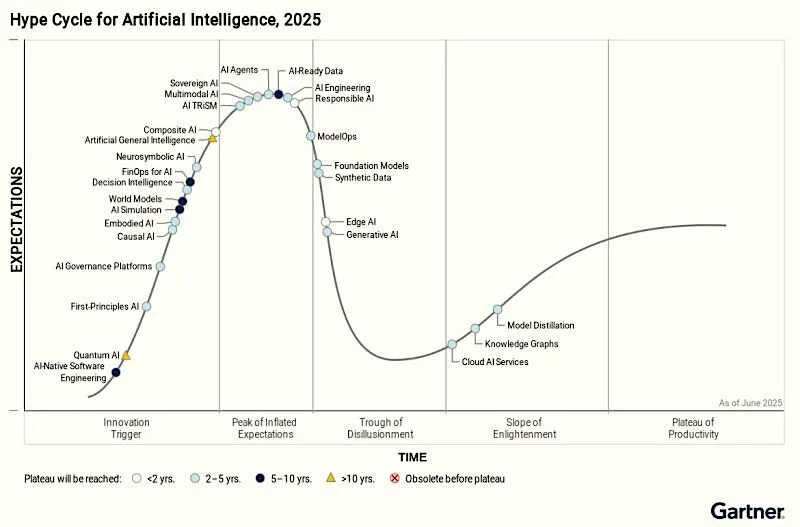




 al fin next level

