

Today on Battery Power Tips
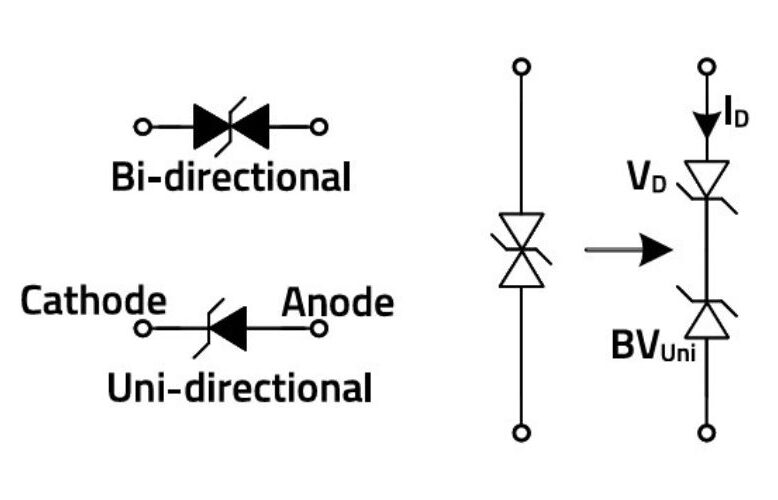
What is a transient voltage suppressor diode?
The transient voltage suppressor diode protects electronic signal lines and interfaces designed to operate within specific voltage ranges. Exceeding these limits exposes sensitive semiconductors to disturbances or permanent damage. A common protection method is this specialized diode, often abbreviated as TVS. Standard ESD protection devices are made to work with high-voltage, low-energy pulses that last…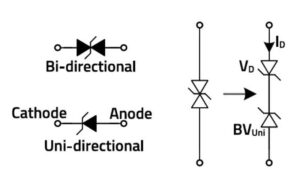
Integrated system simplifies battery testing
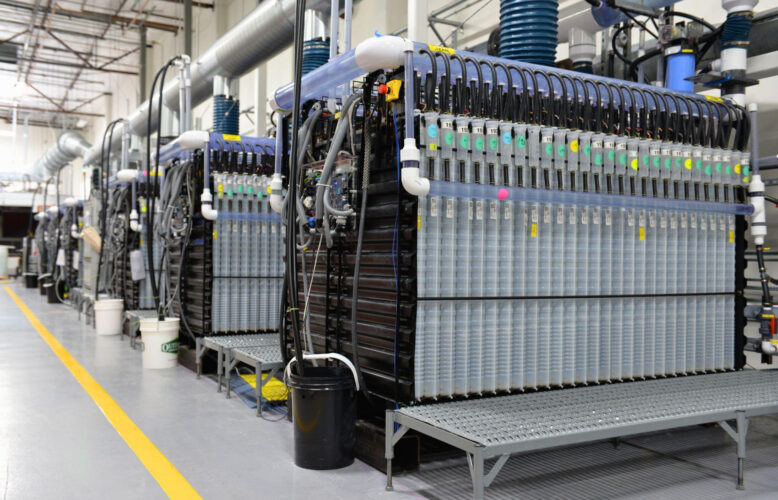
A new integrated battery test system combines environmental chambers, cyclers, and fixtures into a single, pre-configured unit, designed to reduce setup and integration time. The system combines hardware and control software from Associated Environmental Systems (AES) and MACCOR Inc., allowing test facilities to begin operations shortly after delivery rather than waiting through traditional multi-vendor integration…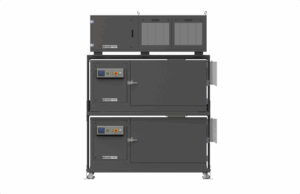
Q&A: Engineering the transition to fleet electrification
For organizations that depend on large vehicle fleets, electrification offers the potential to reduce fuel and maintenance costs while also cutting emissions. Beyond consumer electric vehicles (EVs), it requires designing charging systems capable of supporting high duty cycles, integrating with facility power infrastructure, and maintaining reliability under demanding operating conditions. And this transition is already…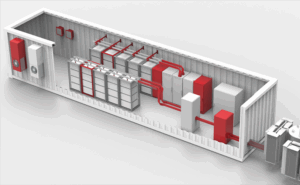
Closing the gaps: precision measurement for safer, more reliable EVs
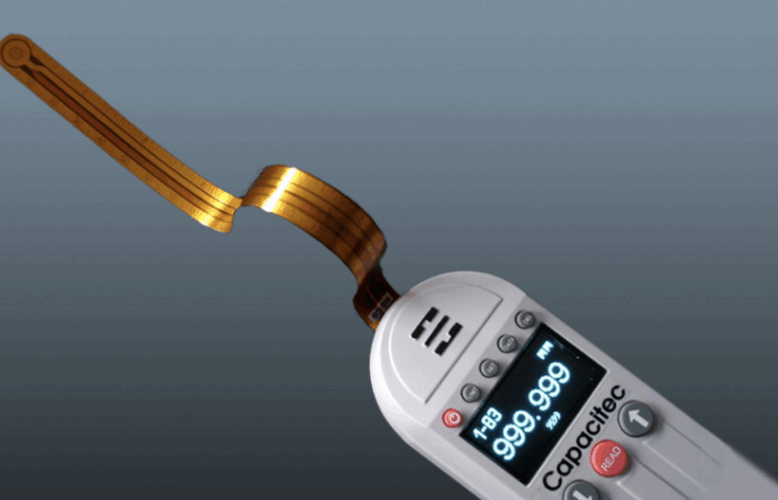
Electric vehicle (EV) engineering is defined as much by what cannot be seen as by what can. The “gaps” or unseen spaces between battery cells, slot die coating of electrode layers, cooling plates, electric motor housings, and composite joints have a significant influence on performance, safety, and durability. Managing these dimensions with high accuracy has…
Optimizing EV motor design
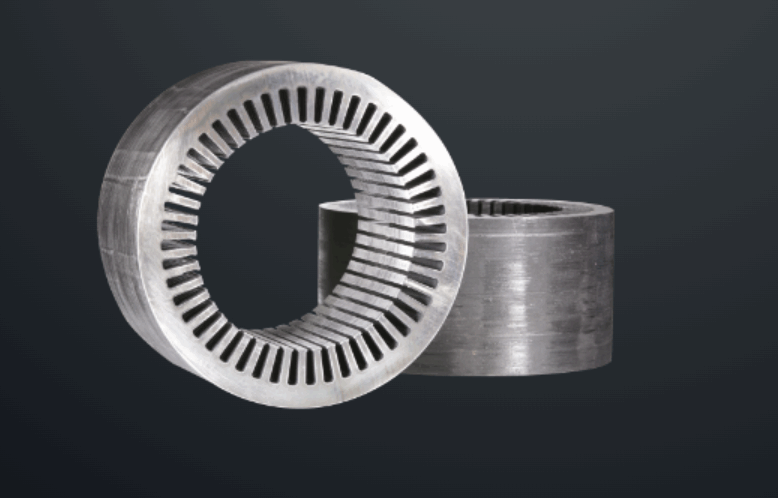
Electric vehicle (EV) motor design continues to evolve as manufacturers target higher power density, greater efficiency, and seamless system integration. This article reviews optimization strategies for EV motors, focusing on material innovations, control algorithms, and thermal management. It also highlights emerging testing protocols and safety standards that ensure reliable operation and support integration across next-generation…
New smartphone battery platform targets AI workloads with high discharge capability
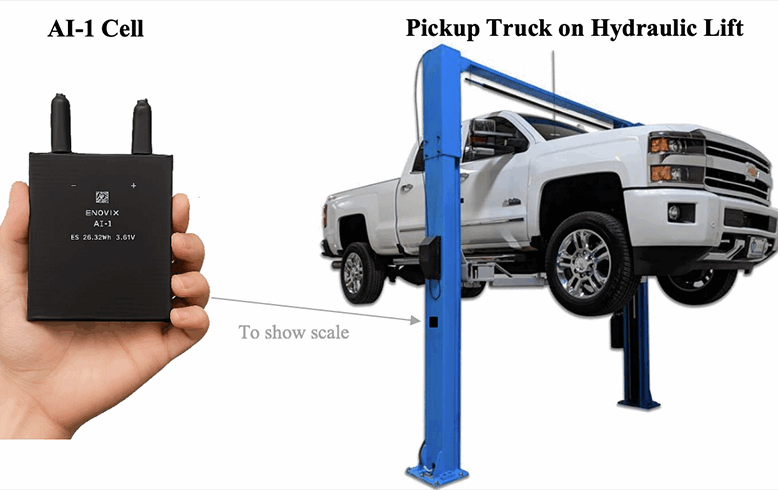
The new Enovix AI-1 smartphone battery platform is based on a 100% silicon-anode architecture, with the first 7,350 milliampere-hour (mAh) AI-1 cells already sampled to an original equipment manufacturer for qualification in upcoming devices. The platform incorporates more than 190 patents and is designed for mobile systems that require higher energy and power to support…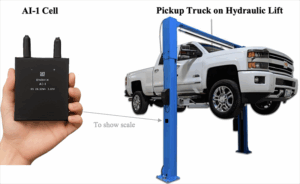
Stationary Power See More >
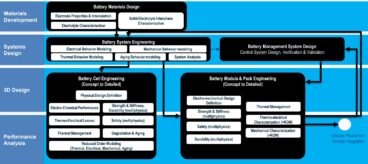
How does MBSE work for EV and stationary battery energy storage systems?
Model-based systems engineering (MBSE) is comprehensive. The International Council on Systems Engineering (INCOSE) defines MBSE as the “formalized application of modeling to support system requirements, design, analysis, verification, and validation activities beginning in the conceptual design phase and continuing throughout development and later life cycle phases.” It’s especially applicable to complex systems of systems like…

Robotics See More >
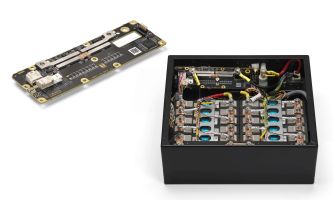
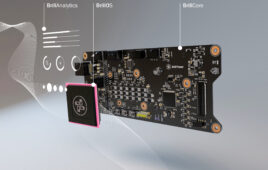
Battery management system targets robotics, AGV, 2/3-wheeler apps
The new i-BMS Battery Management System from Lithium Balance, acquired by Sensata earlier in the year, is a cell chemistry agnostic, compact, integrated BMS developed for the cost-optimized mass-production of applications up to 60 V, such as two and three-wheelers, automated guided vehicles (AGVs), and robotics. The i-BMS is a long-term solution for customers who […]



Automotive See More >
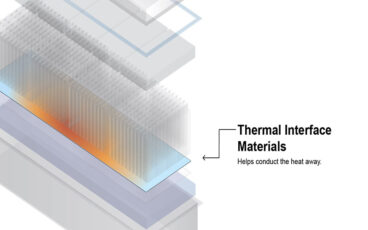
What role do thermal interface materials (TIMs) play in EV battery systems?
Automotive manufacturers rely on thermal interface materials (TIMs) to prevent overheating in electric vehicle (EV) batteries. TIMs improve thermal regulation across traction packs by optimizing heat transfer between key components and supporting effective dissipation. This article discusses where and how TIMs are applied in EV battery packs to enable faster, safer charging, maximize range, and…
Renewables See More >
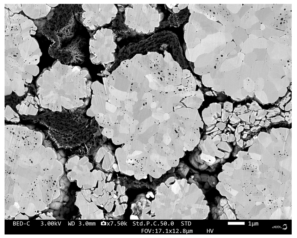
How scanning electron microscopy is helping researchers develop better lithium-ion batteries
By Pamela Mansfield, JEOL USA As the market for renewable energy sources and electric vehicles grows, the need for reliable, high-capacity energy storage is increasing too. Lithium-ion batteries (LIBs) fit the bill in many ways, but plenty of challenges remain ahead, such as understanding their microstructure. This article describes how scanning electron microscopy (SEM) can…
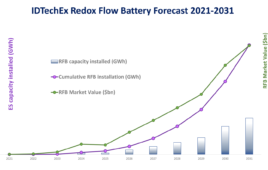
Li-ion batteries might lose their leadership in stationary applications, discusses IDTechEx

Crown Battery will buy RECs and eventually source local renewables to take operations 100% green

Power Edison to supply 12-MWh mobile battery system to U.S. utility