Our technology is built ground-up with a software-defined, data-driven system development approach.
AI’s growth has surged compute demand, with generative AI search costing nearly ten times more than standard search. Increased latency in searches or recommendation algorithms risks billions in losses, driving demand for efficient, specialized compute with new challenges.
Growing Complexity
To support growing compute demands and energy costs, computing is shifting to specialized solutions with chiplet integration for optimal systems. This increases complexity and risk.
Performance and KPI Guarantees
Specialized computing platforms demand faster and more complex data interconnects, making it tougher to hit performance and latency KPIs, especially in multi-chip designs.
Costs are Becoming Prohibitive
Larger, complex designs increase energy for processing and data movement, expanding silicon footprint and power, raising silicon and packaging costs.
Time to Market Window is Shrinking
The breakneck pace of AI innovation demands designers nail critical KPIs on the first silicon.
Complexity
Performance and KPI Guarantees
Costs
Time to Market

![]()

![]()
![]()

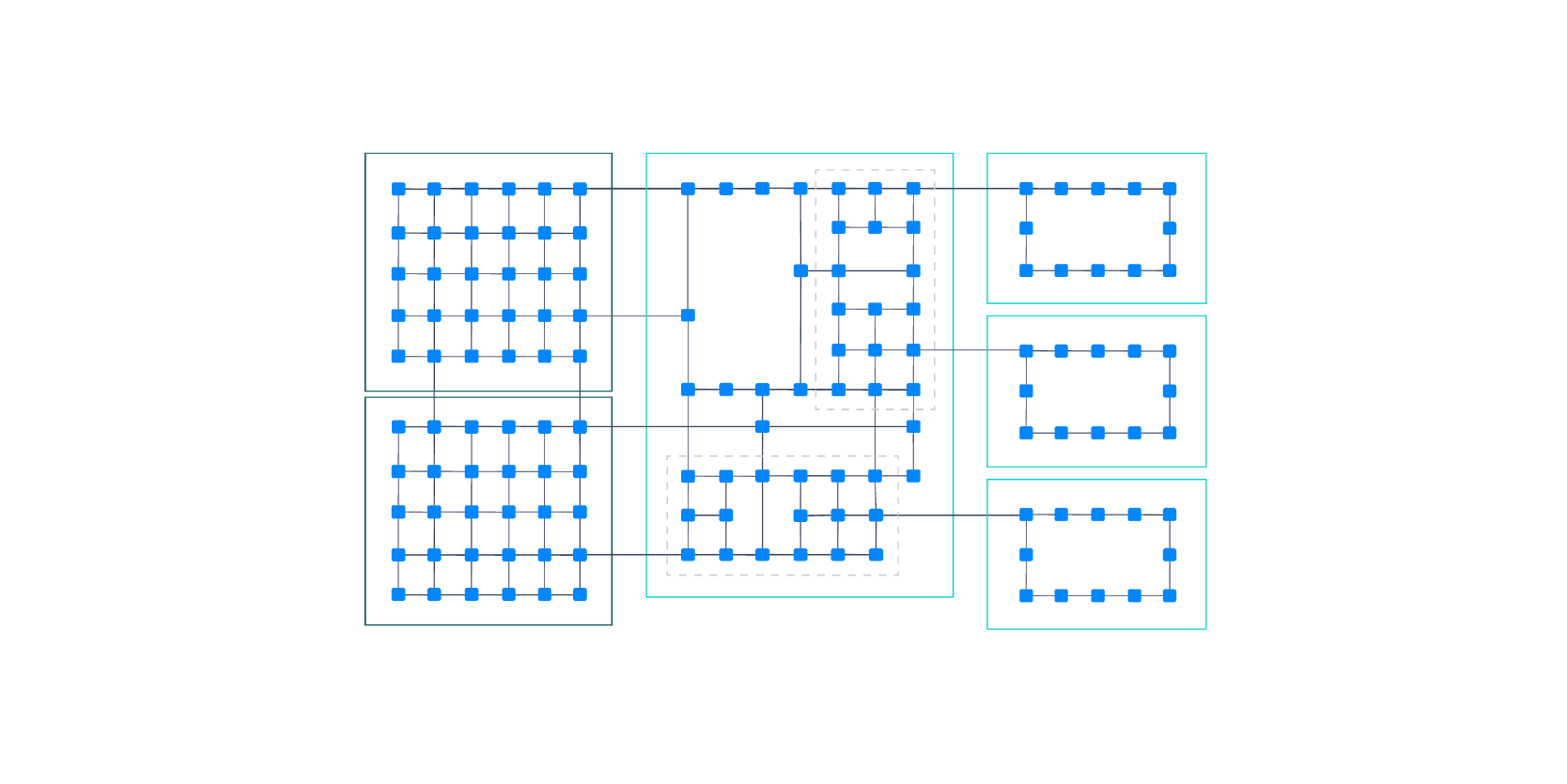
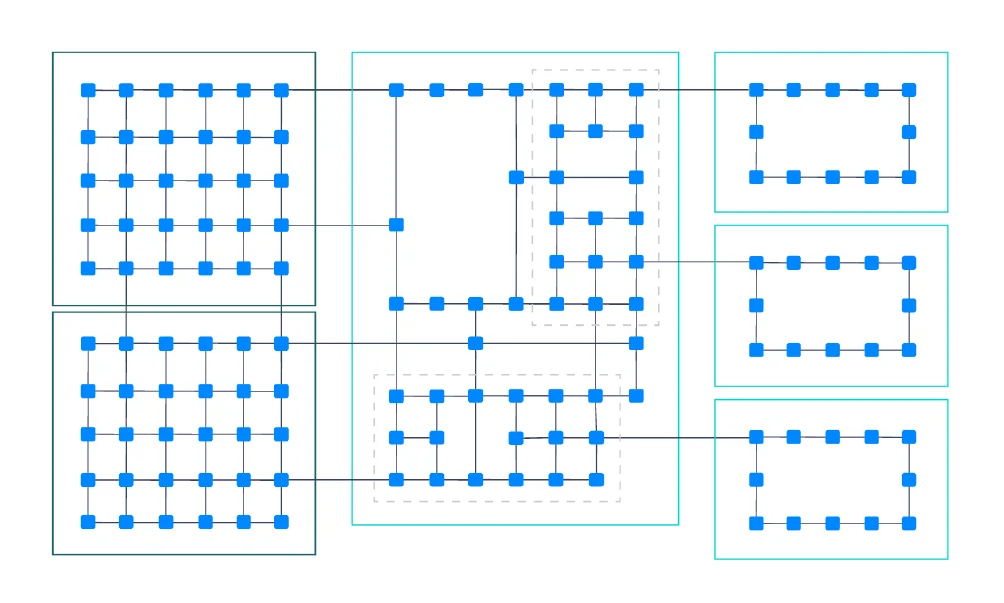
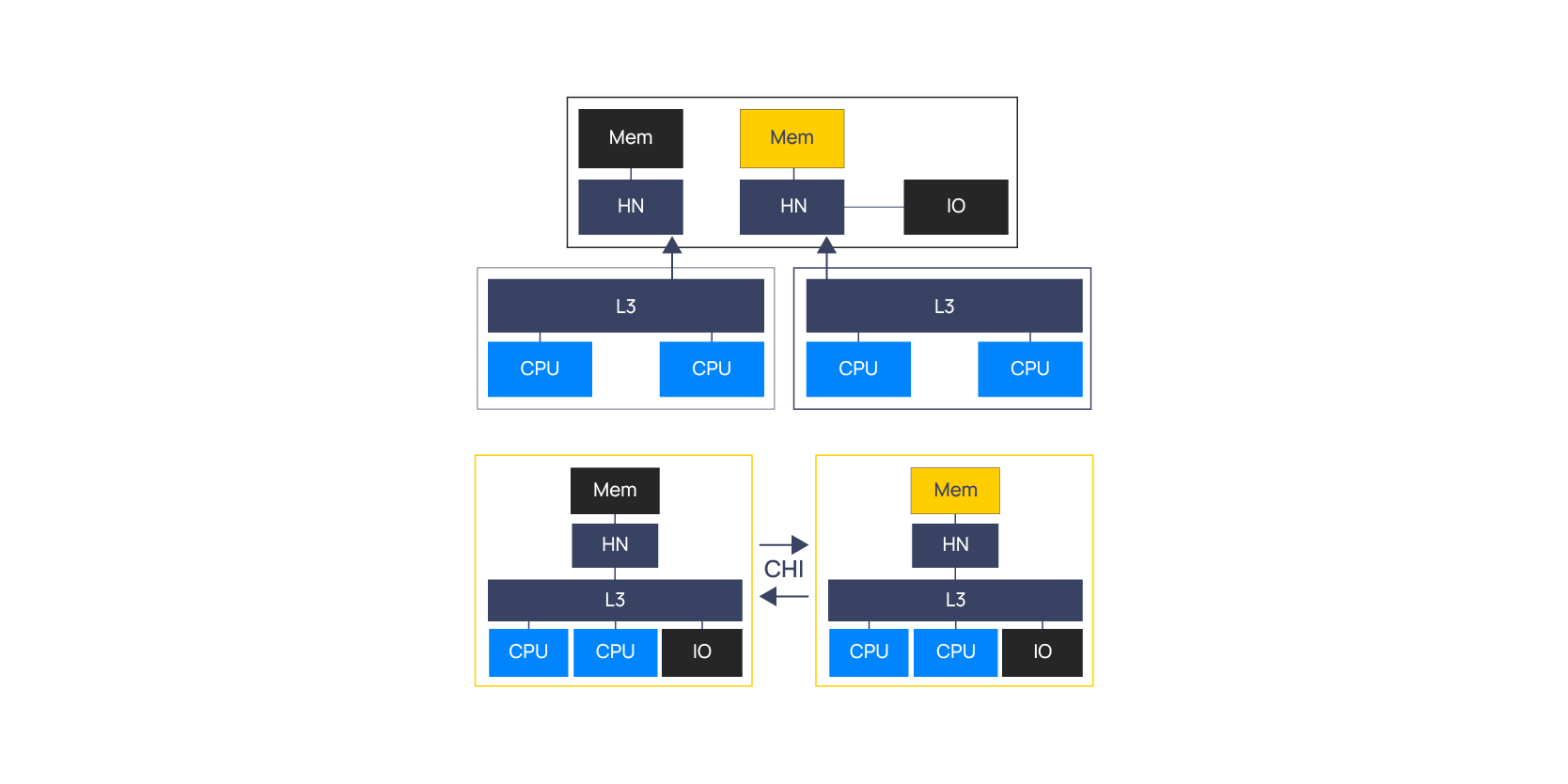
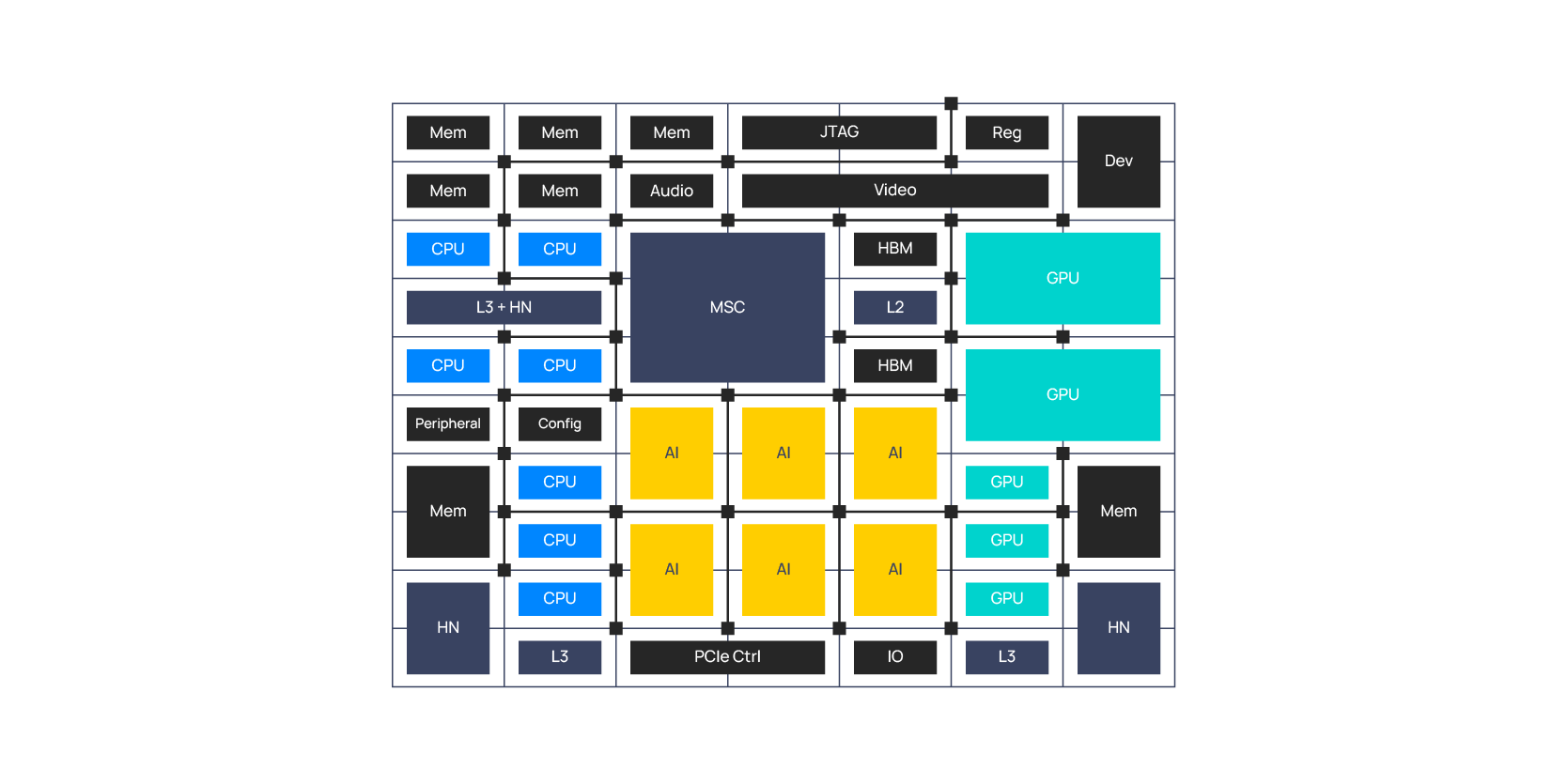
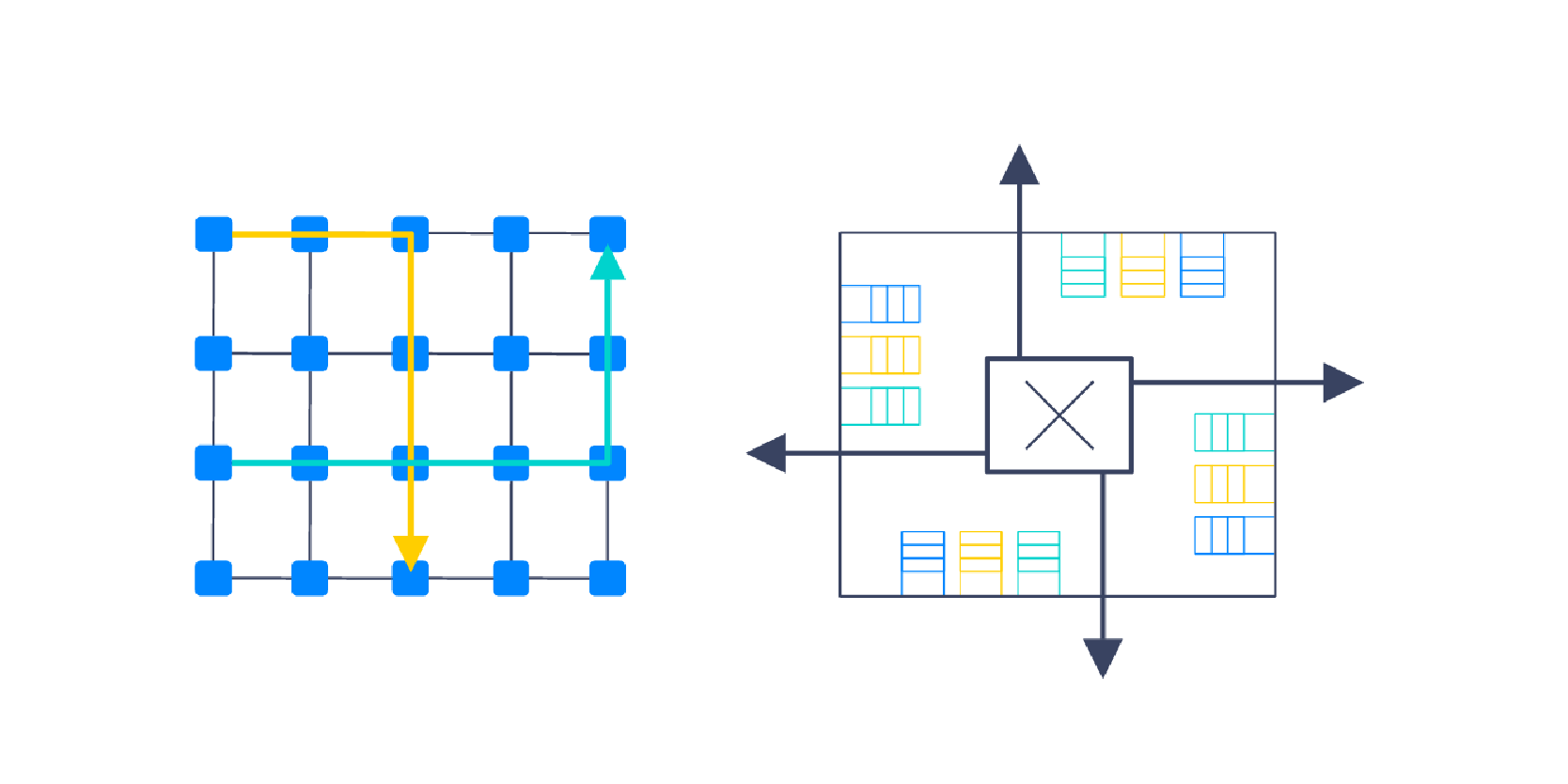
Transport is separate from protocol layers, minimizing wires and logic in building a unified fabric that supports coherent, non-coherent, and custom protocols for greatest efficiency with lowest cost and power.
![]()

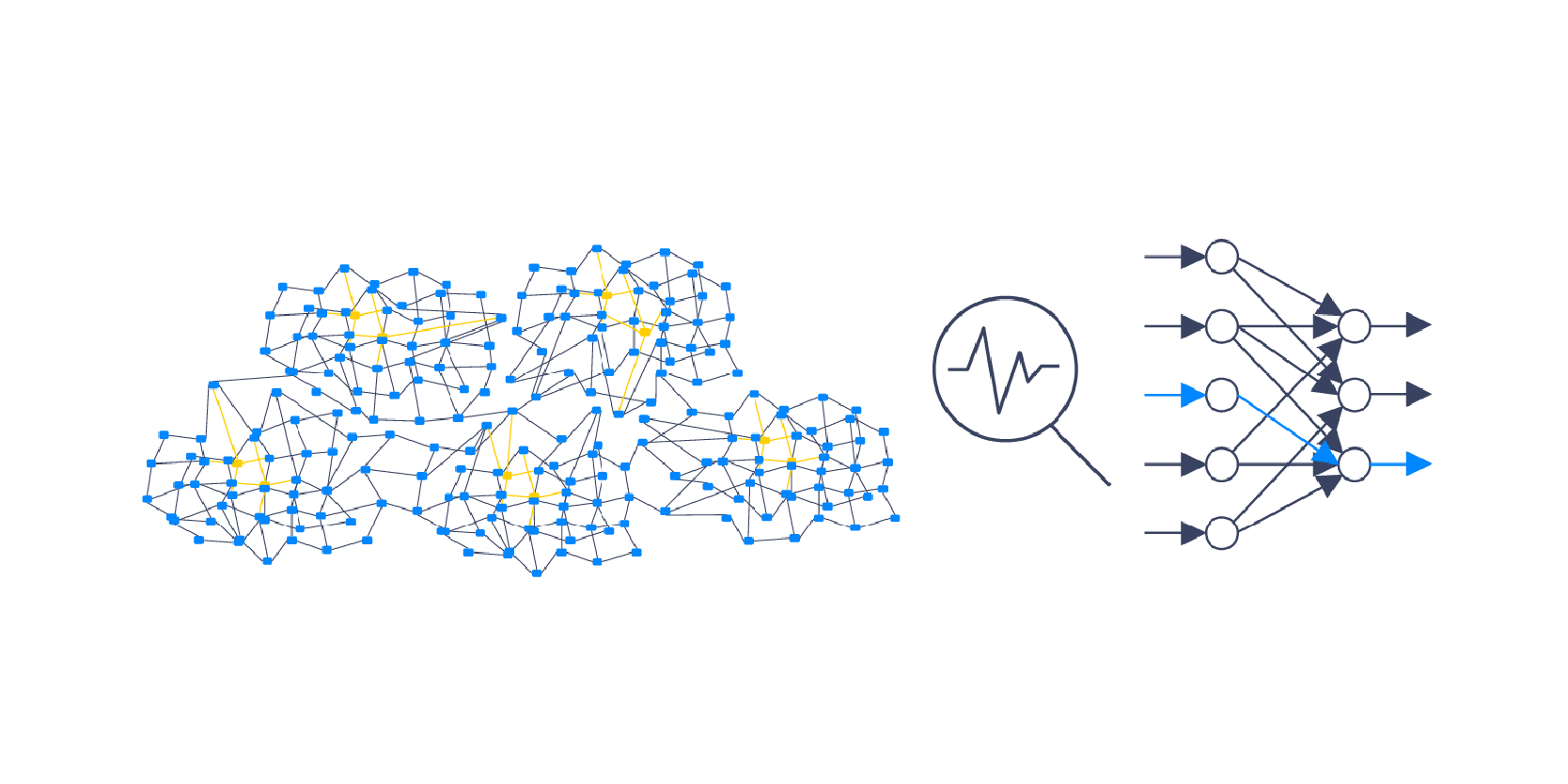
Extensive analysis and optimization through software platform enables a fabric that delivers guaranteed performance on target workloads and can be algorithmically optimized for future workloads.
![]()

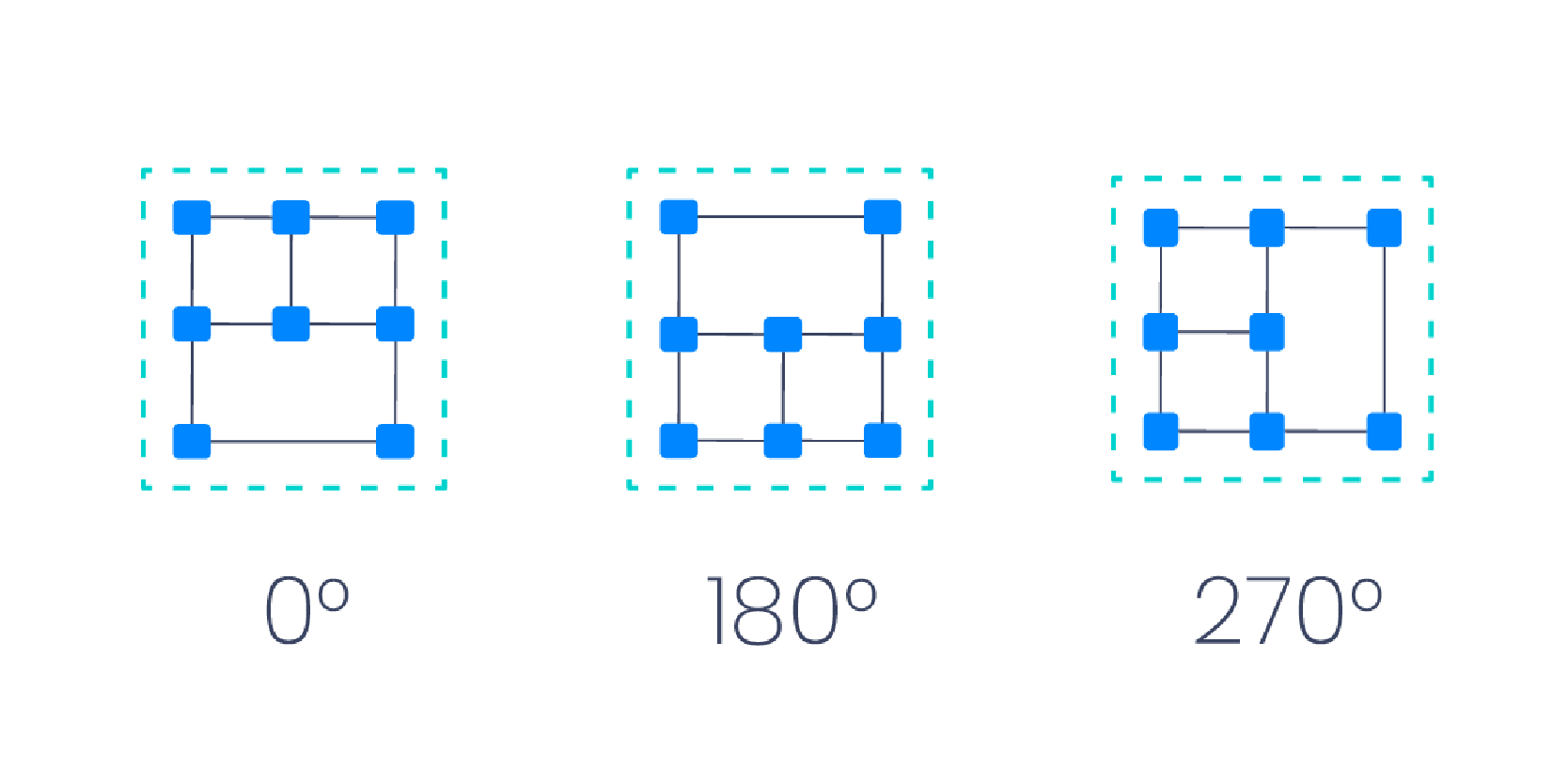
Software-driven development ensures the fabric is correct by construction, and deadlock free with traditional and formal validation, substantially reducing risk for system development.
![]()

![]()

![]()
![]()

![]()
![]()

![]()
![]()
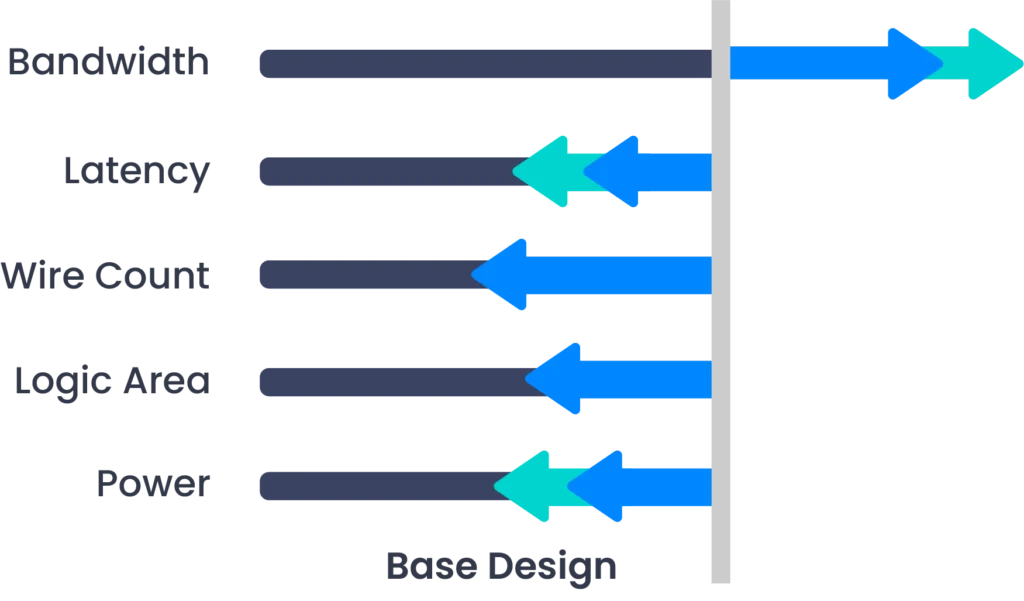
The Baya Systems unified fabric provides a common transport supporting multiple protocols and coherency needs within a unified design flow. Physically-aware solutions can be optimized for power and area while delivering unprecedented performance, low latency and other key performance indicators (KPIs) from concept to deployment.
Common transport optimizes performance and area
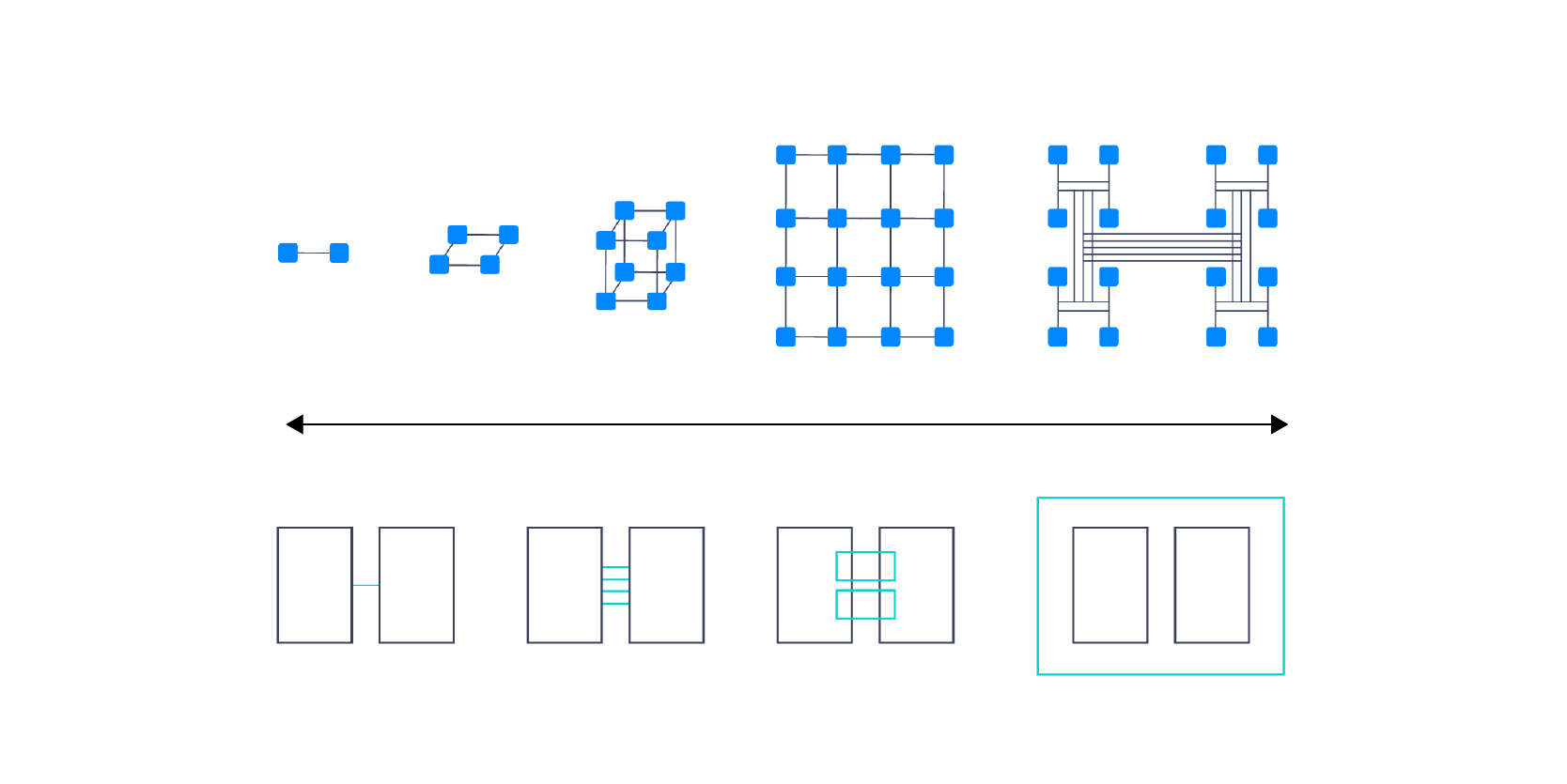
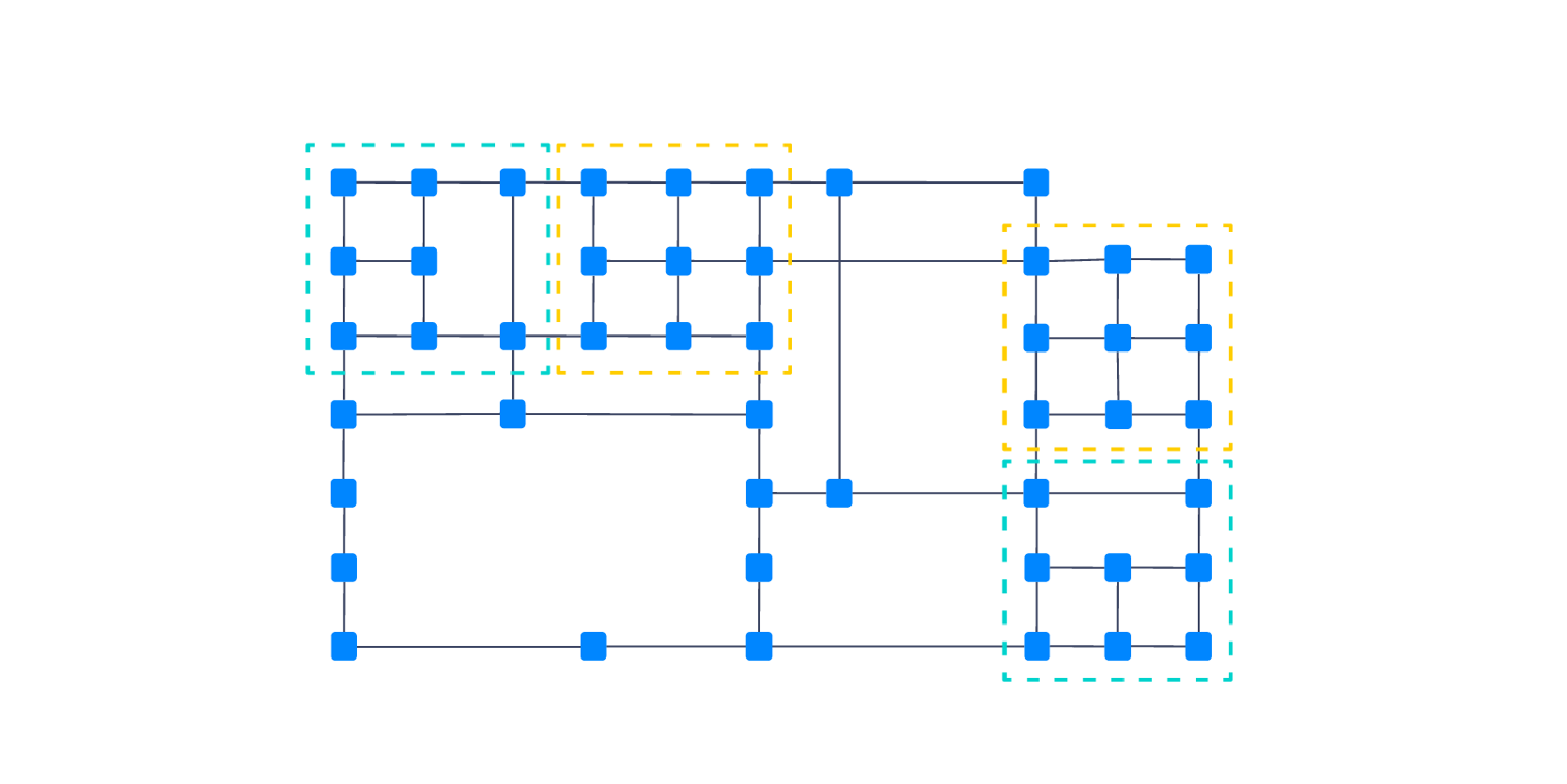
Extensive flexibility in topologies and scale
Correct by construction and deadlock-free
Workload-based, static global and local optimization
Current Market Challenges
Baya Systems Benefits
Fabric channels in high performance silicon can take up to 20% of die area and power consumption
Up to 2x smaller fabric
vs standard mesh iso-performance
Performance bottlenecks created by protocol bridges, fabric transit points and longer routes
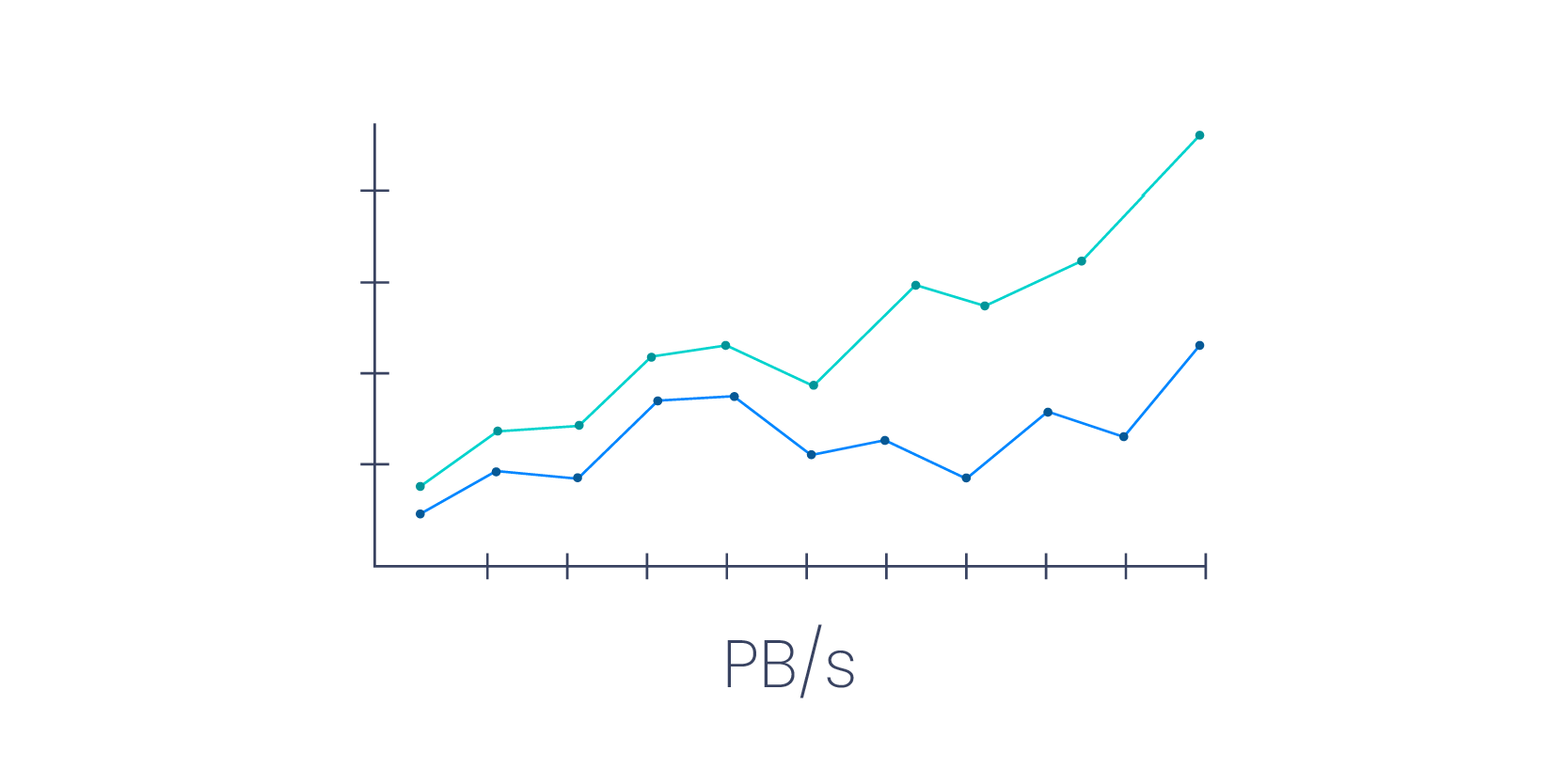
Up to 3 GHz and 32 PB/s
bisection bandwidth
Need for numerous protocol crossing bridges and scenic routes for communication flows
Lower latency
system and workload dependent
Deadlocks, QoS and tradeoffs unclear during design development
Up to 8 virtual channels
per network, deadlock-free, QoS built-in
Limited number of topologies, performance not scalable
8b-2048b channel width
with wide variety of topologies
Performance issues slow down architecture, complexity challenges slow down implementation
Data-driven design
and physically-aware implementation