Big Green GRANTS
The Big Green Community is a grantmaking body that uses democratic processes to strengthen grassroots organizations growing food. From deciding how the system is governed, to where funding flows, community voices drive this work.

The Big Green Community is a grantmaking body that uses democratic processes to strengthen grassroots organizations growing food. From deciding how the system is governed, to where funding flows, community voices drive this work.
Grants Round 10 [CLOSED] voters can follow the steps below to vote.
Use the email affiliated with your organization’s directory listing (usually the main point of contact listed on your application). *Not sure which email to use or don’t have access? The platform will guide you through a quick verification process.
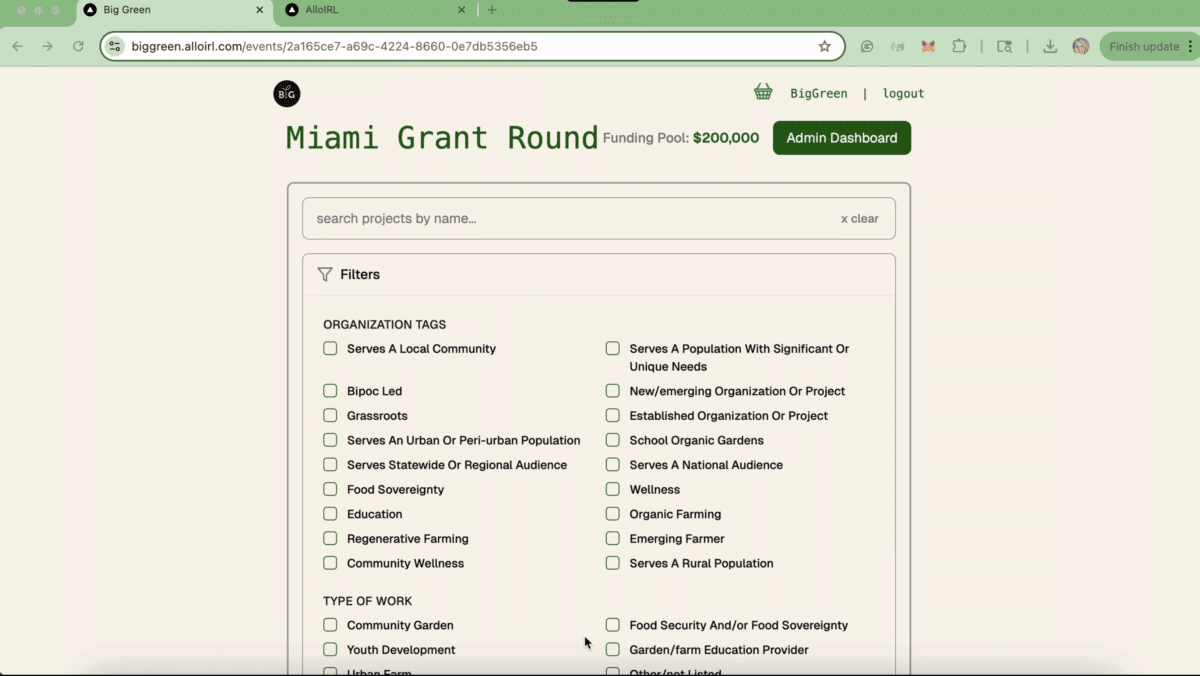
Connect with grantseekers on Slack, engage in discussion and get connected digitally. In the voting platform, you can use filters like location, program type, and more to find and support the work that matters most to you.
Our voting system lets you allocate your vote across multiple organizations. When you log in, you’ll get 100 Seed Credits to distribute across the organizations you want to support.

Big Green periodically opens grant opportunities to nonprofit organizations working to grow food. We've made our application fast and streamlined to cut down the time spent in a grant portal.
When a grant cycle opens, each member of the Community votes on how much of the Treasury will be used, eligibility, and who should receive grants and how much the grant should be. Grants are awarded based on optimized consensus to reflect the majority perspective of the Community.
Successful grantees are awarded an unrestricted grant, Community membership, and a token to participate in future votes. The Community engages in peer-to-peer learning, ongoing education and professional development, and supports one another in helping more people grow food.

The Big Green grantmaking program is a first-of-its kind project to restructure grantmaking. Big Green’s grantmaking arm is a network of grassroots nonprofits and donors working together to build a healthier food system in America. By putting nonprofits in the driver's seat and allowing them to make grant awards, we are valuing firsthand experience, subject matter expertise, and local needs. This model allows donors and nonprofits to collaborate and work together as peers, participating in a democratic and entirely decentralized process to fund gardening, farming, and agriculture organizations and projects in the US. Launched in 2021, Big Green DAO is the first nonprofit-led philanthropic DAO in the world. Inspired by the power of decentralization, transparency and the potential of blockchain technology to scale philanthropy more efficiently, we built our model to create a more equitable way to support organizations growing food.
Granted since 2021
Organizations granted
A DAO (decentralized autonomous organization), is a blockchain-based organization governed by code instead of people. It’s community-owned by its members with a built-in treasury that nobody has permission to use without the approval of the group. The Big Green DAO is controlled by grantees and donors, with everyone getting the same vote. While there are many versions of DAOs, the Big Green DAO is not fully autonomous and exists both on-chain and off-chain. It operates under the umbrella of Big Green’s 501c3, following all applicable laws and best practices for nonprofit organizations. We utilize numerous safeguards to protect both our grantee members and our donors’ investments in the project.
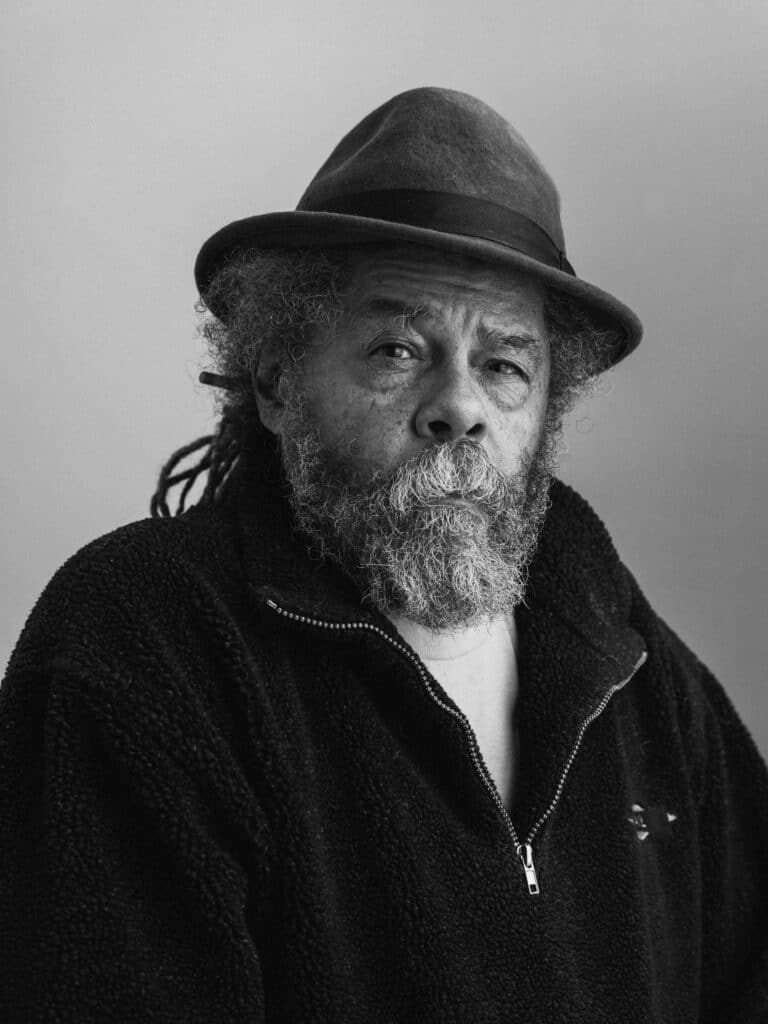
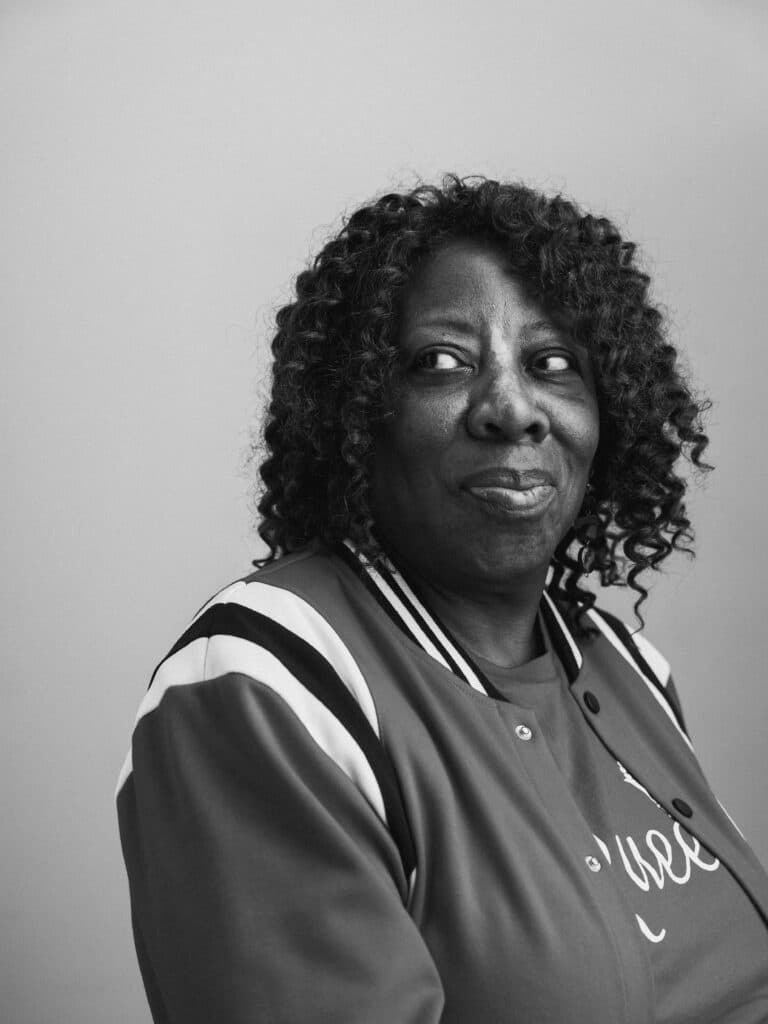
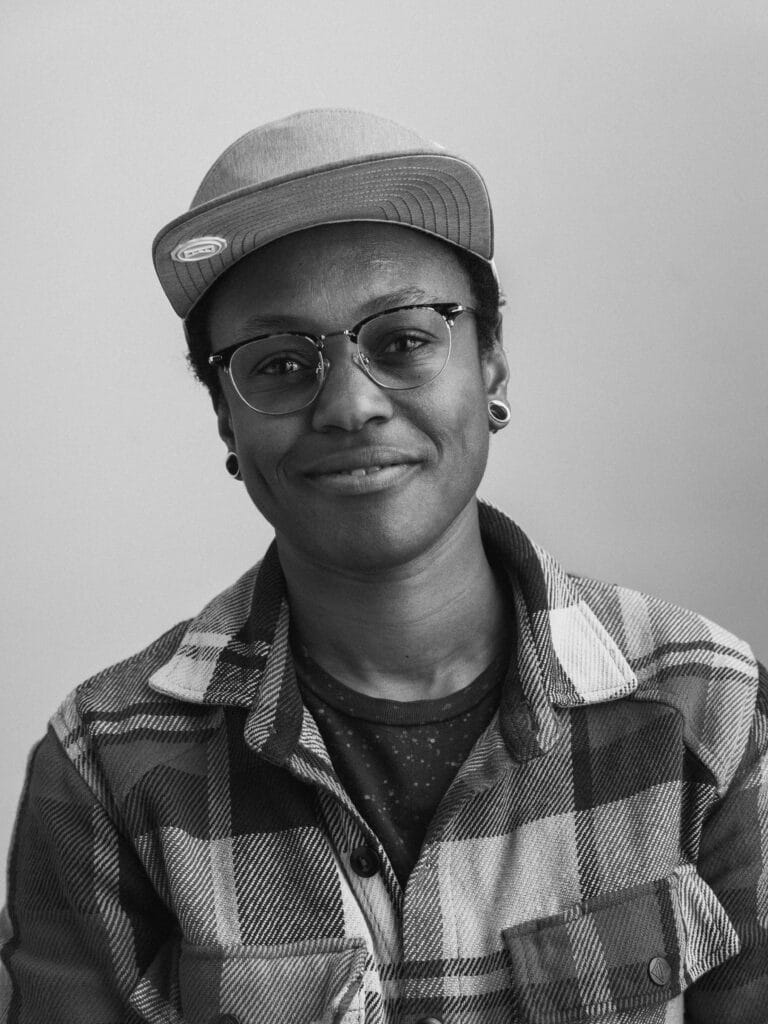
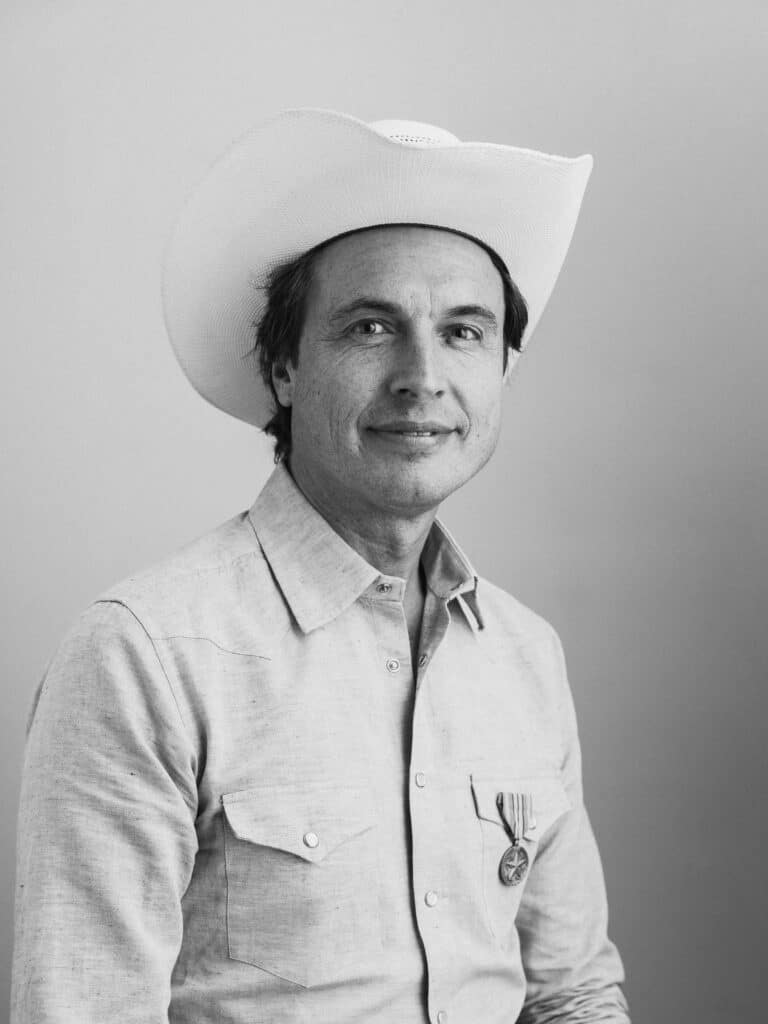
The Committee leads in governance and grantmaking. They set the direction each year and ensure that every decision is what’s best for the Community and the cause — changing the face of philanthropy while supporting the grassroots organizations working every day to grow food for their communities.
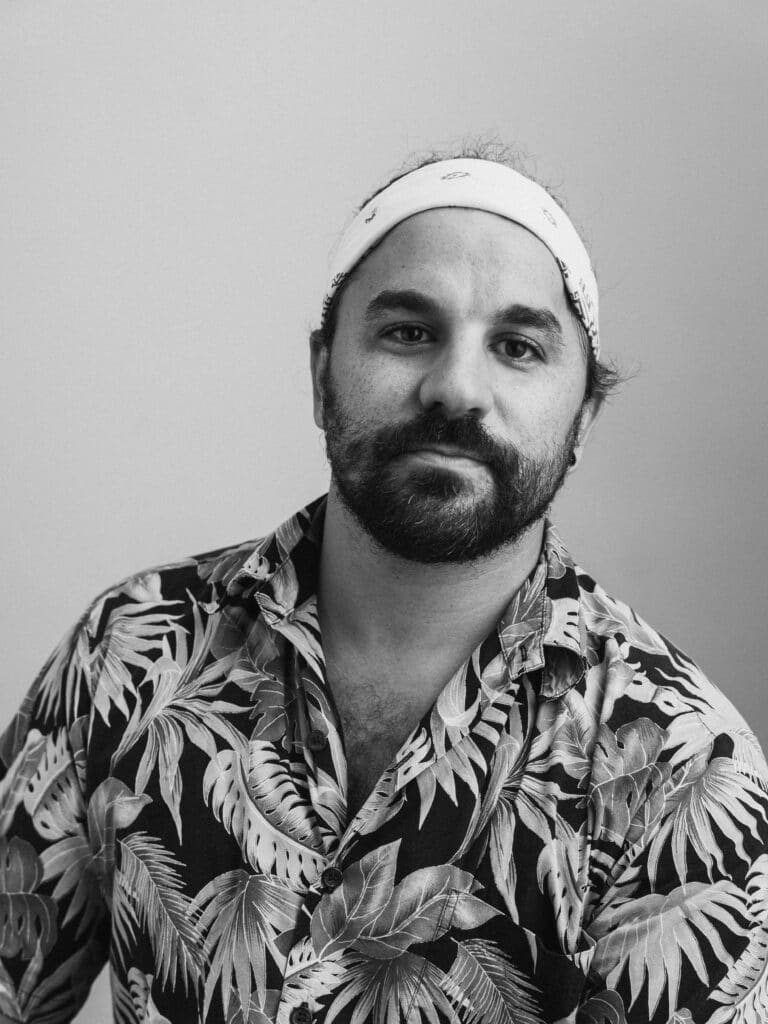
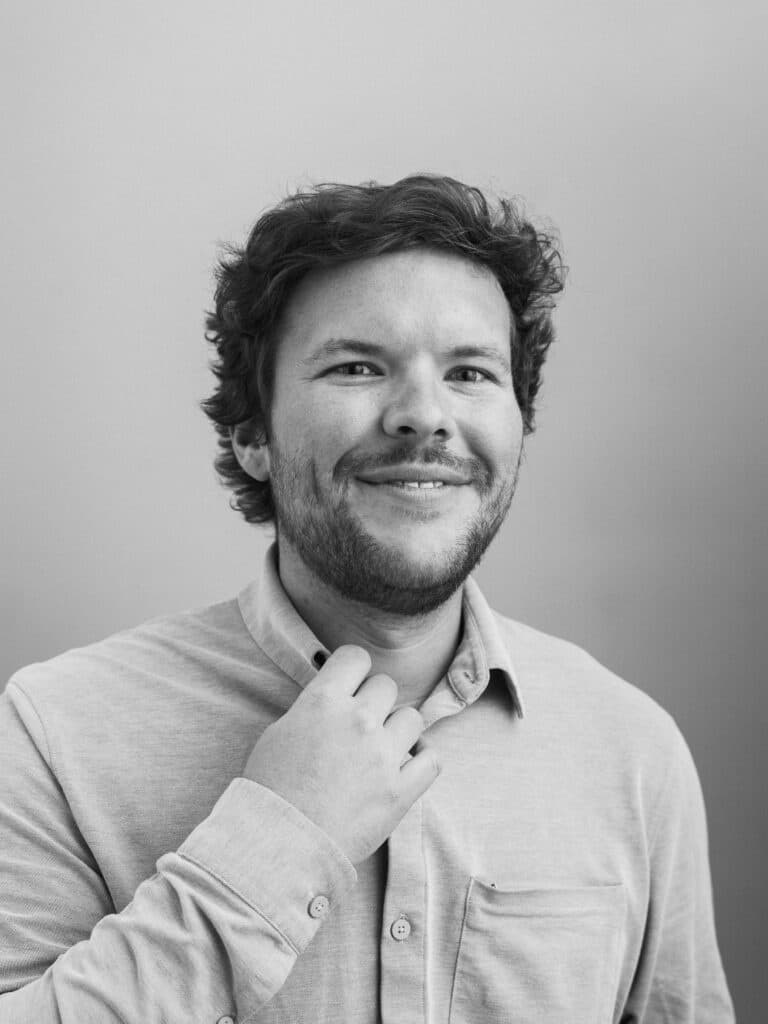
Founder and CEO, Gardopia Gardens
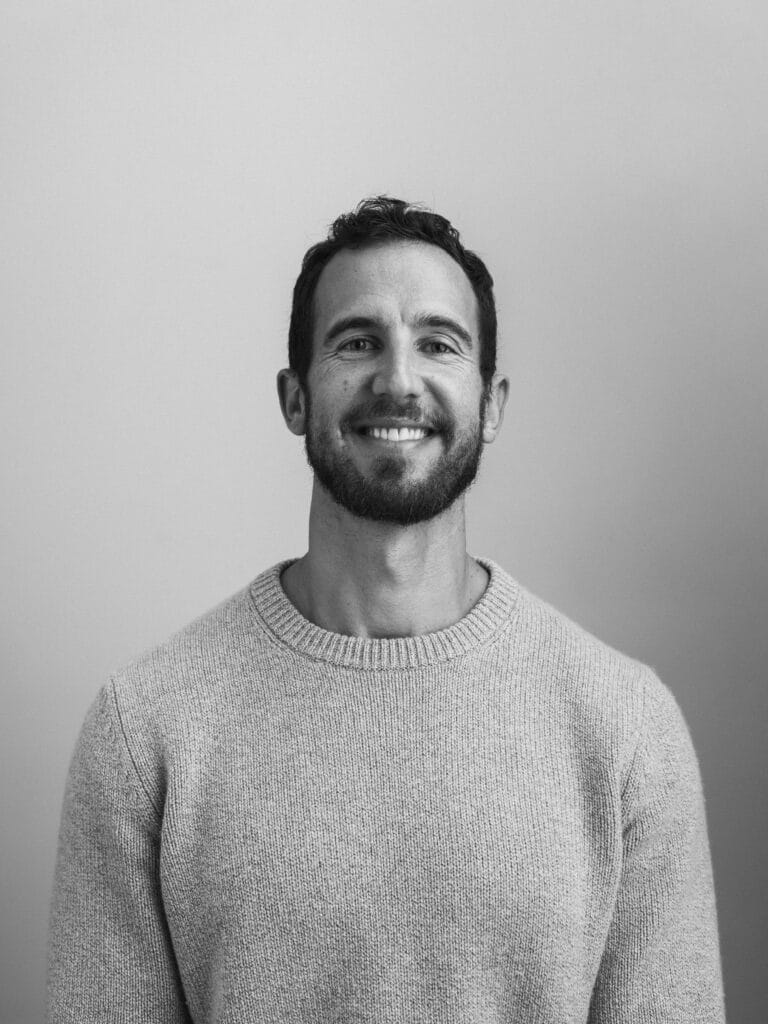
Stephen Lucke, MA, COF is food systems expert and activist focusing on health and environmental justice, educating and empowering communities on how to lead healthy and sustainable lifestyles through urban agriculture. He became aware of San Antonio’s obesity epidemic and climate crises in his college years, sparking his journey to help find a solution to declining planetary and population wellness that disproportionately impacts BIPOC communities. In 2015 at 25 years old Stephen founded Gardopia Gardens to help solve the challenges facing his community by working with educational and community institutions to ensure current and future generations have the knowledge and skills to cultivate a high quality of life for themselves and society, fighting against malnutrition related diseases and environmental degradation.
Black Seeds Urban Farms
The Healthy Earth Organization
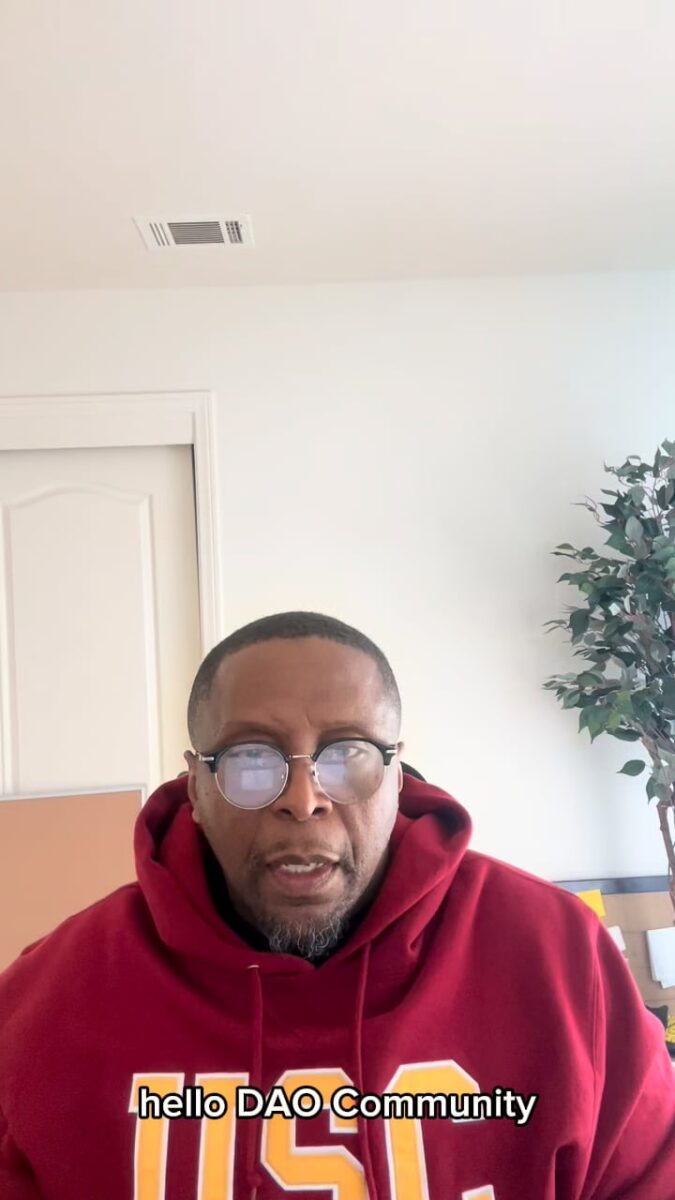
Jamala has earned a Bachelor's Degree in Sociology from CSU-Fullerton and is currently pursuing a Master's in Public Administration (MPA) with a concentration in nonprofit management and leadership from the University of Southern California's Sol Price School of Public Policy.
Jamala serves as the Senior Reentry Manager for the Insight Garden Program (IGP). IGP designs and installs gardens alongside participants while teaching a one-year environmental curriculum inside nine prisons and twelve facilities across the state of California. IGP offers all of its participants comprehensive reentry services upon release, and Jamala leads these efforts.
Jamala’s journey into the nonprofit sector began during his 31-year incarceration, 15 of those years being served in solitary confinement at Pelican Bay State Prison/S.H.U. After his release from solitary to the general population, Jamala joined IGP as a participant in 2015. Five years later, in 2020, Jamala earned his release.
Jamala is also a certified life coach, having completed the rigorous nine-month Coaching for Healing, Justice, and Liberation certification program (CHJL). His coaching approach is deeply rooted in the broader social movement, emphasizing organizational and individual leadership development and cohesion. Recently, he launched a consulting firm called “Amandla,” a Zulu rallying cry meaning “Power,” coined during the apartheid era.
He is a staunch advocate for political causes supporting both current and formerly incarcerated individuals, with a particular focus on the unique reentry needs of women of color, ending the use of solitary confinement, and ending slave labor in prison. His advocacy also highlights the transformative power of nature and education in the lives of those affected by the criminal justice system.
An experienced public speaker and facilitator, Jamala has presented at numerous universities (USC, UCLA, UVA, DOJ, etc.) and institutions. His topics range from reentry and the power of education to incarceration, uplifting the needs of women in reentry, and sharing his personal story.
Big Green