Saffire Launches AI Assist: A New Era of Effortless Event Marketing

Marketing an event should be exciting, not overwhelming. That’s why we’re thrilled to announce the launch of Saffire AI Assist, a fully integrated suite of AI tools built directly into Spark, our powerful content management system. This groundbreaking addition is designed to help events increase visibility, polish content, and sell more tickets faster than ever before.

With AI Assist, we’re removing the friction that often stops organizations from using AI tools in the first place. Instead of switching between platforms, rewriting content from scratch, or searching for SEO guidance, clients can now handle everything without ever leaving Spark.


Why We Built Saffire AI Assist

For many event professionals, time and resources are limited. Marketing shouldn’t require mastering new software or hiring outside experts—especially when you’re already juggling a thousand moving parts.

As our Founder, Kendra Wright, explains, the biggest barrier to AI adoption isn’t the technology itself, it’s the disruption it causes.

“AI tools often require users to interrupt their current workflow and invest time in using new systems effectively, which discourages adoption. The solution is to integrate AI directly into the Saffire platform so clients can leverage AI capabilities without leaving their existing workflow.”
— Kendra Wright, Founder of Saffire

Saffire AI Assist solves that problem by embedding intuitive, powerful AI features where clients already work every day.


What You Can Do With AI Assist

Whether you’re launching a major festival, promoting a venue, or refreshing year-round content, AI Assist gives you the power to:

  • Build ticket-selling pages instantly
    Start with just a few details and let AI create polished, professional content that’s ready to publish.
  • Improve your search visibility
    Automatically generate Google-friendly SEO titles and meta descriptions designed to help your pages rank higher.
  • Create email and social content in one click
    From newsletters to Instagram captions, AI Assist turns your ideas into ready-to-send marketing pieces.
  • Refresh outdated content effortlessly
    Rewrite or modernize existing page copy with clean, sales-optimized language.

All of this happens directly inside Spark—no extra tools, tabs, or logins required.


Setting a New Standard for the Live Events Industry

By integrating AI into ticketing, websites, marketing, and SEO tools, Saffire is paving the way for a new generation of event technology. AI Assist is available now for all clients and is the first step in a broader future of intelligent, integrated tools designed specifically for events and destinations.

This launch represents more than a product update, it’s a commitment to helping our clients work faster, communicate smarter, and drive stronger results with less effort.


Learn More

Want to see what Saffire AI Assist can do for your organization?
Visit saffire.com or contact our team to schedule a demo.

For media inquiries, please reach out to:
Jeremy Emerson, Chief Creative Officer & Partner
[email protected]  |  512-430-1123

The Ticketing Trends That Will Shape 2026

The Way People Discover, Buy, and Engage With Events Is Shifting—Fast

And by 2026, the most successful events won’t just be those with the biggest budgets. They’ll be the ones that use smart technology to simplify operations, elevate the guest experience, and increase revenue.

From mobile-first everything to smarter bundling and beyond, here are seven ticketing trends poised to shape the future of fairs, festivals, expos, and community events in 2026.

1. Mobile-First Experiences Will Be Mandatory

Mobile-friendly is no longer enough. With 70% or more of ticket sales now happening on mobile devices, your ticketing experience has to be designed specifically for mobile from start to finish.

In 2026, expect more events to:

  • Offer seamless checkout optimized for smartphones and tablets
  • Integrate mobile wallets (Apple Pay, Google Pay) for fast, secure transactions
  • Deliver scannable QR code tickets that can be added to mobile wallets
  • Provide dynamic maps, schedules, and add-ons through mobile web access

Events that prioritize mobile-first will convert more sales and reduce guest friction at every step.

2. Bundled Offers Will Drive Higher Conversions

Guests want value—and convenience. Bundling admission with parking, VIP perks, food credits, or ride wristbands increases the average cart size and simplifies decision-making.

Effective bundles:

  • Encourage early sales with VIP or family package deals
  • Create experiential upgrades that boost guest satisfaction
  • Give your event more predictability in staffing and inventory planning

Bundling is no longer just a nice-to-have—it’s a proven revenue booster for smart events.

3. Cashless Transactions Will Become the Norm

With cashless systems like BlastPass™ gaining traction, more events are eliminating paper tickets and physical cash in favor of wristbands or QR-code payments.

Key benefits driving the trend:

  • Faster checkouts and shorter lines
  • Increased per-capita spending
  • Cleaner, more secure operations
  • Real-time insights into guest behavior and vendor performance

In 2026, going cashless will no longer be a forward-thinking option—it will be the default.

4. Integrated Analytics Will Drive Every Decision

If you’re not using real-time data to inform your pricing, marketing, and guest flow decisions, you’re missing out.

Saffire clients are already tracking:

  • Sales by channel (website, social, email, box office)
  • Performance of promo codes and bundles
  • Gate entry traffic by time of day or location
  • Top-performing upsells, campaigns, and checkouts

In the year ahead, the events with the strongest ROI will be those that can prove it—and improve it—with data.

5. Guest Self-Service Will Replace Manual Support

Today’s eventgoers want independence. They expect to be able to change ticket details, resend confirmations, and manage their experience from their phones.

What this means for your team:

  • Fewer help desk requests
  • Smoother entry with digital self-check-in
  • Better guest experience with less staff strain

In 2026, guest empowerment will translate to stronger reviews and higher return rates.

6. Personalization Will Be a Revenue Driver

The more you know about your audience, the better you can sell to them. Tailored experiences—like recommended bundles, targeted emails, and personalized upgrade offers—are proving to lift conversions.

What to focus on:

  • Track buyer behavior and use that data to shape campaigns
  • Offer tailored packages based on past purchases
  • Reward repeat buyers with loyalty perks or early access

This isn’t just a big-brand tactic—it’s achievable through platforms like Saffire.

7. Onsite Readiness Will Be a Make-or-Break Factor

All the great planning in the world won’t help if your onsite team isn’t ready. In 2026, more events will treat tech training, hardware testing, and guest flow rehearsal as mission-critical tasks—not day-of afterthoughts.

Must-haves:

  • Pre-event staff training and “tech boot camps”
  • Standardized quick-reference guides for volunteers
  • Equipment testing and backup planning
  • Scalable support with partners like Saffire’s onsite and remote services

When the gates open, your team should feel confident, not overwhelmed.

Want to Stay Ahead of the Curve?

Book a personalized demo today. No pressure—just a real look at how we can help simplify your operations, boost results, and keep your organization ready for every new trend coming your way!

3 Things Smart Event Pros Do in December to Dominate January

December: The Secret Weapon of Successful Event Professionals

The holidays may bring a lull in public-facing activity, but for savvy event professionals, December is one of the most powerful planning months of the year. It’s a rare window of time when you can step back, reflect, and fine-tune the systems that will make or break your event’s success in the new year.

While your guests might be unplugging, this is the ideal time for you to plug in—especially if you want January to start with momentum rather than mayhem.

At Saffire, we work with fairs, festivals, expos, venues, and nonprofits across North America. We’ve seen firsthand that the most successful clients don’t just coast through Q4—they get strategic. Here are the three essential things top event pros do in December to dominate the January rush:


1. Clean and Segment Your Contact Data

If you’re starting January with outdated lists, miscategorized contacts, or duplicate entries, you’re already behind. A clean, organized database is the foundation of any successful marketing campaign.

Why it matters:

  • Improves your email deliverability
  • Reduces unsubscribes and spam flags
  • Increases engagement and conversions

What to do now:

  • Remove or merge duplicate contacts in your CRM or email tool
  • Tag contacts based on behavior (e.g., ticket buyers, sponsors, vendors, volunteers)
  • Segment audiences by interest, geography, or ticketing history
  • Verify and validate email addresses
  • Archive bounced or unengaged contacts

If you’re using a platform like Saffire, talk to your account manager about integrating your list management with your analytics tools. Clean data doesn’t just make you more efficient—it makes your campaigns smarter and more profitable.


2. Plan and Schedule January Campaigns in Advance

January is one of the most important months for early bird ticket sales, vendor outreach, and sponsor renewals. But when you’re busy putting out fires, it’s hard to write compelling emails or social posts on the fly.

Smart organizers batch their creative efforts in December and schedule them ahead of time.

What to prepare:

  • Blog posts, newsletters, and email blasts
  • Instagram/Facebook post templates
  • Teasers for new attractions or ticket packages
  • Promotional campaigns tied to early bird offers or VIP access
  • Sponsor thank-yous and recaps to boost renewals

Pro Tip: Try to schedule at least 3–5 key content pieces for the first three weeks of January. This gives you breathing room to focus on sales conversations, vendor planning, and new lead follow-ups as the year kicks off.


3. Audit and Optimize Your Website and CTAs

When people land on your website in January, they’re likely planning their calendar, researching experiences, or thinking about how to spend their gift cards. If your homepage is outdated, your event dates are wrong, or your CTAs are buried, you could lose them in seconds.

December is the perfect time to review your site with fresh eyes.

Website Audit Checklist:

  • Update event dates, ticketing info, and promotions
  • Optimize CTAs on the homepage, event pages, and checkout
  • Remove expired offers or placeholder copy
  • Ensure images are high-quality and mobile-friendly
  • Test site speed and fix broken links
  • Verify forms (contact, vendor, VIP interest, email signup) are working and connected

Most importantly, look at your site on a phone—because 70–85% of your audience will.

Saffire clients: We offer free branding and website audits. Reach out to your rep to schedule one now.


Bonus: Lock In 2026 Strategy with Your Saffire Team

Want to hit the ground running in January? Book a quick strategy session before the end of the year. We’ll help you:

  • Review 2025 performance metrics
  • Identify new revenue opportunities (like bundled ticketing or cashless upgrades)
  • Evaluate device needs and fulfillment schedules
  • Create a roadmap for smoother operations and stronger conversions in 2026

Whether you’re ready to expand services or streamline what you already do, your Saffire team is here to help.

The Power of Branding: What Does Your Website Say About You?

In today’s experience economy, your website isn’t just a place to share details—it’s your digital storefront, brand ambassador, and 24/7 sales engine. And if your site looks outdated, loads slowly, or creates confusion, your visitors won’t stick around to buy. They’ll click away, likely for good. Your online presence is where most people meet your brand for the very first time. What impression are you making?

In a sea of online noise, your brand has seconds—literally—to stand out. A modern, engaging, and professionally branded website doesn’t just look good—it builds trust, drives action, and inspires excitement.

Ask yourself:

  • Does your homepage communicate what you do in five seconds or less? Visitors need instant clarity to stick around.
  • Is your site mobile-first and thumb-friendly? Over 60% of users are browsing on mobile—your site must perform perfectly in their hands.
  • Do your colors, fonts, and messaging reflect your event’s energy and style? Branding consistency builds credibility and emotion.
  • Are you building trust with professional visuals, FAQs, testimonials, and clear CTAs? Your audience wants confidence and connection before they commit.

At Saffire, we know that your website is just one piece of a much bigger picture. That’s why we deliver end-to-end branding support to make your entire event experience look as amazing as it feels.

Our visual branding solutions include:

Strategic Website Design

Built mobile-first with bold visuals, clear navigation, and seamless integration with ticketing, payments, and partner content.

Custom Graphics & Templates

Need promo graphics, social media assets, signage or digital banners? Our Creative Services team can design it to match your brand perfectly.

Style & Identity Development

Whether you’re refreshing a long-standing brand or building one from scratch, we help define your visual voice—colors, fonts, logos, tone, and more.

Microsites & Themed Campaign Pages

Host niche events, seasonal experiences, or sponsor activations with fully branded microsites that align with your main site while standing out.

Onsite Support Collateral

From designing printed signage to wayfinding and vendor kits, we help you create a consistent, polished brand that carries through the entire event footprint.

Saffire clients who embrace full spectrum branding strategies see measurable results:

  • Increased advance ticket sales
  • Higher conversion rates on landing pages
  • More vendor and sponsor interest
  • Improved attendee satisfaction
  • A more unified and confident team presentation

If your website doesn’t feel aligned with your event’s personality, goals, or audience, it’s time to change that.

Request Your Branding Review with our team. We’ll assess your current site and visuals and offer actionable insights to elevate your brand presence across every platform. Let’s build something unforgettable—together.

2026 Event Success Starts Now: 7 Things to Nail Before Year-End

The Events That Win Next Year Start Planning Now

The events that crush it next season aren’t waiting until January to get started. They’re laying the groundwork in Q4.

Whether you’re producing a large-scale fair, a seasonal festival, or a local expo, the final quarter of the year is your opportunity to reflect, reset, and get ahead. This is the moment to prepare your tools, your team, and your strategy—before the new year ramps up and time gets tight.

Strong Q4 planning means fewer surprises, smarter budgeting, and better performance across every area of your event. Here’s how to make it count.

Your End-of-Year Event Planning Checklist

1. Review Your Ticket Pricing Strategy

Evaluate how your ticket pricing performed over the past year. Look at what sold well, when people purchased, and how bundles or promo codes impacted your revenue.

Ask yourself:

  • Did early bird or advance sales hit their goals?
  • Could bundling admission with parking, merch, or perks increase value?
  • Were your VIP or premium offerings clearly differentiated?

Now’s the time to refine your pricing tiers and set a stronger sales foundation for next year.

2. Audit Your Website for Mobile Optimization

Over 70% of event traffic comes from mobile users. If your website isn’t fast, easy to navigate, and optimized for mobile checkout, you’re likely losing sales.

Make sure:

  • Buttons are large enough for thumbs
  • Load times are under 3 seconds
  • Key calls to action like “Buy Tickets” are clearly visible on mobile
  • Forms are short, simple, and accessible

Run a basic usability check or request a website audit from your provider (like Saffire) to identify friction points.

3. Explore New Revenue Opportunities

Look beyond tickets and sponsorships. New tools like BlastPass cashless payments, VIP upgrades, or even early-access packages can dramatically increase per-capita spend without complicating operations.

Evaluate what upsells worked in 2025—and where there may be untapped opportunity in 2026.

4. Start Your 2026 Marketing Calendar

Don’t wait until the new year to build your content strategy. Draft your high-level calendar now, including:

  • Key sales dates (early bird, pricing tiers, final push)
  • Campaign themes and seasonal promotions
  • Email, social, and ad planning windows
  • Deadlines for creative and website updates

A well-mapped calendar helps your team stay aligned and act early—especially when creative and digital ads need to be built in advance.

5. Review 2025 Analytics and Apply the Insights

Look back at your performance data from the past year. What pages on your website got the most clicks? Which emails had the highest open rates? What ticket types performed best?

Use this data to double down on what worked and rethink what didn’t. Data from Saffire’s analytics or tools like Google Analytics can give you powerful clarity when planning your 2026 strategies.

6. Schedule Vendor and Partner Reviews

Strong partnerships don’t happen by accident. Set aside time this fall to check in with your major vendors—from ticketing and website partners to on-site support and production teams.

Discuss:

  • What worked well this year
  • Where improvements can be made
  • What upgrades or changes you want before next season

Getting these conversations on the calendar now helps you secure availability, lock in pricing, and get ahead of the seasonal rush.

7. Confirm Your Convention and Trade Show Participation

If your team attends industry events like WFA, IAFE, CAFS, or FFEA, finalize your travel and booth participation plans now. These shows are your best opportunity to network, scout new tools, and stay sharp.

Final Thought

Q4 isn’t downtime. It’s your secret weapon. The event organizers who take time to reflect, evaluate, and plan now are the ones who hit the ground running—and outperform expectations—next season.

Let this be the year you don’t just keep up. You lead.

Need help planning your 2026 event strategy?
Download our free Event Success Planner.

The Psychology Behind Ticket Sales

Ever wondered why certain events sell out within minutes while others struggle to fill seats? Or what drives people to pay top dollar for a premium experience? We’re diving into the psychology that goes into making a purchase and exploring consumer behavior because understanding these nuances can be the game-changer in event success.

Selling the Experience

There are various factors that have the power to influence a customer’s purchase decisions:

  • FOMO: Even if you’ve never heard of it, you have most likely experienced it! As an abbreviation for “fear of missing out,” FOMO is that worried or anxious feeling in your gut when you may miss exciting events, or see pictures on your social media of friends having fun at an event without you. Folks don’t like the idea of not being a part of something, and you can use this to your advantage. Combine this with the principle of scarcity and you’ll be selling tickets in no time. Using phrases like “limited tickets available” and offering limited time deals are both great ways to create that sense of urgency that can lead to impulse buying. 

  • Emotional Connection and Nostalgia: Whether it’s a county fair that has been held over over 100 years or a festival celebrating local culture, there are events that are a little extra special to us, and most of the time as consumers we are willing to pay more for that experience. Remind buyers that for a ticket to your event, they can relive fond memories and create new ones with their own family. 

  • Pricing and perceived value: Let’s talk about the psychology of pricing! The initial price you set for a single ticket, known as the “anchor,” will typically have a higher-than-normal anchor price (think of the original prices set at stores like Kohl’s). Then by offering discounts, promotions or bundled packages, customers get the feeling of bagging a great deal. Another factor is in the perceived value of the ticket. Create and market your event in such a way that buyers have the belief that the ticket’s value exceeds its cost, it can heavily influence whether or not a purchase is made. 

Online Ticketing – Convenience & Psychology 

Gone are the days of standing in long queues or making phone calls to secure your tickets. The shift to an online-buying experience has fundamentally altered consumer behavior, changing how we market tickets too!

User Experience and Decision Making

The purchase of tickets now entails more than simply choosing an event to attend. Factors such as ease of access, seamless navigation, security, and trust play pivotal roles in influencing consumer decisions. The interface design, the reassurance of secure transactions, and the ease of the checkout process all shape the psychology behind a successful ticket purchase.

Integrated ticketing systems have emerged as game-changers in this scenario. They redefine the entire process, not just by streamlining ticket sales and distribution but also by harnessing data for personalization.

The integration of such systems deeply impacts consumer psychology in multifaceted ways. Trust and reliability are fostered through seamless transactions and secure platforms. The sheer convenience and efficiency elevate the overall ticket-buying experience, contributing significantly to building customer loyalty.

Understanding and Exploring Integrated Ticketing

Having an understanding of consumer psychology within the realm of ticket sales is paramount. It’s not just about selling tickets; it’s about comprehending the nuances of consumer behavior and leveraging that understanding to enhance the entire process.

 Consider exploring the benefits of what different ticketing platforms have to offer, such as security and support. If you want to see firsthand what an integrated platform can do for an event like yours, sign up for a demo with Saffire

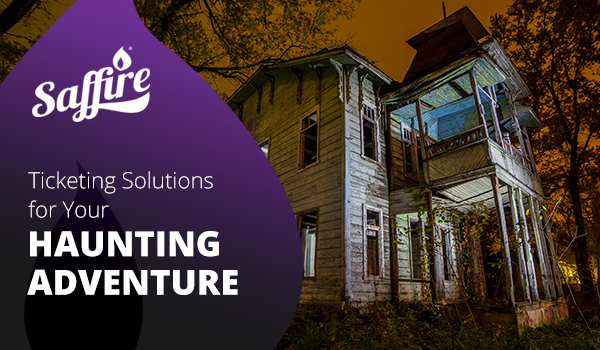
Ticketing Solutions for Your Haunting Adventure

Don’t frighten away guests with long lines or slow entry! With the right ticketing partner by your side, you can deliver a haunting experience for all.

With Halloween right around the corner, we enter the season of spooky hayrides, haunted houses, frightening corn mazes and other spine-chilling haunts! But what’s actually scarier than a headless man running after you with a chainsaw? A ticketing company that doesn’t have everything you need to run a smooth event. 

So, let’s explore the features your haunted attraction should look for in a ticketing partner so you can deliver a horrifying (but efficient) experience to all your guests. 

A Hauntingly Effortless Ticketing Process 

First and foremost, you want to make sure people can actually buy your tickets! Look for a partner with an intuitive interface that’s easy to manage–and bonus points for integration! Plus, Most folks are buying their tickets on their smartphones nowadays, so you’ll want to double-check they offer a mobile optimized platform. 

Next thing to consider is can you offer the types of tickets you want? From general admission and VIP tickets to group discounts and promo codes, the more ticketing options you have, the better you can meet the needs of your audience. 

Making Entry Management Scary Fast  

Don’t let long, slow-moving lines frighten away your guests! Instead, use a ticketing system that delivers their tickets directly into their mobile wallet. With a QR code on their smartphone, it only takes a couple seconds (and less gate attendants) to scan tickets and let folks in. You’ll also want to keep people moving once they’ve entered the attraction, so find a platform with real-time capacity monitoring to avoid overcrowding and ensure safety. Additionally, a robust system should allow you to effectively manage re-entry and prevent unauthorized individuals from entering. Access control is crucial to maintaining order and the spooky experience for guests. 

Frighteningly Good Reporting 

Improving your haunt and its operations should be driven by data! By having access to real-time reports and data collected from customers, you can tailor your marketing efforts to different audiences and optimize pricing strategy based on sales trends. You can also use the data to make your haunted attraction even better for next year–see what specific haunts are most popular and allocate resources during peak times to keep guests enjoying their spine-tingling adventure without long waits or empty scares. 

Scream-Worthy Service 

You might be running a haunted attraction, but that doesn’t mean you want to be ghosted by your ticketing partner! Whether it’s the haunting season or not, you’ll want to find a ticketing partner that is available year round by chat, email or phone. The ideal ticketing partner will be one of your best allies! So be on the lookout for one with a smart and dedicated team to answer your questions quickly, offer emergency support and promptly offer any assistance. With the peace of mind of a support team that always has your back, you can focus on making the spookiest, scariest haunt possible! 

As Halloween approaches, it’s hard to overstate the importance of finding the perfect ticketing partner for your haunted attraction! Look for a partner that can facilitate a seamless ticketing process, keep the lines flowing, collect the right kind of data, and prioritize responsive customer support. With the right partner, you can create bone-chilling experiences that will haunt them long after they leave!

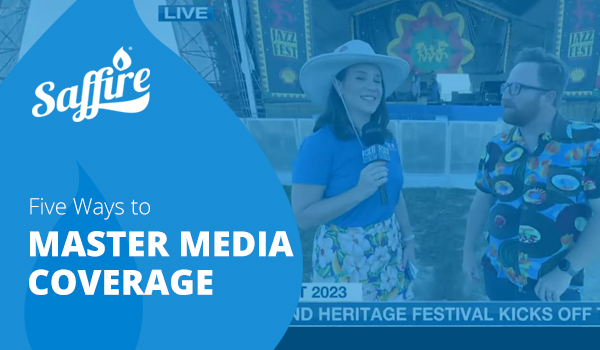
Five Ways to Master Media Coverage

Ready to get the word out? Discover how to secure media coverage that extends your event’s reach, enhances your brand reputation, and outperforms traditional advertising.

Securing media coverage offers the fantastic advantage of introducing your event to fresh and diverse audiences, creating a ripple effect that extends your event’s influence far beyond your usual crowd. Not only does media coverage capture the public’s attention and improve your brand’s reputation, but it can actually be more valuable than a typical advertisement.

Creating an effective media outreach strategy will take some time and patience, and to help you with the journey we’ve compiled our best advice for gaining media coverage. 

Define Your Event & Understand Your Audience 

Start by getting the basics out of the way: define its purpose, lay out your goals and zero in on the audience you’re trying to target. How old are they? Where do they live? How do they get their news? These are just a few of the questions you’ll want to answer. Don’t forget to consider the unique selling points (USPs) that set your fair or festival apart. Do you have the tallest ferris wheel in the South West United States? Or a 300-pound sculpture of your governor carved from butter? This is what the people want to hear about!  

Create Captivating Collateral 

Next up is creating two key pieces of key content: a press release and a media kit. Craft a compelling event announcement press release that is concise and includes the who, what, where and why in a punchy manner. The press release should also include a quote from the event’s organizers and contact information for media inquiries. Journalists should be able to find your organization’s media kit and access it easily. Include high-quality images, logos, branding assets, event background information, press releases, a detailed schedule and other relevant information (like statistics).

Get to Know Media Outlets & Journalists 

Now you need to know who to pitch to. Oftentimes, the relationships you’ve built with media outlets and journalists will determine the media coverage your event gets. You’ll want to research both local and regional outlets (press, radio and television) as well as outlets that cover similar events to yours. Forge genuine connections with journalists by personalizing outreach and tailoring messages to their interests or unique perspectives. 

Offer an Exclusive

Unfortunately, the inboxes of journalists and outlets are constantly barraged with press releases, pitches and story ideas, so it’s important to stand out from the crowd. To increase your chances of landing media coverage, provide outlets and journalists with exclusive opportunities. Behind-the-scenes access, interviews with performers or a personal invite to a first-hand experience are good places to start. By offering a unique perspective you’re more likely to catch their attention! 

Tap Into Your Network

Reaching out to industry publications and familiar faces amplifies your event’s reach beyond the ordinary scope. As your network converges with media opportunities, a harmonious relationship emerges, propelling your event’s story into the spotlight and nurturing a cycle of growth that’s both meaningful and mutually beneficial.

In the realm of event promotion, securing media coverage can help you reach new audiences and launch your brand to the next level. From defining your event’s purpose to crafting collateral and from cultivating relationships with journalists to offering exclusive glimpses, every step is important in mastering media coverage.  

Best Practices for Capturing Video

Lights, camera, action! In the current age of digital content, sharing the magic of live events through video has never been easier. Whether you’re capturing a concert on your fairgrounds or documenting family fun at your festival, knowing best practices for gathering video can set your content apart. In this blog, we’ll explore some of our top tips, tricks and techniques to help you make the most of your video marketing strategy. From the front row to backstage, this guide is your ticket to mastering live event videography! 

Plan Ahead 

No one knows your event! Identify key points of interest around your grounds or venue (like the concert stage or a crowd-favorite ride) and take some practice shots to determine the best vantage point for filming. You’ll want to anticipate lighting conditions, possible obstructions and any challenges, so try filming a rehearsal if you can! 

Choose Your Equipment

Next up, how will you capture the videos? Nowadays, you can capture clear, high-quality video from most iPhones, but you will also want to consider the type of video you’re shooting. If it’s for a social media ad for instance, be sure you’re either filming with your phone horizontally, or you are using a camera that films in multiple ratios. Consider external microphones for better audio sources, and extra batteries or powerbanks so you won’t have to stop filming for a charge. 

Keep Shots Stable

Having a smooth stable shot is a simple way to elevate the quality of your footage. Tripods, gimbals and similar tools eliminate shaky footage, ensuring a smooth shot. Practice with your camera shooting in different angles and with different movements. 

Consider Lighting

Are you going to be filming the crowds during the day or capturing video at a nighttime concert? If you’re filming a show, familiarize yourself with the lighting setup (such as spotlights or stage lighting) and adjust your camera settings accordingly to avoid overexposed or underexposed shorts. 

Composing Your Shot

You’ll want to make sure your main subjects or point of interest are fully captured in the shot! Use the rule of thirds (essentially creating a tic-tac-toe board over the shot, and placing the subject where the lines are intersecting) to create more visually appealing shots, and experiment with different angles and perspectives to add variety to your footage. 

Don’t Forget the B-Roll 

In addition to capturing all the action at your live event, remember to shoot plenty of cutaways and B-roll footage! Getting additional shots of audience reactions and behind-the-scenes moments can add quite a bit of depth and context when editing your final video. 

At the end of the day, capturing video at live events requires careful planning, the right equipment and an eye for detail. With the right composition and footage, you can give your audience an immersive experience they won’t forget. Happy filming!

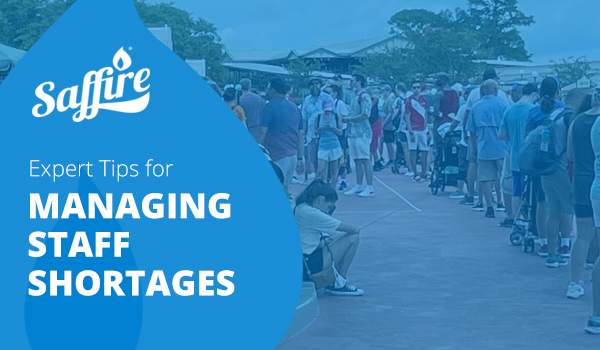
Expert Tips for Managing Staff Shortages

One of Saffire’s Core Values is “We Are Dedicated Team Players.” If you’ve worked with us on a project, we hope you’d agree we are outstanding partners!

Staffing any event can be a challenge, but we’ve noticed a trend with partner events across the country recently: Gate staff challenges, shortages and no-shows.

Is there anything worse than that feeling on opening day or night, when the months of planning and operational work have all built up to that moment when you are about to open the gate and welcome an adoring crowd into your event, only to realize there just aren’t enough people helping get them in? Ticket sellers, ticket scanners, line barkers, security and bag checkers, greeters… each of these staff members matter when you need to get folks into your event, and if you are short or unprepared with any one of the critical staffing areas, your guest experience can really suffer.

Saffire has developed so many software and product solutions to address ticket selling and scanning staffing needs, like our unmanned self-serve ticketing kiosks, iPhone/hip-printer mobile selling stations and line busters, QR code-based signage directing customers to buy their tickets online and come right up to scanning lines, and more. Although we’ve been able to help so many of our partners reduce their reliance on ticketing and gate staff, there are still several crucial roles that must be planned and staffed appropriately for your event’s admission process to succeed.

Planning a reliable staff for your admission is so important. If you are hiring a staffing agency, be sure you communicate your event requirements and ask them about their own backup plans! Relying on volunteers to staff your gates? Engage in constant and consistent communication with your team(s) about expectations and be prepared to provide a good experience for them too. Make it easy on them by making sure your volunteers know where to park, what to wear, what their hours will be and most importantly, THANK them often and in big ways.

Signage!

So much of an event’s success relies on the tiny details, so never underestimate the power of clear signage to help folks identify what line they should be in to buy a ticket onsite, or where they can go if they’ve pre-printed or brought a ticket on their device! If you are using self-service ticketing kiosks, make sure to clearly identify them with signs too, so people use them! If you have a bag-check process, use a sign to tell people in line what to expect to help you make the process efficient!

Conclusion

No matter how prepared you are with a ticketing system, technology and structure, if you don’t have the RIGHT people in place to execute your plan, you’ll be unable to get tickets into customers hands, through the gate, checked by security and scanned for entrance. Plan for your people and be ready with a backup plan so you have a solution if and when you need one in the moment. In the face of staffing challenges, do your very best to provide adequate signage and gate structure to eliminate as much confusion as you can for your customers.