Written by Jonathan Wojcik
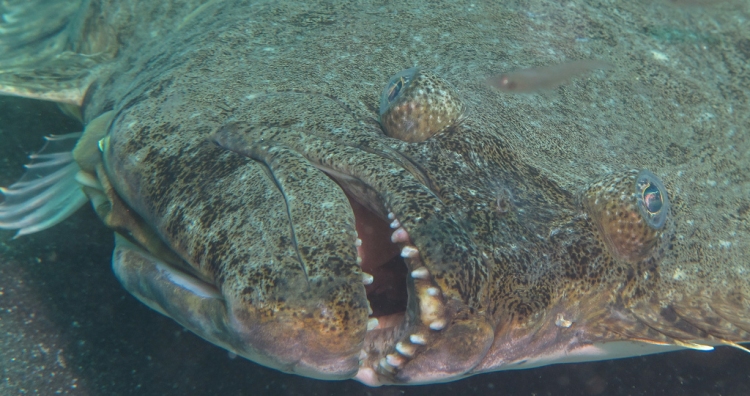
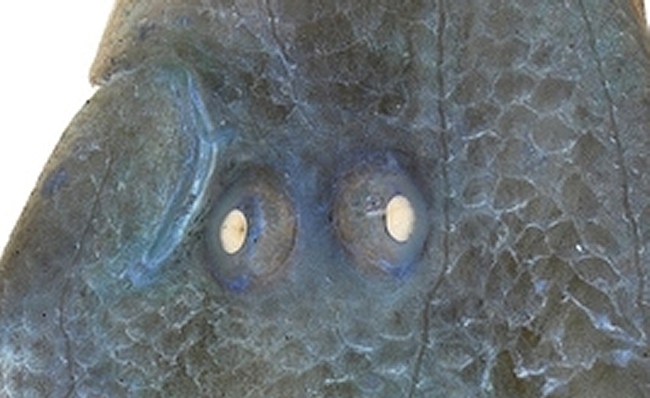
Look. At that. Face. Tell me that isn't the face of an angel. The topsy-turvy grimace of nature's raw magnificence, distilled. We might call them flounders, flatfish, soles, turbots, halibuts, dabs, brills, plaice, even tonguefish, megrim or whiffs, but they're all Pleuronectiformes, and they're all united by the same bizarre twist on conventional anatomy. Literally!
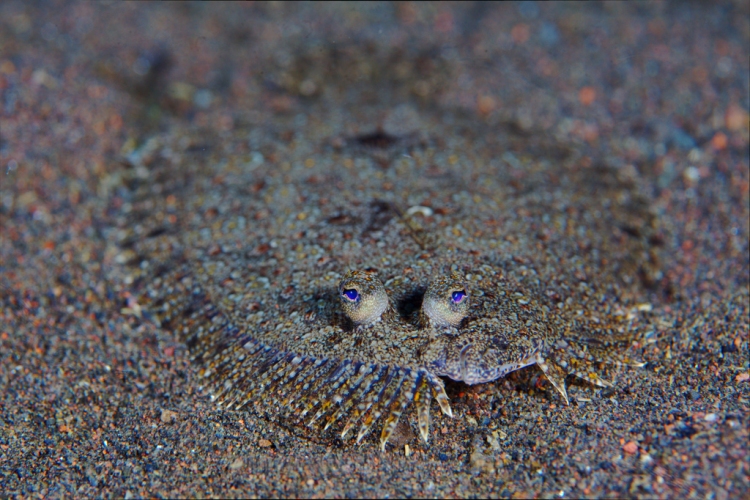
These carnivorous throw rugs of the deep spend their entire adult lives lying on their sides, flat against the ocean floor while their bulging, independently rotating eyeballs scan their surroundings for prey. Eyeballs which, unlike any other vertebrate on earth, protrude from the same side of their body, either the right or the left, though they certainly don't start out that way.
In this beautifully bizarre time lapse, we see the simple yet mildly disquieting changes a flatfish undergoes as a natural part of flatfish puberty. It initially looks like any other little fish, but as the animal ages, it swims more and more to one side, and its skull slowly twists as one eye migrates to join its brother at the other end of its face. The eyes of many species will also begin to protrude at this point, bulging frog-like into a set of swiveling turrets. Seems like a lot of trouble, doesn't it? Why bother? Why, and how? These are questions that clearly must be answered with cartoon animals.
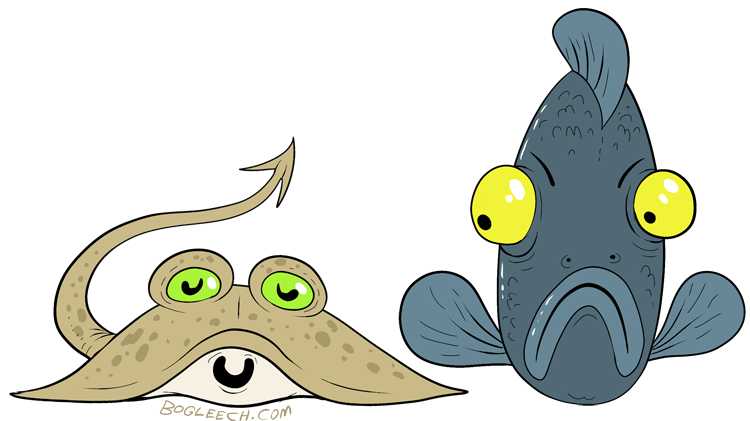
Blending tight against the ocean floor is obviously a good way to outwit your fellow sea monsters, and it's easy if your body is flattened like a cartilaginous stingray (left), their bodies spread out like a big, fishy pancake. Most bony fish, however, are flatter in the other direction, their eyes sticking straight out the opposite sides. Many of these have to blend in with the open water or the colors of a reef, and must beware of attackers coming from every possible direction.
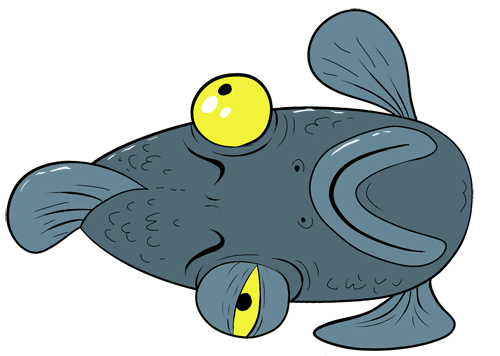
While other ground-huggers adapt to bury themselves, pose as rocks or gradually spread out their body structure into a drastically different shape, a laterally flattened fish could take a shortcut by just tipping over. Clever, except that if this step happens first, and all alone, it would be blinding half the animal.
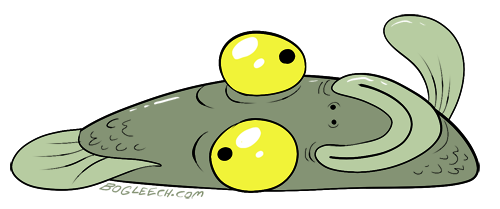
Fortunately, all living species are subject to constant mutation. The vast majority are neither beneficial nor harmful, if even noticeable, and may fade in and out of the gene pool with little impact, but some can at least subtly affect an individual's success, for better or for worse. A serious case of wandering eye could be disastrous for more open-water fish, but for one that already stuck close to rocky walls and crevices, a lopsided head would have only allowed a better field of vision in tight situations. Only one wonky freak needed to survive to spawn hundreds of oddball offspring, each with a chance to pass on their unique traits to hundreds and hundreds more.
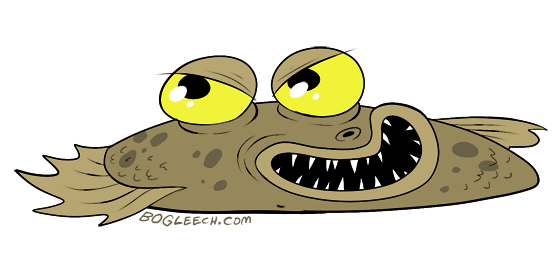
With each generation, the gene for a skewed head became increasingly widespread, and with it, the odds that two goofy-looking parents might have even goofier-looking babies. Those who came out too distorted, of course, would have fared poorly for any number of other reasons, passing on their qualities much less often. Slowly but surely, their monstrous mugs found equilibrium, and flounders deformed into the darling monstrosities they are today.
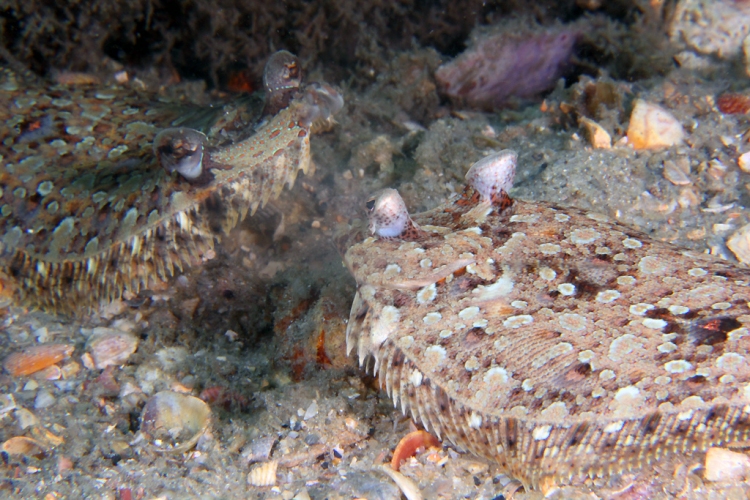
Still, there's plenty more to a successful hunter than a pretty face, and their Picasso act is only one way in which these majestic killers have adapted to the life of a meat-eating placemat. Flatfish are also masters of camouflage, their bodies closely matching the sand, mud or gravel of their hunting grounds, and many species are even equipped with millions of chromatophores. Just like an octopus, they can open and close these multi-colored skin cells to take on any desirable pattern, intelligently re-creating the surrounding colors and textures with an almost artistic flair...at least to the best of their fishy little abilities.
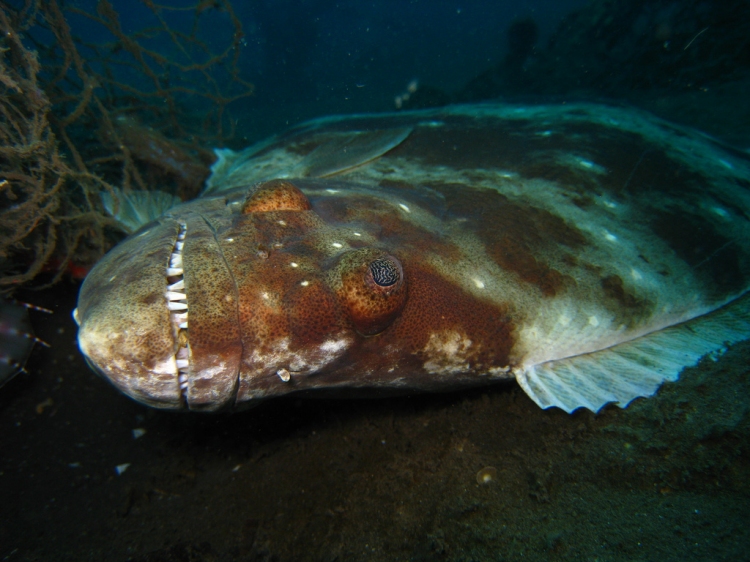
Flatfish can vary in hunting technique, and specialize in different prey types. Some, like this huge halibut, are a little more robust and active. Several feet in length with a mouth full of fangs, it has significantly less to fear than its smaller, sneakier brethren. Lying on the ground, these beasts are easily missed by fish swimming above, but once they spot prey, they'll swim up to attack them in the open water, even giving chase!
� William Tan
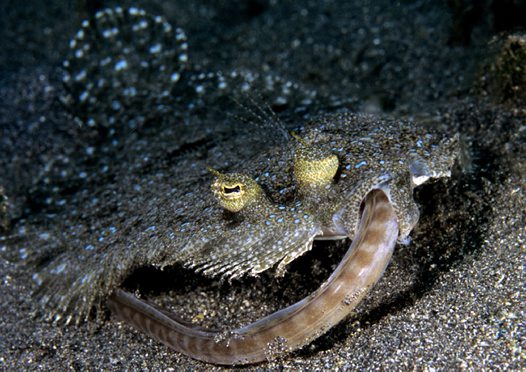
Others, like this flowery flounder, are thinner and more modified, sticking strictly to the seabed where they wait for small prey to come within snapping distance, seldom leaving the safety of the muck and sand unless it's truly necessary.
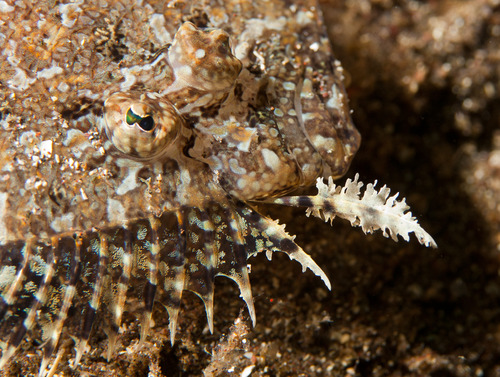
Cribbing directly from the widely beloved anglerfish, species like Asterorhombus even sport a fishing lure modified from the first rays of the dorsal fin. Does this ever not make a fish ten times as delightful?
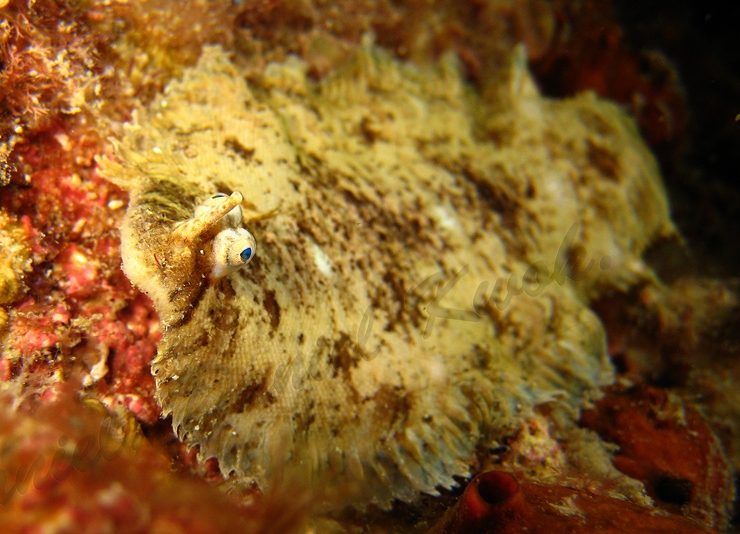
In some flatfish, the nostrils - or at least the one on its exposed side - extend into a long, thin "snorkel," allowing it to hide even deeper in loose sediment. This adaptation also serves to make the organism more hilarious.
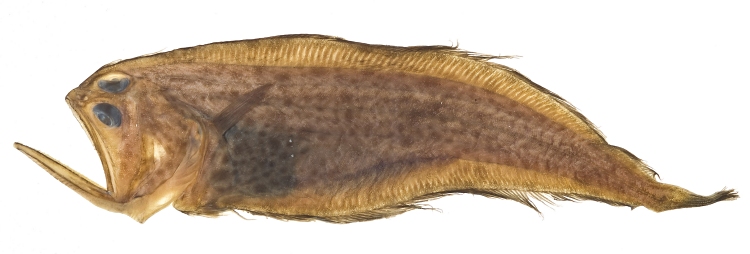
Flatties get at least a little more peculiar in the deep sea abyss, home to several members of the genus Chascanopsetta, dubbed "pelican flounders" for their unusually wide jaws. Like many marine creatures of the dark depths, their bodies are adapted to swallow up exceptionally large prey, their stomachs more distendable than the soles of more sunlit sands.
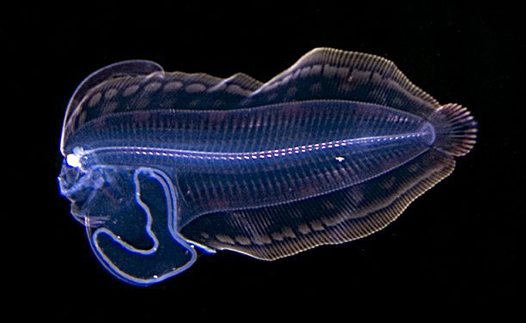
Matthew D'Avella � Australian Museum
Especially unique are the larvae of abyssal pelican flounders, beautiful but ghostly creatures with plainly visible bones and organs!
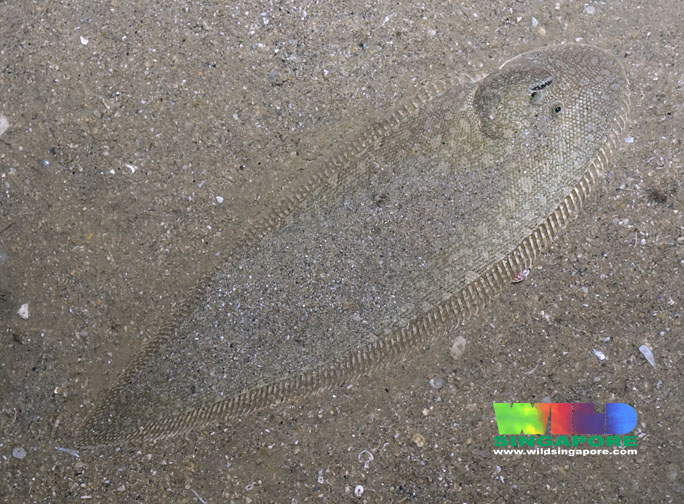
This "tonguefish," a favorite category of mine, is a sole streamlined into an almost worm-like animal, having even done completely away with a few extraneous fins...and what's up with that mouth? The photographer was nice enough to give us a closer look:
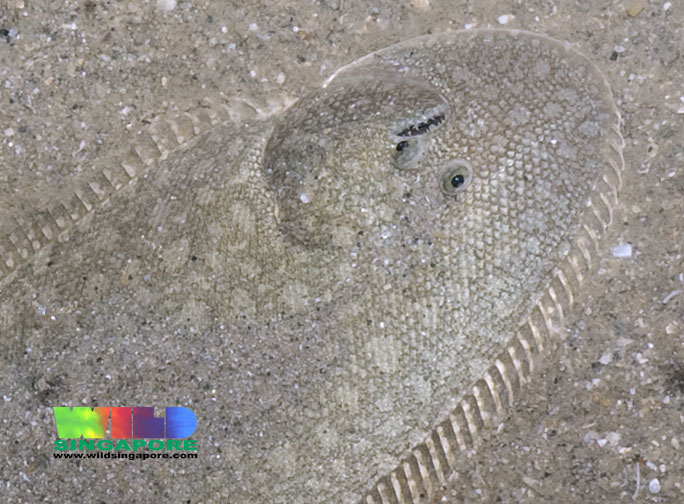
Can you believe this is a thing? With a huge, crescent snout curling right around its face, this crazy bastard's jaws look like a toothy hole straight through its head. Precious few vertebrates get weirder looking than this. The purpose of the overhanging "snout" would likely be the same reason a stingray's mouth is so far under its body; it can cover up prey like a blanket even before it attacks with its jaws, cutting off escape routes as it feeds!
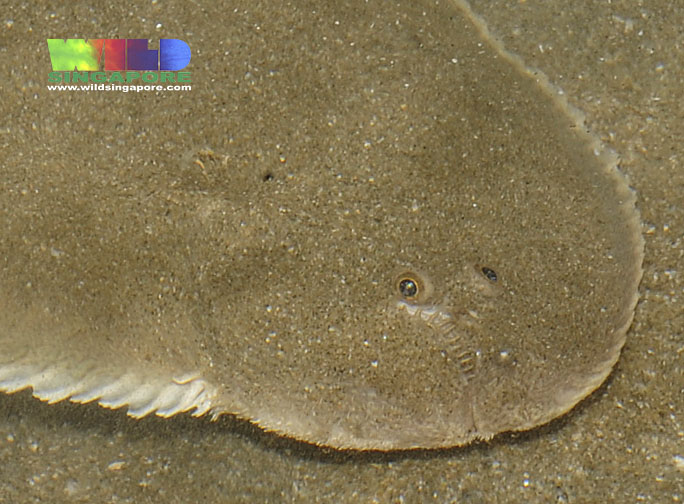
Here's a slightly different tonguefish! Look at those ghoulish little teeth!
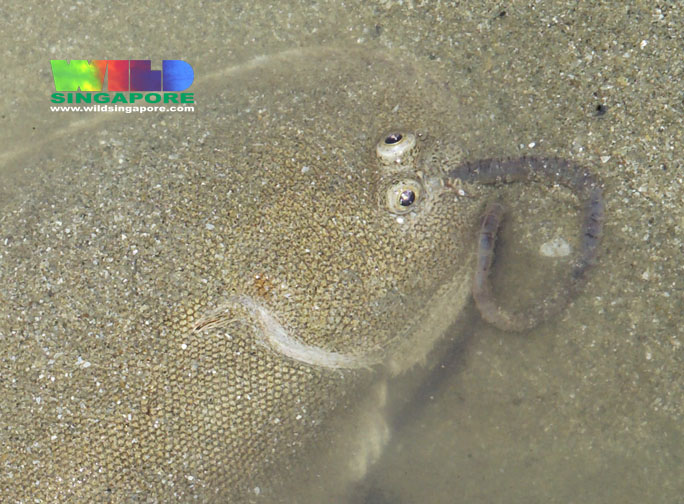
Tonguefish favor soft-bodied prey, especially worms, which they will root out of the mud or sand and slurp into those weird, weird mouths like spaghetti.
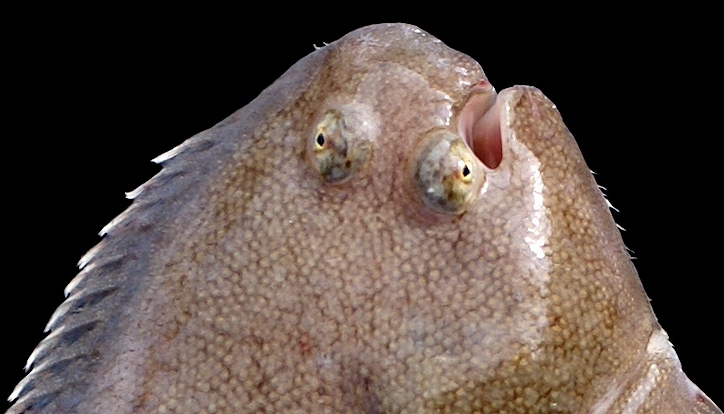
There are really just no words for how happy these things make me.
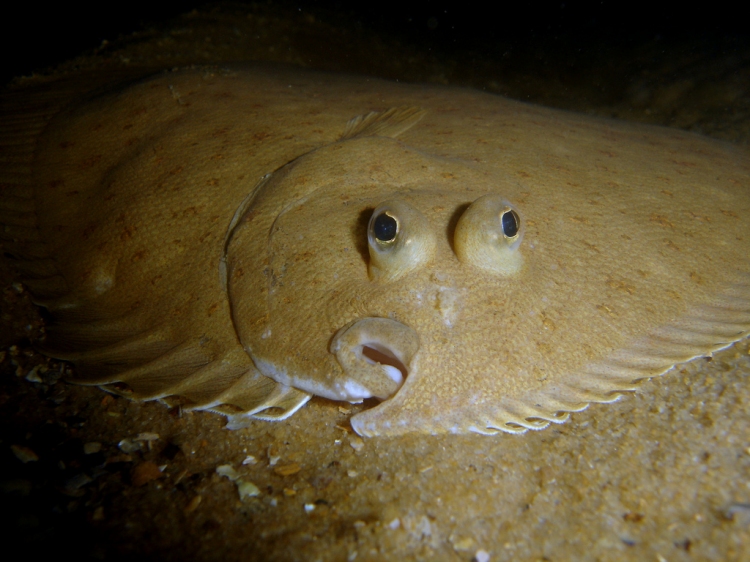
This...I just...
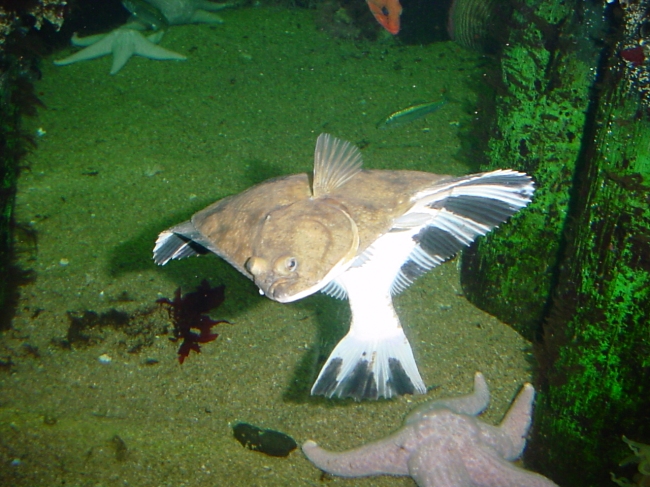
The majesty.
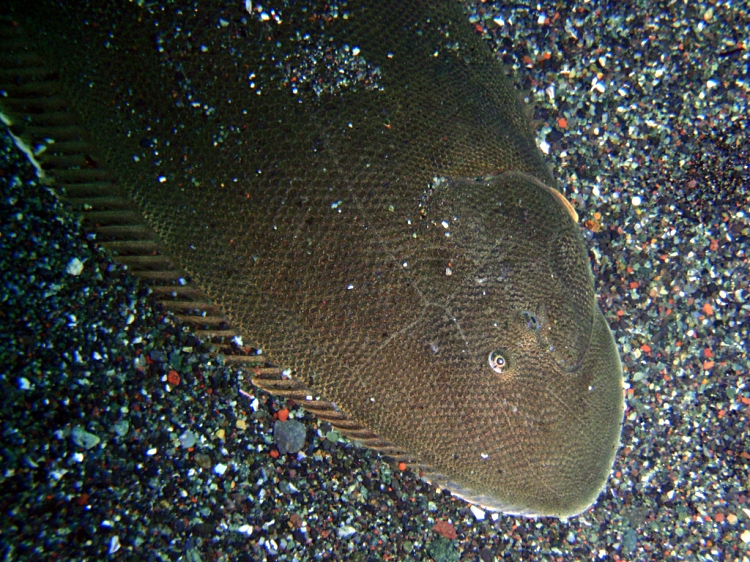
How are you a fish?
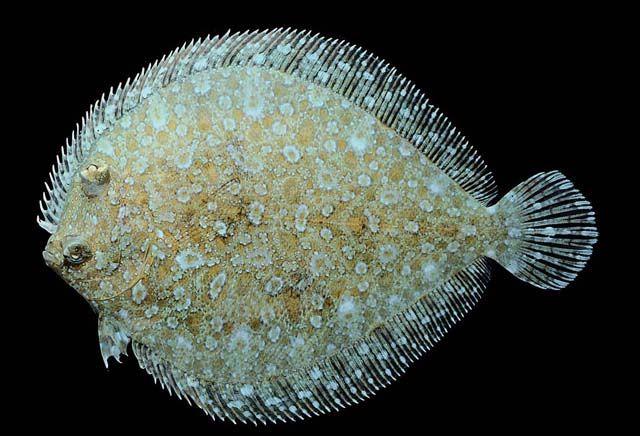
You are ridiculous.
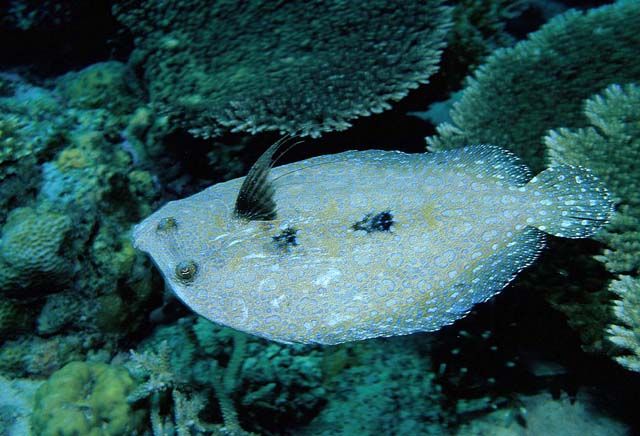
This isn't helping your case.
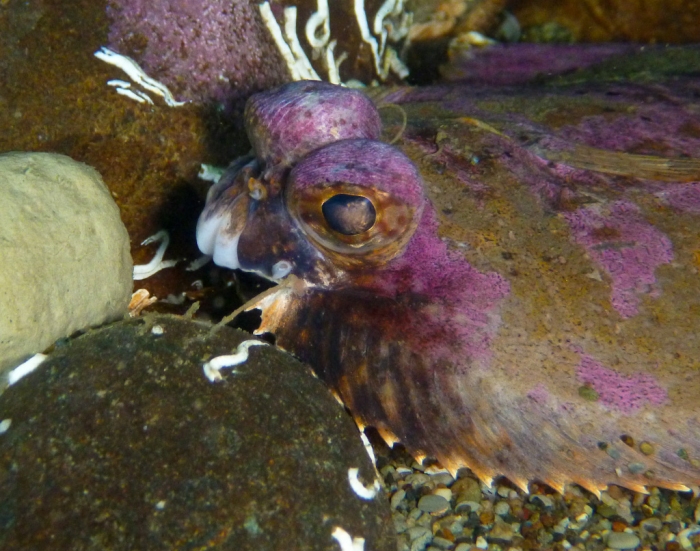
You're doing this on purpose, aren't you.
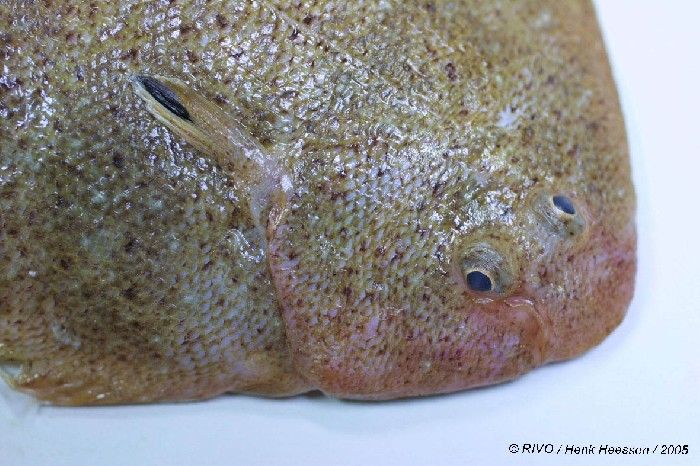
What's that other side look like, anyway?
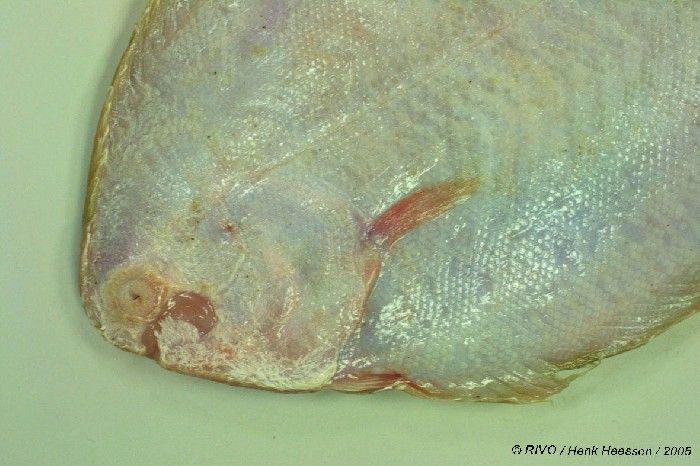
Oh!
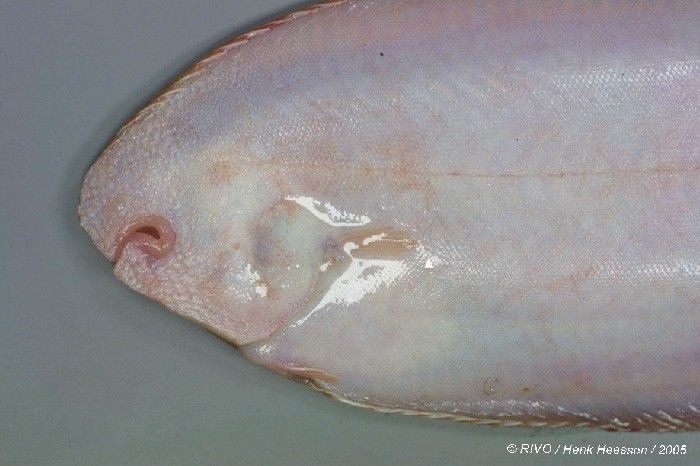
It's okay, flatfish, you don't have to keep awing us.
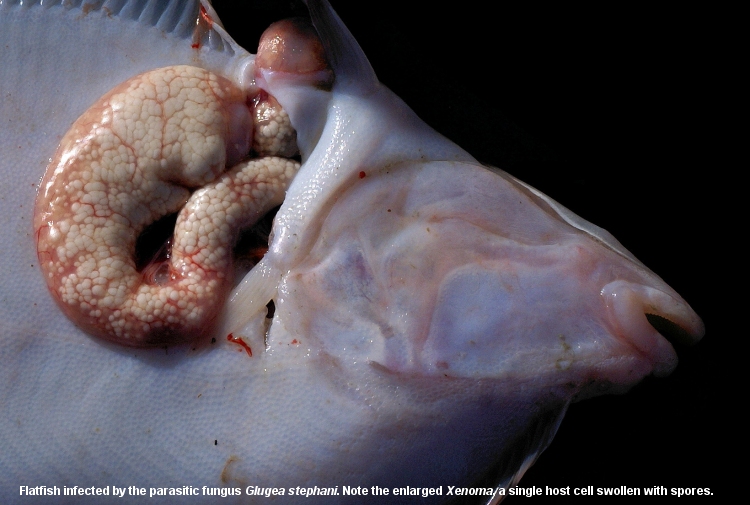
...No, really, you don't even need to show us your diseases. You can turn back around now.
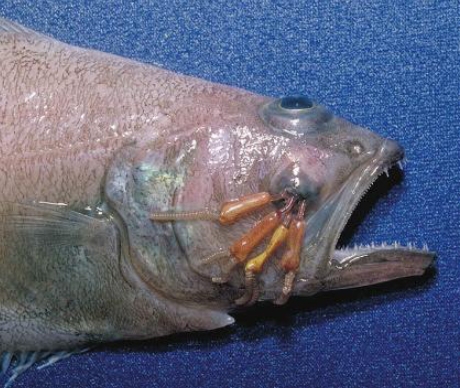
That's more like it! Now, where were we?
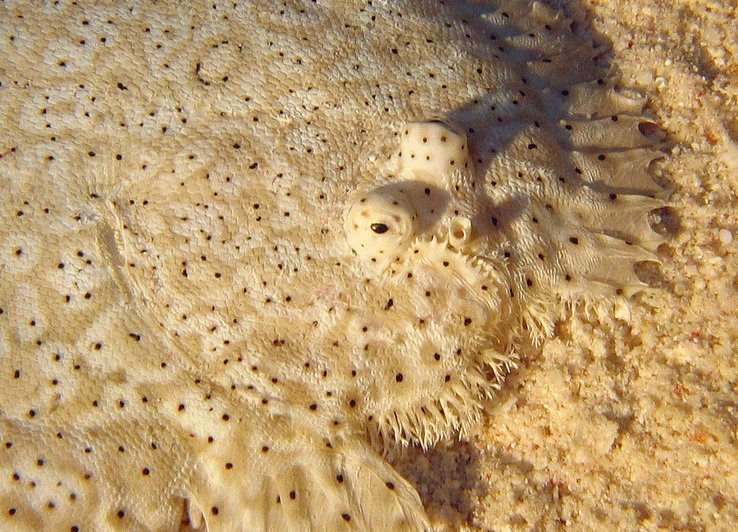
There's a nice one! This is a "Moses sole."
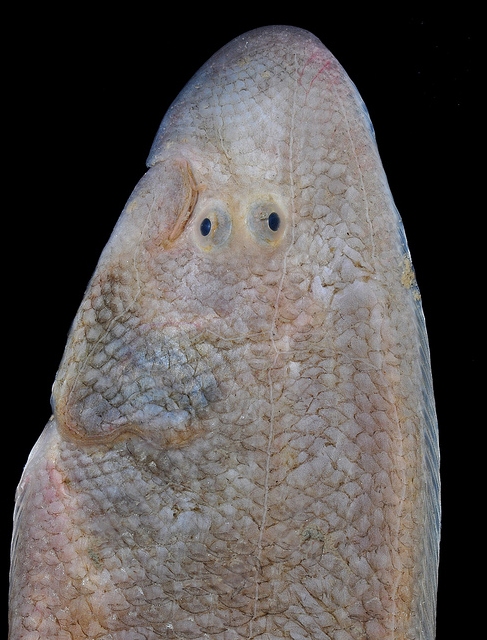
And this is...this.......oh my god.
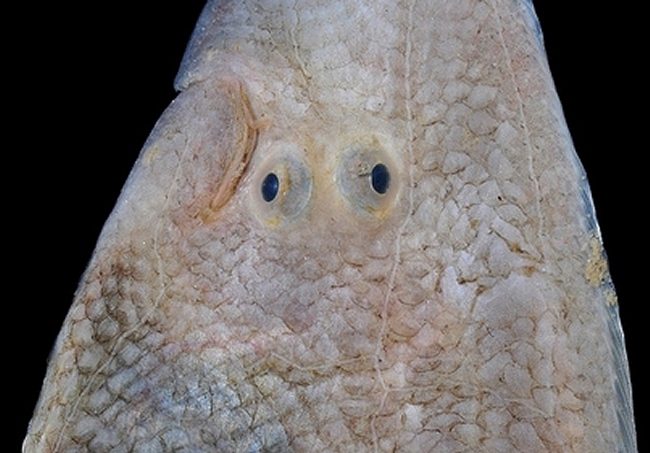
I love you.
I love...everything.
