Head and Neck Lymphedema Solutions
Find Relief at Home with the Flexitouch® Plus System
Explore the Flexitouch® Plus system, a head and neck lymphedema pneumatic compression solution that can be worn at home to relieve swelling and related symptoms, such as difficulty in swallowing and breathing and pain. Incorporating the Flexitouch Plus into your daily lymphedema management routine and understanding the signs and symptoms of head and neck lymphedema can help you seek timely treatment can help you maintain your quality of life and find relief.
In addition to reducing swelling, Flexitouch is clinically shown to soften fibrotic tissue—a common complication in head and neck cancer survivors—with 97% of patients reporting softer tissue after use.
The Flexitouch Plus system is clinically proven to stimulate the lymphatic system. It’s comfortable, effective, at-home design helps patients manage both lymphedema and fibrosis so they can get back to their lives.
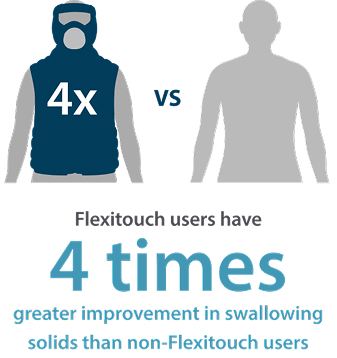
Flexitouch Plus helps reduce swelling and relieve symptoms of head and neck lymphedema with effective treatments that are:
Clinically Proven: Clinical evidence shows Flexitouch combined with self-management is proven to work better than self-management alone, providing better outcomes for patients. This includes statistically significant reductions in soft tissue severity among head and neck cancer survivors.
Consistent: Unlike manual lymphatic drainage (MLD), effective head and neck lymphedema treatment doesn’t depend on patient technique or ability. Repeatable results and high patient satisfaction encourage ongoing use and better outcomes.
Comfortable: Head and neck compression garments are made of soft, comfortable fabric while the dynamic pressure feels like a soothing massage.
Convenient: The patient-friendly design of the head and chest garments is created for ease of use.
Discover
Flexitouch® Plus
for Head and Neck
Empowering patients to self-manage their head and neck lymphedema from home for improved outcomes and a better quality of life.
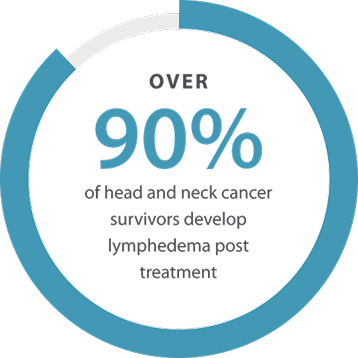
Many head and neck cancer survivors are faced with an additional challenge: lymphedema and fibrosis.
Over 90% of head and neck cancer survivors experience lymphedema post-treatment, and nearly half develop fibrosis as well.
Lymphedema is a chronic swelling condition that may be caused by damage to the lymphatic system. The swelling can be both internal and external and cause pain, reduced range of motion and difficulty swallowing, speaking and breathing.
Fibrosis is the hardening or thickening of soft tissue that often develops alongside lymphedema. It can further limit mobility, create discomfort, and complicate recovery.
Flexitouch therapy is designed to address both conditions by mobilizing protein-rich lymphatic fluid, reducing inflammation, and softening dense, fibrotic tissue. The Flexitouch Plus system uses gentle pneumatic compression to encourage the movement of lymph through the lymphatic vessels, helping to reduce swelling and address the signs and symptoms of head and neck lymphedema.
As with any chronic, progressive condition, early intervention and practical tools for daily management produce the best results.
Discover our Solutions
No matter where you may have swelling, we can help.
In many cases, the sooner you treat chronic swelling, the better for your long-term health. Our at-home therapy is designed to treat your swelling on your own time to help you get back to living your best life.
Explore our solutions for each affected region to find the right therapy for your needs.
Upcoming webinars
Register for our upcoming live webinars or take a look at past webinars and other resources for the latest research
NEED HELP NOW? WE’RE HERE FOR YOU.
Call or text us at 612.355.5100
Head and Neck Lymphedema FAQs
What is head and neck lymphedema?
Head and neck lymphedema is a chronic, progressive condition that’s caused by a disruption to the lymphatic system, leading to a buildup of lymph fluid in the tissues of the head and neck. in the anatomical regions of the face, neck, throat, and jaw. Lymph is a clear fluid that circulates through the lymphatic system, helping to remove waste, toxins, and excess fluid from tissues. The lymphatic system is made up of lymph vessels and lymph nodes, which work together to transport lymph throughout the body.
Head and neck lymphedema can be categorized as primary or secondary. Primary head and neck lymphedema can be hereditary and passed down from a parent, present at birth (congenital), or spontaneous in nature. Secondary head and neck lymphedema is more common and is the result of damage or restrain to the lymphatic system, such as direct trauma from an injury, cancer, or cancer treatment.
What are the symptoms of head and neck lymphedema?
In head and neck lymphedema, the buildup of lymph fluid can cause both visible and internal swelling. The symptoms of head and neck lymphedema can vary from person to person but can occur internally in locations like the throat, mouth, tongue, and voice box or externally in the face and neck. However, whether you’re living with facial lymphedema or neck lymphedema, the common symptoms include:
- Swelling in the face, neck, or throat
- Difficulty swallowing, eating, speaking, or breathing
- Congestion
- Changes in skin texture
- Decreased range of motion, stiffness, or pain in the neck and shoulders
- Pain and swelling that feels hard when touched
- Changes in vision or hearing
What causes head and neck lymphedema?
In cases of primary head and neck lymphedema, the cause can be genetic, present at birth, or spontaneous in nature. However, secondary head and neck lymphedema is more common and can have several different causes. Some of the most common causes of lymphedema in the head and neck and lymphedema risk factors to be aware of include:
- Cancer: If a cancer tumor disrupts the flow of lymph fluid in the head and neck, lymphedema can occur.
- Cancer treatment and radiation therapy: Lymph nodes are small, bean-shaped structures that are part of the lymphatic system. They filter lymph fluid and help fight infection. In the head and neck, lymph nodes play a crucial role in draining excess fluid. When lymph nodes are removed or damaged—often due to cancer treatment or radiation therapy—lymph fluid can build up, leading to lymphedema.
While cancer and its treatments, including cancer surgery and/or radiation therapy, are the most common causes of head and neck lymphedema, other potential causes include trauma/injury to the lymphatics around the head and neck, infections like cellulitis, and vascular diseases.
How do you treat head and neck lymphedema?
Lymphedema treatment involves a personalized approach depending on the cause and symptoms of your head and neck lymphedema. A certified lymphedema therapist will typically assess your condition and develop a personalized treatment plan, which may include in-clinic sessions and recommendations for at-home care.
For many lymphedema patients, a multipronged approach, including head and neck lymphedema compression garments, exercise, and healthy lifestyle modifications, will be recommended by your doctor or certified lymphedema therapist. Below are some of the components of a head and neck lymphedema treatment plan:
- Complete decongestive therapy (CDT): CDT combines several treatment methods to stimulate the lymphatics and relieve pain, swelling, and related symptoms. It starts with in-clinic treatment provided by a lymphedema therapist and is followed by self-management at home. The treatment includes exercise, manual lymphatic drainage, skin care, and compression.
- Manual lymphatic drainage (MLD): Lymphatic drainage is a therapeutic technique designed to stimulate the natural movement of lymph fluid through the lymphatic system, helping to reduce swelling and improve symptoms of lymphedema. This can be achieved through manual lymphatic drainage (MLD), a specialized massage performed by trained therapists, or with advanced pneumatic compression devices like the Flexitouch Plus system, which mimic the effects of MLD at home.
- Compression: To reduce and maintain the reduction of swelling, compression garments for head and neck lymphedema are recommended
- Pneumatic compression devices: Tactile Medical’s Flexitouch Plus system offers region-specific treatment to address swelling in the facial, neck, and submental regions. By supporting healthy lymphatic circulation, Flexitouch Plus can help manage the buildup of lymph fluid in the head and neck.
- Exercise: Head and neck lymphedema exercises, such as stretching, head tilts, shoulder shrugs, and yoga, help promote lymphatic drainage and maintain a healthy weight.
- Skin care: Chronic inflammation can cause the affected area to feel hard (fibrosis) or painful, and may make the skin more susceptible to infections like cellulitis. Proper skin care for lymphedema helps to prevent infections and complications that can exacerbate swelling and other symptoms.
Following the elements of CDT, including wearing compression garments for lymphedema, manual lymphatic drainage for the head and neck, exercise, and a skin care routine, can help provide relief from lymphedema and related symptoms. Contact Tactile Medical today to learn how our head and neck lymphedema therapy can help.
Is lymphatic drainage safe?
Yes, when performed by a trained therapist or with a clinically-proven device like the Flexitouch Plus system, lymphatic drainage is a safe and effective way to manage lymphedema symptoms. Therapists can also provide instructions for patients to perform MLD techniques themselves safely at home. By encouraging the movement of lymph fluid, lymphatic drainage helps reduce swelling, discomfort, and the risk of complications.
1. Ridner, S.H., et al., A Prospective Study of the Lymphedema and Fibrosis Continuum in Patients with Head and Neck Cancer. Lymphat Res Biol, 2016. 14(4): p. 198-205.
2. Ridner, S.H., Dietrich, M.S., Deng, J. et al. Advanced Pneumatic Compression for Treatment of Lymphedema of the Head and Neck: A Randomized Wait-List Controlled Trial. Support Care Cancer (2020). https://doi.org/10.1007/s00520-020-05540-8
3. Karaca-Mandic P, Hirsch AT, Rockson SG, et al. The Cutaneous, Net Clinical, and Health Economic Benefits of Advanced Pneumatic Compression Devices in Patients With Lymphedema. JAMA Dermatol. 2015;151(11):1187–1193
4. Muluk SC, Hirsch AT, Tafe EC. Pneumatic Compression Device Treatment of Lower Extremity Lymphedema Elicits Improved Limb Volume and Patient-Reported Outcomes. EJVES. 2013; Vol. 46(4): 480–487.
5. Adams, KE, Rasmussen JC, Darne C, et al. Direct Evidence of Lymphatic Function Improvement After Advanced Pneumatic Compression Device Treatment of Lymphedema. Biomedical Optics Express. 2010; Vol. 1(1): 114–125.
