/Campaigns
-

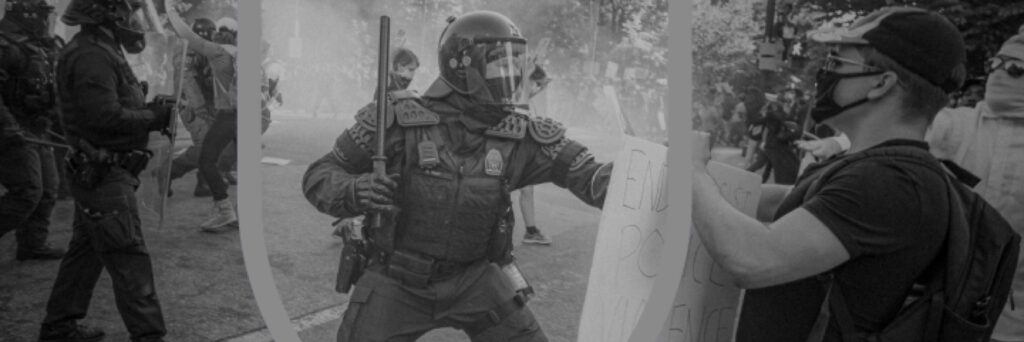
8 Can’t Wait
Research shows more restrictive use of force policies can reduce killings by police and save lives. Tell your city to adopt all eight of these policies.
Visit Site -
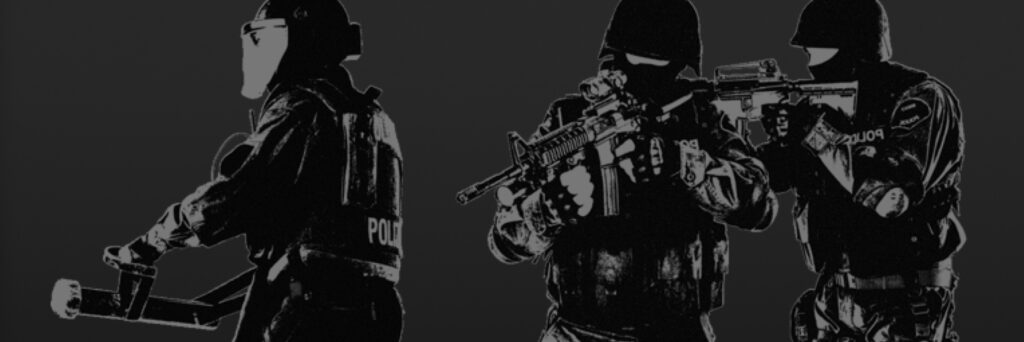
End All No Knocks
No-knock raids have terrorized our communities for too long. You can help end them.
Visit Site -

Criminal Activity Nuisance Ordinances
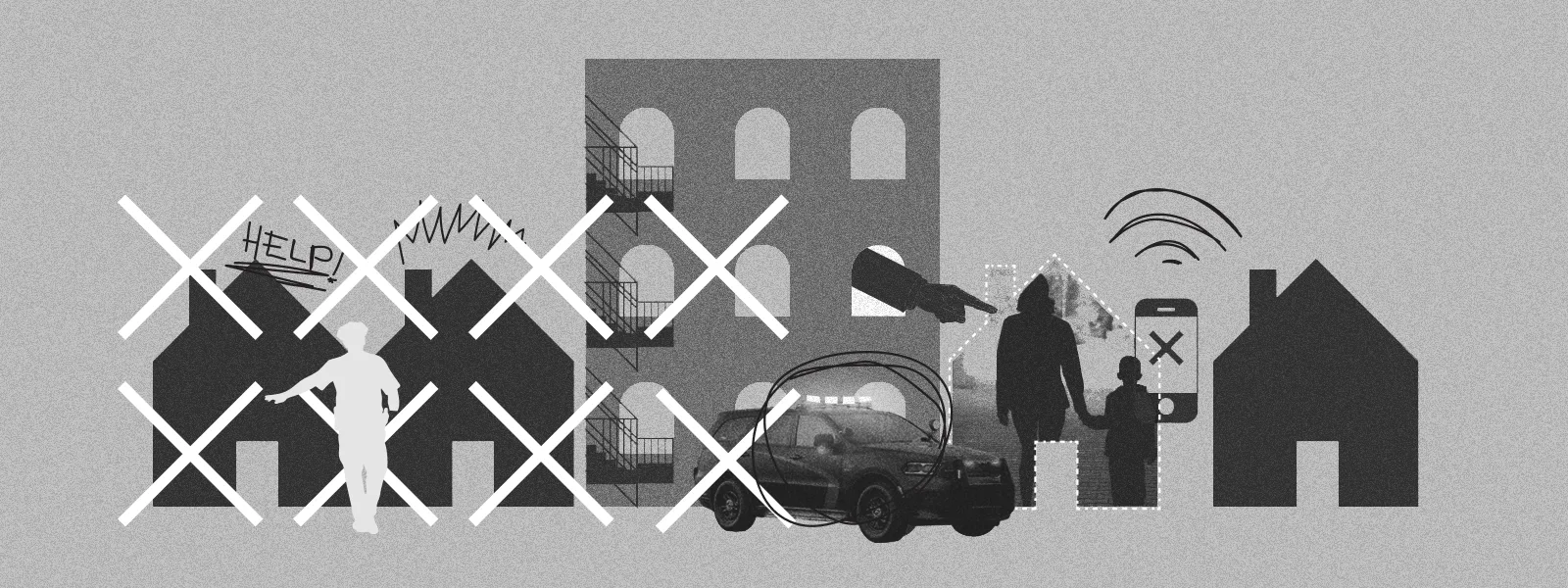
Criminal Activity Nuisance Ordinances (CANOs) and Crime-Free Housing Programs (CFHPs) are county, municipal, and state-level laws and programs that label a property a “nuisance” when a certain number of emergency services calls and/or alleged criminal conduct occurs. These harmful ordinances and programs uproot lives across the nation.
Visit Site -

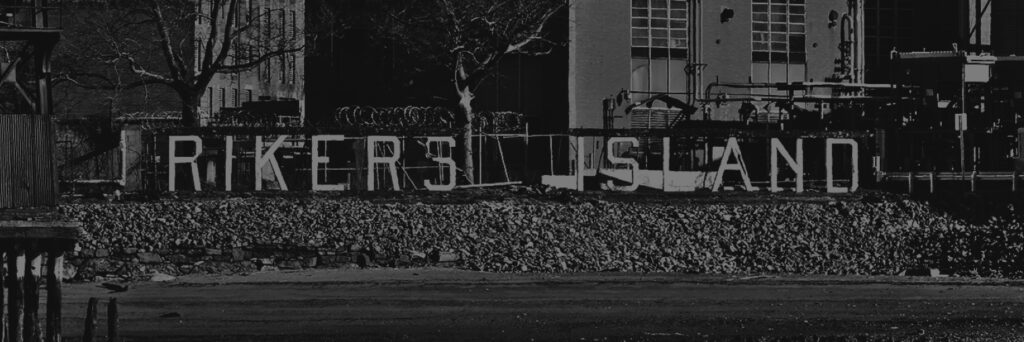
Rikers In Crisis
The mismanagement of Rikers Island jail is a human rights crisis. Decades of corruption & mismanagement have proven that New York City is unable to improve the deadly scenario manufactured by the Department of Correction.
Visit Site -
Cancel ShotSpotter
Research shows that ShotSpotter does not prevent gunfire, makes police less effective, costs cities millions of dollars, and leads to tens of thousands of high-intensity interactions between police and civilians. At a time when gun violence is front of mind for legislators, Campaign Zero is launching #CancelShotSpotter to call for investments in proven solutions to improve the health and safety of our communities, rather than ineffective and untested technology.
Visit Site -
Raise the Threshold
Felony theft thresholds are the dollar amount that determines when a theft becomes a felony. These amounts are dangerously low across the country and seriously outdated. Research shows increases to theft thresholds does not lead to increased theft.
Visit Site -
End “Excited Delirium”
Campaign Zero and Physicians for Human Rights are targeting the unscientific and misused term “excited delirium,” often cited in cases of police custody deaths and excessive force, emphasizing its lack of medical validity and disproportionate impact on communities of color.
Visit Site -
End Qualified Immunity
Qualified immunity protects the police from civil liability when they violate an individual’s constitutional rights. People harmed, injured, or killed by police rarely receive justice or compensation for damages. Victims of police misconduct and their families often spend years in court seeking justice only for officers to be shielded by qualified immunity. Many cases don’t make it to trial at all.
Visit Site -
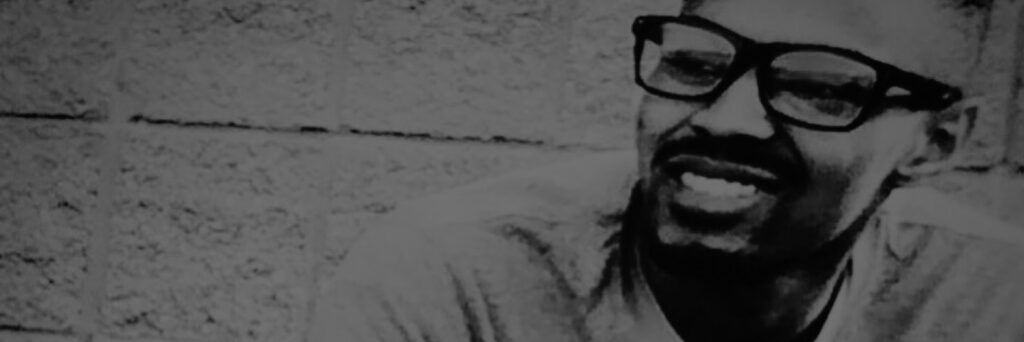
Free Keith Davis Jr.
What started as a case of mistaken identity in 2015 has turned into a miscarriage of justice by state’s attorney Marilyn Mosby’s office, resulting in 5 trials: 2 mistrials, 1 acquittal, 2 overturned verdicts and a 6th trial to begin in May of 2022.
Visit Site -
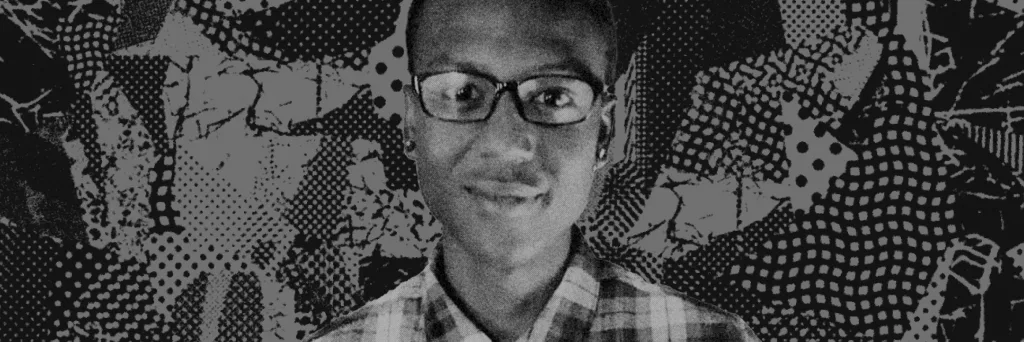
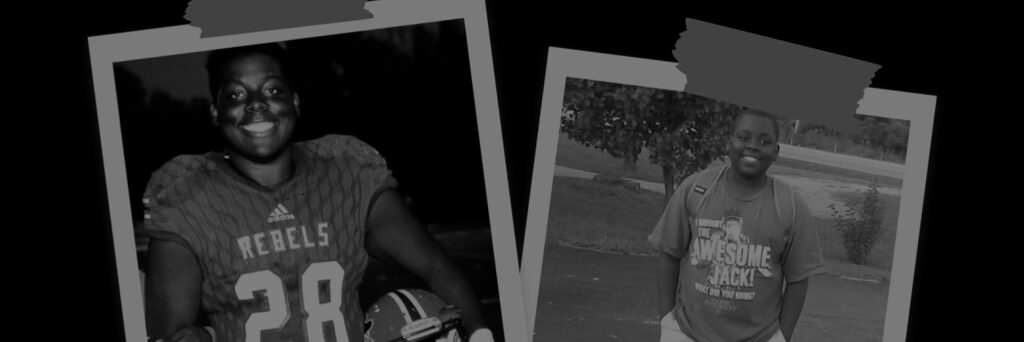
Justice for Derontae Martin
Derontae Martin was a loving, driven, and hard-working 19-year-old boy with a bright future ahead of him. Shockingly, Derontae was killed before he was able to live out his dreams. On April 25th 2021, Derontae was found shot in the closet of a known white supremacist in Fredericktown, Missouri.
Visit Site -
Justice for Samuel Celestin
On April 11, 2019, Samuel, “Sammy”, Celestin, suffered a mental health crisis that would lead to his death at the hands of police. Despite repeated requests for an investigation into the officer’s conduct, and even the election of a new State’s Attorney who promised police accountability, Sammy’s family remains without explanation as to why no officer has been charged related to the conduct contributing to Sammy’s death.
Visit Site



Data Projects
-
Nix the 6
Across the country, police unions have written contracts and laws that make it almost impossible to hold police accountable. We reviewed police union contracts in nearly 600 cities and “Police Bill of Rights” laws in 22 states.
Visit Site -
Mapping Police Violence
The most comprehensive database on killings by police. This data includes victim demographic information and other relevant information which allows us to understand the impact on different American communities.
Visit Site -
Safe Cities
Safe Cities is a first-of-its-kind national data platform redefining what public safety means and how it’s measured. By looking beyond crime statistics to include housing, healthcare, economic security, education, and carceral harm, it reveals the conditions that truly shape safety. The project empowers communities, journalists, and policymakers with transparent data to build safer cities through care—not punishment.
Visit SiteThe Latest:
NEWS: Introducing the Safe Cities Project -

The Police Scorecard
An evaluation of policing outcomes in cities across the country utilizing data on use of force, accountability, arrests, and other aspects of policing.
Visit Site