Since time immemorial, Indigenous Peoples have been stewards of land and water in what is now Canada.
Despite a history of suppression and environmental degradation, Indigenous peoples are now leading the charge in protecting nature in Canada. We are committed to supporting Indigenous knowledge, leadership, and cultural practices, all of which are essential to conservation work now and into the future.
Your voice counts! Every action shows decision-makers that Canadians won’t stay quiet when it comes to defending our access to nature and the survival of our planet.
* Percentage includes 4.1% of Other Effective area-based Conservation Measures (OECMs) which do not currently meet the agreed-upon Canadian or international criteria/standards
Highlights
Committed to 30% land protection by 2030.
$300 million conservation fund established.
First-ever Coastal Marine Strategy released.
Klinse-za Park expanded.
Lowlights
Insufficient funding for land-use planning slows progress.
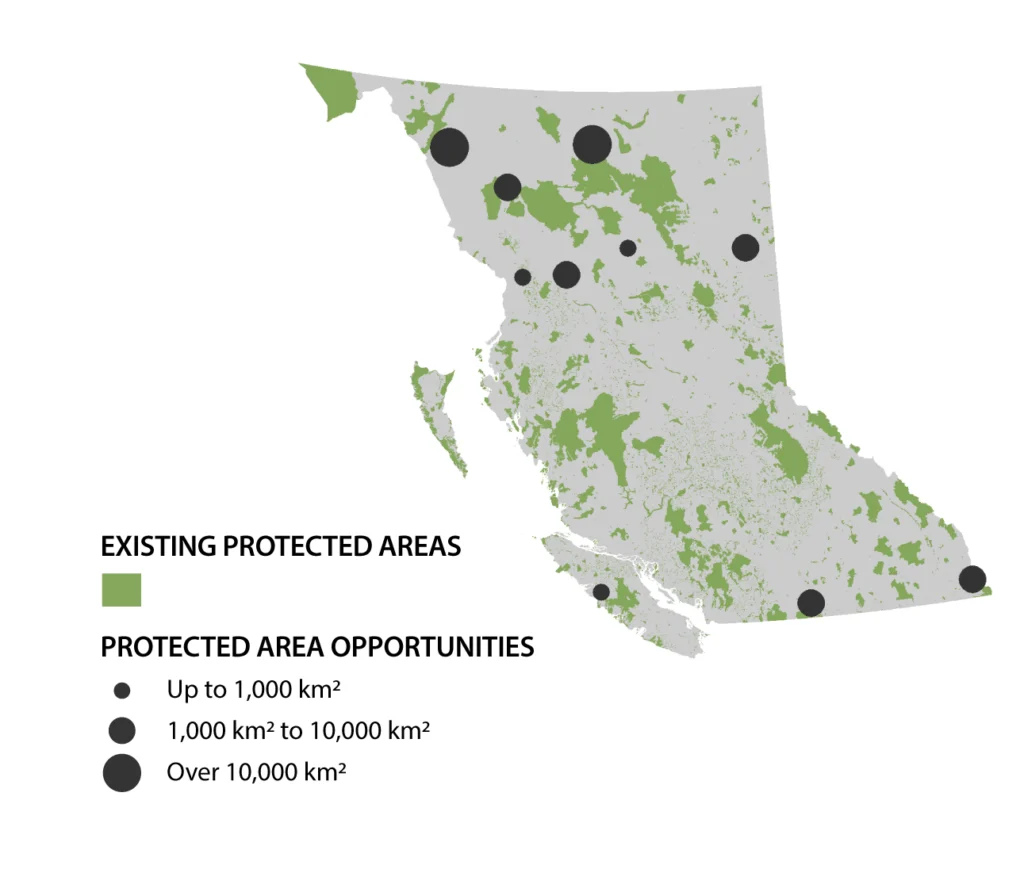
Of the 19.7% of land counted as protected in BC, 4.1% of Other Effective area-based Conservation Measures (OECMs) do not currently meet the agreed-upon Canadian or international criteria/standards.
Take action to protect land, freshwater, ocean and wildlife across British Columbia
We couldn’t do what we do without your help. Whether it’s taking action on a campaign by signing a petition or writing a letter, donating to our work, or volunteering your time, your support matters.
* Percentage includes 4.1% of Other Effective area-based Conservation Measures (OECMs) which do not currently meet the agreed-upon Canadian or international criteria/standards
Highlights
Committed to 30% land protection by 2030.
$300 million conservation fund established.
First-ever Coastal Marine Strategy released.
Klinse-za Park expanded.
Lowlights
Insufficient funding for land-use planning slows progress.
Of the 19.7% of land counted as protected in BC, 4.1% of Other Effective area-based Conservation Measures (OECMs) do not currently meet the agreed-upon Canadian or international criteria/standards.
Take action to protect land, freshwater, ocean and wildlife across British Columbia
We couldn’t do what we do without your help. Whether it’s taking action on a campaign by signing a petition or writing a letter, donating to our work, or volunteering your time, your support matters.
Public support for conservation reflected in parks engagement.
Lowlights
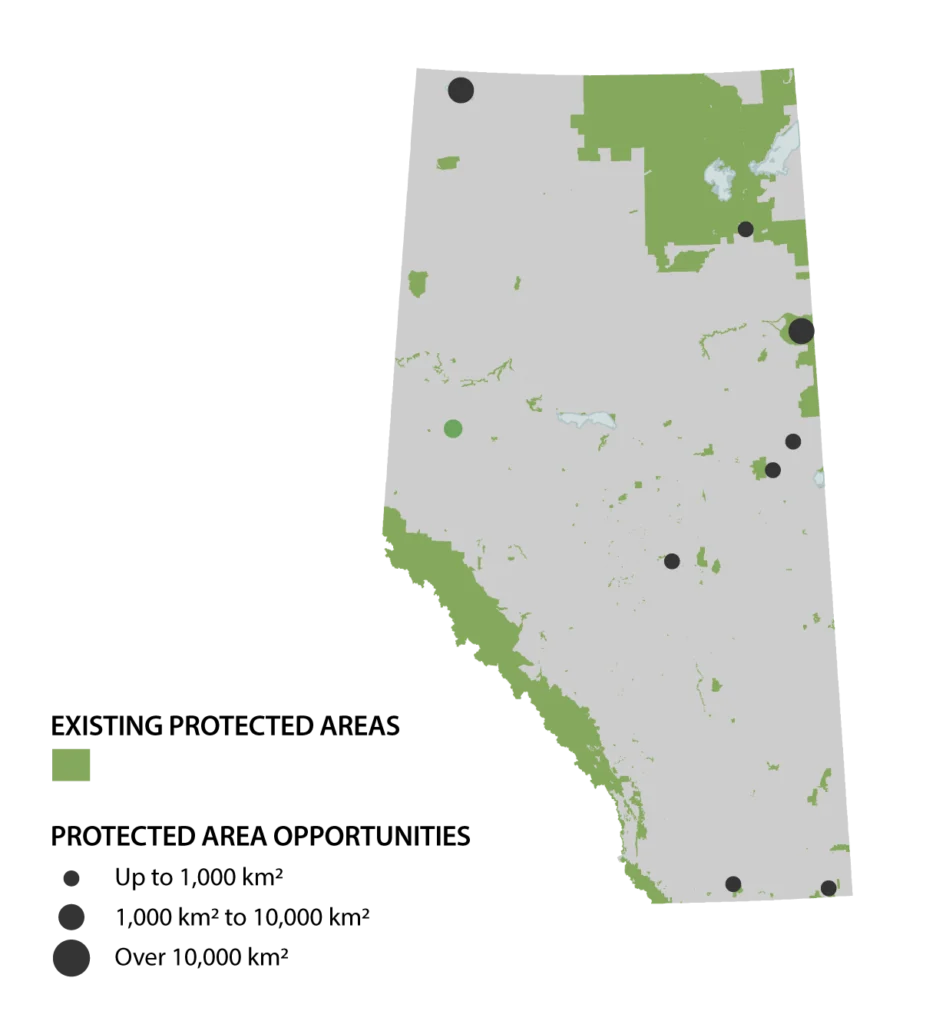
Removed protection from 12 areas.
Policy changes allow more industrial activity in parks.
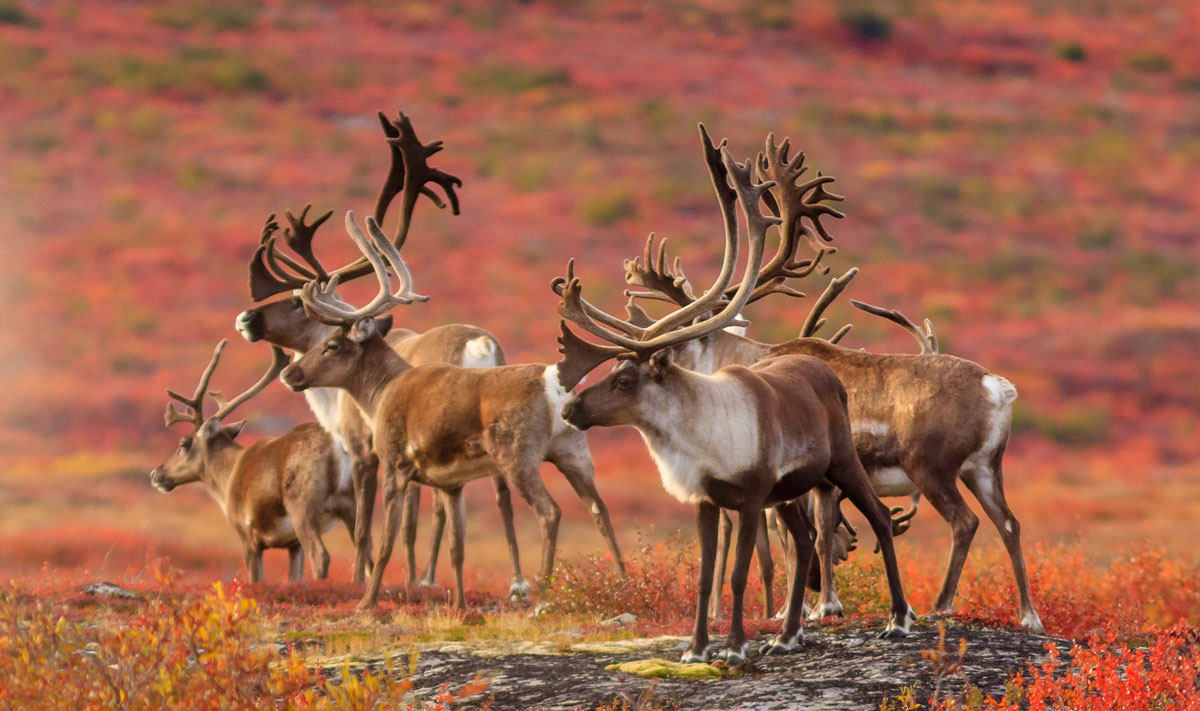
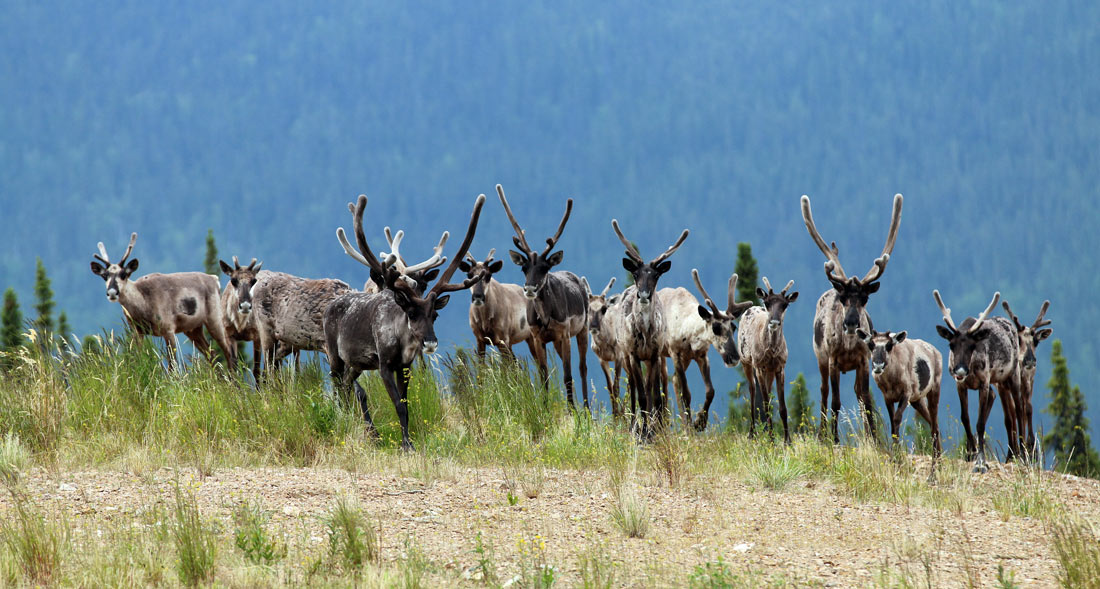
Weak caribou recovery efforts.
New law permits resort developments in protected areas.
Repeal the All-Season Resorts Act:
Protect Alberta’s Parks and Public Lands
Last December, the Government of Alberta passed Bill 35, turning the All-Season Resorts Act (ASRA) into legislation and exposing our parks to delisting and our public land to privatization. This was profoundly undemocratic and unethical, and we did not agree to it. Alberta’s parks, protected areas, and public lands belong to ALL of us. Full stop. We will not stand idly by while the ASRA strips us of the beloved places that belong to all of us — let’s take action, together.
Public support for conservation reflected in parks engagement.
Lowlights
Removed protection from 12 areas.
Policy changes allow more industrial activity in parks.
Weak caribou recovery efforts.
New law permits resort developments in protected areas.
Repeal the All-Season Resorts Act:
Protect Alberta’s Parks and Public Lands
Last December, the Government of Alberta passed Bill 35, turning the All-Season Resorts Act (ASRA) into legislation and exposing our parks to delisting and our public land to privatization. This was profoundly undemocratic and unethical, and we did not agree to it. Alberta’s parks, protected areas, and public lands belong to ALL of us. Full stop. We will not stand idly by while the ASRA strips us of the beloved places that belong to all of us — let’s take action, together.
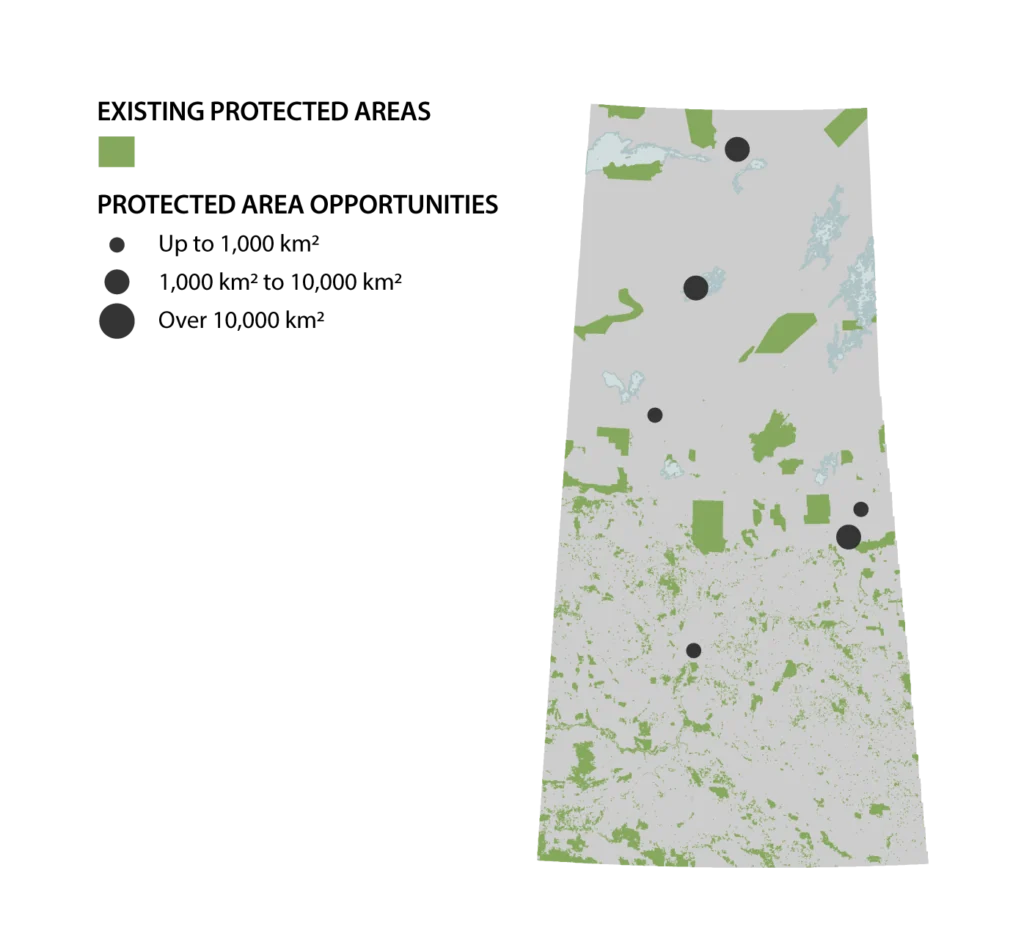
Indigenous-led conservation continues to grow. The Government of Saskatchewan still needs to do much more to support this work.
Lowlights
Slow progress in protecting critical habitats.
The Government of Saskatchewan has shown reluctance to fully embrace the potential of indigenous-led conservation.
Caribou habitat remains unprotected.
Ongoing loss of native grasslands.
Take Action to Protect Saskatchewan’s Nature!
CPAWS is continually striving to establish protected areas on land and in the ocean, improve management of existing protected areas, and make progress on tackling climate change and protecting species at risk.
Indigenous-led conservation continues to grow. The Government of Saskatchewan still needs to do much more to support this work.
Lowlights
Slow progress in protecting critical habitats.
The Government of Saskatchewan has shown reluctance to fully embrace the potential of indigenous-led conservation.
Caribou habitat remains unprotected.
Ongoing loss of native grasslands.
Take Action to Protect Saskatchewan’s Nature!
CPAWS is continually striving to establish protected areas on land and in the ocean, improve management of existing protected areas, and make progress on tackling climate change and protecting species at risk.
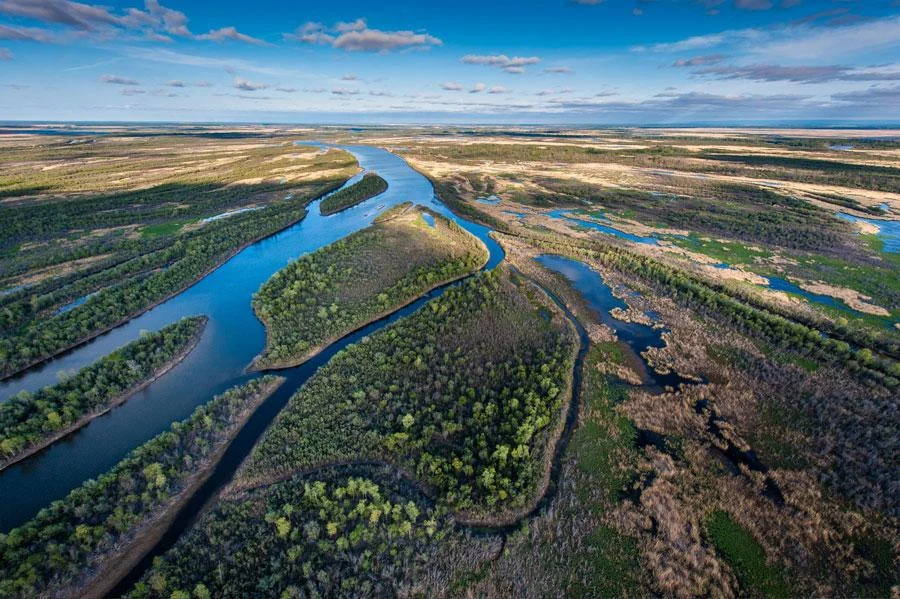
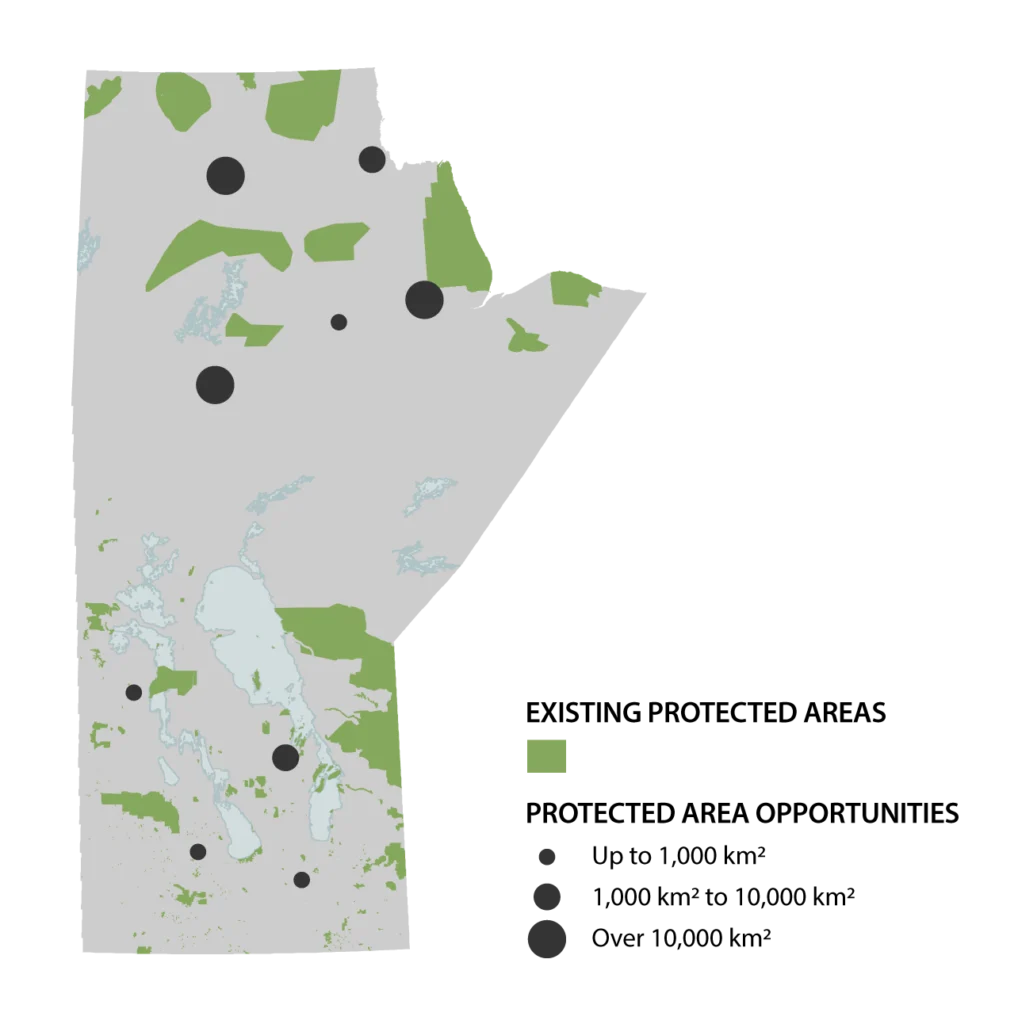
CPAWS is supporting the Seal River Watershed Alliance to establish a 42,808 km² Indigenous Protected Area. The Feasibility study is complete and the Alliance is currently in negotiations with the governments of Canada and Manitoba.
Lowlights
Conservation ignored in 2024 provincial budget.
Take Action to Protect Manitoba’s Nature!
CPAWS is continually striving to establish protected areas on land and in the ocean, improve management of existing protected areas, and make progress on tackling climate change and protecting species at risk.
CPAWS is supporting the Seal River Watershed Alliance to establish a 42,808 km² Indigenous Protected Area. The Feasibility study is complete and the Alliance is currently in negotiations with the governments of Canada and Manitoba.
Lowlights
Conservation ignored in 2024 provincial budget.
Take Action to Protect Manitoba’s Nature!
CPAWS is continually striving to establish protected areas on land and in the ocean, improve management of existing protected areas, and make progress on tackling climate change and protecting species at risk.
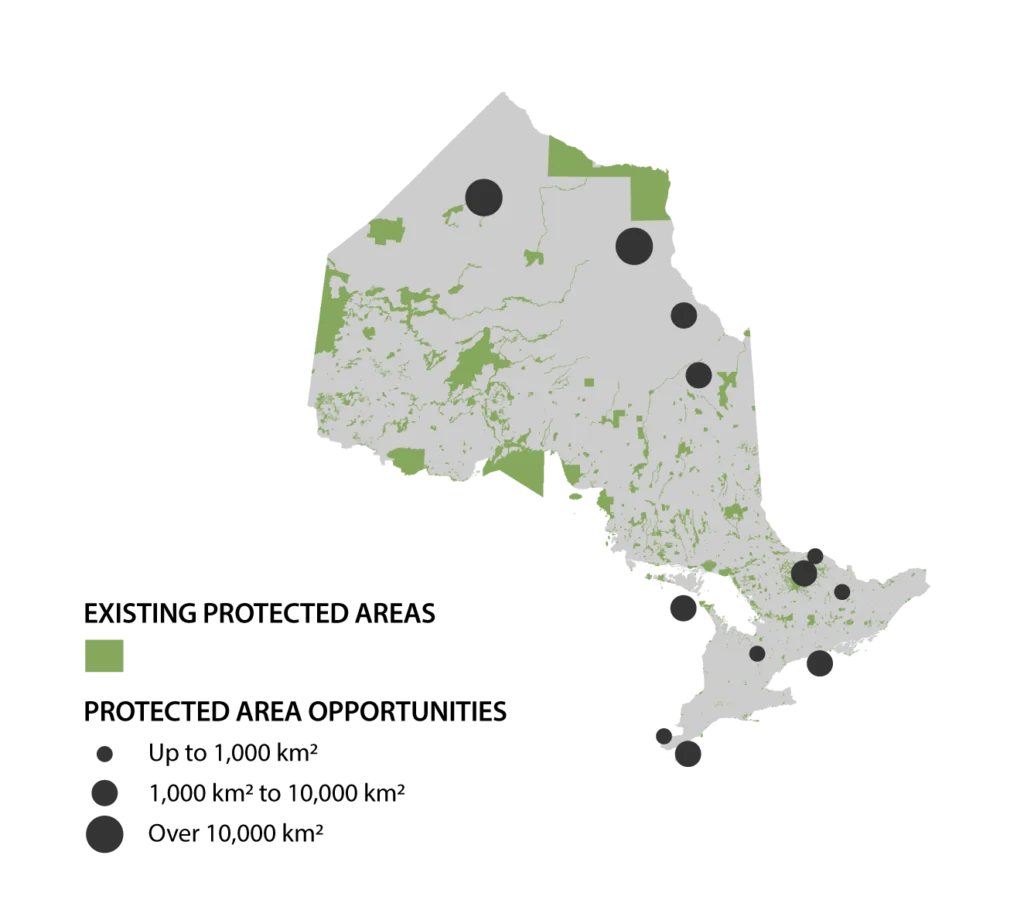
As Trump threatens us, Ford’s response is to grab Trump-like powers by proposing a new omnibus bill that if passed would gut protections for vulnerable wildlife, fast track mining and development projects, trample Indigenous rights, silence local voices and create law-free zones for trusted proponents or areas as designated by cabinet.
As Trump threatens us, Ford’s response is to grab Trump-like powers by proposing a new omnibus bill that if passed would gut protections for vulnerable wildlife, fast track mining and development projects, trample Indigenous rights, silence local voices and create law-free zones for trusted proponents or areas as designated by cabinet.
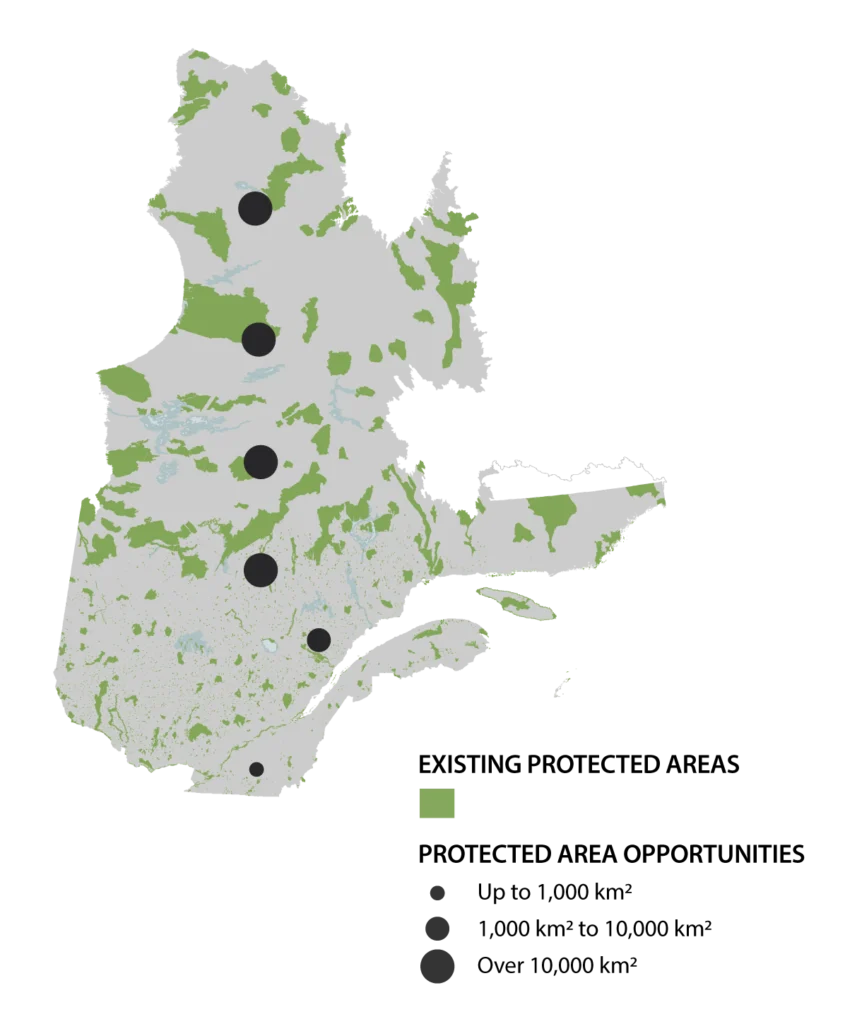
2030 Nature Plan launched, with Indigenous-led conservation included.
New conservation tools introduced to protect land.
Lowlights
Indigenous Protected Areas remain unrecognized.
Conflicts between environmental and industrial priorities persist.
Take Action to Protect Quebec’s Nature!
CPAWS is continually striving to establish protected areas on land and in the ocean, improve management of existing protected areas, and make progress on tackling climate change and protecting species at risk.
2030 Nature Plan launched, with Indigenous-led conservation included.
New conservation tools introduced to protect land.
Lowlights
Indigenous Protected Areas remain unrecognized.
Conflicts between environmental and industrial priorities persist.
Take Action to Protect Quebec’s Nature!
CPAWS is continually striving to establish protected areas on land and in the ocean, improve management of existing protected areas, and make progress on tackling climate change and protecting species at risk.
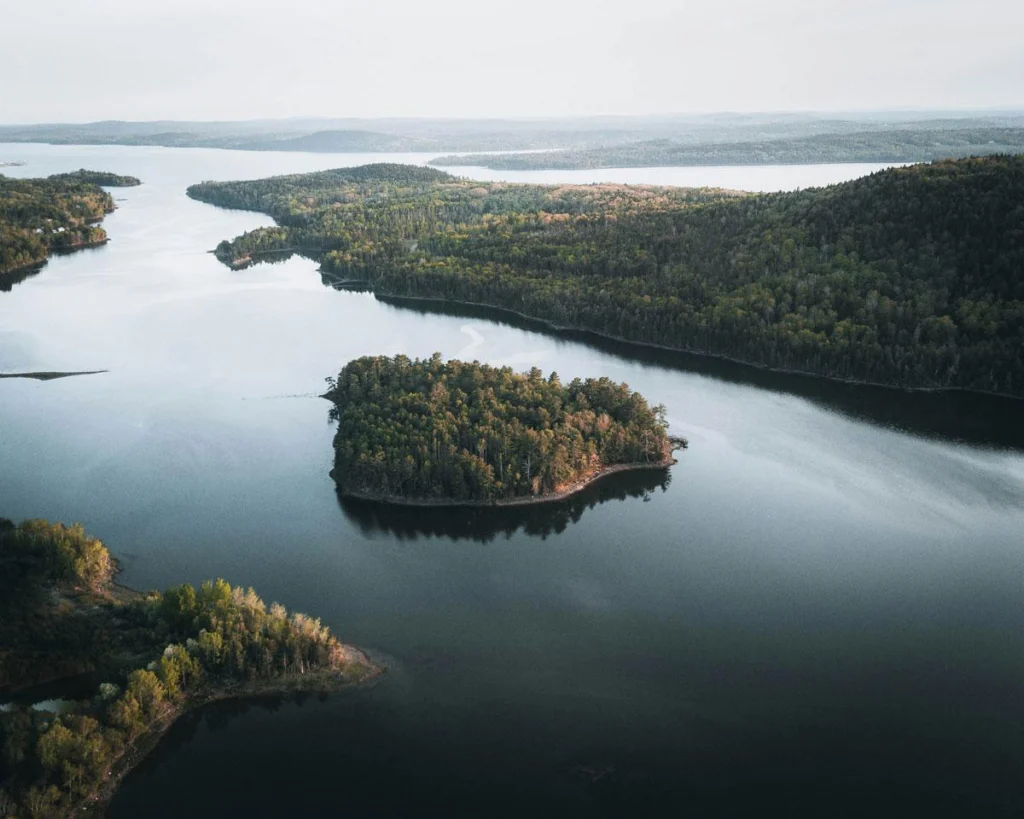
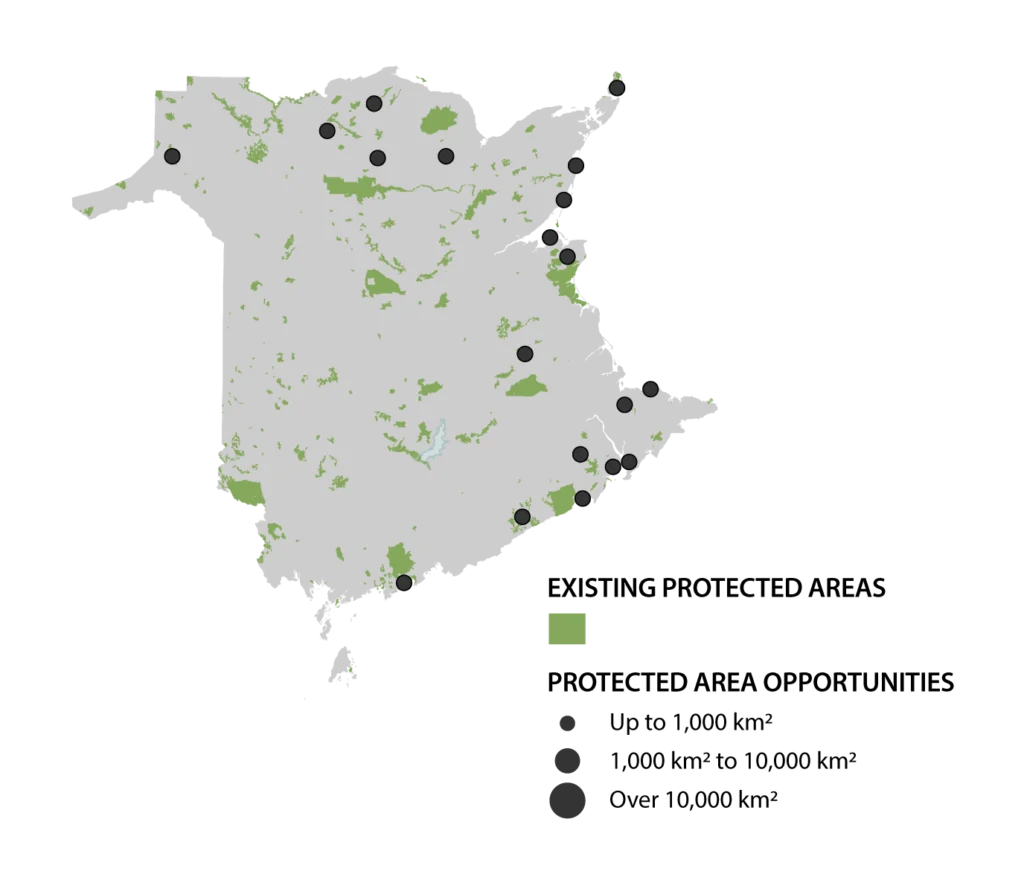
Committed to reaching 15% protection and planning for 30%.
Lowlights
Poor collaboration with Indigenous Nations on conservation efforts.
Take Action to Protect New Brunswick’s Nature!
Every voice counts to help protect our environment. Whether it’s speaking out online, donating to support our mission, or volunteering your time to support our campaigns, your support is essential!
Committed to reaching 15% protection and planning for 30%.
Lowlights
Poor collaboration with Indigenous Nations on conservation efforts.
Take Action to Protect New Brunswick’s Nature!
Every voice counts to help protect our environment. Whether it’s speaking out online, donating to support our mission, or volunteering your time to support our campaigns, your support is essential!
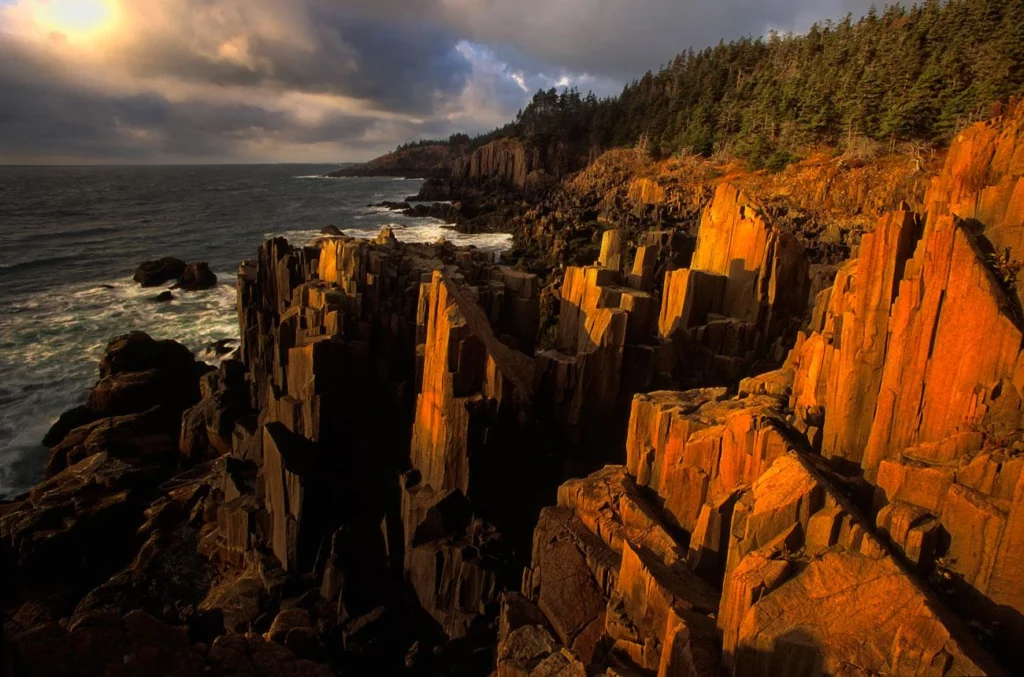
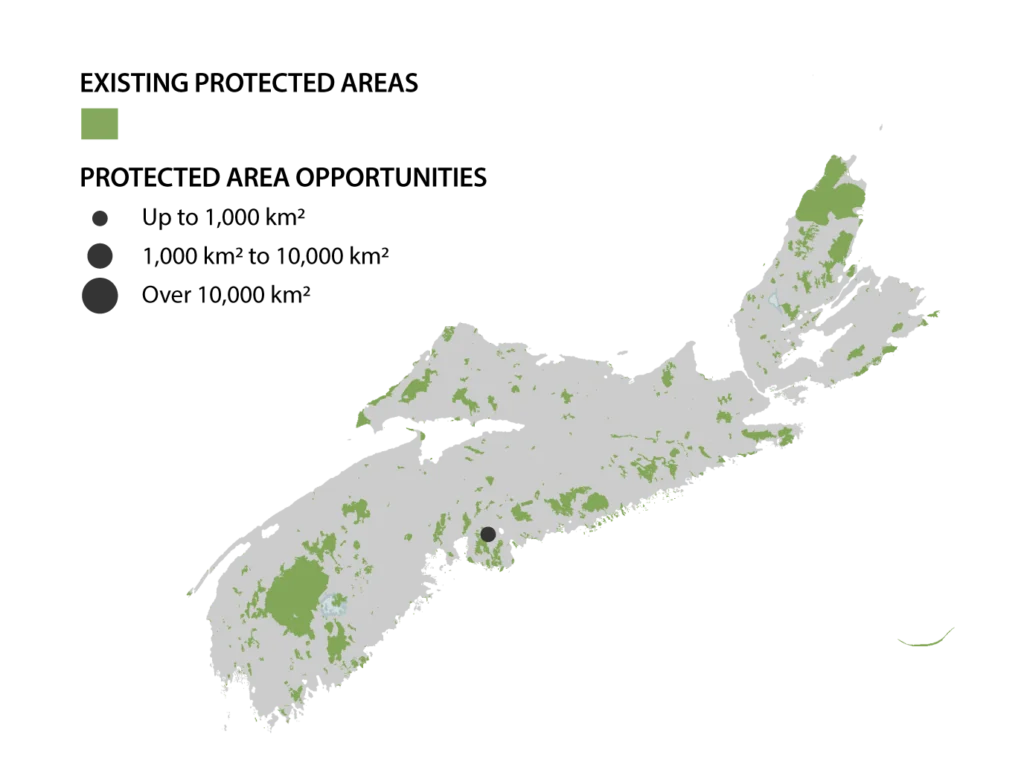
Canada-Nova Scotia Nature Agreement signed for $28.5 million in conservation funding.
Lowlights
Over 100 promised protected areas still waiting for designation.
Take Action to Protect Nova Scotia’s Nature!
CPAWS is continually striving to establish protected areas on land and in the ocean, improve management of existing protected areas, and make progress on tackling climate change and protecting species at risk.
Canada-Nova Scotia Nature Agreement signed for $28.5 million in conservation funding.
Lowlights
Over 100 promised protected areas still waiting for designation.
Take Action to Protect Nova Scotia’s Nature!
CPAWS is continually striving to establish protected areas on land and in the ocean, improve management of existing protected areas, and make progress on tackling climate change and protecting species at risk.
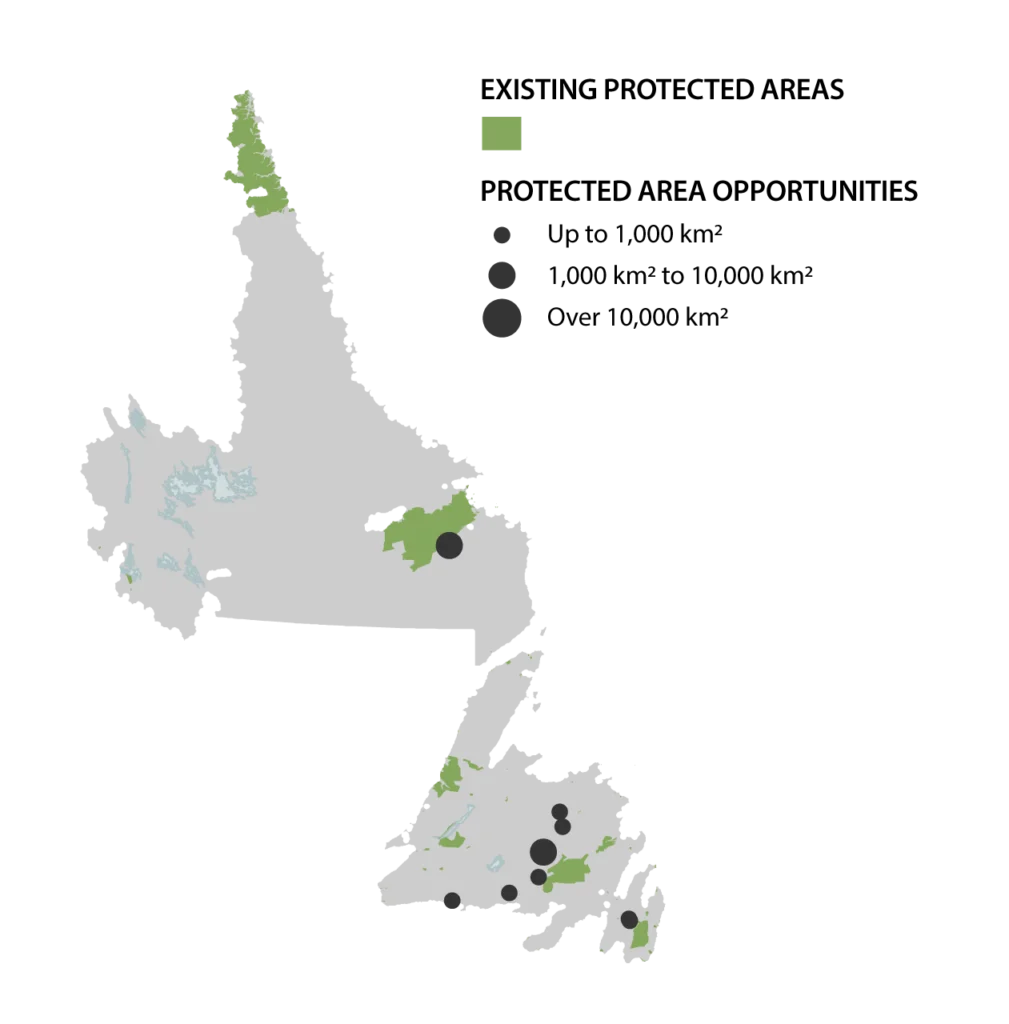
Efforts to designate Little River as an Indigenous conservation area.
Lowlights
Slow progress on new protected areas.
Government prioritizes development over conservation.
Take Action to Protect Newfoundland and Labrador’s Nature!
CPAWS is continually striving to establish protected areas on land and in the ocean, improve management of existing protected areas, and make progress on tackling climate change and protecting species at risk.
Efforts to designate Little River as an Indigenous conservation area.
Lowlights
Slow progress on new protected areas.
Government prioritizes development over conservation.
Take Action to Protect Newfoundland and Labrador’s Nature!
CPAWS is continually striving to establish protected areas on land and in the ocean, improve management of existing protected areas, and make progress on tackling climate change and protecting species at risk.
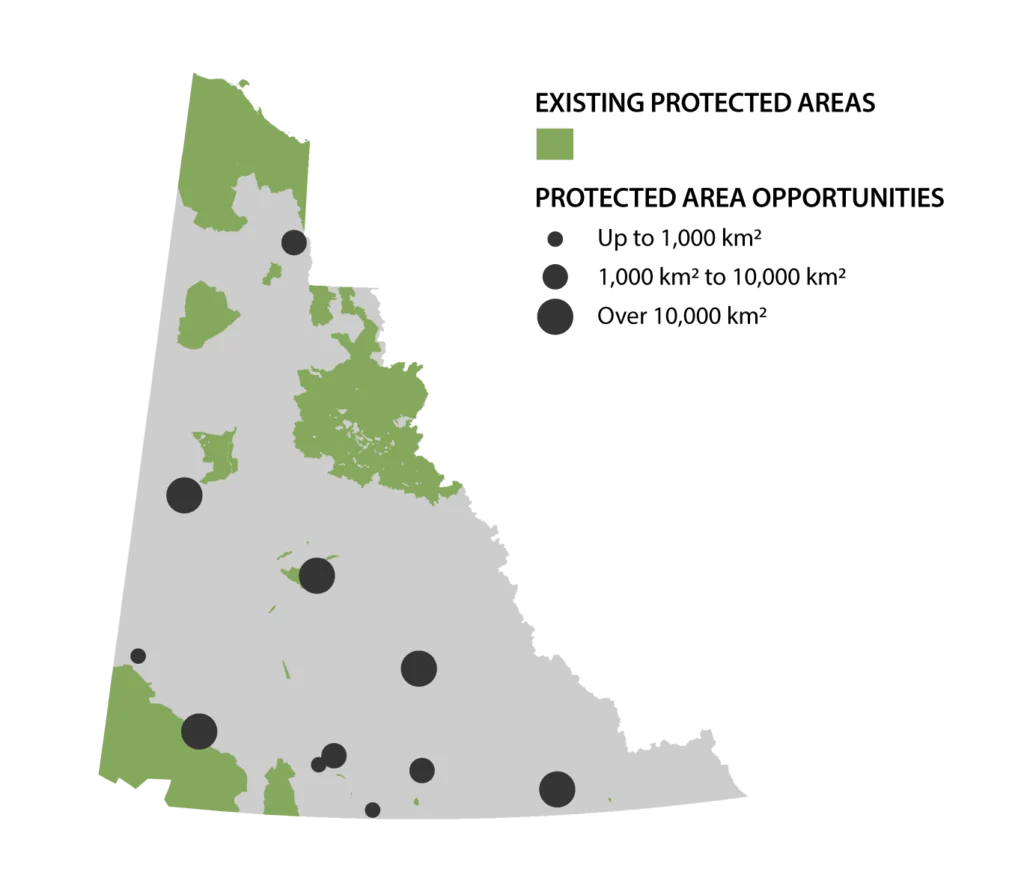
Ross River Dena Council proposed a 35,000 km² Indigenous Protected and Conserved Area (IPCA).
Planning for a co-managed 3,000 km² national park in Peel Watershed.
Progress on Chasàn Chùa and Aullaviat/Anguniarvik conservation areas.
Lowlights
Government approved the Kudz Ze Kayah mine despite opposition from First Nations.
Yukon government challenging the Peel Watershed Plan in court.
Take Action to Protect Yukon’s Nature!
CPAWS is continually striving to establish protected areas on land and in the ocean, improve management of existing protected areas, and make progress on tackling climate change and protecting species at risk.
Ross River Dena Council proposed a 35,000 km² Indigenous Protected and Conserved Area (IPCA).
Planning for a co-managed 3,000 km² national park in Peel Watershed.
Progress on Chasàn Chùa and Aullaviat/Anguniarvik conservation areas.
Lowlights
Government approved the Kudz Ze Kayah mine despite opposition from First Nations.
Yukon government challenging the Peel Watershed Plan in court.
Take Action to Protect Yukon’s Nature!
CPAWS is continually striving to establish protected areas on land and in the ocean, improve management of existing protected areas, and make progress on tackling climate change and protecting species at risk.
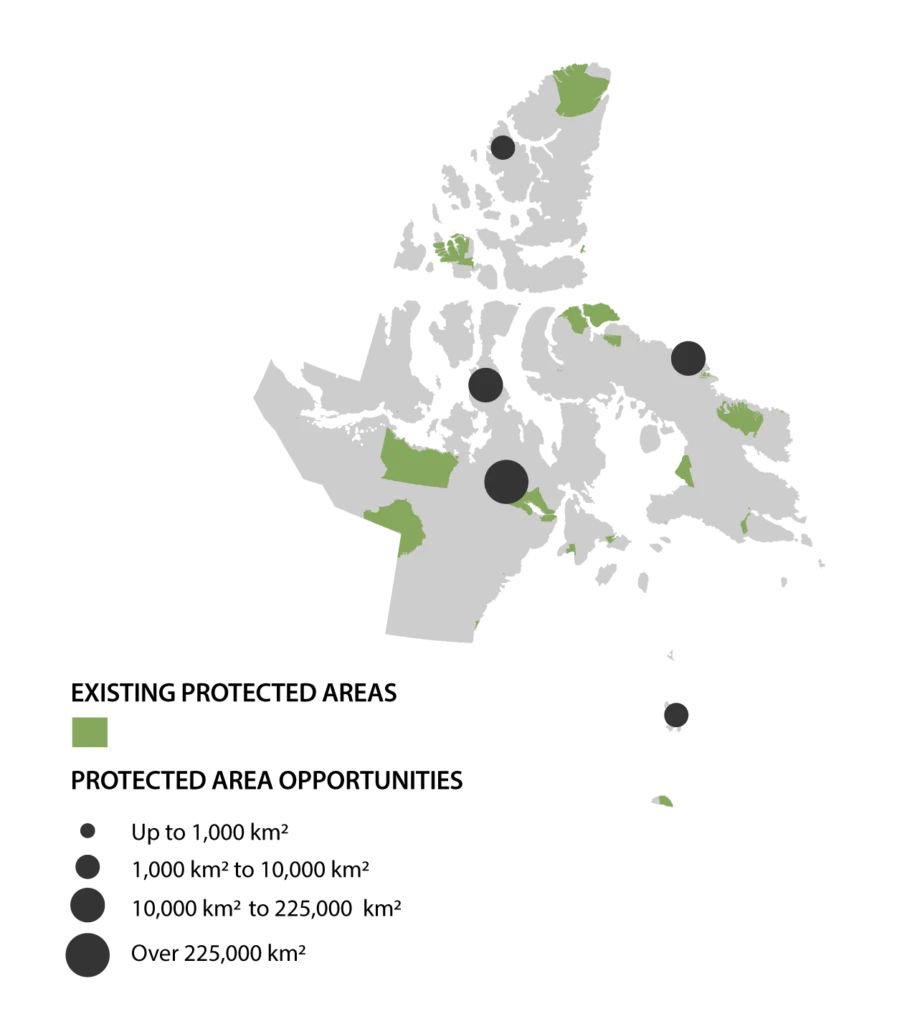
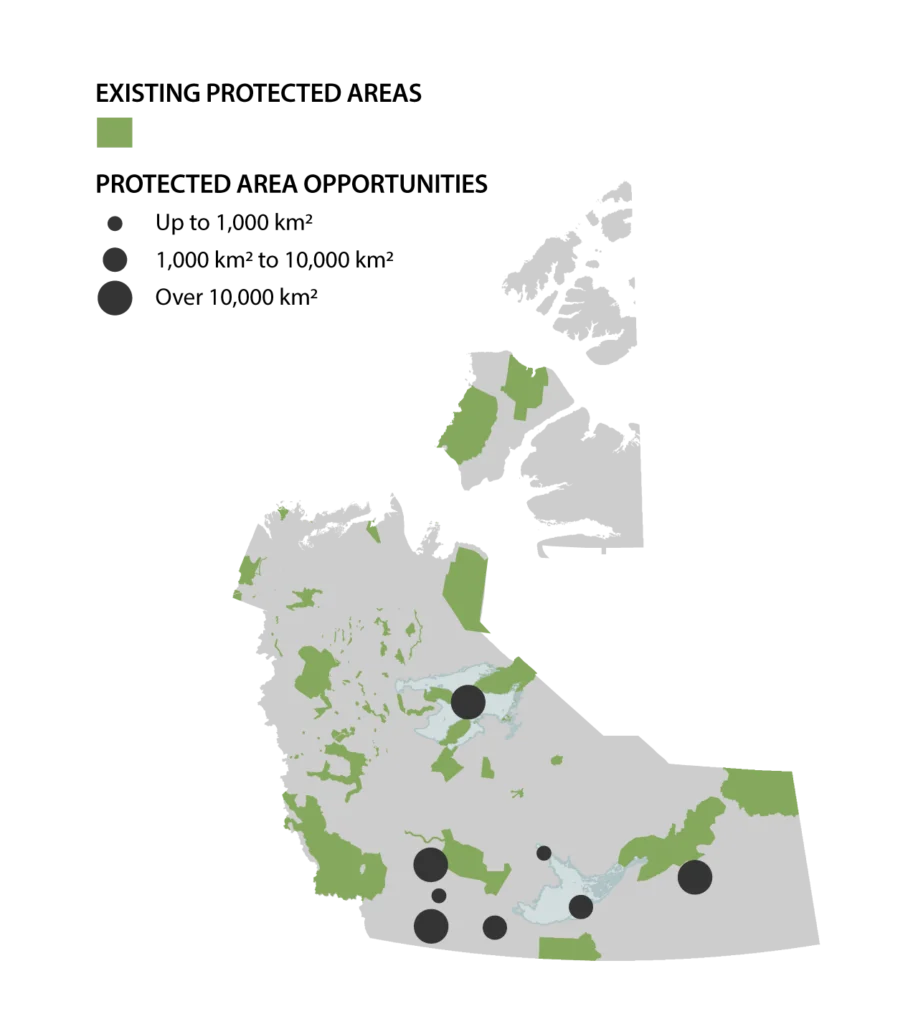
180,000 km² Indigenous-led conservation initiative launched.
Indigenous and federal partners planning new conservation areas.
Progress on Slave River Delta IPCA and Dehcho Land Use Plan.
Lowlights
Nothing to mention.
Take Action to Protect Northwest Territories’ Nature!
CPAWS is continually striving to establish protected areas on land and in the ocean, improve management of existing protected areas, and make progress on tackling climate change and protecting species at risk.
180,000 km² Indigenous-led conservation initiative launched.
Indigenous and federal partners planning new conservation areas.
Progress on Slave River Delta IPCA and Dehcho Land Use Plan.
Lowlights
Nothing to mention.
Take Action to Protect Northwest Territories’ Nature!
CPAWS is continually striving to establish protected areas on land and in the ocean, improve management of existing protected areas, and make progress on tackling climate change and protecting species at risk.
Enhanced Nature Legacy (2021-2025): Canada invested $2.3 billion over five years to protect 30% of land and ocean by 2030.
Kunming-Montreal Global Biodiversity Framework (2022): Canada signed onto the global agreement to halt and reverse biodiversity loss.
Ecological Corridors (2022): Parks Canada launched a national program to connect key habitats.
New National Parks (2024): Pituamkek (Hog Island Sandhills), P.E.I., designated as Canada’s 48th National Park.
Seal River Watershed (2024): A memorandum of understanding between the Seal River Watershed Alliance and the Governments of Manitoba and Canada, was signed to explore an Indigenous Protected and Conserved Area (IPCA) and a National Park Reserve.
Canada’s 2030 Nature Strategy (2024): A national plan was released to meet biodiversity targets agreed to in the GBF.
Canada’s Nature Accountability Bill (2024): A proposed bill would legally enforce conservation commitments across Canada.
Caribou Protection (2024): Federal intervention to protect Boreal Caribou in Quebec.
Lowlights
Lack of Long-Term Funding (2024): No sustained funding for managing protected areas.
No Committed Funding for Parks (2024): Canada’s plan for new parks lacks financial backing.
Take Action to Protect Canada’s Nature!
CPAWS is continually striving to establish protected areas on land and in the ocean, improve management of existing protected areas, and make progress on tackling climate change and protecting species at risk.
Enhanced Nature Legacy (2021-2025): Canada invested $2.3 billion over five years to protect 30% of land and ocean by 2030.
Kunming-Montreal Global Biodiversity Framework (2022): Canada signed onto the global agreement to halt and reverse biodiversity loss.
Ecological Corridors (2022): Parks Canada launched a national program to connect key habitats.
New National Parks (2024): Pituamkek (Hog Island Sandhills), P.E.I., designated as Canada’s 48th National Park.
Seal River Watershed (2024): A memorandum of understanding between the Seal River Watershed Alliance and the Governments of Manitoba and Canada, was signed to explore an Indigenous Protected and Conserved Area (IPCA) and a National Park Reserve.
Canada’s 2030 Nature Strategy (2024): A national plan was released to meet biodiversity targets agreed to in the GBF.
Canada’s Nature Accountability Bill (2024): A proposed bill would legally enforce conservation commitments across Canada.
Caribou Protection (2024): Federal intervention to protect Boreal Caribou in Quebec.
Lowlights
Lack of Long-Term Funding (2024): No sustained funding for managing protected areas.
No Committed Funding for Parks (2024): Canada’s plan for new parks lacks financial backing.
Take Action to Protect Canada’s Nature!
CPAWS is continually striving to establish protected areas on land and in the ocean, improve management of existing protected areas, and make progress on tackling climate change and protecting species at risk.
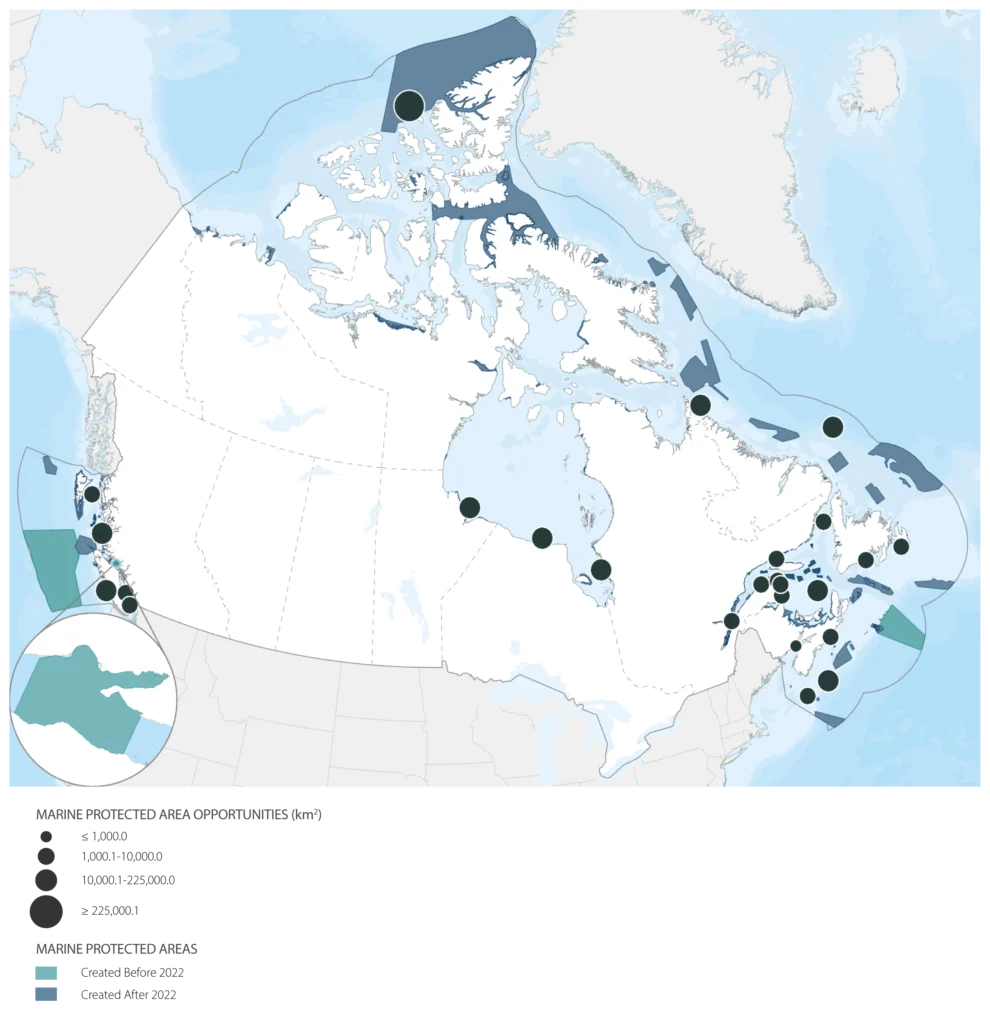
Marine Other Effective Conservation Measures (OECM) Guidance (2022): Clear criteria set for marine OECMs.
IMPAC5 Conference (2023): Canada hosted a major international ocean protection conference. Fun fact: CPAWS acted as co-host!
Marine Protected Areas Standards (2023): Canada drafts standards to prohibit harmful human activities in new marine protected areas.
Expanding Marine Protection (2023): 17 new areas identified to meet conservation targets.
National Marine Conservation Areas Policy (2023): New policy emphasizes biodiversity conservation.
Lowlights
No Renewed Funding for Marine Spatial Planning (2024): Lack of continued investment slows progress.
Take Action to Protect Canada’s Nature!
CPAWS is continually striving to establish protected areas on land and in the ocean, improve management of existing protected areas, and make progress on tackling climate change and protecting species at risk.
Marine Other Effective Conservation Measures (OECM) Guidance (2022): Clear criteria set for marine OECMs.
IMPAC5 Conference (2023): Canada hosted a major international ocean protection conference. Fun fact: CPAWS acted as co-host!
Marine Protected Areas Standards (2023): Canada drafts standards to prohibit harmful human activities in new marine protected areas.
Expanding Marine Protection (2023): 17 new areas identified to meet conservation targets.
National Marine Conservation Areas Policy (2023): New policy emphasizes biodiversity conservation.
Lowlights
No Renewed Funding for Marine Spatial Planning (2024): Lack of continued investment slows progress.
Take Action to Protect Canada’s Nature!
CPAWS is continually striving to establish protected areas on land and in the ocean, improve management of existing protected areas, and make progress on tackling climate change and protecting species at risk.
Holding governments accountable to their conservation promises
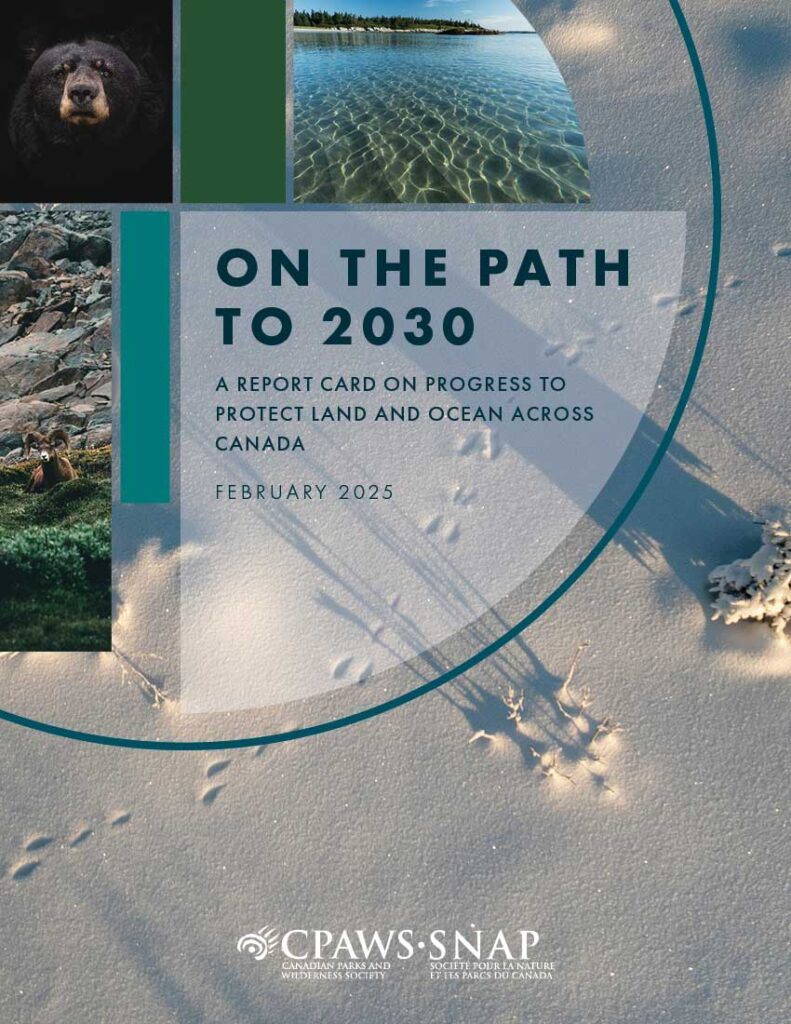
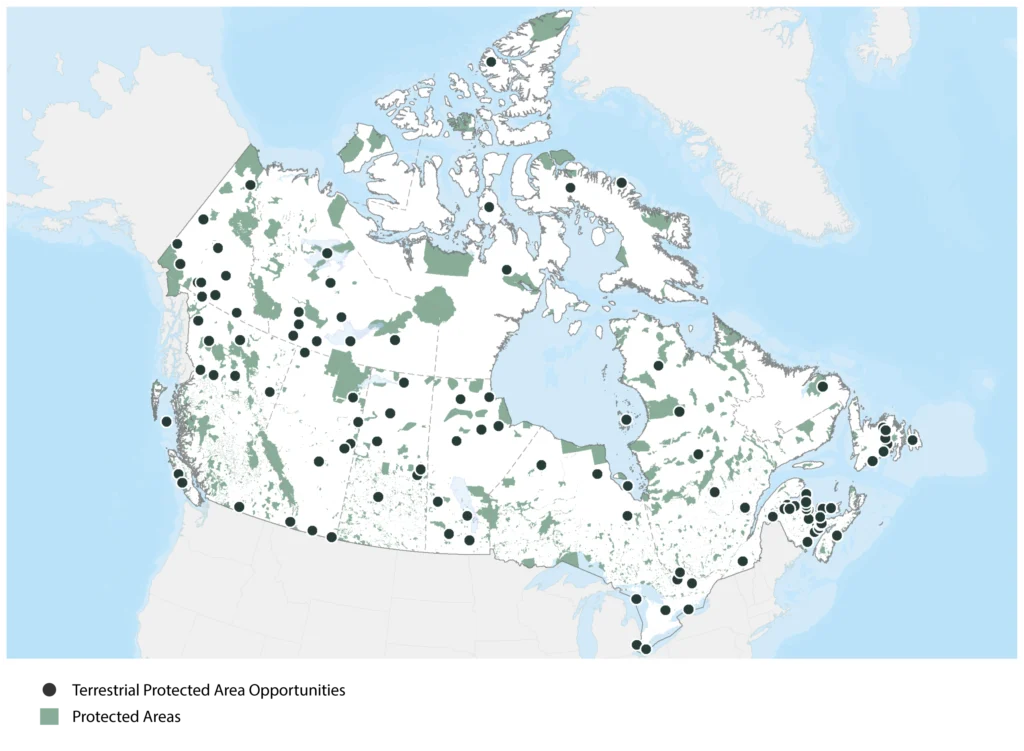
Our report cards are in: Only 13.7% of land and 15.5% of oceans in Canada are shielded from harmful industrial activity. This isn’t enough for nature to survive long-term.
“I like to think of my monthly donation as my subscription to nature. By supporting CPAWS, I feel I'm contributing to the broader public support needed for investments in nature.”
Sign up to our newsletter and never miss an opportunity to take action
We use cookies and other similar technologies such as pixels and web beacons (“Cookies”) for various purposes, such as to ensure our website functions properly, enhance your browsing experience by remembering your preferences and provide personalized content and advertisements. You can manage your preferences by clicking on “View preferences”.
Functional
Always active
The technical storage or access is strictly necessary for the legitimate purpose of enabling the use of a specific service explicitly requested by the subscriber or user, or for the sole purpose of carrying out the transmission of a communication over an electronic communications network.
Preferences
The technical storage or access is necessary for the legitimate purpose of storing preferences that are not requested by the subscriber or user.
Statistics
These Cookies collect and report aggregate data to help us understand visitor interactions with our website, including the most visited pages, user navigation patterns, and any errors encountered.These Cookies collect and report aggregate data to help us understand visitor interactions with our website, including the most visited pages, user navigation patterns, and any errors encountered.
Advertisement
These Cookies monitor users' online activity to create consumer profiles and deliver targeted ads based on preferences.








 Government and Policy
 Caribou, Wildlife
 Coasts and Ocean, Government and Policy, Indigenous-led Conservation
 Coasts and Ocean, Government and Policy
 Economy, Government and Policy
 Economy, Government and Policy
 Economy, Government and Policy
 Coasts and Ocean, Government and Policy, Indigenous-led Conservation