
Wildlife
Photo: American white pelicans on Last Mountain Lake, Saskatchewan, by Kelly.
Canada’s astonishing wildlife, from baby puffins in Newfoundland to majestic caribou in the Yukon, are in peril.
In order to guarantee their survival and a livable world for us all, we must speak up now for nature.
Definitions
All the different living things in an area, including genes, animals, plants, ecological processes, and ecosystems. Their survival on all scales is essential to our existence.
Plants, animals and other living things that may disappear due to circumstances such as pollution, loss of habitat and climate change. Learn more about species at risk.
Legally defined areas that seek to achieve long-term nature conservation, environmental benefits and cultural values. Governments are responsible for creating and managing these areas.
Living beings; often animals (fauna), but can also include plants (flora) that have evolved in their native range and have not been domesticated or introduced. They play a key role in maintaining the ecological balance of the planet.
We advocate for stronger protections over land and ocean habitats.
Protective measures are our best tactic to save species at risk from harmful developments, industrial activities and climate change. And when the environment has long-term protections in place, we can keep accessing nature for the activities and industries we depend on.
Protected areas help wildlife by:
- Securing habitats that are expansive and intact enough for animals to live freely, away from industrial activity
- Providing safe spaces for wildlife recovery after extreme weather like forest fires and floods
- Preserving Indigenous cultural practices and knowledge related to wildlife and their habitats
- Protecting species at risk from threats like overfishing and resource over-extraction, while ensuring sustainable hunting and fishing can continue
- Acting as natural, long-term carbon sinks that can reduce worsening climate change
- Upholding the delicate, essential balance of food webs that help plants and animals survive
What’s happening to Canadian wildlife and their habitats
Too many forms of wildlife in Canada are caught in a fight for survival. From lichens to orcas, the plants and animals we know and love face an uphill battle against habitat loss and climate change. Once free to travel throughout the continent, today’s grizzly bears and plains bison are isolated in small wild areas. Where abundant fauna once stood we now see real declines, significant in even one human lifetime.
In the past 40 years alone, half of the wildlife populations monitored in Canada have declined by as much as 80%. If we don’t act now to protect nature, we’ll permanently lose these species and their habitats. And when we lose them, our environment and our own lives change for the worse.
Canada’s iconic animals, diverse landscapes and lush plant life are all part of the fabric of this land. And many of our livelihoods are interconnected with wildlife and their natural habitats in numerous ways. Whether cultural, personal or economic, our ties to these species run deep. We need Canadians from every province and territory to stand together in the name of protecting our landscapes.
When left unchecked, harmful industrial activities pose an acute threat to wildlife numbers and the natural habitats they rely on. Activities like overfishing and mining can interrupt wildlife habitats, damage river flows, and contaminate water. Without enough regulation, they can permanently destroy nature and lead to devastating loss of habitats and species. Highways and urban sprawl, or the spreading of city developments onto rural lands, can force wildlife to survive on shrinking pockets of land and water that are often affected by nearly human activity.
Let’s make it clear: We aren’t against growing our societies and industries, and we know how essential natural resources are to Canadian economies. However, we believe these activities must take habitat protections into account to secure a livable future for us all. Protecting resources is vital to the continuing prosperity of Canada. After all, if we destroy nature in the short-term, local communities and residents who rely on it will feel the impacts first. By not regulating the use of nature now, we’re only hurting ourselves in the long run.
Current progress: Canada needs stronger habitat protections
In order to conserve Canadian wildlife, we must safeguard their land, freshwater and ocean habitats across the country. CPAWS’ reporting has revealed that only 13.8% of Canada’s land and 15.5% of oceans are currently protected. We’ve worked hard on recent gains, but they aren’t enough to reverse the mounting habitat loss facing Canadian wildlife. Join us in the call to step up wildlife and wilderness protections.
Dive deeper into how we’re helping


Several factors are making it more difficult to secure the habitat protections we need:
- Weak, inconsistent government regulations: For years, we’ve been tracking government progress in protecting nature. Unfortunately, some provinces and territories are lagging on nature protections and fulfilling national commitments. Even leaders at the regional and federal levels must step up and speed up their actions to avoid irreversible damage to nature. And once regulations are in place, they cannot rest on their laurels: Legal protections must be continuously revisited in order to keep up with evolving needs and global commitments.
- Priority being given to industry, not nature: In tough economic times, governments are often pressured to quickly prioritize the expansion of industry at all costs. They say yes to harmful industrial developments, while not renewing funding for protected areas. Through our advocacy and collaboration with industry and politicians, we make it clear that nature cannot be compromised for political whims or short-term economic gains. Instead, we focus on collaborative solutions that establish long-term security for both natural resource industries and nature protections.
- Misinformation: Some organizations and industries are sowing division, saying that wildlife conservation means sacrificing our livelihoods and access to nature. We know this isn’t true. While these narratives might be enticing to politicians, we know conservation isn’t a partisan issue—it’s a shared responsibility. Conservation is about defending everyone’s long-term access to nature by safeguarding it from damage today. And we can only succeed by working together across political lines and economic sectors. Read more in our op-ed in the National Post.
We know the intertwined losses from environmental destruction and changing climates aren’t only being felt by wildlife. These harms impact everyday Canadians whose livelihoods rely on hunting, fishing, conservation, agriculture and many other sectors. We’re committed to collaborating with Indigenous groups, industry, governments, and communities to find solutions that uplift us all. It’s the only way we can guarantee a safe and healthy planet where we can all thrive.
Canadian wildlife needs our voices.
Write a letter, donate or share our work: Every action you take is an important step towards securing a future for the plants and animals we rely on.

Tell the Government: Protect the Homes of Wildlife

There are still wild bison on the prairies—but for how long?

Stand up for Alberta’s Native Trout
Meet our Wildlife Watchlist
Wildlife of all kinds, from feathered fliers to scaly swimmers, need our help. Across Canada we advocate for at-risk species under threat from destructive human activities. At the local level, CPAWS’ regional chapters work with communities to monitor wildlife and rally for government protections. Here are some of the species we’re fighting to protect:
-
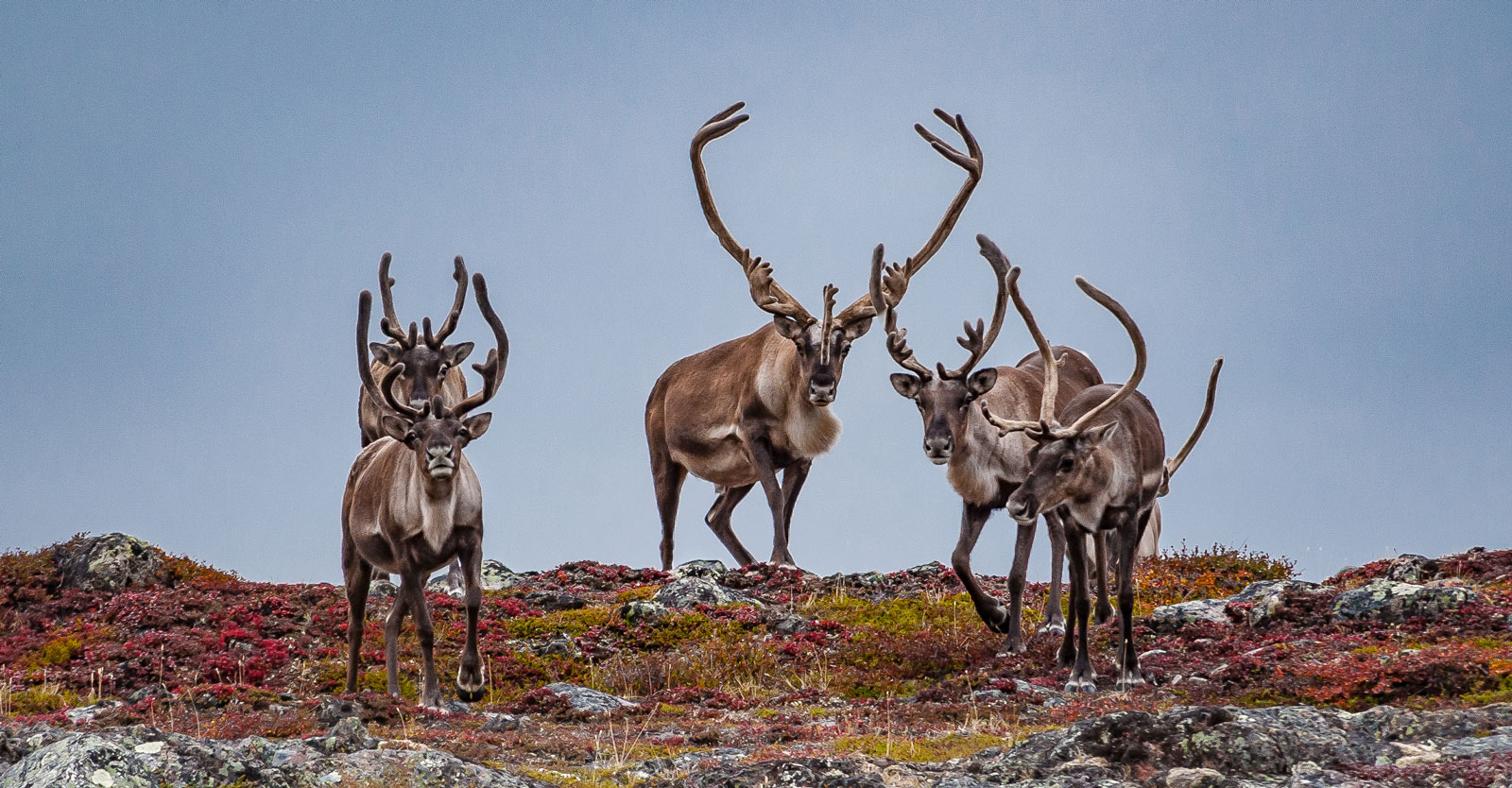 Nationwide
Caribou
For over two million years, caribou have shaped northern ecosystems. Today, caribou face growing threats from climate change, habitat loss and fragmentation. They need our protection.
-
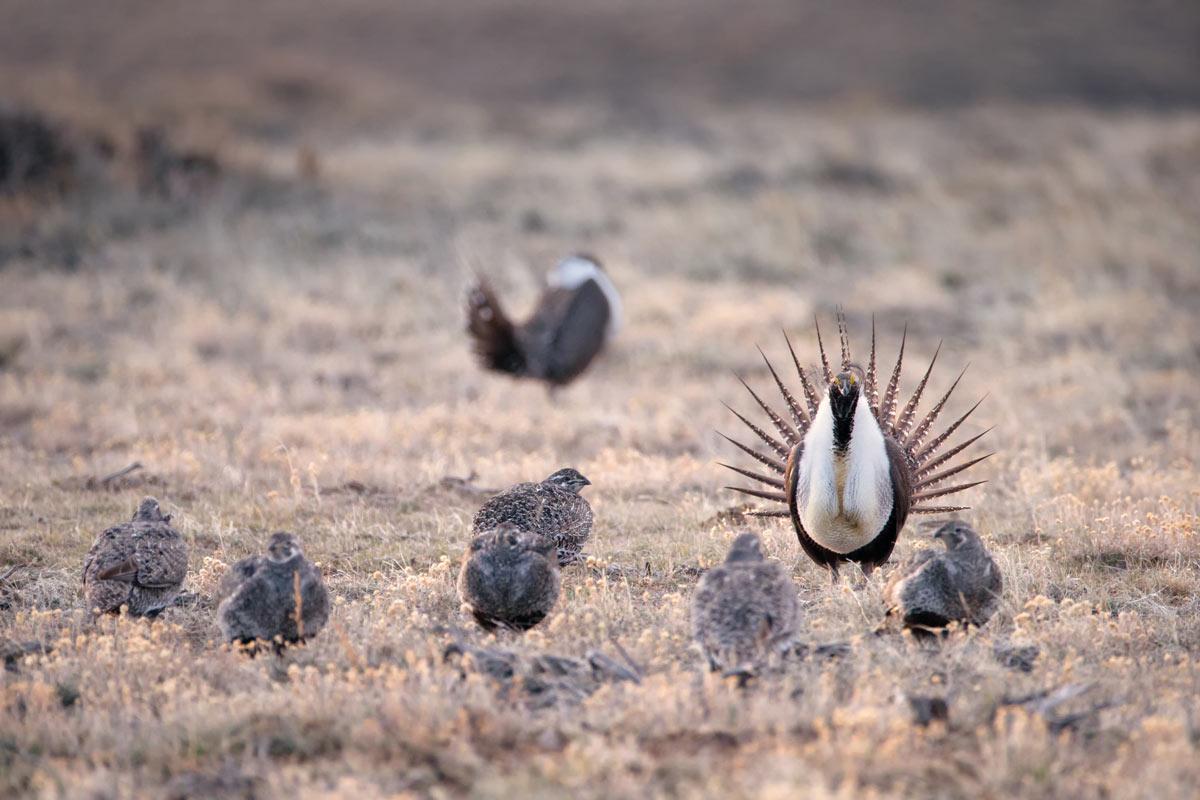 Saskatchewan
Greater Sage-Grouse
Habitat loss has made these one of Canada’s most endangered species, with only 200 remaining. Their fascinating mating dances have captured hearts worldwide. We’re monitoring their populations and encouraging further habitat protection and reintroduction programs.
-
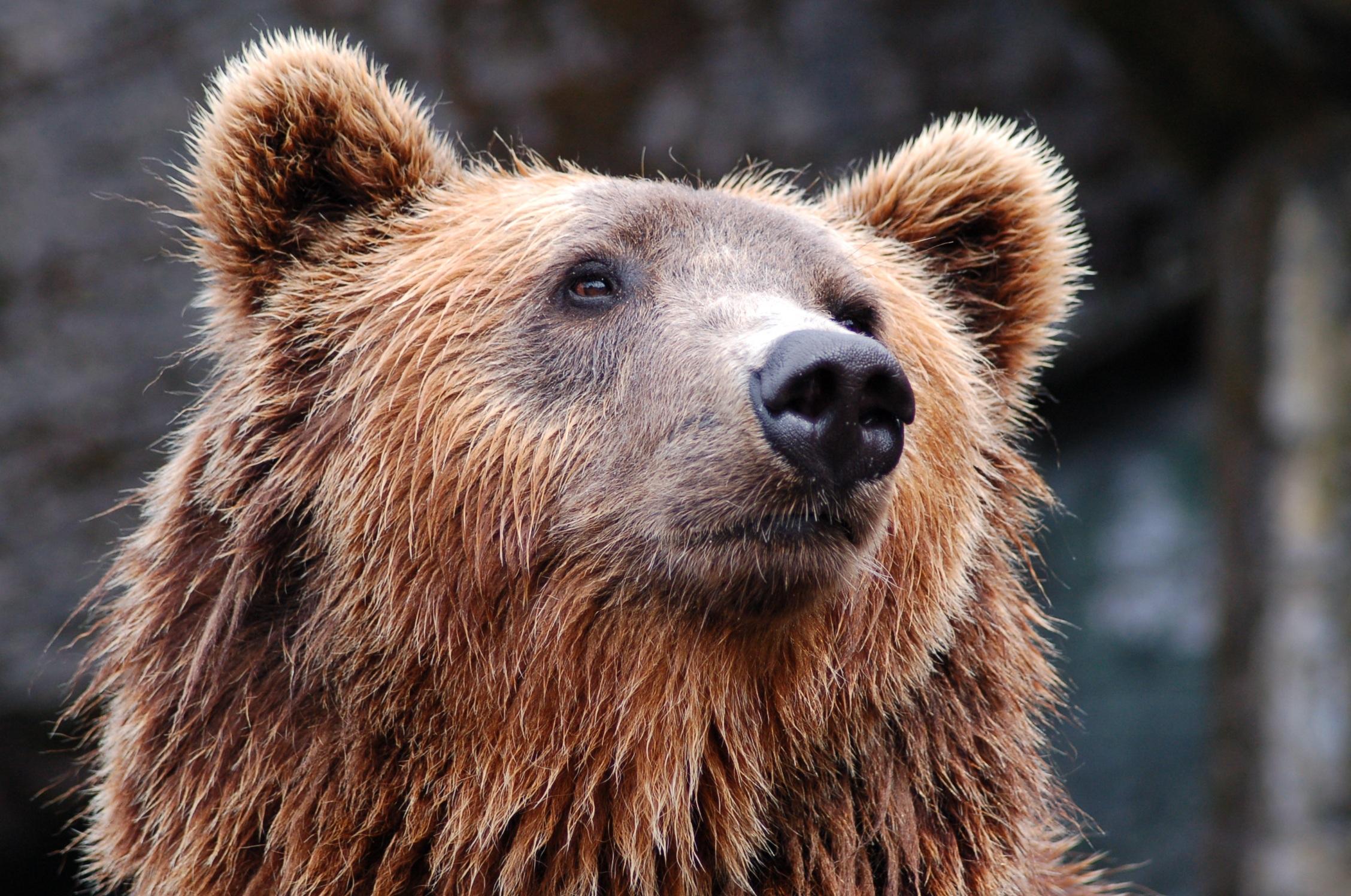 British Columbia
Grizzly Bear
Only hundreds of these iconic bears remain in BC as a result of habitat destruction. As part of the Coast to Cascades Coalition, we’re working alongside communities to restore this keystone species.
-
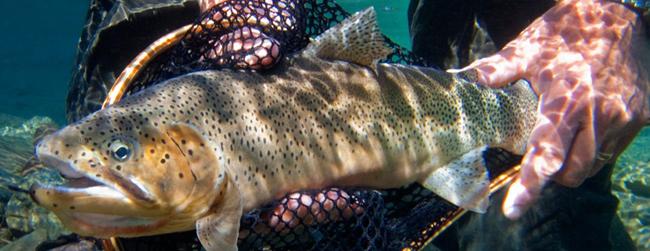 Alberta
Bull Trout & Westslope Cutthroat Trout
These often-overlooked underwater heroes are some of the most threatened species in Alberta. We’re a proud part of the Native Trout Collaborative, working to restore trout habitats and promote recovery.
-
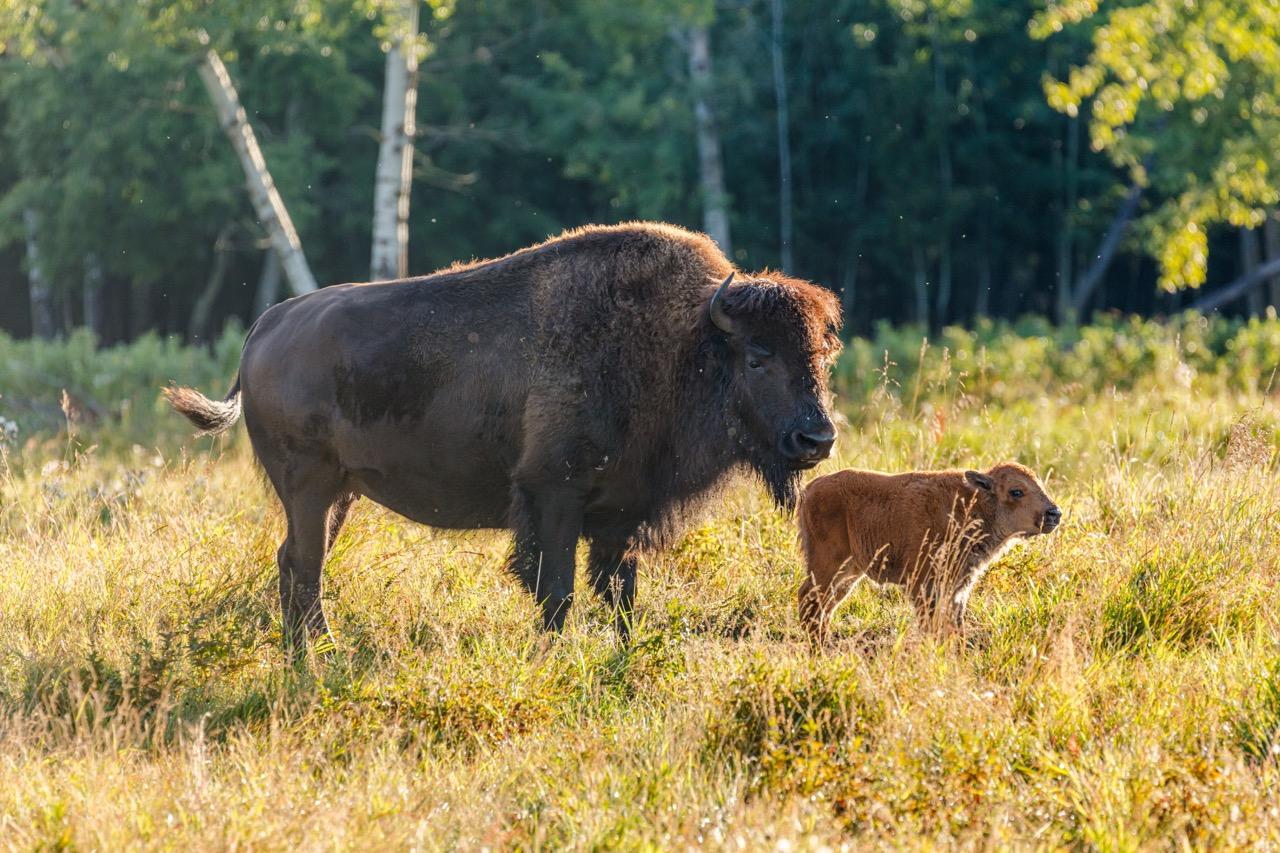 Saskatchewan
Sturgeon River Plains Bison
The last wild Saskatchewan bison herd is estimated at only 100 animals. Since 2005, we’ve helped sustainably manage these culturally important animals and advocate for their conservation.
-
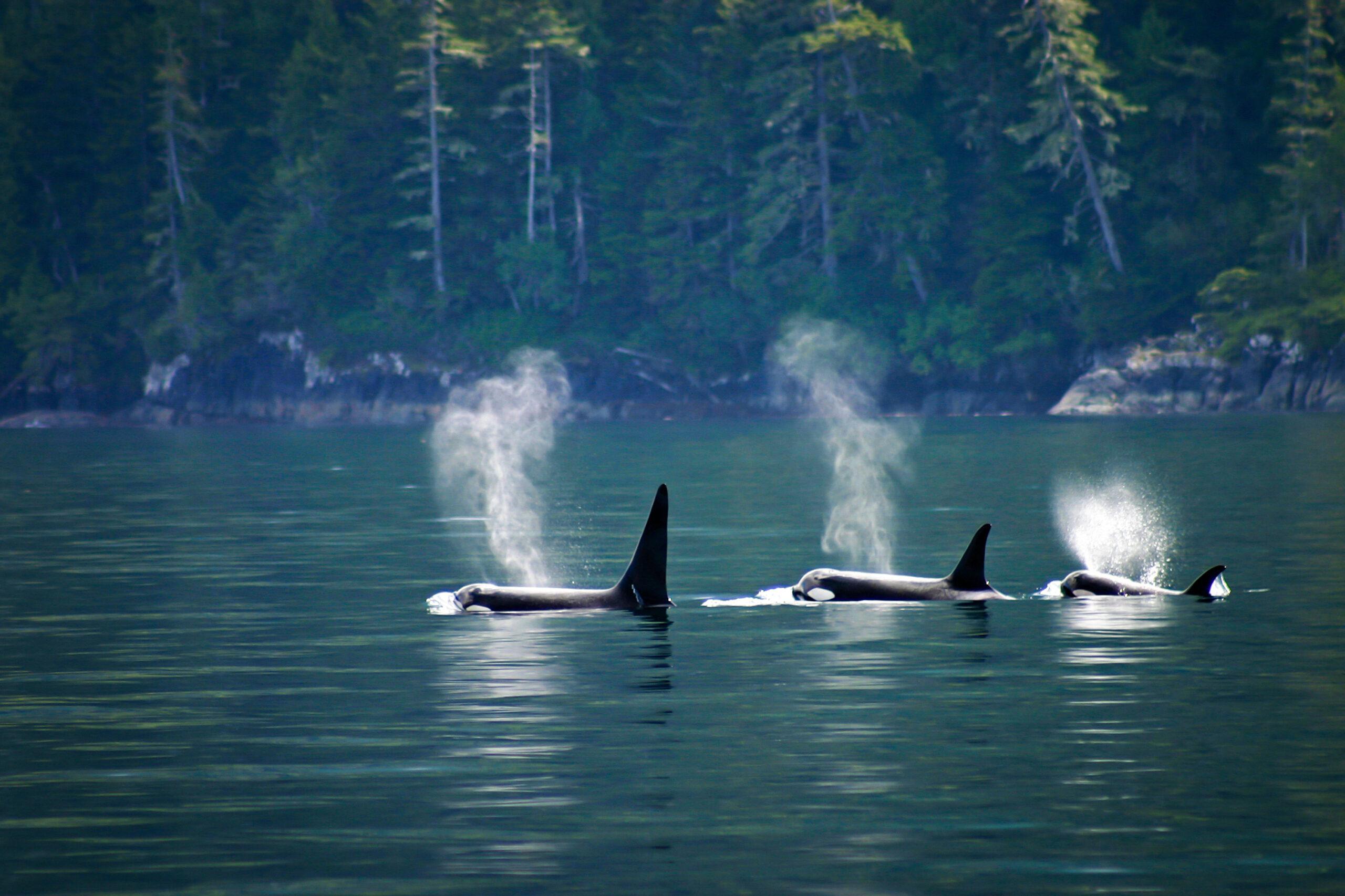 British Columbia
Orca
Orcas’ livelihoods are being threatened by overfishing of prey and deadly tanker traffic. We work with community, partners and government to protect the coastal waters they call home.
-
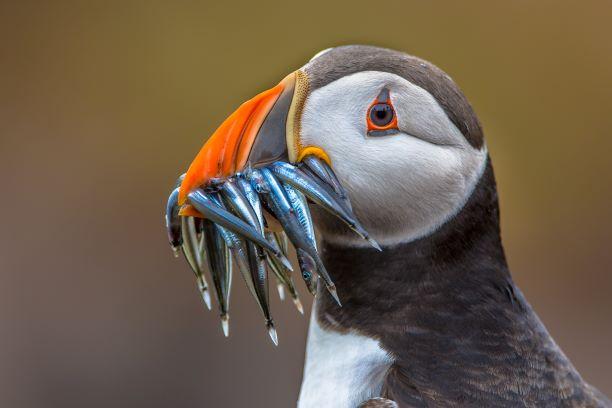 Newfoundland
Atlantic Puffin and Leach’s Storm-Petrel
The CPAWS Newfoundland chapter is proud to organize Puffin and Petrel Patrol to help save these vulnerable species. Each year, community members rescue and release fledging puffin and petrel chicks, collecting essential data along the way.


Bringing Canadians Together for Wildlife Protection
For 60+ years, CPAWS has fought to protect Canadian wildlife and wild spaces. We’ve committed to using these decades of experience towards tackling today’s complex threats to wilderness. Our unique structure is our strength: regional chapters work in communities to monitor and create local protected areas, while our federal teams take a bird’s-eye view to steer Canada’s conservation agenda.
Securing protection for wildlife and their habitats requires work on many fronts. The common threads? Extensive consultation and deep collaboration:
- We work with scientists, Indigenous communities, and conservation partners to create more protected areas that serve as safe havens for wildlife
- We work with Indigenous organizations and communities to support and advocate for Indigenous-led conservation initiatives which advance sovereignty and reconciliation
- We work with industry to encouraging better land-use solutions and practices to connect protected areas and decrease habitat fragmentation
- We advocate governments at all levels for stronger protections, and develop laws to protect Species at Risk
- We bring everyday Canadians into the conservation process, educating them and providing opportunities for their voices to be heard
Stay up to date to know about future opportunities to take part: we need your voice.
Be the first to know about the latest updates and ways to take action
Subscribe to our newsletterStay connected to nature conservation work happening in your area
Find your local CPAWS chapterBriefs & Reports

Closing the Gaps in Protection for Species at Risk
Florence Daviet, Rachel Plotkin | May 2021
Read More