-
-
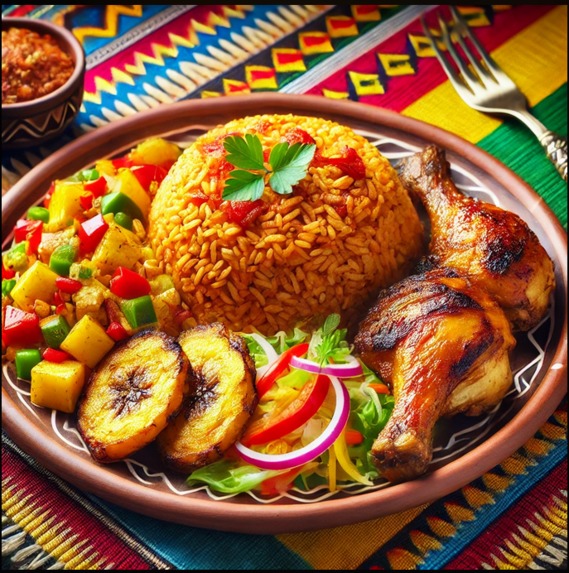
African Dish Guide

Inspiration
The inspiration came from integrating IoT into the kitchen to enhance traditional cooking experiences. By using sensors to monitor real-time conditions, we wanted to ensure precise cooking for African dishes.
What it does
The African Dish Guide is an IoT-enabled cooking assistant that uses an ESP32 microcontroller paired with a DHT11/DHT22 sensor to monitor temperature and humidity. The web app provides step-by-step instructions, helping users prepare traditional African meals with real-time feedback from the sensor data.
How we built it
We used HTML and JavaScript for the web interface, which communicates with the ESP32 microcontroller. The ESP32 reads temperature and humidity data from the DHT11/DHT22 sensor, sends it to the web app, and adjusts the cooking instructions accordingly.
Challenges we ran into
The main challenge was hardware integration. Ensuring reliable communication between the ESP32 and the DHT sensor, and having that data reflected in real-time on the web interface, required careful debugging.
Accomplishments that we're proud of
We successfully integrated IoT with traditional cooking by using real-time sensor data to adjust cooking steps. This fusion of technology and culture is a unique accomplishment.
What we learned
We learned how to work with the ESP32, DHT sensors, and web technologies to create a responsive IoT application. This project deepened our understanding of real-time data handling and user interface synchronization.
What's next for African Dish Guide
Next, we plan to add more sensors for monitoring other environmental factors, implement voice instructions, and expand the recipe database to include more dishes from different African regions.



Log in or sign up for Devpost to join the conversation.