-
-
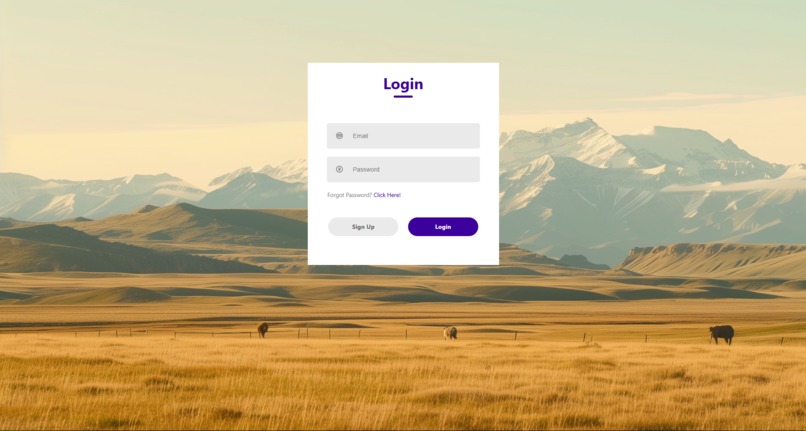
Login/Signup Interface

Inspiration
The inspiration for this project comes from the ever-increasing need for more efficient, accurate, and accessible healthcare. As medical imaging becomes more prevalent, there is a growing demand for AI tools that can assist in the diagnosis of medical conditions by analyzing complex images, such as X-rays, MRIs, and CT scans.
What it does
The Biomedical Image Classification AI is designed to classify medical images into different categories based on the conditions or diseases they represent. This tool aims to support healthcare professionals by providing quick, accurate, and reliable image analysis to assist in diagnosing patients more effectively.
How we built it
I built this AI system using machine learning techniques taken directly from the MedMNIST github page. The system was trained on a diverse set of medical image datasets, ensuring that it can generalize across different types of medical images.
Challenges we ran into
One major challenge I faced was building a proper user interface, including a login page and a database to securely store passwords. This part of the project was essential to make the system user-friendly but remains incomplete. Additionally, while I initially intended to build the neural network entirely from scratch, I encountered difficulties in achieving optimal results, which led me to use the MedMNIST GitHub repository's code as a starting point to speed up development and enhance model accuracy.
Accomplishments that we're proud of
I successfully created a login interface, allowing users to interact with the system, though it is still a work in progress. I’m proud that I made significant progress in integrating the user authentication features, despite the challenges in linking the database for storing user credentials. I also gained hands-on experience with how professional machine learning models are structured, thanks to the MedMNIST code.
What we learned
Through examining the MedMNIST neural network implementation, I learned valuable insights into how to design and optimize convolutional neural networks (CNNs) for image classification tasks, particularly in the medical domain. I also gained a deeper understanding of data preprocessing, transfer learning, and how to fine-tune models using real-world biomedical datasets. The process also taught me more about the complexities of integrating machine learning models with user-facing applications, particularly around database management and secure user authentication.
What's next for Biomedical-Image-Classification-AI
Looking ahead, I plan to enhance the model by expanding the dataset to include more diverse and rare medical conditions. I also aim to integrate the system into real-time diagnostic tools and explore its use in telemedicine. Further, I will focus on improving the user interface and incorporating feedback from healthcare professionals to ensure the system is both practical and effective for everyday use.


Log in or sign up for Devpost to join the conversation.