-
-
thumbnail
-
BlockWhale Game Play
-
Bandit Shark NFT
-
Original Shark on Opensea


BlockWhaler: Revolutionizing Web3 Whaling with NFTs and Dynamic Prize Pools
Inspiration
BlockWhaler was inspired by the desire to blend the excitement of traditional whaling games with the innovative potential of blockchain technology. We aimed to create a game that highlights anti-whaling themes, promoting conservation and responsible gaming while providing a captivating and immersive experience. The integration of NFT technology and a dynamic prize pool system was designed to bring a fresh perspective to web3 gaming.
What it does
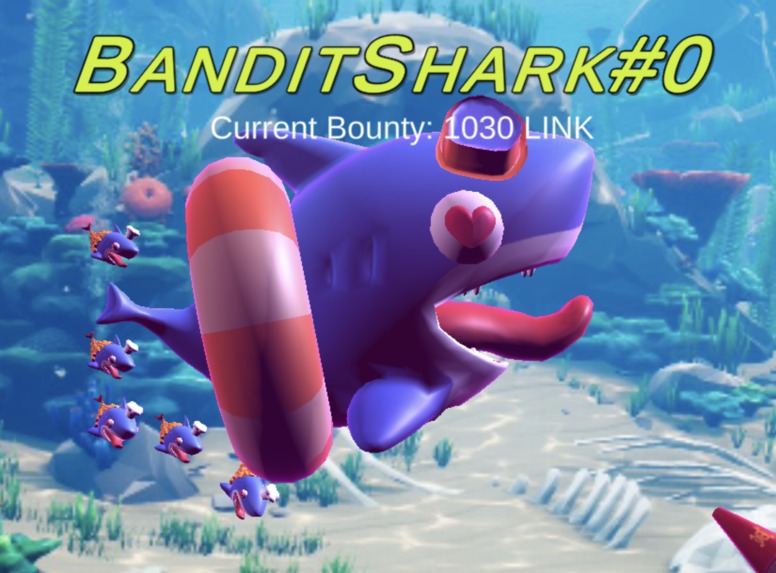
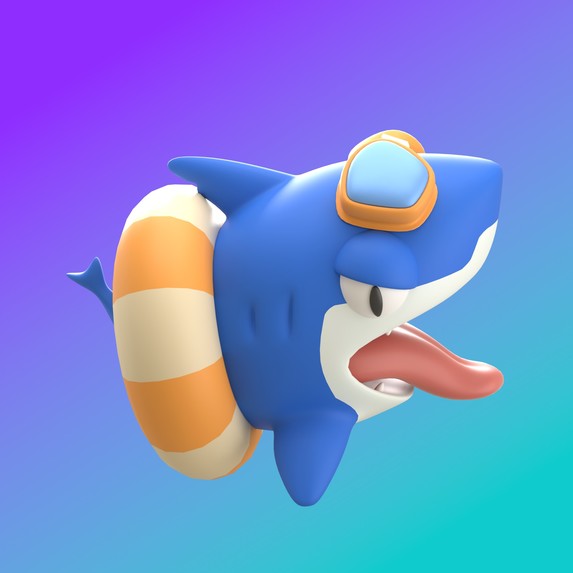
BlockWhaler is a web3 game where players use LINK tokens to launch rockets and capture TBA sharks. Each shark carries customizable NFT equipment, enhancing personalization and collectability. The game also features a dynamic prize pool, where unsuccessful capture attempts increase the pool, making each shark more valuable over time. This system creates an engaging mix of strategy and chance, encouraging continuous player participation and excitement.
Chainlink's VRF randomness ensures fairness and excitement in our game. The game uses the ratio of shark NFTs to calculate the success rate of each rocket launch. By leveraging Chainlink's VRF and the fulfillRandomWords method, we determine whether the shark should be transferred to the player. The VRF computation costs are covered by a subscription model, where a portion of the LINK tokens spent by players on rocket launches is used to fund the randomness calculations.
How we built it
BlockWhaler was built using the Ethereum blockchain and the ERC-6551 standard to bind NFTs to sharks. We integrated Chainlink VRF (Verifiable Random Function) to ensure fair and transparent randomness in determining the success of each rocket launch. The development process involved creating smart contracts for tokenomics and prize pool mechanics, designing unique NFT equipment, and crafting an engaging user interface that ties all elements together seamlessly.
Challenges we ran into
Ensuring fairness and transparency was one of our main challenges. Implementing Chainlink VRF was crucial to achieving this goal, but it required meticulous integration and testing to ensure reliable operation. Designing a sustainable economic model that balances player investment with rewards also posed a challenge. Additionally, creating visually appealing and customizable NFTs while ensuring they are securely bound to sharks added complexity to the development process.
Accomplishments that we're proud of
We successfully integrated ERC-6551 to bind NFTs to sharks, providing a unique and customizable gaming experience. Implementing Chainlink VRF to ensure fair gameplay was a significant achievement, as it guarantees that each rocket launch's outcome is both random and verifiable, enhancing player trust and game integrity. We also developed a balanced economic model that maintains the game's sustainability and appeal, creating an engaging and rewarding experience for players.
What we learned
Developing BlockWhaler taught us the critical importance of integrating blockchain technologies seamlessly to ensure a smooth user experience. We learned valuable lessons in designing fair and sustainable tokenomics. The complexities and potential of using ERC-6551 for dynamic and customizable NFTs became evident, enriching the overall gaming experience. Additionally, we gained deep insights into the importance of using Chainlink VRF to ensure fairness and transparency in gameplay, which is crucial for player trust and engagement.
What's next for BlockWhaler
Looking ahead, we plan to expand BlockWhaler by adding new features and game modes, such as cooperative missions and exploration quests. We aim to develop mobile versions to reach a broader audience. Additionally, we will explore multi-chain support to allow players from different blockchain ecosystems to participate. Continuous updates with new NFT equipment and limited-time events will keep the game fresh and engaging, ensuring long-term player interest and enjoyment.
Built With
- c#
- chainlink
- nextjs
- rainbowkit
- typescript
- unity
- vrf
- wagmi


Log in or sign up for Devpost to join the conversation.