-
-
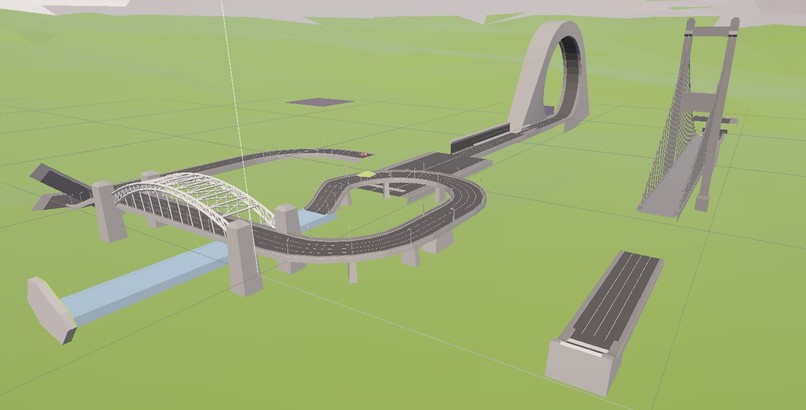
Second Image
-
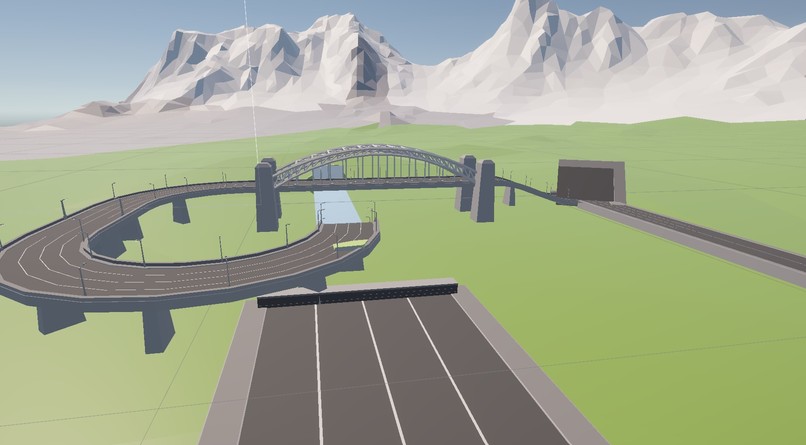
Third Image
-
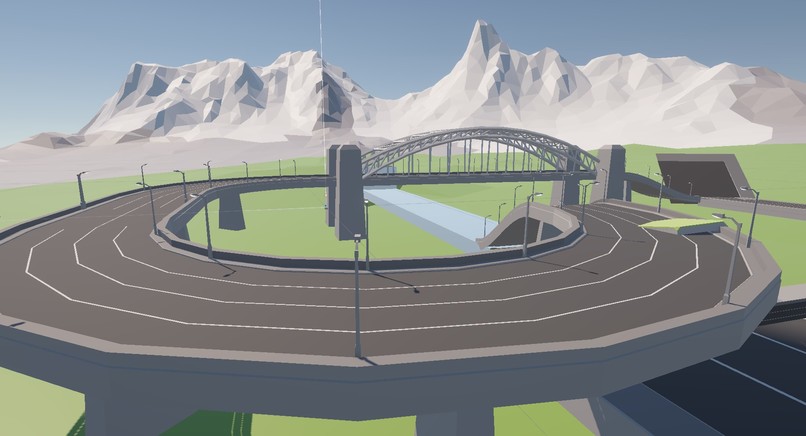
First Image
-
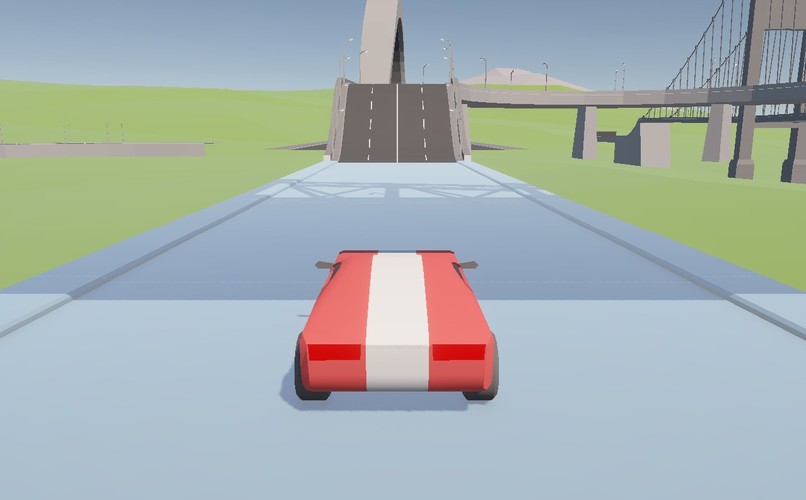
Gameplay


Inspiration
This project draws inspiration from games like Polytrack and Trackmania, both of which focus on high-speed, precision-based racing. However, I wanted to add an extra twist that sets my game apart: intentional "bugs" that make the experience more unpredictable and skill-based. These bugs aren't random glitches—they're designed to be learnable and exploitable with practice, adding a new layer of strategy and fun to the gameplay.
By incorporating these buggy mechanics, players are encouraged to experiment and find creative solutions to beat levels more efficiently. It also makes each run slightly different, keeping the challenge fresh and engaging. In this way, the game becomes not just about speed, but also mastery over its controlled chaos.
What it does
Buggy Car is a fast-paced car game where players race to reach the finish line as quickly as possible. The twist is that the car's behavior includes intentionally unpredictable elements, making precise control a real challenge and requiring players to adapt quickly. Each level is a test of both reflexes and patience, as players learn how to work with, rather than against, the quirky movement physics. Overall, the ultimate goal is to complete tracks in record time
How I built it
I built this project entirely in Unity using C#, utilizing a wide variety of pre-existing and custom assets. I focused on assembling these assets into a cohesive environment, designing levels that encourage exploration and skill development. Every element of code and functionality was written from scratch, allowing me to learn and control every aspect of the game's logic and physics.
Challenges I ran into
One major challenge was making a video to demonstrate gameplay—the game’s difficulty made it hard to record a smooth run! It required several takes and a lot of patience. Another tricky part was arranging the assets correctly within Unity. It was easy for things to look disjointed or cause unexpected gameplay issues, so I had to refine placement and lighting carefully.
The biggest technical hurdle was getting the car’s movement just right. It was my first time building a physics-based vehicle in Unity, and it took quite a bit of learning to make the controls feel both unpredictable (as intended) and responsive enough to be fun. Achieving that balance was a core part of the challenge.
Accomplishments that I'm proud of
This is the most ambitious project I've done in Unity so far, and I'm really proud of how much I was able to accomplish on my own. The final product is both playable and fun, with an addicting quality that has already won over a few testers—including my five-year-old brother, who now insists on playing it daily!
Beyond just building a game, I created something that feels uniquely mine: it has personality, challenge, and replayability. It’s incredibly satisfying to see others engaging with something I made from the ground up, and enjoying it even with all its quirks.
What I learned
I learned a great deal about both Unity and C# programming, especially in how they interact to create responsive game mechanics. From controlling physics behaviors to managing user input and handling collisions, this project gave me a crash course in practical game development.
What's next for Buggy Car
I plan to continue developing Buggy Car by polishing the environment and improving visual consistency across levels. Adding more levels and a level selection screen is high on the list to improve user experience and give players a sense of progression.
I also want to implement a level editor, allowing players to create and share their challenging courses. Another important feature on the roadmap is a checkpoint system, so players don’t have to restart an entire level after one mistake. These additions will make the game more accessible and replayable, without sacrificing its core challenge.


Log in or sign up for Devpost to join the conversation.