-
-
Chronoverse cover
-
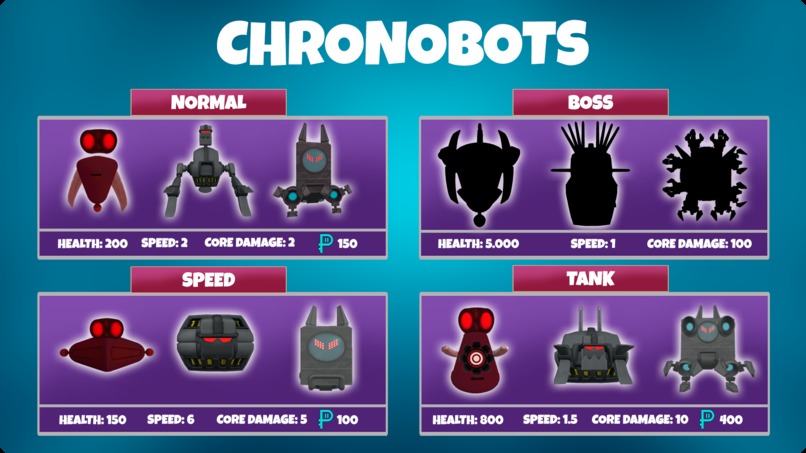
Enemies and stats
-
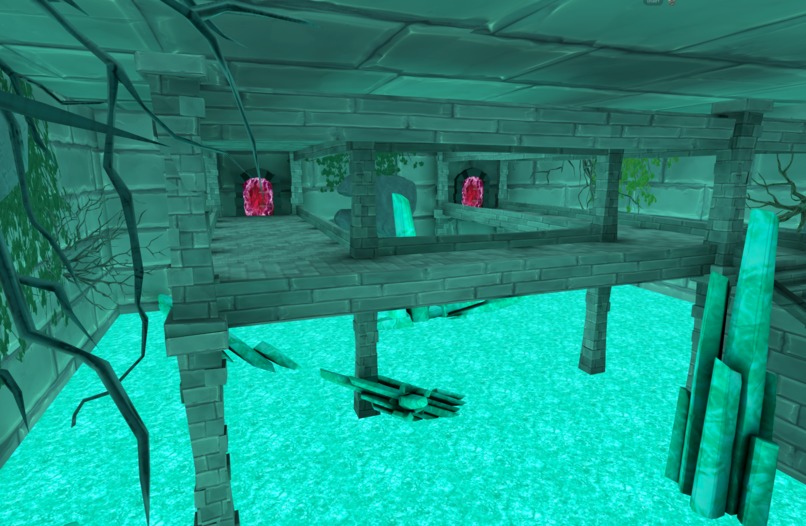
Dungeon map
-
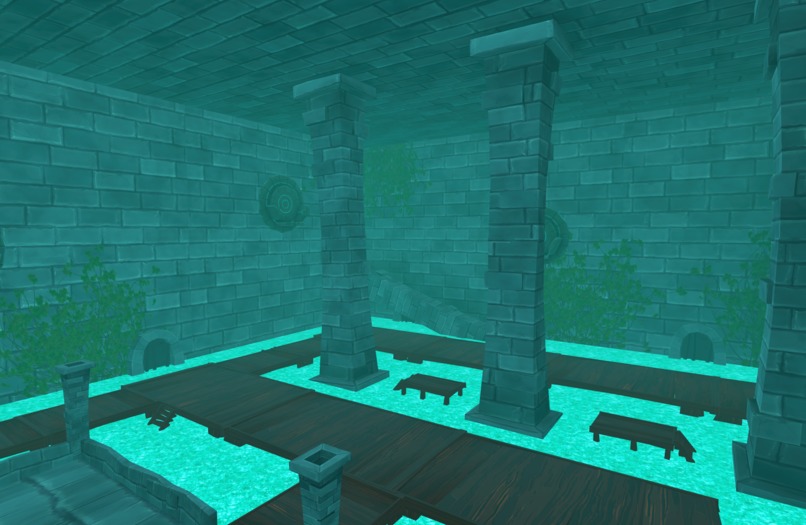
Dungeon map 2
-
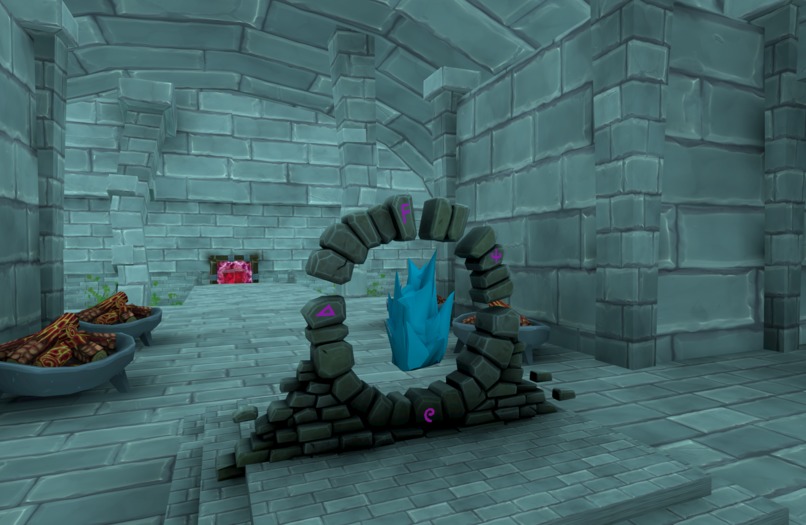
Dungeon map 3
-
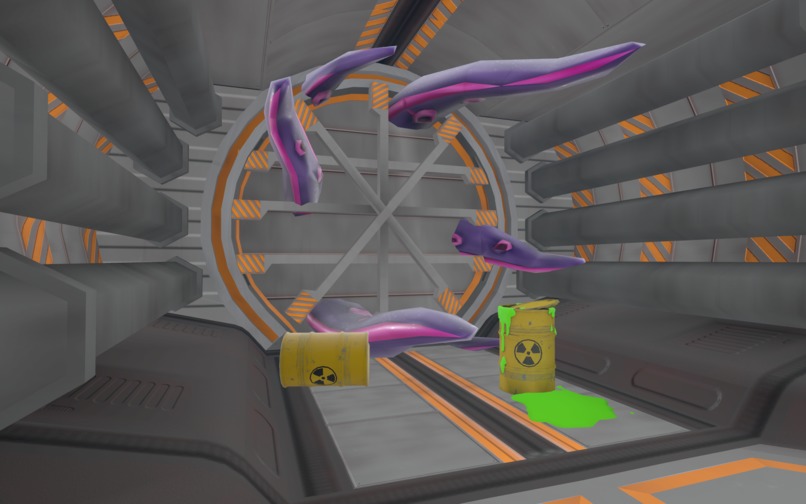
Space map
-
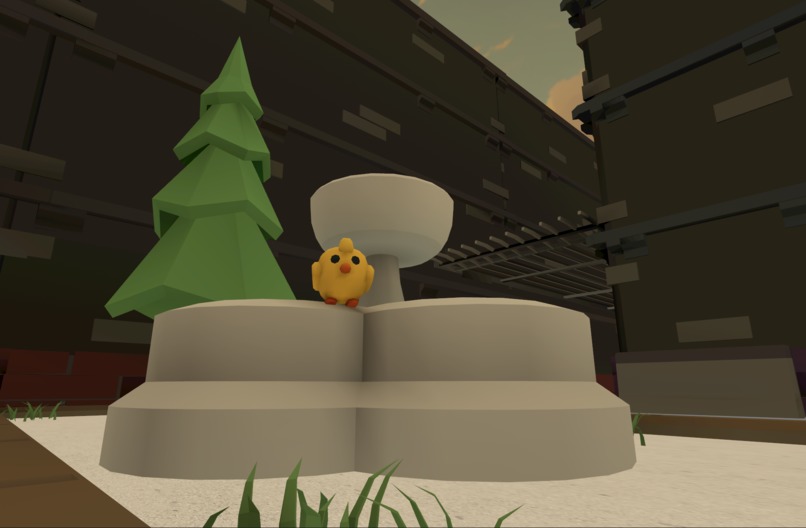
Urban map


Inspiration
We're longtime fans of tower defense games. Chronoverse is the game we've always wanted to make, now brought to life in Horizon Worlds.
What it does
Chronoverse takes players through 15 levels across 3 visually distinct eras, facing off against 12 unique enemy types. With a wide range of unlockable weapons and accessories, every playthrough offers new strategies and surprises, keeping the gameplay fresh and replayable.
How we built it
Chronoverse was developed by a two-person team using Blender for 3D modeling, Photoshop for UI and cover art, and Visual Studio Code for scripting. We focused on clean separation between visuals and core logic, designing the game in a modular way to support scalability and maintainability.
One of our key innovations was a world streaming system where all 15 levels have a total of zero scripts. Every script resides in the lobby, and managers dynamically connect to level content as it loads. We also used JSON files to define enemy waves, allowing us to reuse and mix challenges across levels. Building this project pushed us to our creative and technical limits, and we’re very proud of the complexity we achieved within Horizon Worlds in two months.
Challenges we ran into
We started Chronoverse with no prior experience in TypeScript, Blender and Horizon Worlds, so learning them while building complex systems like enemy waves and inventory management made development especially demanding. The UI design was another fun challenge: we had to get used to the process of importing, uploading, and managing assets efficiently.
On top of that, the scope of the project was ambitious for the timeframe of the competition. Balancing agile development with polish pushed us to stay creative and think out of the box, making the entire process as intense as it was rewarding.
Accomplishments that we're proud of
We put a strong focus on accessibility, designing an intuitive and visually appealing UI to help players navigate the game easily. We also built a playable tutorial that covers the main mechanics of the game, while giving players room to explore and experiment at their own pace, making it work for both newcomers and experimented players.
What we learned
We jumped for the first time into TypeScript and gained a solid understanding of how to build interactive experiences in Horizon Worlds. The platform’s documentation and mentoring sessions played a key role in helping us learn its features, workflows, and limitations efficiently. Along the way, we also leveled up our skills in Blender, allowing us to bring our 3D assets to life exactly as envisioned.
What's next for Chronoverse
We’re focused on refining the gameplay and expanding the world of Chronoverse after the competition with new content and features. Some of the things on our roadmap are:
- Additional maps and eras.
- Limited-time events.
- Unlockable accessories and traps.
- New minigames.
- Infinite mode.
- Enhanced social features.
- VR compatibility.
Thank you
We hope you enjoy playing Chronoverse as much as we enjoyed creating it. We’re always listening, so feel free to share your feedback and ideas. Special thanks to everyone who made the workshops possible: your support and guidance made a real difference in our journey.
See you in Chronoverse, chrono-later!
Built With
- blender
- horizon
- json
- typescript
- vscode
- worlds



Log in or sign up for Devpost to join the conversation.