-
-
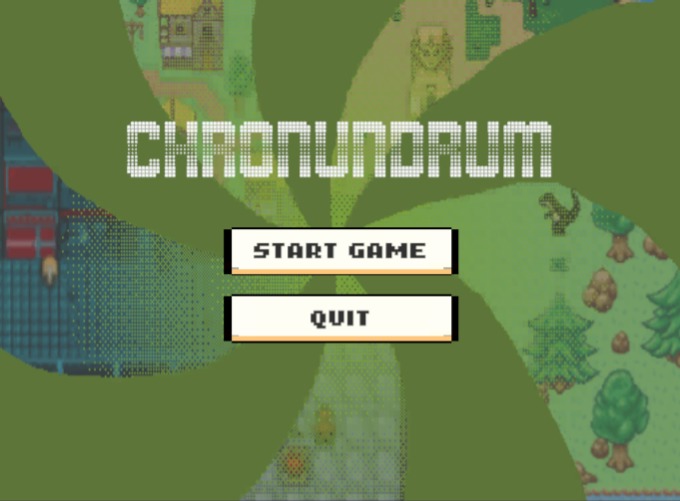
Title screen
-
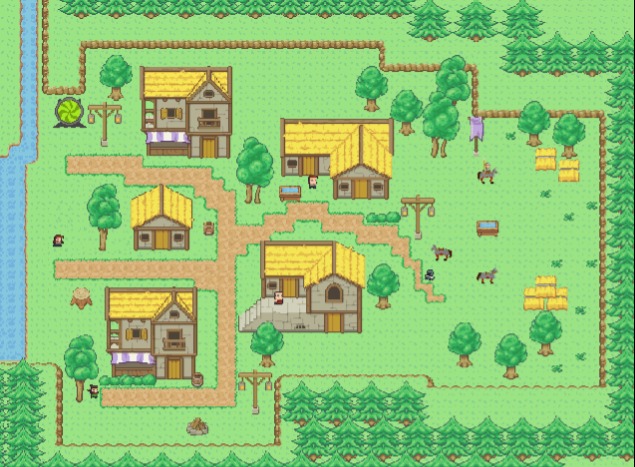
The medieval village era
-
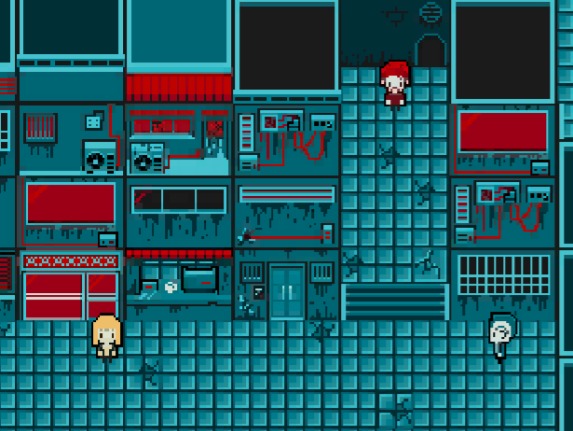
Futuristic city map
-
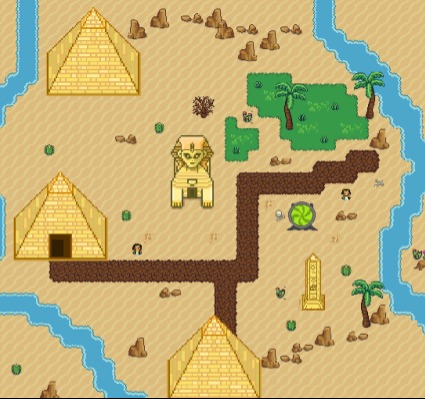
Ancient Egyptian era


Inspiration
Pokemon for visuals, Somil Gupta, and the full versions of the various mini-games included in our game.
What it does
Gives players an interactive, immersive experience through four different historical eras as they play minigames to move forward through time.
How we built it
The game was built on Unity with free visual assets downloaded from sources such as itch.io and assetstore.unity.com.
Challenges we ran into
Countless bug fixing--when one feature was added, at least four bugs came with it. Another big challenge was connecting all of the scenes into one cohesive game. It's easy to create one working scene; it's much harder to make 12 working together.
Accomplishments that we're proud of
Successfully building a full game in less than 28 hours. We are most proud of the various immersive areas representing different eras for players to explore and interact with NPCs, the four mini-games included in the primary gameplay, and the self-made transitional animations, such as the time machine vortex.
What we learned
We learned that sleep is very good! Also, when developing our game, we found that having two sides of development, one dedicated to visual/story design and one dedicated to game mechanics and functions, was very beneficial in keeping our progress efficient. We learned from this that having organized, carefully delegated tasks can make software development much easier and quicker.
What's next for Chronundrum
We plan to add more eras to pass through, such as the Roman Empire and Industrial Revolution, as well as other ways to interact with the eras, such as quests given by NPCs or easter eggs hidden in the maps.


Log in or sign up for Devpost to join the conversation.