-
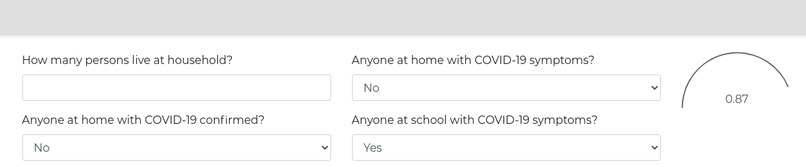
Interface
-
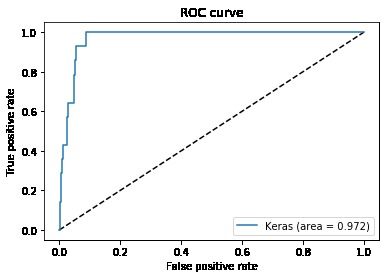
ROC Curve of the AI Model


Inspiration
We decided to tackle the "Clinical-microbiological characterisation of SARS-CoV-2 infection in the paediatric age" challenge because it sounded interesting and challenging. We had very little experience on AI and this was a great opportunity to learn and thrive a new skill. We also felt that the initial data provided was enough to create something useful.
What it does
We built two distinct pieces of software, which we later integrated:
- A trained ML model that can predict, given a set of symptoms and environmental factors, the likelyhood that a pediatric patient has COVID-19.
- A visual real-time inference application to use during diagnosis and model exploration, which recalculates the outputs of the neural net in the user's browser while they change parameters.
How we built it
We started the challenge by cleaning up the input data, which took the whole team for some hours. We went point by point checking that everything was in a standard format and that it was clear.
Then we proceeded to find out if we could reach some meaningful AI model to represent the data. We used Keras and the Power9 cluster at the BSC for the training. We designed some basic classificators and after some more data cleaning and tackling the imbalance problem which was causing our model to not learn, we got something useful.
In parallel, we started designing the front-end by re-using boilerplate from last year's bitxlaMarató (we're very concerned with recycling :D). We then created a form which you can use to input the parameters to our neural network, and integrated it with Tensorflow.js to do real-time inference from the browser. We integrated a live meter to show the current probablility of a COVID infection.
Challenges we ran into
As usual, our biggest challenge was choosing something we had no idea about. Our contact with Keras is minimal, with React is just last year's bitsxlaMarató, and Tensorflow.js we just discovered existed. Nevertheless, we like learning and we're used to hit our head against a wall, so it was all fine.
Accomplishments that we're proud of
Given the nature of this challenge and knowing nothing beforehand, we're happy to have something to show to the judges, organizers and colleagues.
What's next for CoronAIrus
We're open sourcing both the front-end and the ML model written in keras so that anyone can use our work in future endeavors.
Built With
- ai
- keras
- machine-learning
- react
- tensorflow
- tensorflow.js


Log in or sign up for Devpost to join the conversation.