-
-
Logo
-
HashScanScreenshot
-
TechStack
-
CrowdSecureLogin
-
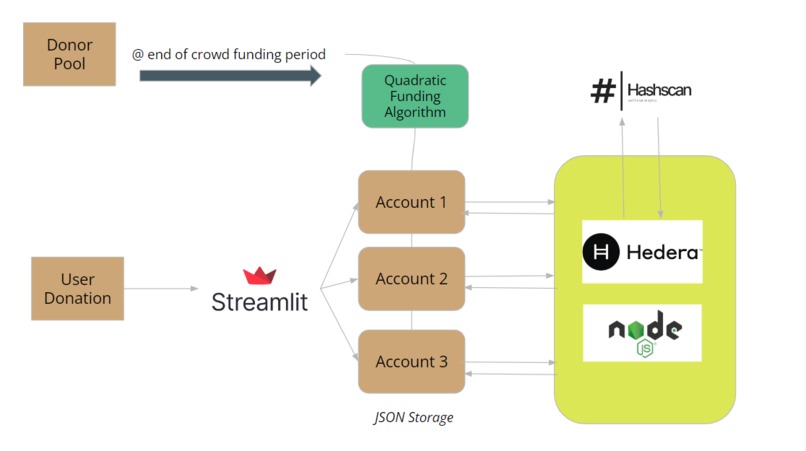
ArchitectureMap


Inspiration
CrowdSecure was inspired by a gap we found between charity donations and a safe and secure way to transfer funds. With the internet becoming more and more accessible to anyone, it has become increasingly difficult to trust who-is-who and what-is-what online. Web2.0 brought more interaction and connectivity, but we started to see more and more bad apples holding all the power to the ledger. Web3.0 and the blockchain have presented a solution to this growing issue by letting all of us be holders of the ledger.
Additionally, we met the founders of collegedao.io, whose efforts to bring blockchain to students and connect them with blockchain companies inspired us. We thought we could make crowding purposeful and safe led to the creation of Crowd Secure.
We were aware of a similar blockchain-based crowdfunding platform called PuZL Fund, but they were doing so for music crowd-sourcing only. We are here to focus on charities and an impact for the greater good.
What it does
Crowd Secure is a platform that leverages blockchain technology to ensure transparency and security in charitable donations. It allows donors to be sure that the money they are sending is directly being transferred to the rightful charity organizations. This not only provides peace of mind for the donors but also promotes accountability among the charities. CrowdSecure is built on a decentralized web3 technology, making it secure and reliable. It’s a step towards making charitable donations more transparent and trustworthy.
Additionally, we incorporated a very basic version of GitCoin's Quadratic Funding Mechanism. It allows for sponsors (different from the public crowdfunding donors) who are unsure of where to put their money but wish to support a good cause to be able to donate to a pool which is then split across multiple social campaigns through a decentralized process. "Quadratic Funding" simply takes into account the number of donors to a fund and values the number of people supporting the campaign over just the raw funds donated. These funds are calculated at the end of each crowdfunding period, and money is allocated from the sponsored pool. Why quadratic funding: By democratizing allocation, quadratic funding can help ensure that open-source software initiatives and other public goods receive funding proportional to their appeal and value to the community. In other words, on CrowdSecure the charities have two sources of financial support - the common public and large sponsors who wish to donate to CrowdSecure's periodic funding pool.
Overall, the GitCoin pool is stored within its own Hedera account, with each account having its own unique account id and private key. Each campaign which seeks crowdfunding can sign up and is provided with its own unique Hedera account. Hedera accounts are only provided upon authentication of the head of operations at the campaign.
Where our app comes in
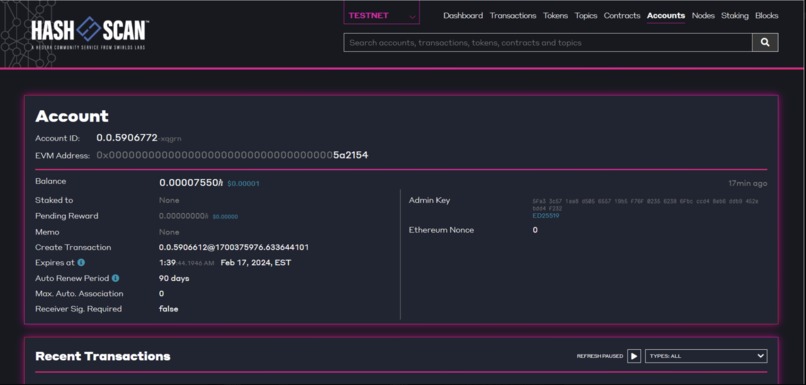
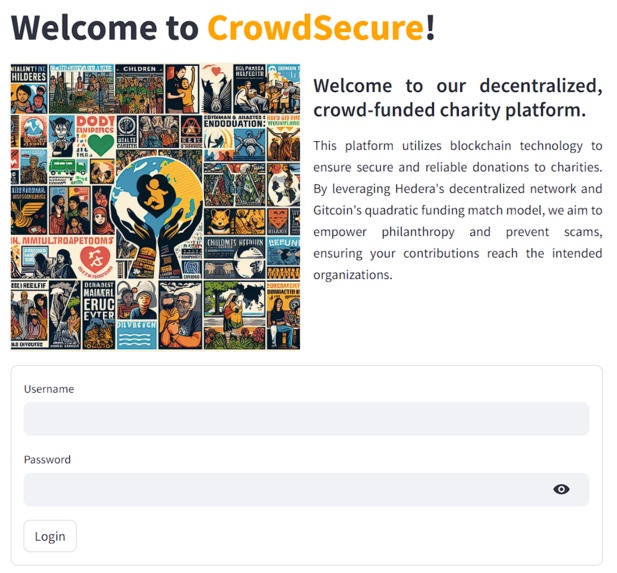
Our application is meant to show a small campaign donor's point of view. They can choose which campaign to donate to and read more about it if they require more information. Once a donation amount is decided and submitted, each transaction is recorded within the ledger by Hedera, and all transactions are publicly available via their Public Keys (can we be viewed on something like HashScan).
Once all users have finished providing donations within the given donation period, the collective history of transactions is taken, with the number of donors per fund as the priority, and the platform calculates the distribution of funds and displays the same on the respective campaign's home page.
How we built it
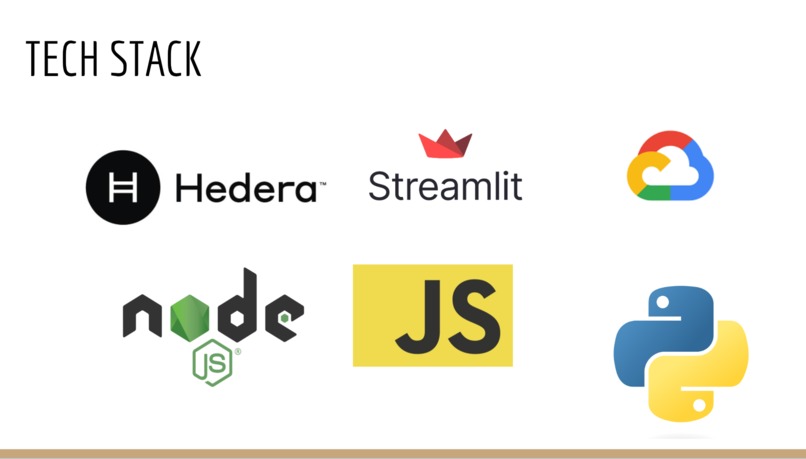
The front end is deployed with StreamLit, an easy-to-use and quick way to create a deployed web app with Python.
The backend is built on Node.js with the Hedera SDK. We utilized the Hedera Test Client to be able to create "test" HBars to be able to create a proof-of-concept.
We share data between Hedera and our StreamLit front end through a database. In our case, it is simply a JSON, but this will be deployed to the cloud for more streamlined use in the future.
Additionally, Streamlit calls the Node.js files directly through the Python subprocess, with integrated parameter calls on our JS functions. We also utilized a basic version of GitCoin's open source Quadratic funding match algorithm to distribute the sponsor fund to social campaigns in a secure and democratic manner. We verified our blockchain transactions on Hedera using a platform called Hashscan.
Challenges we ran into
The biggest challenge was of course learning everything there is to know about Web3.0 and blockchain. Our team is definitely very eager to learn but there is not enough time in 24hrs to fully comprehend everything. Luckily, we had the support from the collegedao.io founders to help answer our more burning questions.
We were also hoping to integrate GitCoin (which is run on the Ethereum blockchain network) as our main exchange currency on Hedera, but due to time constraints of the Hackathon, we weren't able to completely achieve our goal. Instead, we adopted GitCoin's open-source quadratic funding model and implemented the algorithmic logic behind it on Hedera's native tokens, HBars and TinyBars. However, we aim to continue research on Ethereum Virtual Machine (EVM) compatibility and cross-blockchain network integration outside of this hackathon. GitCoin provides a lot of crowdfunding features already and provides a great interface between the sponsors, the campaigns, and their donors. GitCoin also provides a more sophisticated version of the Quadratic Funding model with Solidity smart contracts built in, as well as a secure way to vote on and manipulate the formula for distributing the funds.
Accomplishments that we're proud of
We're happy that we were able to create a secure way for donors to donate to a good cause and know that every transaction is secured under decentralization. We're really proud of the successful integration of Hedera's blockchain network and GitCoin's Quadratic Funding algorithm with the Python-based Streamlit frontend.
What we learned
Web3! Web3! Web3! All of our team members had no prior experience working with Web3 but we learned a lot about the concept as well as the potential of blockchain towards social good. We also learned to work more efficiently in a software development team setting and resolve major Git merge conflicts :)
What's next for Crowd Secure
- Integrating GitCoin instead of HBars in Hedera
- Host updated Hedera data on AWS S3 or Kintone
Built With
- blockchain
- gitcoin
- hashscan
- hedera
- javascript
- node.js
- python
- streamlit
- web3





Log in or sign up for Devpost to join the conversation.