-
-
DaySync Logo
-
-
-
-


Inspiration
Our team was studying in the library for a test one day, however, the ambient lighting in the library was way too mellow, inducing laziness and “slacking off” type of vibes. We then researched if lighting actually matters when it comes to learning habits/efficiency. We found that specific colours induce greater productivity.
Essentially, using the subconcious inducement of the most used sense in humans - vision, our aim is to provide a service to help people manage their own mental health through lighting, allowing for increased productivity and happiness.
What it does
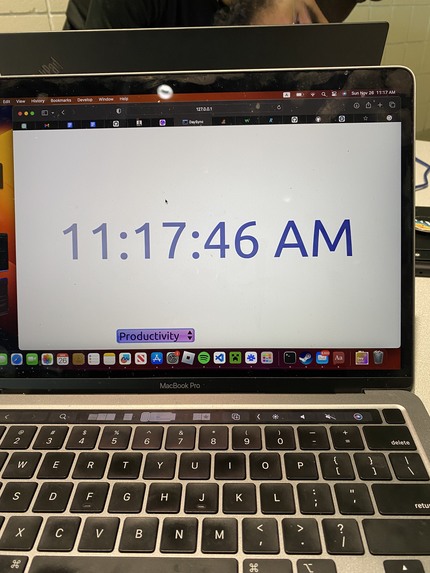
DaySync stands as an online productivity tool, seamlessly enabling users to tailor the color settings of their LED lights. Through an intuitive dropdown menu, individuals can select from preset options, crafting an optimal study environment within their homes.
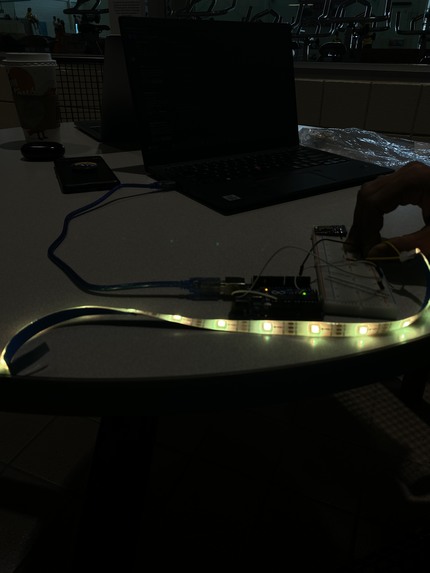
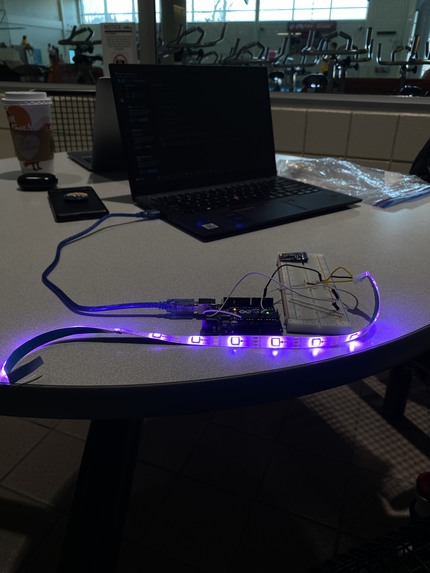
Among our prototype features is a dedicated productivity setting, employing natural colors like blue, green, purple, and yellow, known to enhance productivity and overall focus backed by multiple research studies. Moreover, the daytime cycle feature progresses through six vibrant colors throughout a 24-hour cycle.
This intentional sequence aims to cultivate general happiness, bolster mental well-being, and elevate productivity. Beginning with a warm yellow/green in the morning to set a positive tone for the day, it seamlessly transitions to our natural productivity colors as the day unfolds, fostering a conducive environment for both efficiency and positivity. As night descends, the lights shift to a soothing deep blue and purple, promoting rest and relaxation—providing users with a well-deserved break after a day of productivity.
How we built it
From our website the user selects from one of our two preset lighting options This form then uses Flask to parse the information needed and submits it into a server database we coded using InfluxDB in Python.
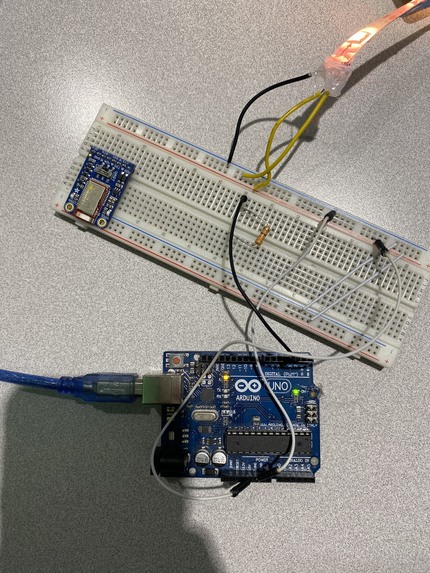
Our Arduino file is set up in a way that it would pull colour values from the server API and translate that into colours and delay values to match for RGB output and phasing, providing the user with a evidence-backed environmental light to support their desired theme throughout the day. In our example, the RGB values are hard-coded in the Arduino for ease of demonstration, and to minimize glitches since the API pulling was not operating ideally near submission.
Challenges we ran into
- Unable to get data from the InfluxDB server, it was difficult to query the data
- Unable to write array/list into InfluxDB, where the data would look weird to everyone else except for us
- Challenges with getting API to work with arduino (example code is hardcoded the daycycle values for ease for demonstration and to limit the amount of glitches, since the API-pulling was not working normally)
Accomplishments that we're proud of
- Functional database using python
- Ambient phasing for easy emotional transition
- Functional dropdown menu that sends data to database through user input
- Functional Arduino control with custom methods designed for the use with an API
What we learned
Plan ahead for future projects How to create python database Basics of using Flask and InfluxDB What hardware to use and methods to take next time for APIs to work better with Arduino
What's next for DaySync
Moving forward, Daysync has the potential to embark on various paths. Our strategy involves enhancing our online services, offering users a broader range of customization options, and extending compatibility to diverse LED sources. Additionally, we are set to introduce a sleeping mode and a fully customizable feature tailored to each user's preferences.
DaySync would provide individuals with more control over their mentality, promoting a better lifestyle.


Log in or sign up for Devpost to join the conversation.