-
-
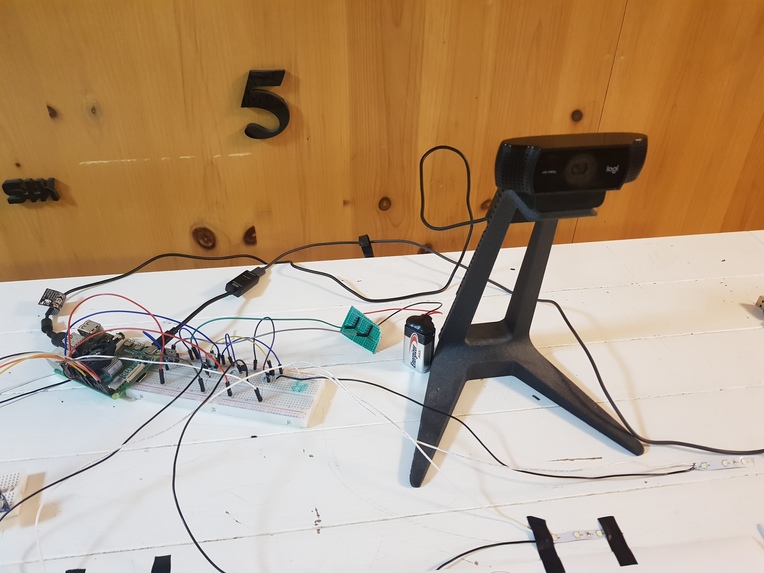
Camera Setup
-
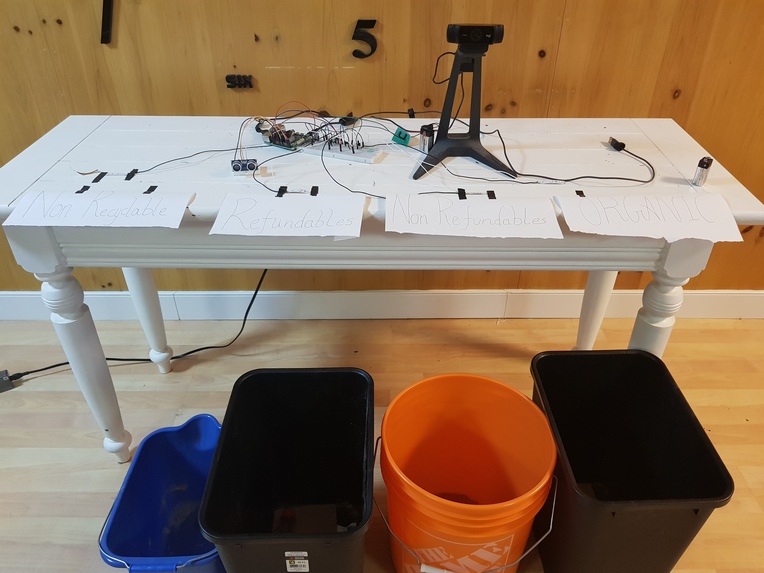
Overall Setup
-
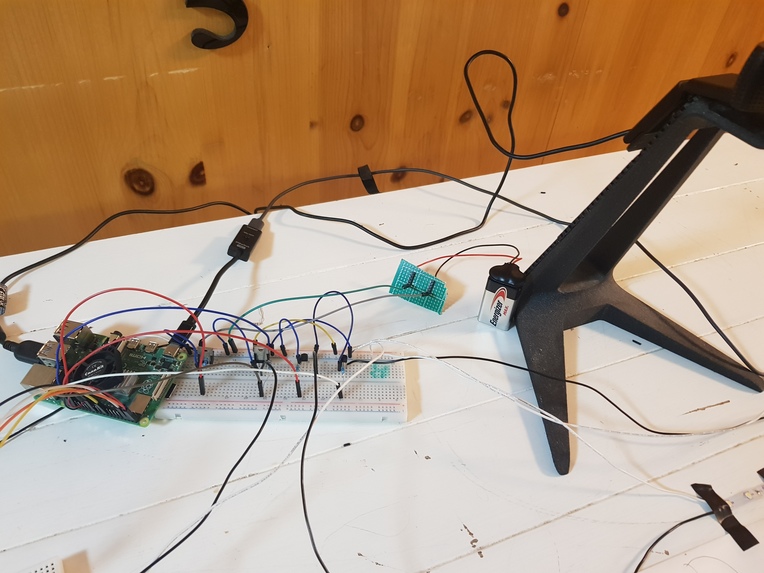
Transistor Switches


Hack the Change
Hack the Change 2022


1) What is Recycle.AI?
Recycle.AI is a product that we present in response to the challenge of "promoting a sustainable and healthy lifestyle for the general public". It is a product made up of two basic components - a hardware part that is responsible for simplifying waste segregation, and a mobile interface that provide intelligent insights from the waste analyzed to help the users improve their health and live in a more eco-friendly fashion.
2) Inspiration ?
While researching the problem of waste disposal, we came across many alarming statistics, some of which are -
- Only 9% of the waste in Canada actually gets recycled
- Emissions from Canadian Landfills accounted for 24% of total national methane emissions
- People in the vicinity of landfills were almost 2 times more likely to contract diseases. All these stats really moved us to trying to solve the problem of waste disposal.
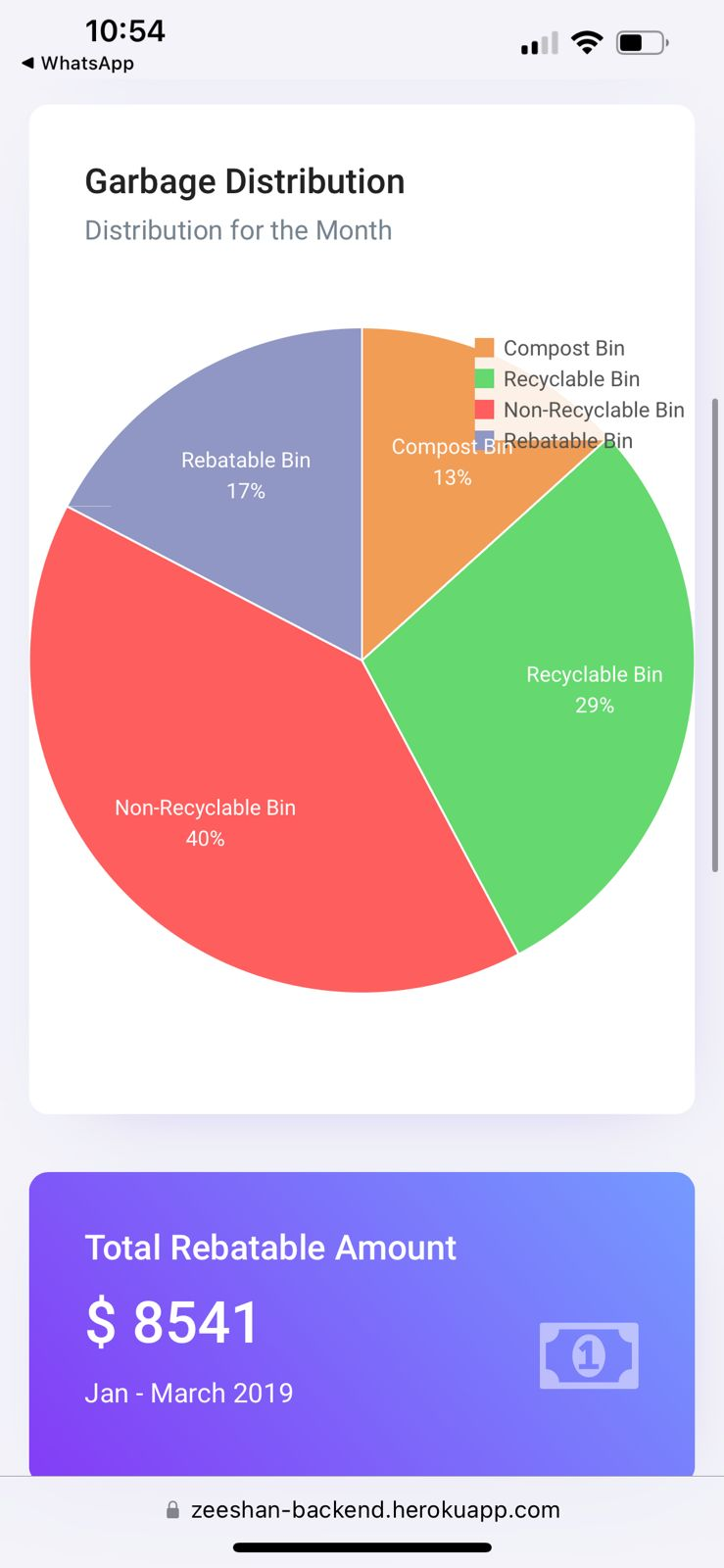
Our device would aim to reduce improper waste disposal by 88% by indicating the type of waste through interactive LEDs placed on the top of our smart waste bin. This will help us sort the wastes into the right categories which would further be picked up by the waste management team and provide us back with valuable statistics that could be viewed on a mobile app which would indicate the usage of the recyclable materials and their corresponding rebate values. Improper waste disposal is an important yet underrated form of GHG emissions which need to be solved.
3) Implementation: (Images)
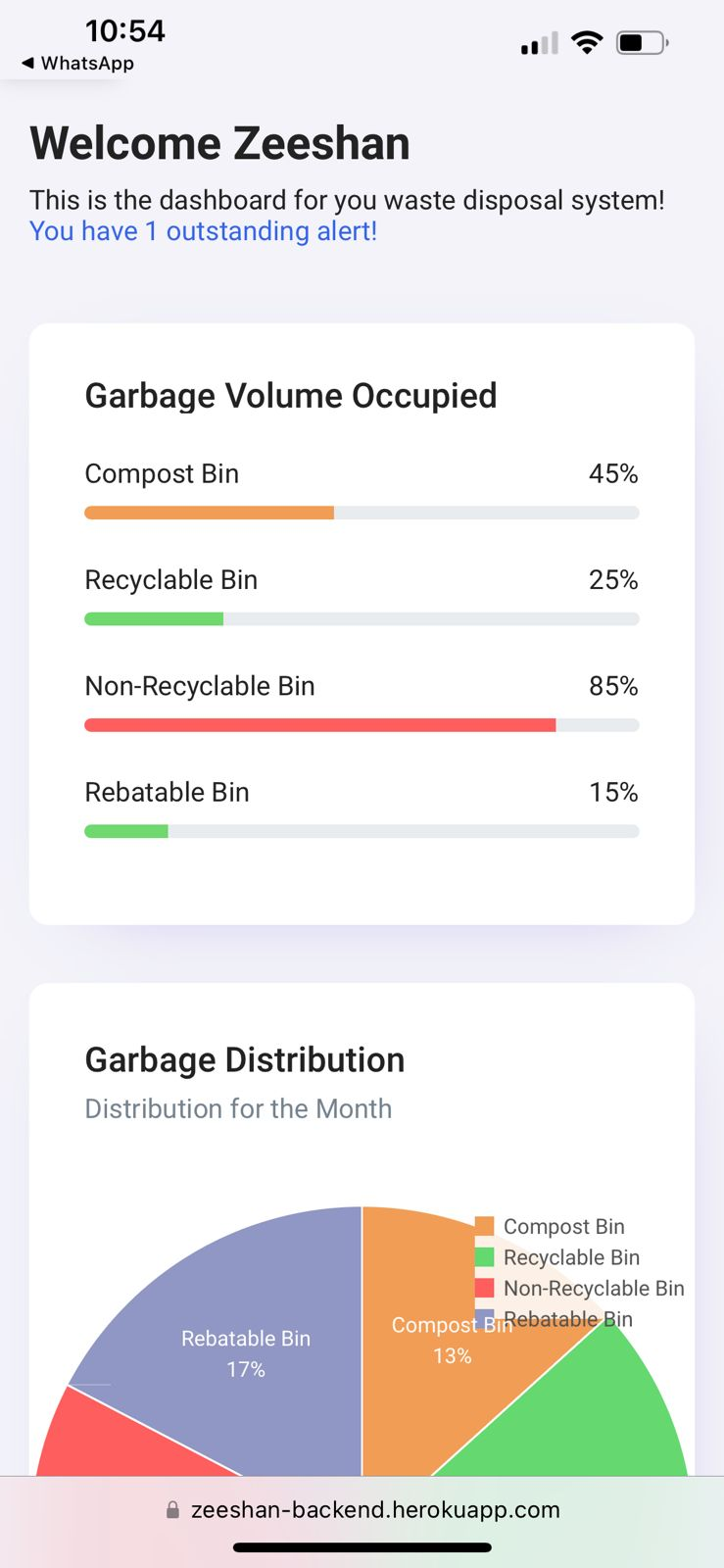
4) Features :
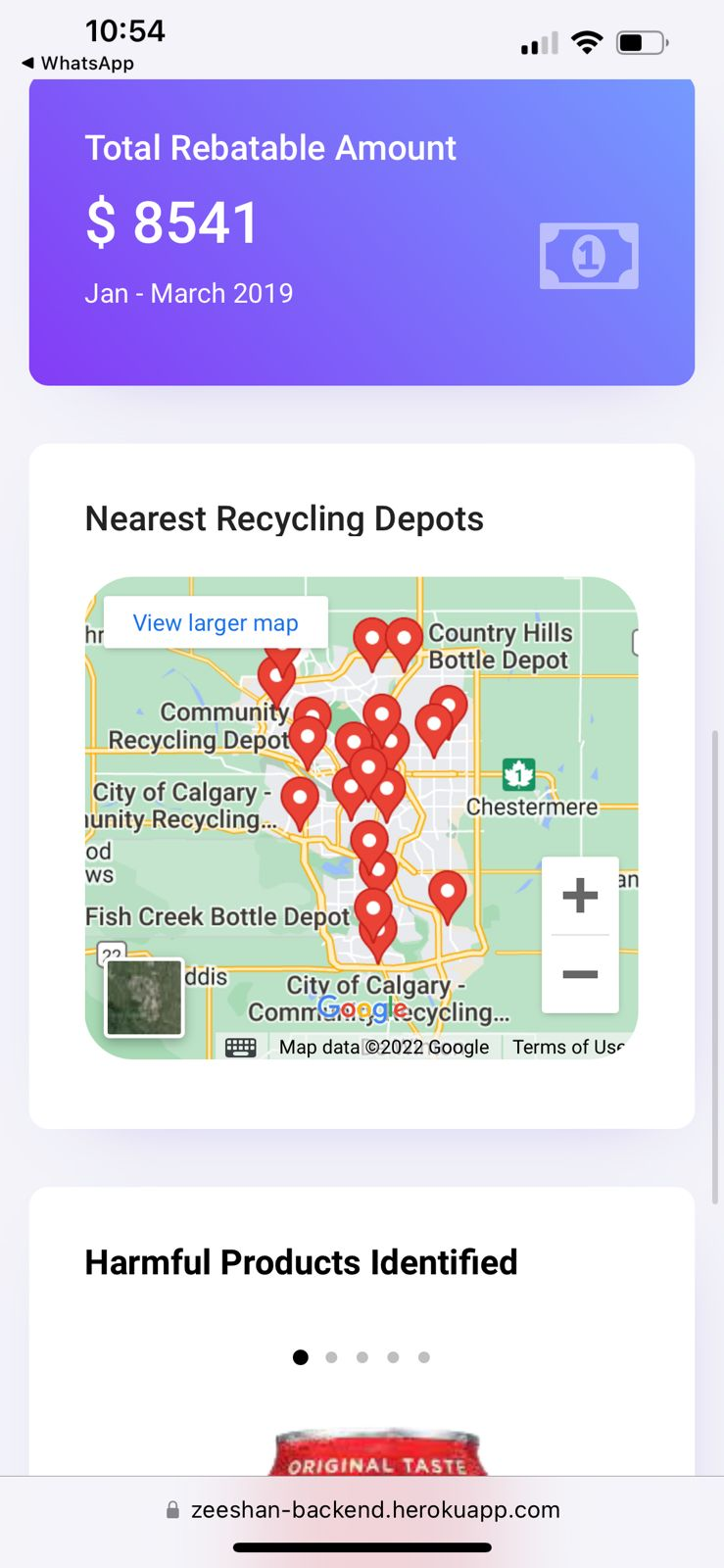
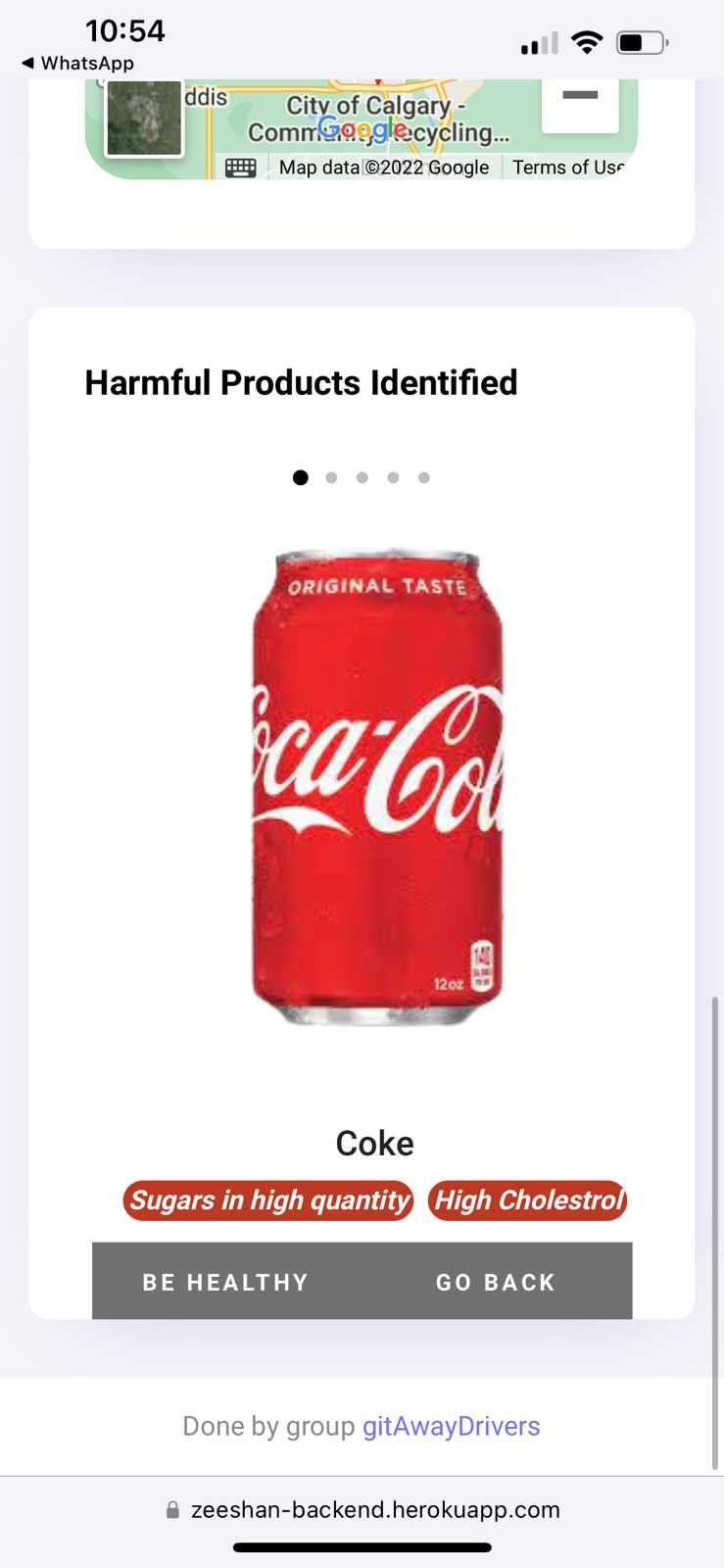
Recycle.AI is an all in one solution for waste disposal and health tracking. Its main features include - • Automated Waste Segregation - Machine Learning and Computer Vision combine to provide highly accurate predictions for the class of waste. • Calculating Recycling Rebates - Using computer and python, bar-codes present can be scanned to obtain further information about the object from a recycling database (https://albertadepot.ca/recycling101/container-types-and-refunds/), and be stored in a different container in order to take advantage of rebates to further incentivize proper waste disposal. • Tracking Eating Behaviours - Using the same bar codes, information can be obtained about the object if it is a food item from the database (Open Food Dataset) used. Upon identifying the food, information is displayed in a mobile interface about its environmental impact and caloric makeup, while also suggesting a healthier alternative.
5) Components Used:
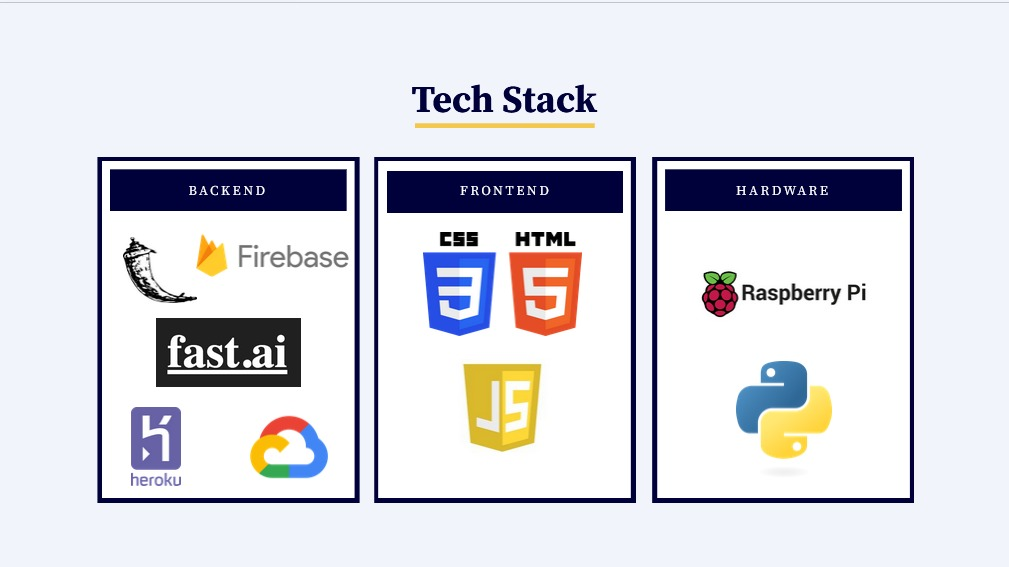
• HTML5 • CSS3 • SCSS • Python • Flask •JS • JupyterNotebook • PowerShell • Raspberry PI • LEDs • Ultrasonic sensors • Resistors • Transistors
6) Technical challenge:
When it comes to working on projects in a hackathon, it’s only natural to work in a direction that reduce timelines and create a prototype that could work efficiently enough to meet the deadline of the competition. However, a tool like Recycle.AI expanded to a project that involve multiple components. Incorporating these components was a challenge in itself. Completing the hardware of the system and making the connection to the software was a challenge that needed our primary attention. It required us to pivot various ideas and finally channeling to our proposed destination. It certainly embraced our time management and decision making skills to a greater extent.
7) Future Work
In future work, we have noted that the successful working of this prototype can be expanded upon, and a larger number of item classifications can be integrated. By increasing the number of classifications to categories like – Trash, Refundable Beverage Containers, Mixed Recyclables, and Compostable (like the current bins on campus), more waste can be sorted accurately and efficiently – allowing for better waste treatment down the line, a more sustainable and eco-friendly society and campus. Further implementations in the commercial sectors would enhance the idea focused on smaller sectors like housing and would add large magnitude of rebates. These returns will further help add financial incentives to recycle and work towards the progression of our economy. Hence serving as a business venture that would initiate profits of large margins. Mechanical improvements are also targeted to make the trash disposal experience as seamless as possible and automate the waste segregation as a mechanical contraption.
8) API's used :
• Google Maps API
9) Machine Learning Models used :
• FASTAI - CNN34


Log in or sign up for Devpost to join the conversation.