-
-
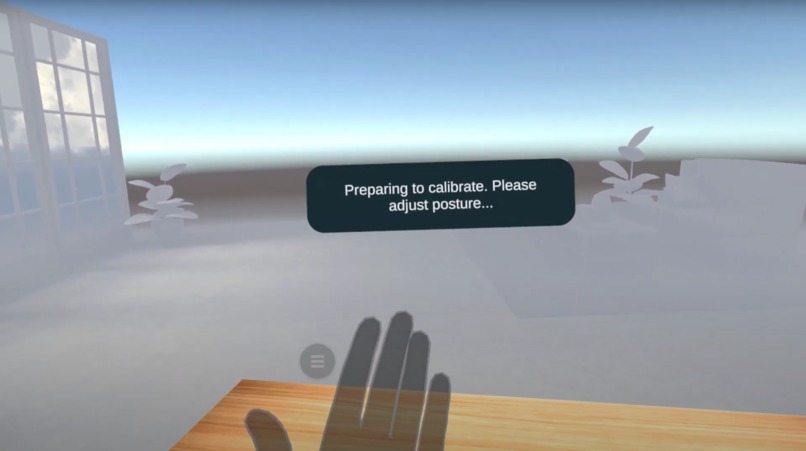
Posture Calibration Gesture
-
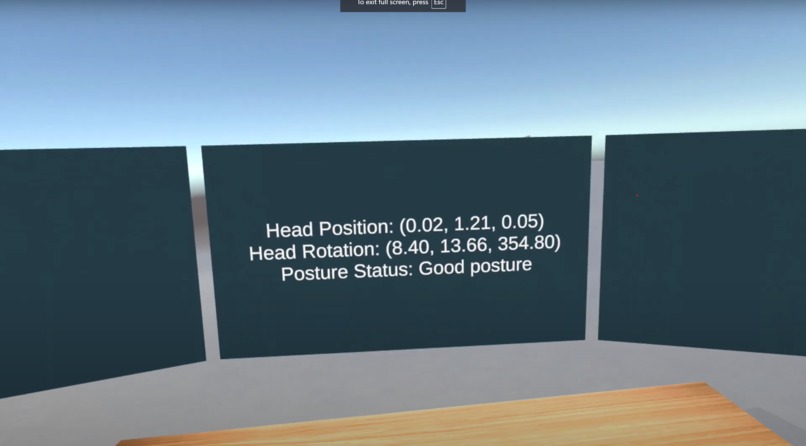
Calibrated Display
-
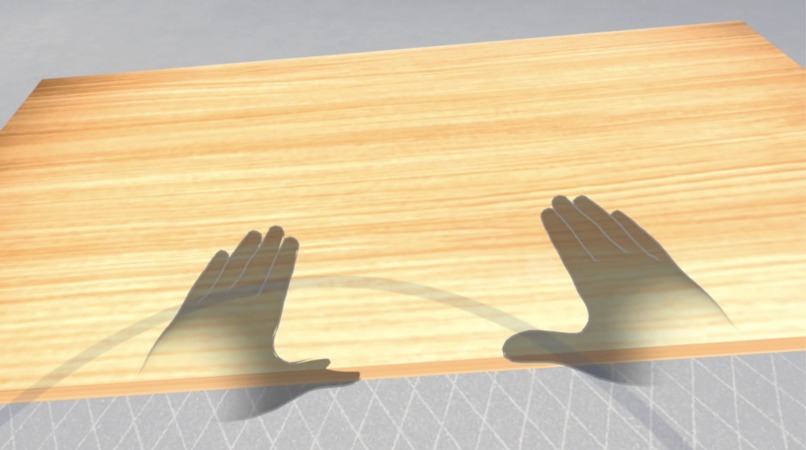
Table Spawner Gesture
-
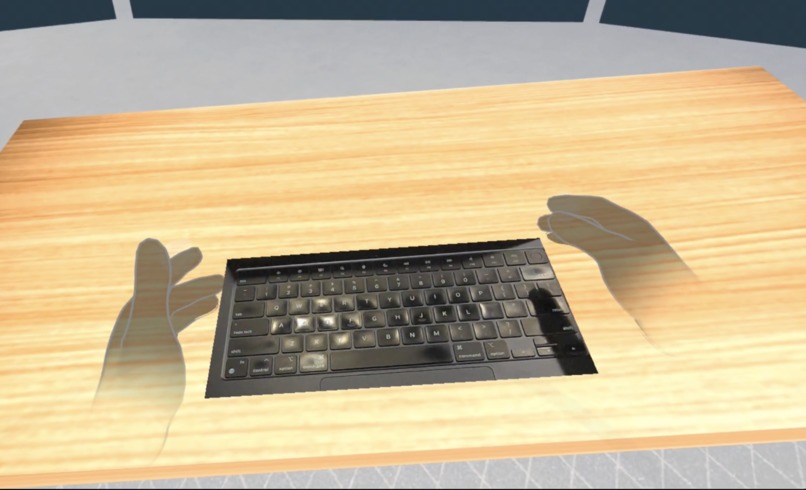
Keyboard Passthrough


Inspiration
Display adjustments in current VR productivity tools are often cumbersome, requiring multiple iterations of manual repositioning to find a comfortable working posture. We wanted to create a solution that automates this process while improving user comfort and productivity by ensuring optimal ergonomic alignment in real time.
What it does
Ergo Workspace VR dynamically adjusts virtual displays based on the user’s posture. Through head tracking and hand gestures (in a controller-free environment), the app subtly guides users toward an ergonomically optimal posture through the height adjustment of the virtual displays.
How we built it
We built the project using Unity and the Meta Interaction SDK. By leveraging head tracking data and analyzing posture deviations (such as slouching or leaning), we implemented a system that adjusts display positions based on the user's posture. The virtual workspace is entirely controller-free, allowing users to interact with elements using only their hands.
Challenges we ran into
One major challenge was ensuring that the display adjustments were smooth and gradual, to avoid disorienting the user. We also had to balance the sensitivity of posture detection to prevent excessive adjustments that might become annoying. Developing a system that handles both posture correction and reversion without conflicting inputs was another hurdle.
Accomplishments that we're proud of
We’re proud to have created a dynamic, real-time posture correction system that adjusts displays based on user behavior without requiring manual input. The controller-free hand interaction adds to the immersion and usability, improving the user’s overall experience and comfort.
What we learned
We learned a lot about VR ergonomics and how small adjustments in display position can have a significant impact on user postural ergonomics. We also gained valuable experience with the Meta Interaction SDK, with their selected passthrough, custom hand gestures, and poke interactable UIs.
What's next for Ergo Workspace VR
Next, we plan to enhance the posture detection algorithm and introduce customizable ergonomic settings tailored to individual users' needs. We aim to expand the workspace by integrating interactive tools such as Pomodoro timers and personalized stretching routines, designed to adapt based on the user’s posture habits and deviations from their optimal ergonomic alignment.
Built With
- metainteractionsdk
- quest3
- unity


Log in or sign up for Devpost to join the conversation.