-
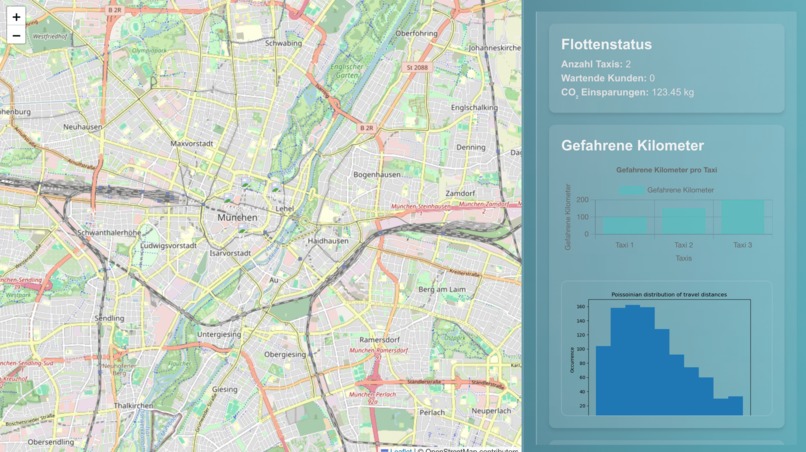
CabCab Dashboard
-
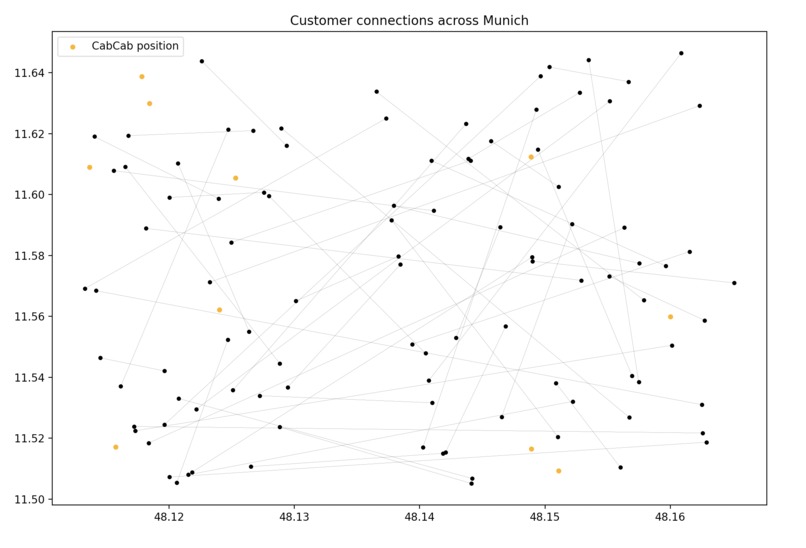
Connection map across Munich
-
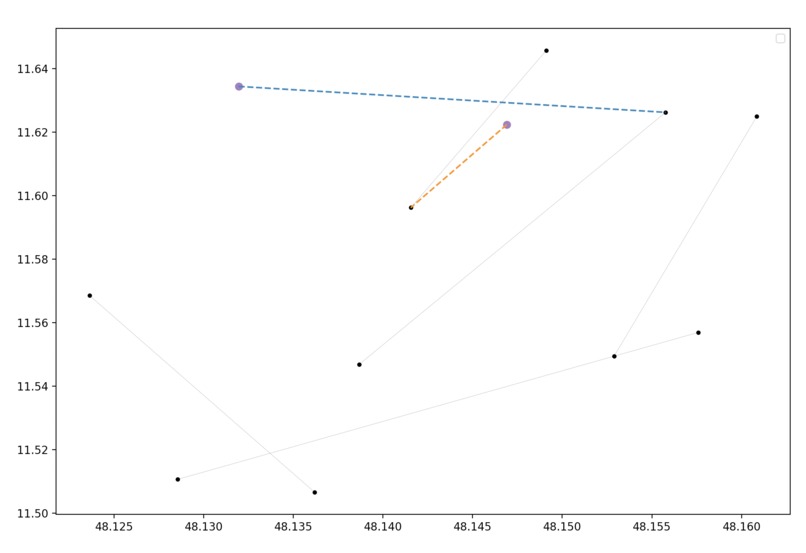
First decision cycle of the algorithm. Efficiency metric is used as reference
-
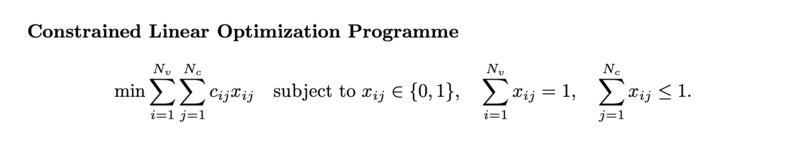
Linear Optimization Programme


Inspiration
Autonomous driving is the future of transportation, and planning for these systems is essential. In Munich, we envisioned a smarter way to manage autonomous electric robot taxis to minimize waiting times, optimize routes, and operate sustainably.
What it does
Our project introduces a dynamic fleet control system for autonomous taxis. By using K-means clustering, the system prevents taxis from competing for the same customers and optimizes zones for better fleet coordination. Through constrained linear optimization, it ensures efficient and sustainable route assignments. The algorithm adapts to real-time changes, reducing waiting times while maintaining operational efficiency. A visual dashboard offers fleet managers a clear overview of all operations, including live updates on vehicle locations and performance.
How we built it
The system is powered by a backend built with Python and Java for the core algorithm and a frontend developed with React and CSS to provide a user-friendly dashboard. Docker was used to containerize the application, ensuring scalability and smooth integration with real-time APIs. The heart of the system is the dynamic algorithm, which balances clustering and optimization to achieve global efficiency.
Challenges we ran into
We faced challenges in integrating APIs to handle real-time data and building a stable Docker architecture for scalable deployment. Developing a real-time clustering and optimization algorithm added complexity, but through collaboration and problem-solving, we overcame these obstacles.
Accomplishments that we're proud of
We are proud of successfully implementing a globally optimized algorithm that minimizes waiting times and enhances sustainability. Additionally, the dashboard provides fleet managers with a seamless interface to monitor and control operations. The teamwork and creativity that drove this project made overcoming the technical hurdles especially rewarding.
What's next for FleetControl
The next steps include expanding the system to other cities and adapting it for broader use cases, such as delivery fleets or shared mobility services. We also plan to integrate predictive models to anticipate customer demand and further optimize operations, making the system more powerful and scalable for the future.


Log in or sign up for Devpost to join the conversation.