-
-
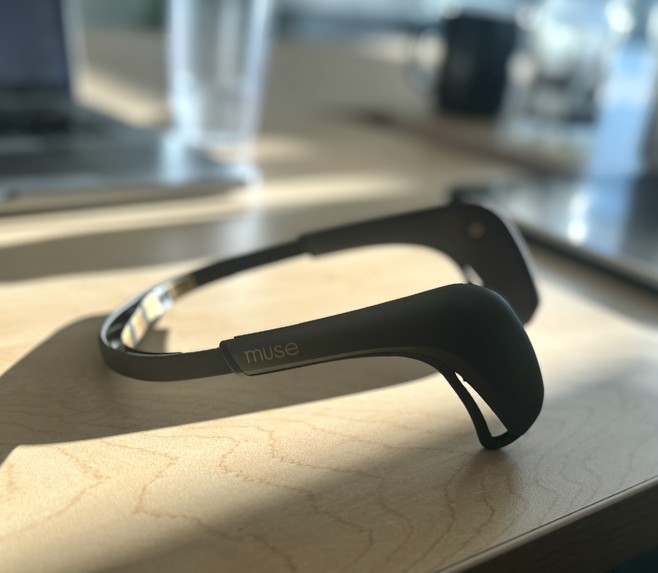
the muse eeg headset
-
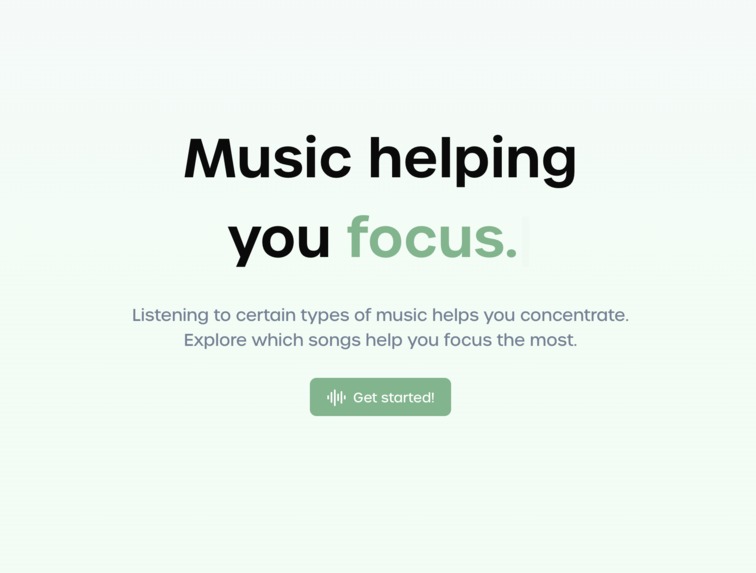
landing page
-
-
-
-
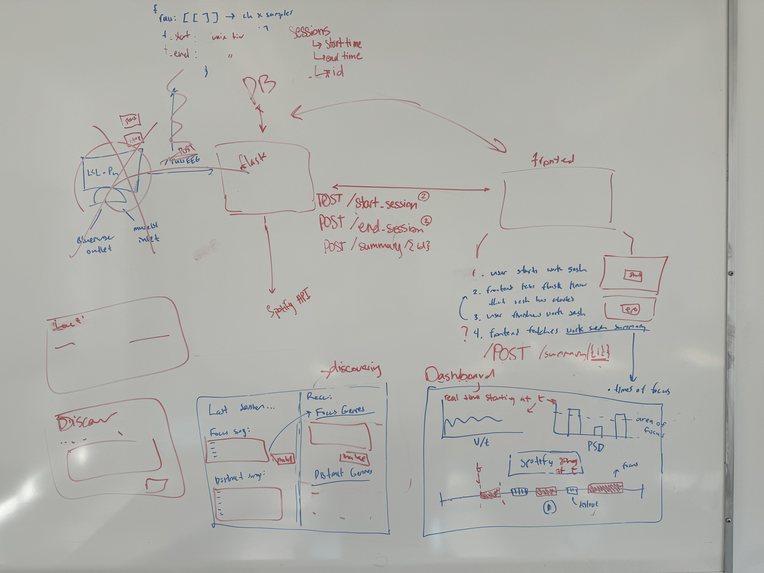
initial flowchart of tech stack


Inspiration
Nearly 80% of adults listen to music while working. For those with attentional difficulties, such as those with ADHD, music can be an even more powerful tool for focusing. With members of the team having had experience with ADHD, we knew how helpful it would be to get more insight into what types of music help you concentrate better while you are working. We set out to build flowcus to help individuals who have trouble focusing get a more comprehensive view of how music affects their focus. In addition, our platform will help the user discover more music similar to those that help them focus as well.
What it does
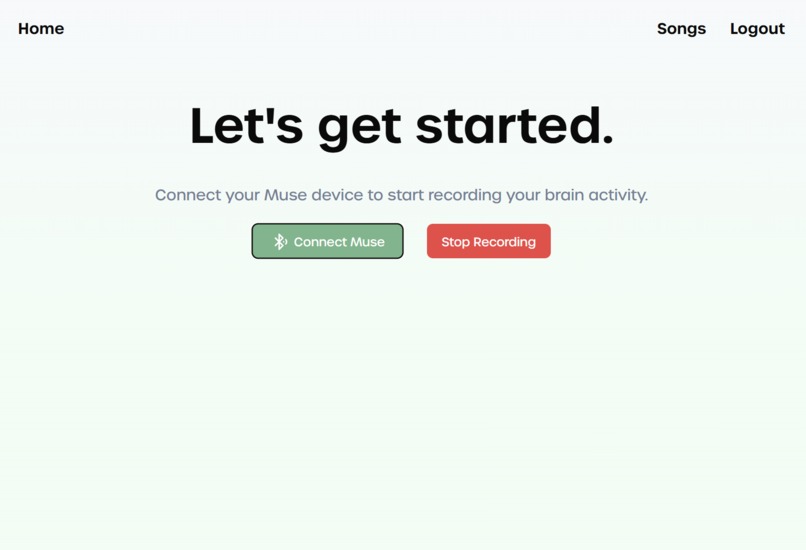
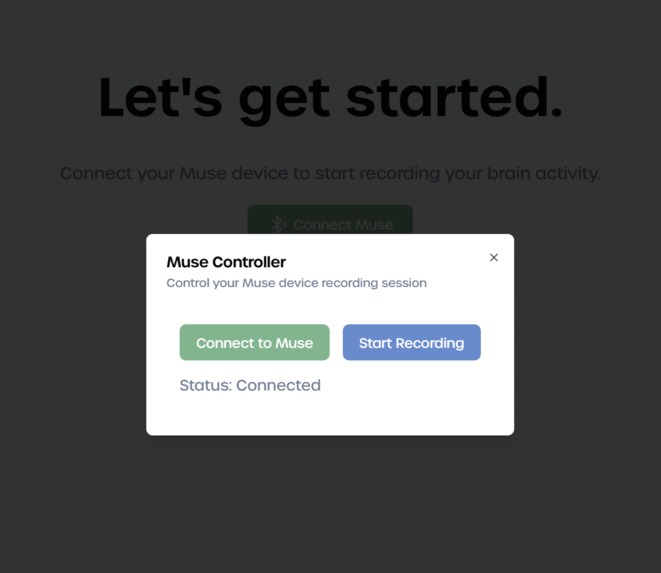
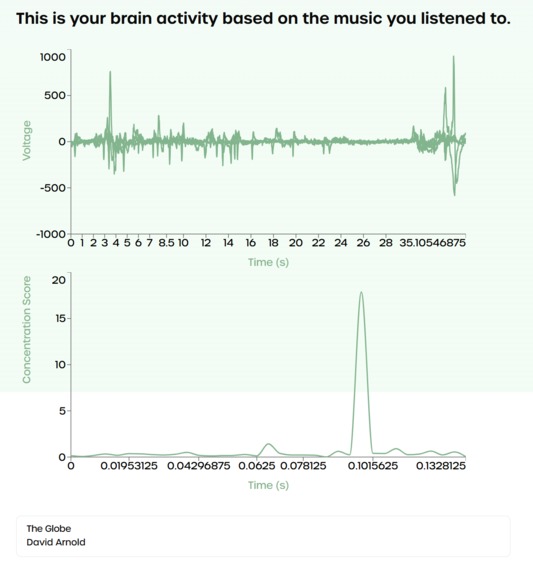
The user will put on the muse headset. Whenever they want to start a work session, they will just simply click the start button on the web page. Then the headset will start recording their brain wave activity. This data is then used on server and cross referenced with the listening activity fetched through the Spotify API. Afterwards, a summary of their activity will be presented, along with songs that had helped them focus (with the option to make a playlist out of them). We are also in the process of implementing functionality to recommend new music based on songs that helped the user focus.
How we built it
The hardware we used was the muse EEG headset. Through the muse-js library, we got the data for EEG through bluetooth on onto the browser, which was sent to the server at the end of each session. Afterwards, the data was processed in the server with the Spotify API. The songs as well as their information, and also the important brainwave data were all saved to two separate tables on supbase. The frontend which used nextjs would then access the information on the database, process it, and format it in a readable and user friendly way.
Challenges we ran into
There were many unforeseen hurdles in this project. First, was getting the data from the EEG up on our website so that we could process it, which we ended up doing through a library we found called muse-js. Another problem was with interfacing with the Spotify API through both supabase on the client side and the Flask server. The problem arose when both the server-side and client-side had to use the same access code. We also had issues with getting graphical data on the website.
What's next for flowcus
Right now many of the algorithms being used for getting overlap between focus intervals and the songs being played is rudimentary. We would want to do more tests to calibrate the headset for more accurate data. In addition, the recommendation algorithm is a work in progress and could be improved further. These areas are things we can improve on in the future.


Log in or sign up for Devpost to join the conversation.