-
-
Cover
-
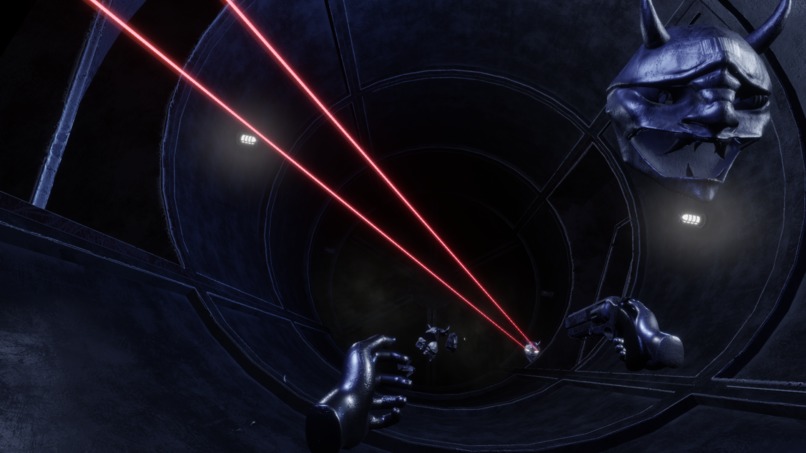
Gameplay - Hollow Doors Level
-
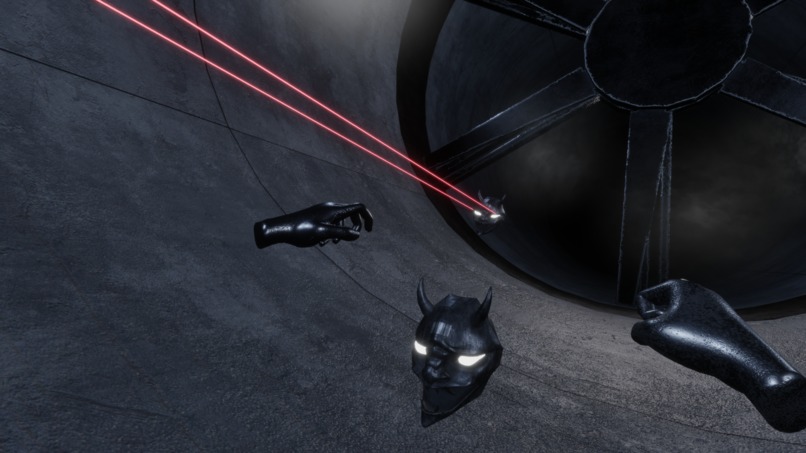
Gameplay - Cyclone Gate Level
-
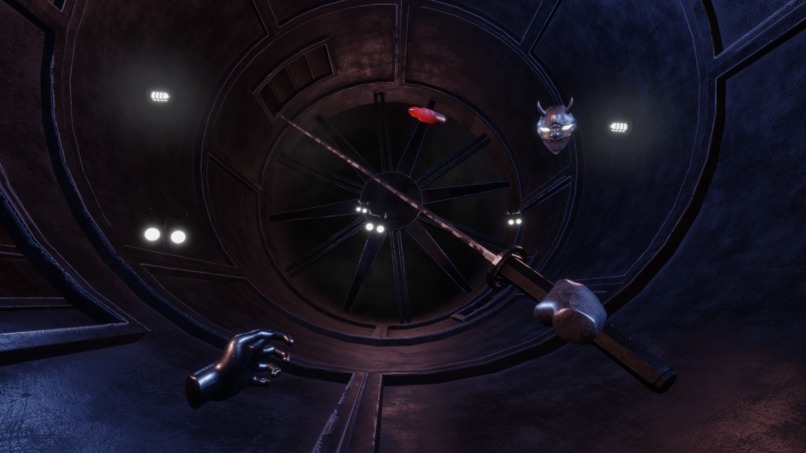
Gameplay - Iron Spine Level
-

Game Art from future level The Maw


Inspiration
Glitch Metropolis draws from two long-standing influences.
First, the time-manipulation sensibility of SUPERHOT, a mechanic I always admired and wanted to reinterpret through my own design language.
Second, the stark, subterranean atmosphere of BLAME!, alongside visual research from underground brutalist structures, sewer architecture, and industrial Pinterest references.
These inspirations shaped both the pacing and the aesthetic direction of the project.
What it does
Glitch Metropolis introduces a time-flow system with an added strategic layer:
when the player overuses time dilation, the hands charge up and release a shockwave that can clear an entire wave of enemies.
Combat is structured around modular enemy “telemetries”—behavioural patterns that create choreographed pressure.
Players punch, dodge, and maneuver through waves of glitch-spawning mask enemies, while occasionally receiving glitch-spawned weapons such as a katana or revolver.
The goal is simple and readable: eliminate the threats before they overwhelm you.
How we built it
The game is developed in Unreal Engine 5.4 (Oculus branch), with assets created in Blender and textured in Substance Painter.
Audio is sourced from Boom Library and SoundMorph.
Enemy behavior is driven by a custom movement component, layered with a stack-based state automaton and a configurable DataAsset pipeline to author arbitrary telemetries.
An internal ability system defines enemy actions and reactions, allowing rapid iteration over combat patterns and encounter design.
Challenges we ran into
The main challenge was achieving polished, enjoyable choreography.
Building the system was straightforward; refining it into something genuinely fun required extensive iteration.
Level creation took more time than anticipated, as encounter pacing and readability are skills that matured over the project.
This phase made it clear that finishing the full game will depend primarily on systematic encounter design rather than on new mechanics.
Accomplishments that we're proud of
A major milestone is the fully playable build.
Testers—including players with no prior VR experience—were able to jump in, understand the mechanics intuitively, and have fun immediately.
Designing the experience around accessibility and low friction proved successful, and this is the achievement I consider most important.
What we learned
As production progresses, complexity increases sharply.
Polish consistently outweighs raw feature count, and maintaining a tight scope is essential.
Removing unnecessary elements often moves the project forward more effectively than adding new ones.
A disciplined pipeline makes late-stage development manageable.
What's next for Glitch Metropolis
The plan is to complete 7–10 additional levels over the next 2–3 months, introduce 1–3 new weapons, and expand the library of enemy telemetries.
New mask models and additional environment sets are planned to deepen visual variety.
The core systems are complete; the primary focus going forward is level design, encounter flow, and polish.
Built With
- blender
- c++
- substance-painter
- unreal-engine


Log in or sign up for Devpost to join the conversation.