-
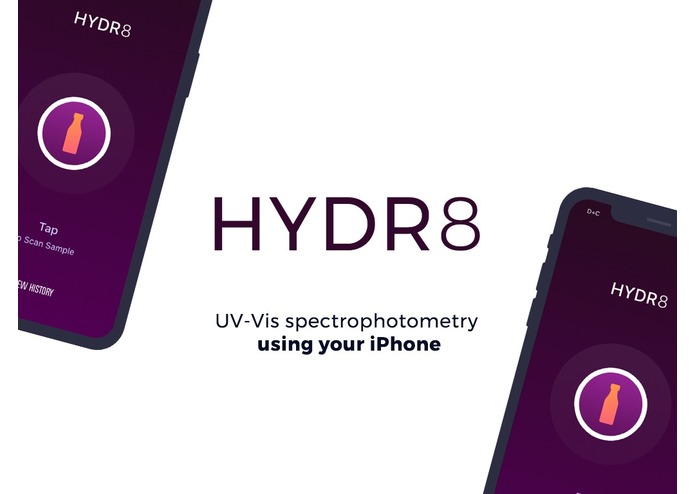
UX Prototype 1
-
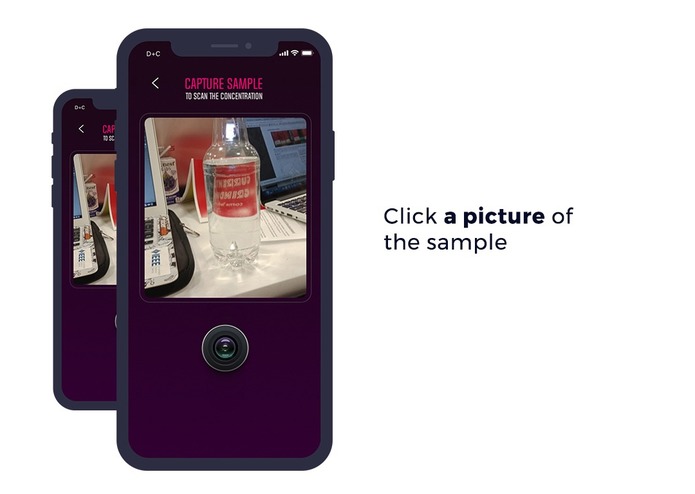
UX Prototype 2
-
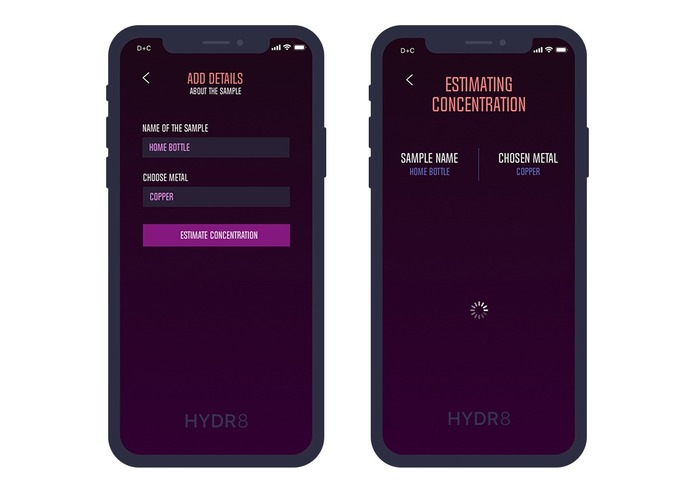
UX Prototype 3
-
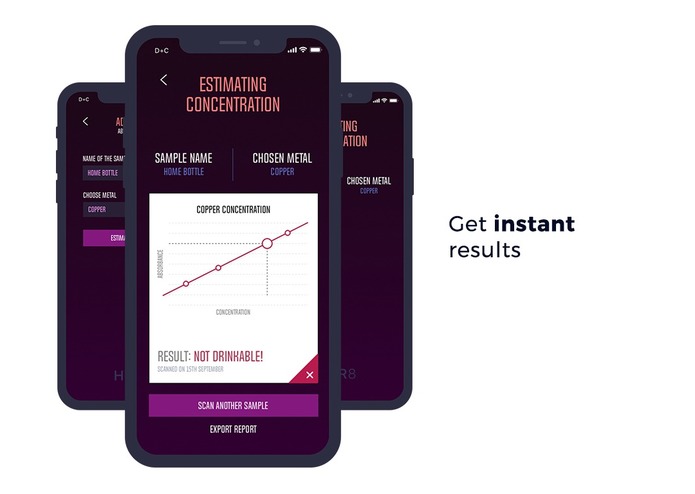
UX Prototype 4
-
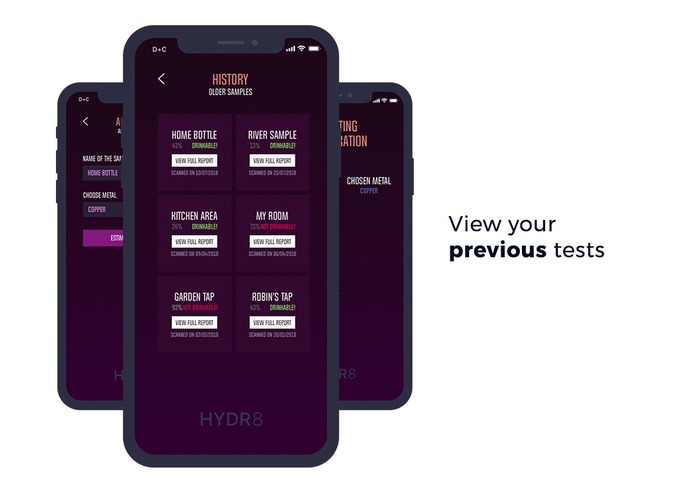
UX Prototype 5


Inspiration
UV-Vis spectrophotometry is a powerful tool within the chemical world, responsible for many diagnostic tests (including water purity assessments, ELISA tests, Bradford protein quantity assays) and tools used within the environmental and pharmaceutical industry. This technique uses a detector to measure a liquid’s absorption of light, which can then be correlated to its molarity (the amount of a substance within the solution). Most UV-Vis spectrophotometers, however, are either extremely expensive or bulky, making them inideal for low-resource situations. Here, we implement an image processing and RGB sensing algorithm to convert a smartphone into a low-cost spectrophotometer to be used anywhere and everywhere.
Inspired by a team member’s experience using an expensive spectrophotometer to complete protein analysis during a lab internship, the Hydr8 team quickly realized this technology could easily be scaled into a smartphone, creating a more efficient, low-cost device.
What it does
In this project, we have designed and developed a smartphone-based system that acts as a cheap spectrophotometer to detect and quantify contaminants in a solution.
How I built it
We used the OpenCV Python package to segment images, isolate samples, and detect the average Red-Green-Blue color. We then wrote an algorithm to convert this color average into an absorbancy metric. Finally, we wrote functions that plot the absorbance vs concentration of the calibration images, and then use linear regression to quantify the contaminant concentration of the unknown solution.
Challenges I ran into
Configuring various unfamiliar packages and libraries to work within our proposed computational framework
Accomplishments that I'm proud of
For most of the team, this was the first hackathon we have participated in-- experience proved to be fun but challenging. Coming up with a novel idea as well as working together to create the necessary components are aspects of the projects we feel especially proud of.
What's next for HYDR8
With time and effort, we hope to improve and streamline Hydr8 to create a more sensitive sensor algorithm that can detect lower concentrations of analyte. Our ultimate goal is to finalize implementation of the graphic user interface and release the app so that it can be used where most needed, in places such as developing countries and disaster-relief zones to ensure safe drinking water.


Log in or sign up for Devpost to join the conversation.