-
-
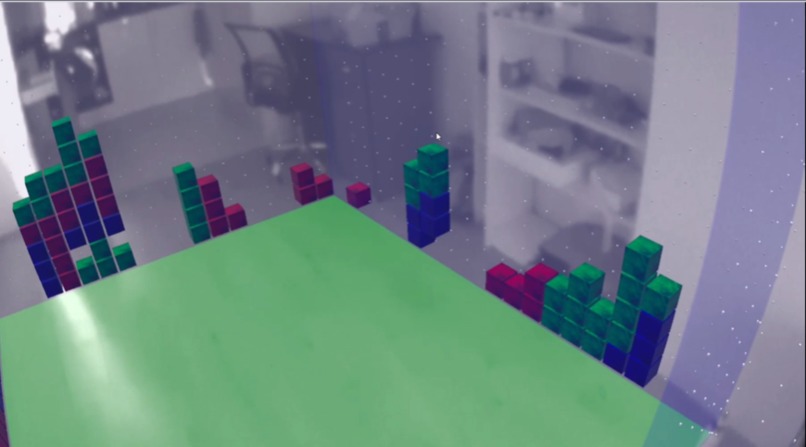
Game area
-
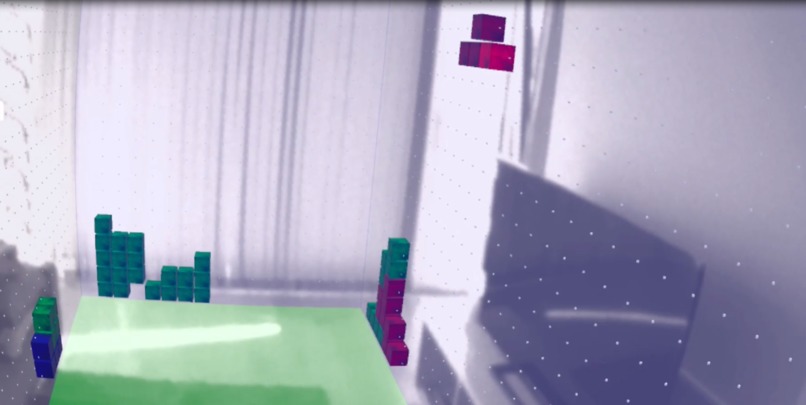
Dynamic based on walls
-
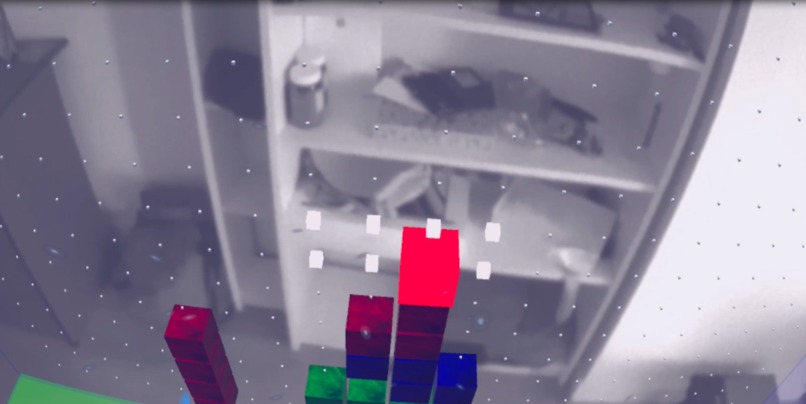
Puzzles
-
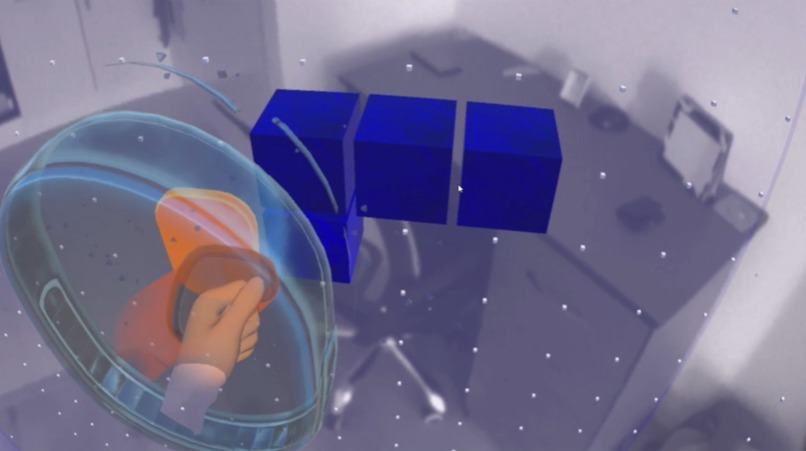
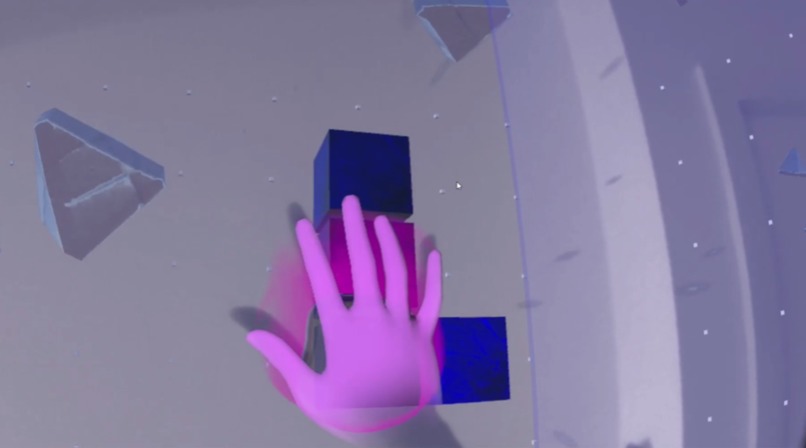
Fist punch to move piece
-
Stop touch to rotate piece
-
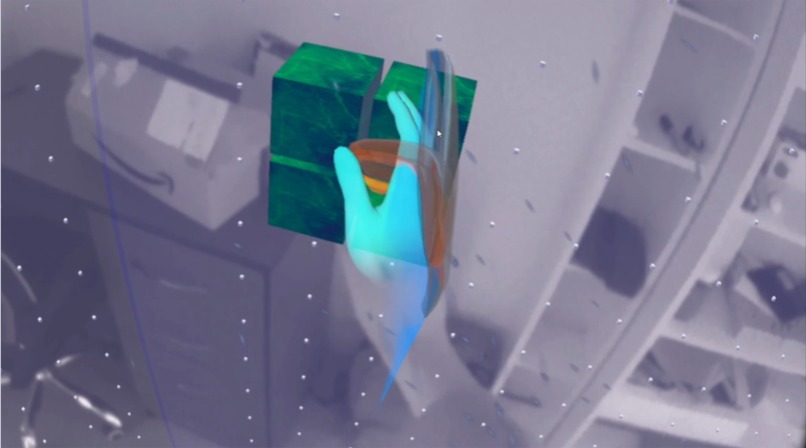
Slice touch to place piece
-
-
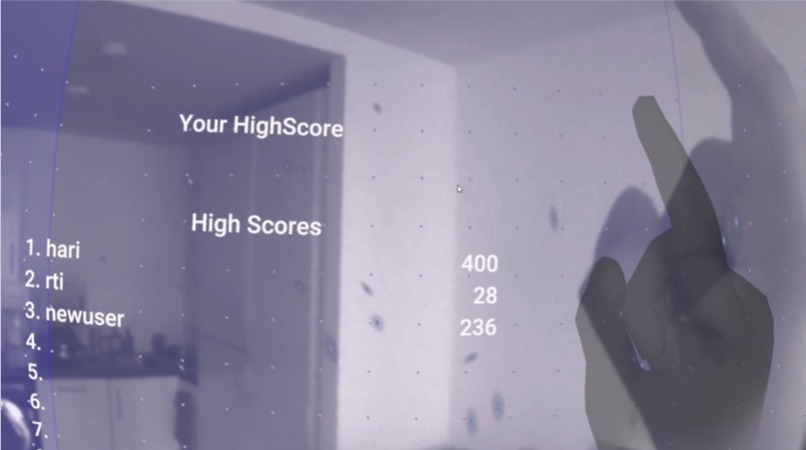
High scores


Inspiration
Combining the popularity of fitness games and puzzle games in virtual reality, I sought to create a unique fusion of both elements within InsideArcade. InsideArcade transforms defined walls into an Arcade screen. Instead of the common see and react game play, I sought to create a see, think and react game play.
The Game
In this prototype, play a popular game by strategically placing the pieces in the walls in addition to solving puzzles while also engaging in physical activities like hand movements to manipulate the pieces and move/bend to locate the pieces. The dynamic gameplay adapts to any wall defined by the player, passthrough allows avoiding real-world obstructions hence maximizing gaming space. The player can utilize the entire room.
How I built it
Unity and C#. I implemented gameplay leveraging from Oculus Fast-Hands sample. Points are also saved in azure and the application shows the top ten high scores. Game can also be saved locally.
Game play
Requirements: Hands only (Controllers not supported yet) Scene setup (Only walls required and considered) Tested only on Quest 2
Steps: Start the game after scene setup. Only the walls, no furniture are required. Press play to start the game. No login or user set up required for this. Move near the piece Make corresponding hand poses for the manipulation required (see below) and then hit the piece block highlighted.
Notes: Walls need to be created in front of the original wall or the furniture. If not your hands will collide with the original wall and manipulation will not be possible. Please create a special wall for this game. Use your entire room for maximum fun as you can run to pieces. Small rooms are also great for completing lines quickly to score more points.
Manipulating pieces Left hand fist hit (Slowly) - Move piece one block to the left Right hand fist hit (Slowly) - Move piece one block to the right Any hand stop hit - Rotate piece Any hand slice hit - Move piece down fast to place the piece Left hand fist hit (Powerfully) - Move piece 10 block to the left Right hand fist hit (Powerfully) - Move piece 10 block to the right
Scoring: 4 points - On placing each piece 100 points - One line completed 300 points - Two lines completed 600 points - Three lines completed 50 points - Puzzle completed
Puzzle: Puzzles appear at regular intervals. They will be highlighted. They are solved by placing the pieces over the puzzles before a certain number of moves which will be mentioned below the score. If not solved, the game will be over.
Game over: On not solving puzzle on time On vertical line filled up
Saving Game: Game is saved by pressing the end button. It can be resumed on pressing the resume. Resume button appears only when the game is saved. Also the game is not saved on quitting the game.
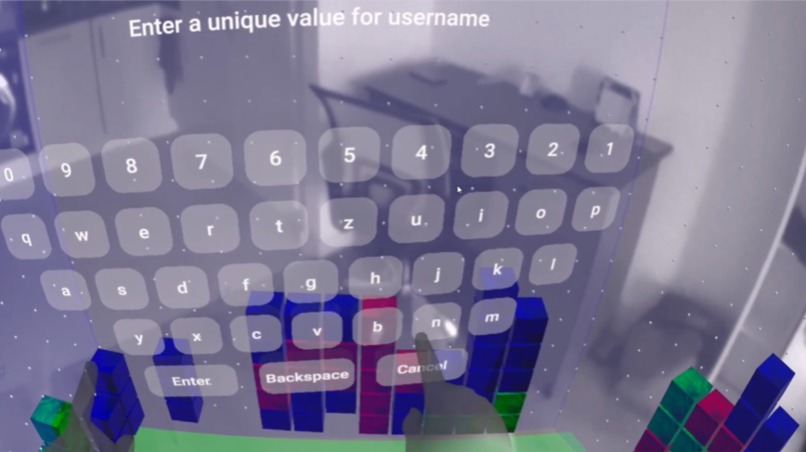
Score save: When you get a high score you will be prompted to save the score. You need to have a user account created and also logged in to save the score which is saved in azure.
Challenges I ran into
- Algorithm to generate cubes based on the walls from the scene setup.
- Algorithm to move cube in circular way along the walls in 360 degree
- Crafting a scoring system that remains engaging and fair while accounting for the dynamically changing gameplay and varying wall sizes required careful consideration and iteration.
- System requirements and not able to test it with OculusVR runtime from Unity3D.
What I learned
Through the development process, I gained valuable experience with Oculus SDKs, including Passthrough, Scene Understanding, and Interaction SDK. This is also my first game, so learned a lot about some game mechanics.
What's next for Inside Arcade
- To improve performance & refine score system
- Update Art and add more art themes
- Add more puzzles
- Add more tunes
- Dynamic game speed for long playability
- Release the game publicly
- Consider furniture's while creating the blocks so that space can be utilized completely or allow a way to interact with block hidden by the furniture's so that the blocks can be aligned along the walls giving a more immersive experience
- Create other arcade games based on bricks on dynamic walls (Also inspired from other existing games like Scrabble (multi-player shared spaces), Crosswords or from 9999 in 1 brick games). Hence, the game has wide scope.




Log in or sign up for Devpost to join the conversation.